

Crochet Braid Styles for Short and Medium Hair
Short and medium crochet styles can add curl, length, or braid definition without covering your natural texture completely. The right crochet braid styles depend on the shape you want, how much volume feels comfortable, and how your stylist can anchor the extensions to your hair.
A chin-length bob and a shoulder-length twist set need different choices in texture, density, and parting. Start with your preferred silhouette, then check how the hair will be installed and cared for.
Key Takeaways
- For short hair, a curly bob, compact coils, or a tapered shape can add definition without excessive length.
- On medium hair, shoulder-skimming twists, waves, and crochet box braids create more movement while staying manageable.
- Extension length and pack weight don't tell you exactly how the finished style will fall. Ask your stylist to plan placement and density for your hair.
- Crochet hair can still create tension. A comfortable foundation and gentle upkeep matter for your scalp and natural hair.
How to Choose Crochet Braid Styles
A good style starts with the finished outline, not just the curl pattern on the package. Decide whether you want a rounded shape, a side-swept look, or length that brushes the shoulders. Then consider how your own hair's length and density will affect the base and coverage.
Match texture to your preferred shape
Curly or kinky-curly hair creates a fuller outline, so a short cut can look lively with fewer added inches. Waves tend to fall closer to the head and create more movement through the ends. Braids and twists give a defined shape, but can feel heavier if you choose dense coverage.
Color changes the effect, too. A natural shade keeps attention on the texture, while an ombre or a few brighter strands can add contrast. For example, afro curly deep wavy synthetic crochet hair is listed in 15 colors, with a 24-inch stretched length. That measurement describes the extension, not necessarily how long it will look after installation.
Choose length and density together
A longer extension doesn't automatically mean a better result. The finished look depends on curl shrinkage, where your stylist places the hair, and how much hair goes into each section. Ask for a plan that considers your desired length and volume together.
For a shorter silhouette, fewer and lighter pieces may keep the shape from spreading too wide. Medium styles can accommodate more length, but extra density may add weight around the edges and nape. If you're unsure, bring reference photos showing the front, sides, and back.
Short Crochet Braid Styles That Frame the Face
Short styles work well when you want visible texture and a neat outline. Focus on where the curls end and how much fullness you want around the cheeks and nape.
Curly crochet bob
A chin-length or jaw-skimming bob can soften the outline of a short natural cut. Springy curls add width around the face, while a side part shifts volume to one side. If you prefer a more even shape, ask your stylist to balance the curl placement rather than building all the fullness at the crown.
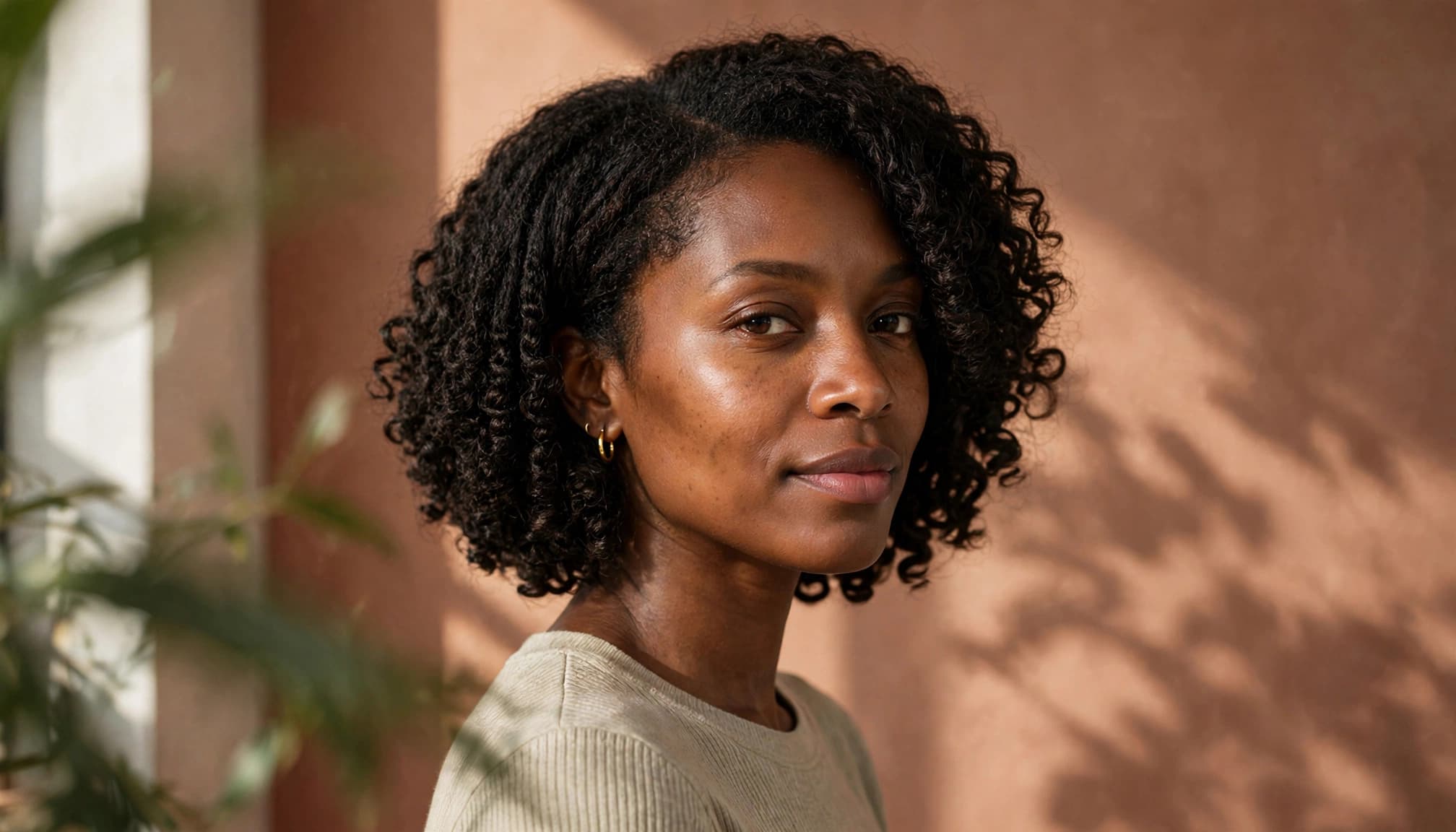
Keep the nape light if you want the style to sit close behind the head. Tighter curls can make a short bob look fuller, so discuss the desired width before installation. For a softer, less uniform texture, Burmese curly human hair crochet extensions offer curly strands in lengths that include 10 to 24 inches stretched.
Compact coils and kinky-curly shapes
A compact coil style adds a rounded silhouette without the visual weight of long braids. It can work on short hair when the base is secure and the added pieces are spaced to suit your natural density. Ask for a shape that leaves enough room around your hairline, especially if you want to wear the style with a side or center part.
Kinky-curly textures can blend with a coily natural look, though the final volume depends on the fiber and amount installed. Look at natural-looking afro kinky curly crochet hair if you want a tightly textured finish. Check product directions for styling and care before applying heat or other products.
Medium Crochet Braid Styles With Movement
Medium hair gives you room to show off length while keeping the ends within reach for daily care. Shoulder-grazing styles can look polished with a clear part, or relaxed with curls and twists that sit away from the scalp.
Shoulder-length twists
Passion twists or other soft twists make the texture easy to see. A side part adds sweep across the forehead, while a center part gives a more balanced outline. Keep the twist count and thickness in proportion to your base. Many bulky twists can obscure a short or medium cut and add unnecessary weight.
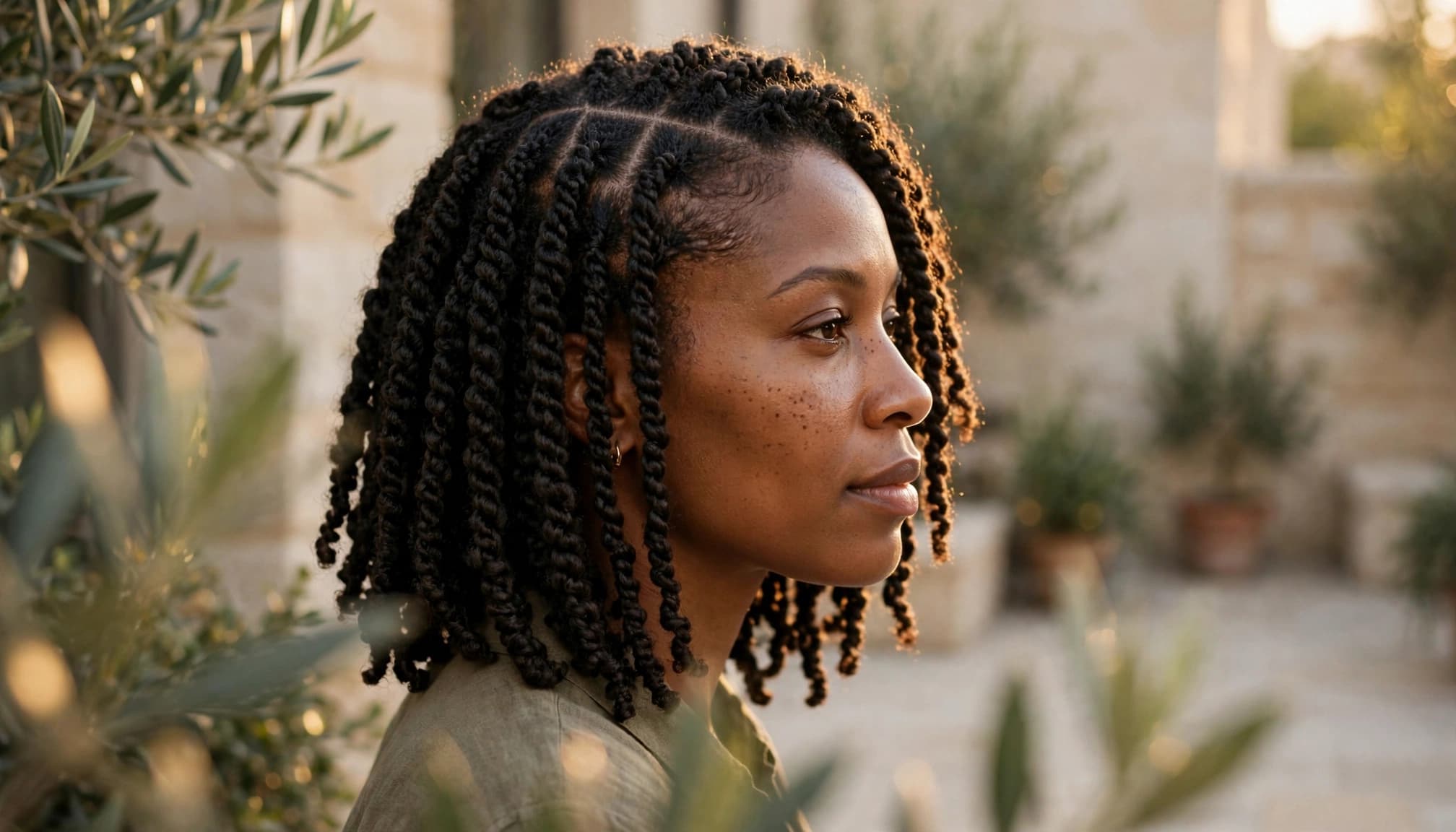
For a braid-forward look, pre-looped extensions can help create an even pattern. These pre-looped synthetic box braids for crochet are listed in lengths from 12 to 30 inches, with 22 strands per pack. Choose based on the intended finished shape, since extension length alone doesn't predict where the braids will fall.
Medium waves and curls
Loose waves add movement and can feel less structured than individual braids. They suit a side part or a subtle off-center part, especially when the front pieces frame the face. Deep waves bring more definition and volume, so ask your stylist how many pieces will create the look without crowding the crown.
For a wave-based style, deep wave human hair crochet braids are listed in 14 to 22-inch lengths. Product descriptions can vary, so review the current listing and follow its care directions. In all cases, ask the stylist to show where the part will sit before they finish the install.
Plan the Part and Installation
The base determines how the style lies and how much of your natural hair remains visible. A cornrow pattern can support a side part, a center part, or a more flexible finish, but the pattern should suit your own hair and the style's coverage.
Set the part before braiding
Tell your stylist where you want the part while they're planning the cornrows. Moving a part after installation may expose a different section of the base or change how the hair falls. If you want versatility, ask whether the chosen pattern can support more than one part without revealing tracks.
A defined part often looks neat with medium twists, waves, or box braids. For a short curly bob, a soft part can preserve a natural-looking outline. Bring a reference photo and point out the details that matter most, such as the width of the part or how much hair should frame the forehead.
Keep the base comfortable
Your cornrows should feel secure without painful pulling. Tell your stylist if you feel tenderness during braiding or crochet placement, rather than waiting until the full style is complete. A step-by-step crochet installation guide can help beginners understand the cornrow base and latch-hook method, but a stylist should adapt the technique to your hair.
The American Academy of Dermatology explains that hairstyles that pull can lead to hair loss. That guidance applies to braids and other tightly pulled styles, so comfort should guide decisions about tension and weight.
Shop Best Sellers
-
Short Goddess Faux Locs Wig | Brown Highlight Crochet Dreadlock Wig
Prezzo di listino Da $158.00 USDPrezzo di listino$190.00 USDPrezzo scontato Da $158.00 USDIn offerta -
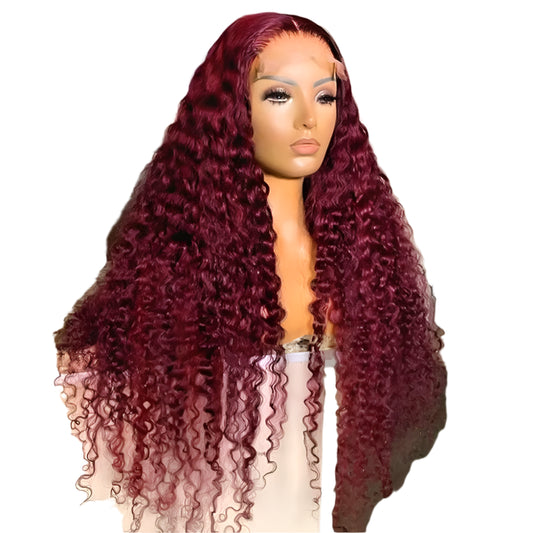
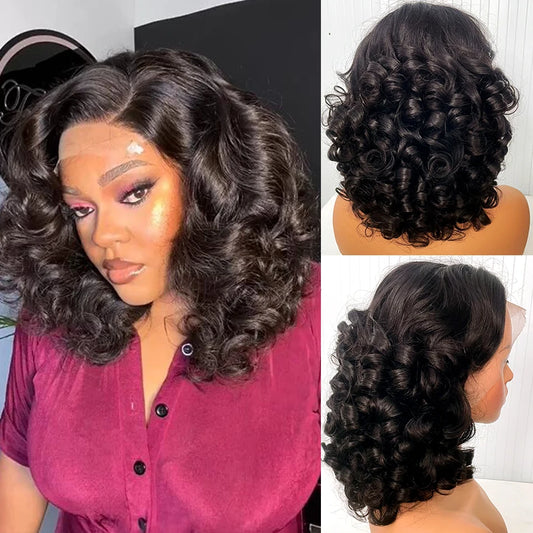
30 Inch Burgundy 99J Curly Human Hair Wig | 13x6 Lace Frontal | 200% Density
Prezzo di listino Da $257.00 USDPrezzo di listino$0.00 USDPrezzo scontato Da $257.00 USD -
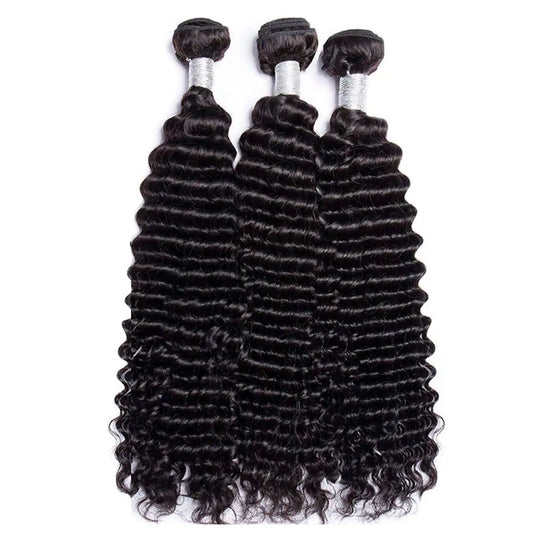
12A Deep Wave Remy Human Hair Bundles | 30 to 32 Inch Weft Extensions
Prezzo di listino $364.00 USDPrezzo di listino$0.00 USDPrezzo scontato $364.00 USD -
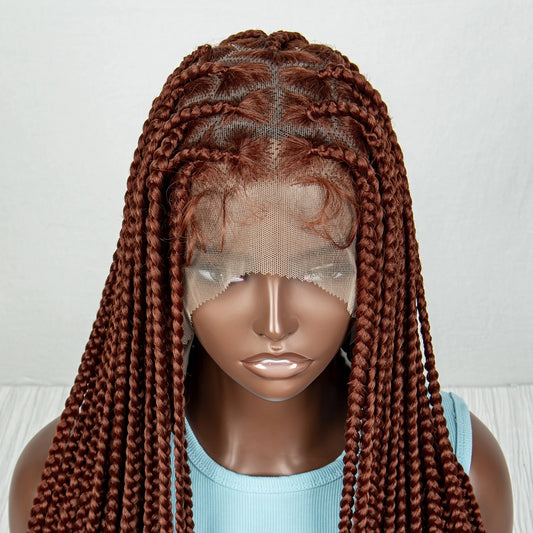
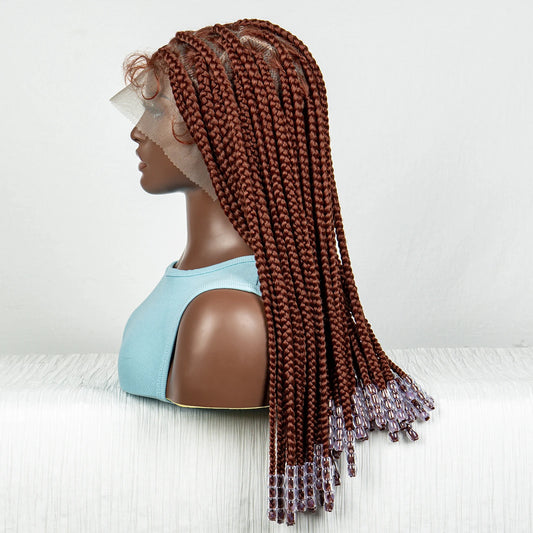
#350 Knotless Box Braids Wig | Short Lace Frontal Bob | Dark Ombre Ginger
Prezzo di listino $262.50 USDPrezzo di listino$0.00 USDPrezzo scontato $262.50 USD -
Short Afro Faux Dreads Wig | Synthetic Braided Wig for Men and Women
Prezzo di listino $90.00 USDPrezzo di listino$120.00 USDPrezzo scontato $90.00 USDIn offerta -
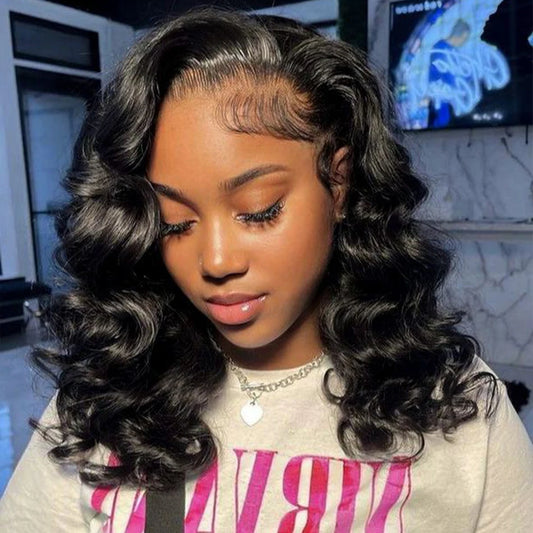
12A Raw Vietnamese Bouncy Wave Wig | 13x4 Lace Frontal | 250% Density
Prezzo di listino Da $242.00 USDPrezzo di listino$0.00 USDPrezzo scontato Da $242.00 USD -
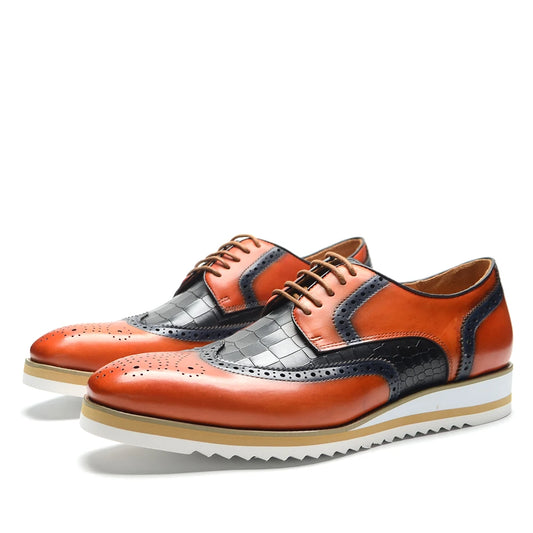
Men's Wingtip Derby Shoes | Genuine Leather Colour Block Lace-Ups
Prezzo di listino $263.00 USDPrezzo di listino$301.00 USDPrezzo scontato $263.00 USDIn offerta -
Brazilian Human Hair 13x4 Lace Front Wig | Glueless, Pre-Plucked with Baby Hair
Prezzo di listino Da $99.00 USDPrezzo di listino$132.00 USDPrezzo scontato Da $99.00 USDIn offerta
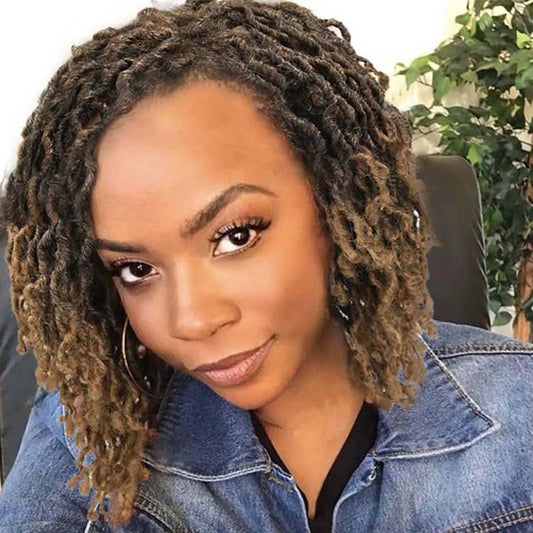
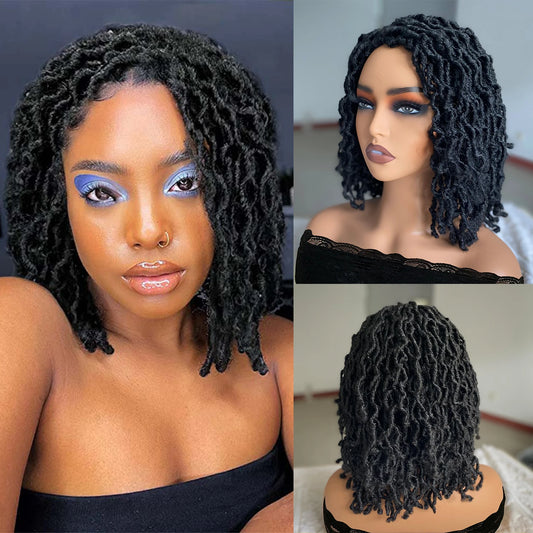





Comfort Matters as Much as the Look
Crochet extensions aren't automatically low-tension or protective. A tight base, heavy pieces, or repeated strain around the hairline can make a style uncomfortable. If you notice soreness or persistent scalp discomfort, contact your stylist and ask about loosening or removing the style.
The AAD also notes that repeated pulling from weaves and extensions can contribute to traction alopecia, which may become permanent. Read its advice on preventing damage from a weave or extensions before choosing a style. A stylist can help adjust the amount of hair and placement, but don't ignore pain.
Care for Crochet Braids at Home
Upkeep depends on the fiber, texture, and product instructions. Synthetic and human hair may need different handling, so follow the specific guidance that comes with your extensions and ask your stylist what's appropriate for the finished style.
Clean gently and protect the base
Keep your scalp comfortable and clean without rough rubbing or pulling at the crochet points. Use products recommended by your stylist, and avoid soaking or manipulating the style unless its care instructions allow it. After washing, let the base dry fully to reduce lingering dampness between the cornrows.
At night, protect the hair with a satin scarf or bonnet if that works with the style's shape. Curls may need a different routine from braids, so check the product guidance rather than assuming every texture can be refreshed the same way.
Refresh with the right technique
Separate curls gently with your fingers when needed, and avoid brushing textured extensions unless the manufacturer or stylist recommends it. For synthetic hair, heat can damage some fibers; use hot water only when the product explicitly allows that method. For instance, hot water setting synthetic crochet hair is described as suitable for hot-water setting, but follow its listing instructions.
There's no single wear time that fits every install. Hair condition, tension, home care, and product guidance all matter. Ask your stylist when to return for a check or removal, and avoid keeping a style that feels painful or begins pulling at your hairline.
Crochet Braid Styles FAQ
Can I wear crochet braids on short natural hair?
Often, yes, if there's enough hair to create a suitable base. A stylist can assess your length, density, and condition, then suggest a pattern and coverage level. Choose a silhouette that works with your natural hair rather than relying on extension length alone.
Which part works best for short crochet styles?
A side part can create a sweep and make a bob feel softer. A center part looks balanced but may show more of the base, depending on the pattern. Decide before installation so the cornrows support the finish you want.
How do I keep crochet braids from feeling heavy?
Ask your stylist to use an amount of hair that matches your desired volume and to distribute it evenly. If the style pulls or feels uncomfortable, say so during installation. More hair does not always create a better shape, especially on a short cut.
Can I use heat on crochet extensions?
Only if the product's instructions say heat is safe. Fiber types vary, and heat may damage synthetic hair. Check the label or listing, then follow the stylist's advice for the specific extension.
Choose a Style You Can Wear Comfortably
Short and medium crochet styles can deliver a clear change in texture or shape, from a compact curly bob to shoulder-length twists. Decide on length, part, and volume together, then bring those preferences to your stylist.
The most wearable result is the one that suits your natural hair and feels comfortable at the scalp. Keep the product directions close, and speak up if the installation pulls.