

Deep Wave Hair Care for Defined, Lasting Curls
Deep wave hair looks polished when each curve stays hydrated, separated, and soft. The right deep wave hair care routine protects that pattern without coating it in heavy product or pulling it out with constant brushing.
Whether you wear extensions, a wig, or your natural texture, the goal is the same: clean the hair when needed, condition it lightly, handle it while wet, and reduce friction between styling sessions. Start with the habits that protect definition at the wash stage.
What Makes Deep Wave Hair Lose Definition?
Deep waves usually lose their shape for practical reasons. Dry brushing separates the pattern unevenly, rough towels create frizz, and too much product can leave the hair limp. Excessive washing can also remove moisture before the waves have time to settle.
Dry brushing creates frizz and breakage
Curly and wavy hair can become more fragile when dry. Brushing through a finished pattern often pulls apart the wave clumps and creates a puffy surface. The American Academy of Dermatology recommends avoiding dry brushing curly hair to help reduce breakage and frizz. Its dermatologist curly hair tips also recommend detangling during washing.
Use your fingers to separate obvious tangles before adding water. Once the hair is wet and coated with conditioner, work in small sections instead of forcing a comb from the roots to the ends.
Product buildup can flatten the wave
Creams, oils, edge products, and refreshing sprays can collect on hair, especially around the crown and nape. Buildup makes waves feel coated and prevents water from spreading evenly through the strands.
Choose lightweight, water-based products when possible. Apply a small amount to the mid-lengths and ends first. Add more only if the hair still feels dry after scrunching.
The Right Wash Routine for Deep Wave Hair
A careful wash restores movement without disturbing the shape. Your exact schedule depends on your scalp, styling products, sweat, and whether you wear a removable wig or a permanent install. The AAD advises washing curly hair only when needed because washing too often can leave it dry, frizzy, and difficult to manage. See its guidance on curly hair care for additional dermatologist-backed advice.
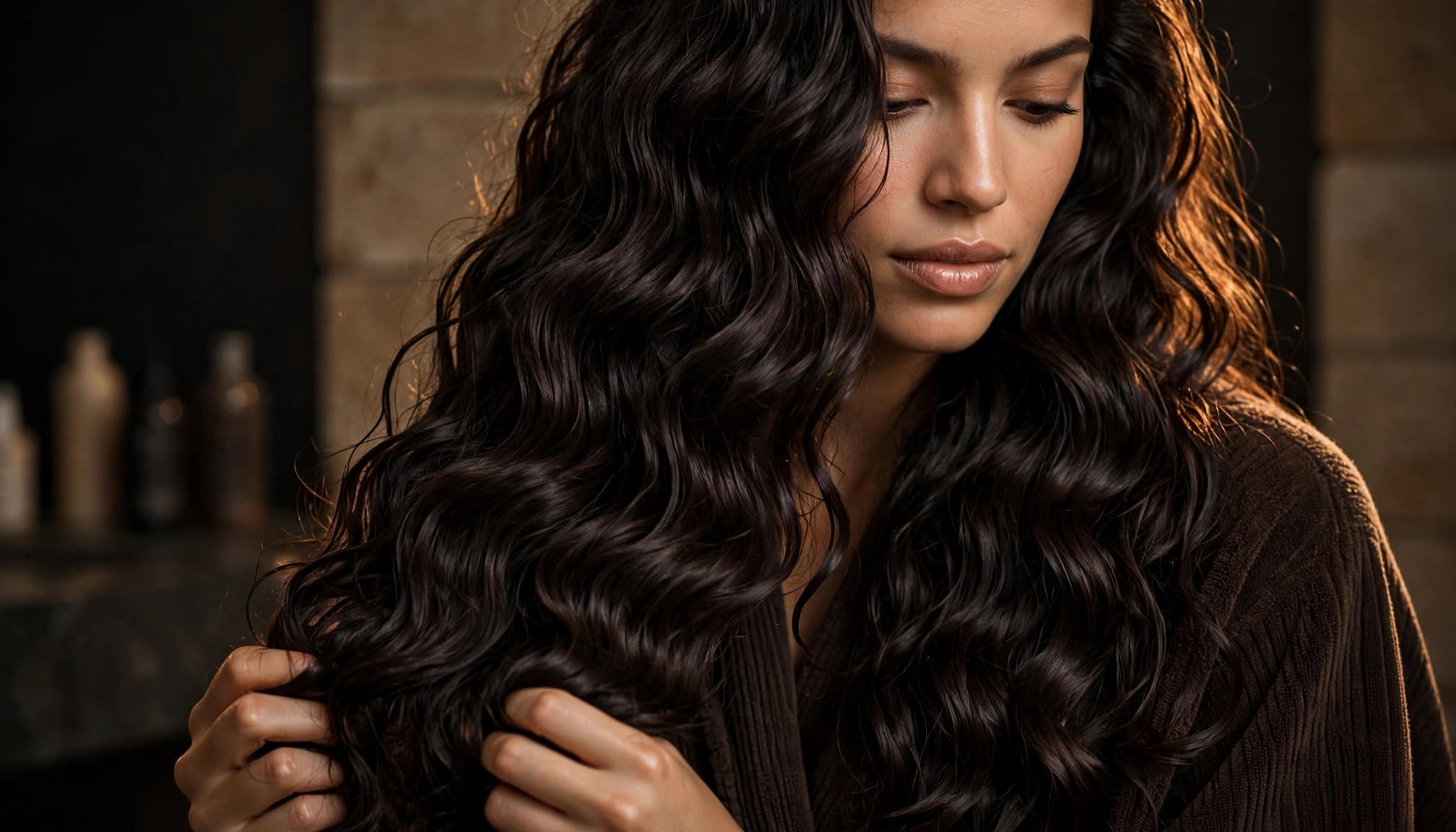
Cleanse the scalp and lengths gently
- Detangle visible knots with your fingers before washing. Avoid pulling at dry, compacted tangles.
- Saturate the hair with lukewarm water. Hot water can leave hair feeling dry, so keep the temperature comfortable.
- Apply a gentle, moisturizing shampoo mainly to the scalp and roots. Let the lather move through the lengths as you rinse rather than scrubbing the ends.
- Repeat only if the hair still feels coated with oil or styling product.
- Press out excess water with your hands before applying conditioner.
For wigs and extensions, support the hair near the weft or cap while cleansing. Do not pile long waves on top of the head, twist them tightly, or scrub them in circles.
Condition, detangle, and form the waves
Apply a slippery rinse-out conditioner through the lengths. While the conditioner is present, divide the hair into manageable sections and use your fingers or a wide-tooth comb. Start at the ends, then move upward toward the roots.
Hair is especially delicate when wet. The AAD recommends a wide-tooth comb instead of a brush for wet detangling, as explained in its healthy hair tips.
Rinse thoroughly. A rinse-out conditioner shouldn't remain in the hair as a leave-in product. The AAD notes that rinse-off conditioners may damage hair when left on, so use a separate leave-in conditioner if you need extra moisture.
After rinsing, gently squeeze the hair with a microfiber towel or soft cotton T-shirt. Then apply a small amount of lightweight leave-in conditioner or curl lotion. Scrunch upward with open hands, allow the wave groups to form, and let the hair air-dry when practical.
How to Refresh Deep Wave Curls Between Washes
A refresh should restore softness and shape, not restart the entire styling process. Too many layers can create the same heaviness as an overfilled routine.
Use water before adding more product
Mist the hair lightly with water or dampen your hands. Smooth over flattened areas, then scrunch the lengths upward. Give the hair a few minutes to absorb the moisture before deciding whether it needs product.
If the ends still look dry, rub a pea-sized amount of lightweight curl cream between your palms and press it into the lower lengths. Avoid applying a large amount directly to the crown, where buildup can make the waves look flat.
For a natural deep wave style, reshape only the sections that need help. Reworking every strand each morning increases handling and can create frizz.
Use low-manipulation styling
Air-drying, loose sectioning, and gentle scrunching usually disturb the wave pattern less than repeated brushing. If a section tangles, separate it with your fingers while damp. Never drag a comb through a dry, fully formed wave unless you plan to restyle the entire head.
A spray bottle can help distribute moisture, but it doesn't replace cleansing when the scalp feels dirty or the hair has heavy buildup. Refreshing should keep the style wearable between washes, not conceal residue indefinitely.
Heat, Tools, and Buildup Safety
Heat can change the appearance of deep wave hair and may increase dryness or breakage when used carelessly. Human-hair wigs and extensions may tolerate heat differently depending on their processing, density, construction, and condition.
Protect the pattern before using heat
Use heat only when you have a clear styling reason. A diffuser on a low or moderate setting can help dry damp waves, but keep the airflow moving and avoid holding heat in one area. A blow-dryer nozzle pointed directly at the hair for too long can roughen the surface and disturb definition.
If you use a curling iron or flat iron, apply a heat protectant made for that tool and follow the product directions. Work with small sections and avoid repeated passes. Never use a hot tool on wet hair unless the tool is specifically designed for that purpose.
The AAD's guidance on hair habits that cause damage is useful when deciding which styling habits to reduce.
Remove buildup without over-cleansing
A clarifying shampoo can help when ordinary washing no longer removes residue, but use it carefully. Follow with a moisturizing conditioner, and avoid clarifying simply because the waves look slightly dull after one day.
Heavy oils may add shine at first, yet they can attract dust and make later cleansing more difficult. Choose products with a light texture and use the smallest amount that gives the finish you want.
Night Care and Safe Storage
Sleep can flatten deep waves through friction, pressure, and movement. Night protection won't guarantee a particular number of wear days, but it can reduce unnecessary handling while the hair rests.
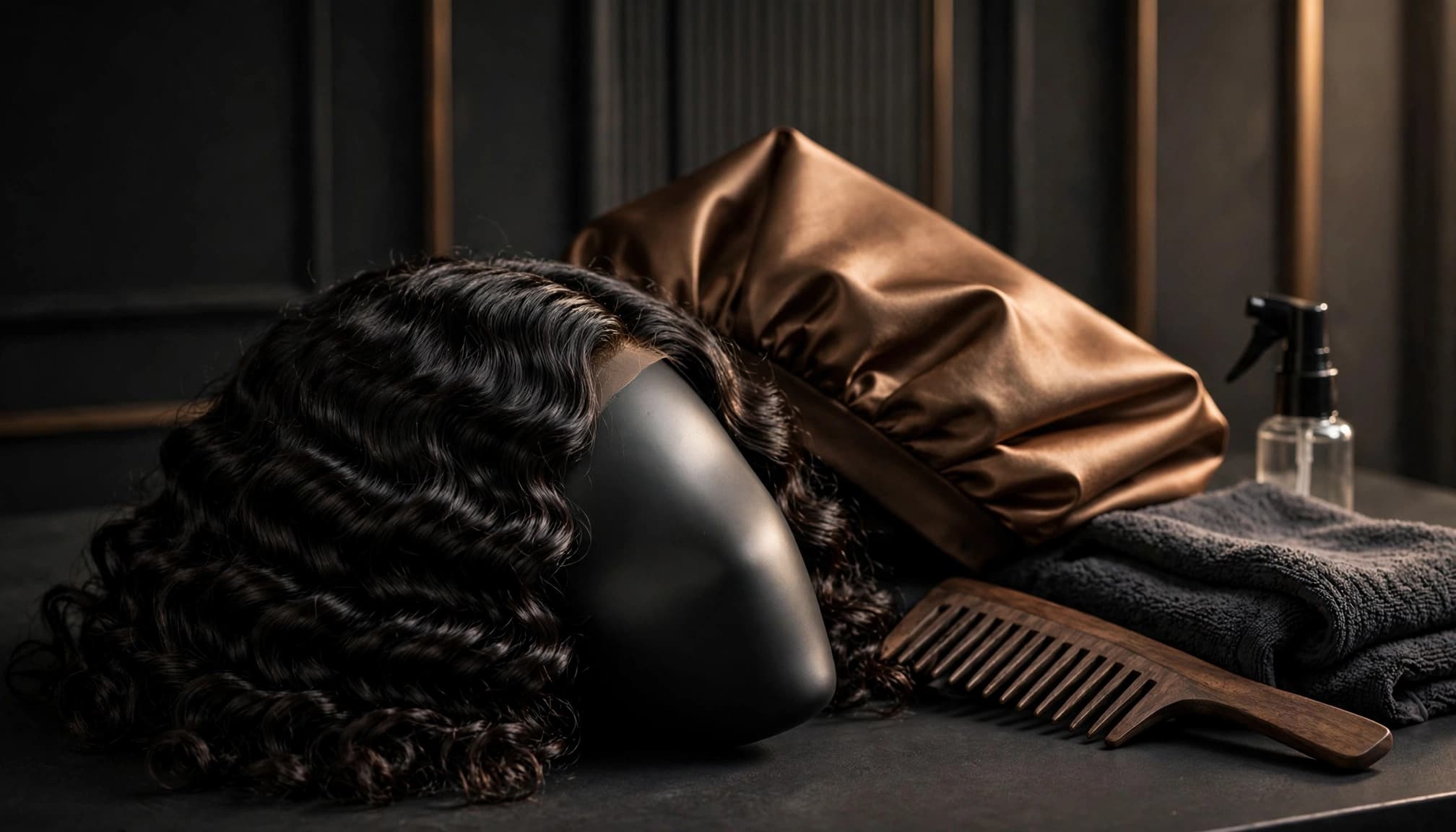
Protect the hair from friction
Before bed, make sure the hair is dry. Sleeping on damp hair can encourage tangling and can leave the wave pattern compressed in uneven sections. Gently finger-detangle the ends, then gather the hair loosely or place it in a few large, relaxed sections.
A satin or silk bonnet and a smooth pillowcase can reduce rubbing. The covering should fit comfortably without squeezing the hairline or flattening the crown. Avoid tight ponytails, small elastics, and firm braids that leave sharp bends in deep waves.
If the hair is a wig, remove it when practical and place it on a suitable mannequin head or stand. Keep the waves spread rather than crushed under clothing, bedding, or other items.
Store wigs and extensions according to their construction
A removable wig needs ventilation and support. Keep it away from direct heat, moisture, and crowded storage spaces. For bundles, protect the wefts from snagging and avoid folding the hair into tight, repeated creases.
If you prefer a low-manipulation option, Luxegan lists a 200% density glueless deep wave wig with 13x6 or 13x4 frontal options and a 6x4 glueless closure option. Those construction details describe that listing only, so follow the care instructions supplied with the specific wig you purchase.
Shop Deep Wave: Luxurious Texture, Effortless Volume
-
12A Deep Wave Remy Human Hair Bundles | 30 to 32 Inch Weft Extensions
Prezzo di listino $364.00 USDPrezzo di listino$0.00 USDPrezzo scontato $364.00 USD -
Beach Curl Crochet Hair | Bohemian Deep Wave Braids | 18 Strands per Pack
Prezzo di listino Da $14.00 USDPrezzo di listino$18.00 USDPrezzo scontato Da $14.00 USDIn offerta -
GoGo Curl Deep Wave Crochet Hair | 12 Inch | Synthetic
Prezzo di listino $62.00 USDPrezzo di listino$83.00 USDPrezzo scontato $62.00 USDIn offerta -
24 Inch Synthetic Anna Curl Crochet Hair | Pre-Looped Deep Wave
Prezzo di listino Da $115.00 USDPrezzo di listino$152.00 USDPrezzo scontato Da $115.00 USDIn offerta -
14–22 Inch Synthetic Deep Wave Crochet Hair | Afro Curl Braiding Extensions
Prezzo di listino Da $39.00 USDPrezzo di listino$53.00 USDPrezzo scontato Da $39.00 USDIn offerta -
26 Inch Synthetic Loose Deep Wave Crochet Hair | 300g 3-Piece Braiding Extensions
Prezzo di listino Da $131.00 USDPrezzo di listino$157.00 USDPrezzo scontato Da $131.00 USDIn offerta -
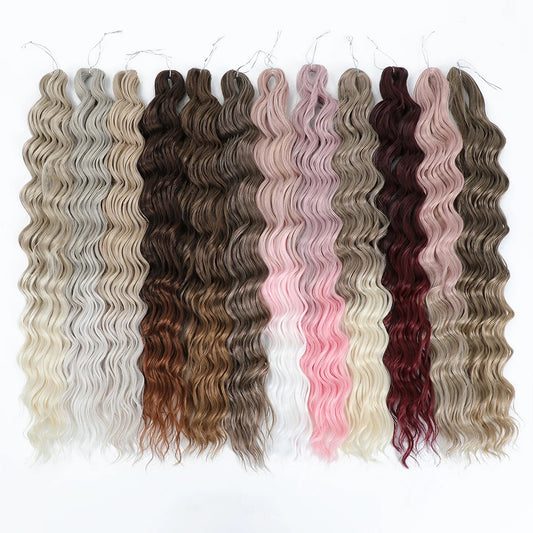
Deep Wave Twist Crochet Hair | Ombre Afro Curls Braiding Extensions | 18–24 Inches
Prezzo di listino Da $36.00 USDPrezzo di listino$48.00 USDPrezzo scontato Da $36.00 USDIn offerta -
NABI Miracle Knots Pre-Separated Crochet Human Hair – Pixie Curl | Burmese Curl | Deep Wave | 14–24 Inch | Boho Braids
Prezzo di listino Da $186.00 USDPrezzo di listino$0.00 USDPrezzo scontato Da $186.00 USD






Choosing Deep Wave Hair That Fits Your Routine
Hair care starts before installation. Length, density, fiber type, lace construction, and the way you plan to wear the style all affect how much handling it will need.
Compare the details that affect maintenance
Longer hair usually needs more careful detangling because the ends encounter more friction. High-density styles can also take longer to dry and may need smaller wash sections.
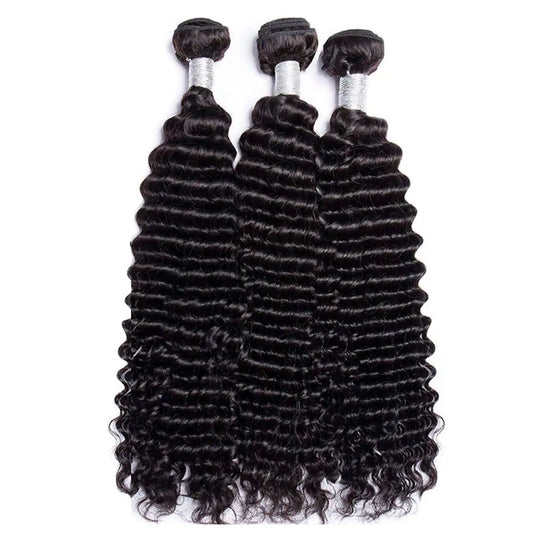
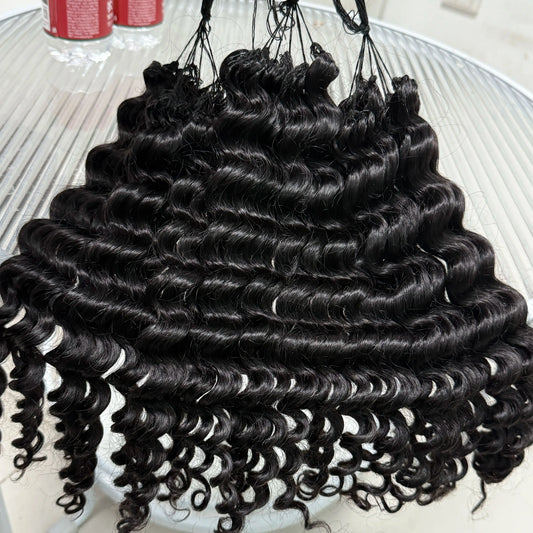
For example, Luxegan's Brazilian deep wave Remy hair bundles listing specifies 100% Brazilian Remy human hair, lengths from 8 to 32 inches, one to three bundle sets, and machine double weft construction. A different listing for 12A Malaysian deep wave hair bundles specifies 100% human hair, 30 to 32 inches, and machine double weft construction.
These details help you plan, but they don't replace the seller's care instructions or tell you how your hair will respond to styling.
Match the style to your handling habits
If you brush often, sleep in your hair, or change styles frequently, a shorter or moderate-density option may be easier to maintain. If you want a dramatic look, plan for more drying time and gentler section-by-section detangling.
Luxegan's chocolate brown deep wave HD lace wig listing specifies 250 density, a 13x6 or 13x4 lace frontal, and a length of 26 inches or more. With a style like that, support the cap during washing and keep the long lengths separated while drying.
Key Takeaways for Defined Waves
- Wash deep wave hair when your scalp and lengths need cleansing, rather than following a rigid schedule.
- Detangle while wet and conditioned, starting at the ends with your fingers or a wide-tooth comb.
- Use lightweight, water-based products in small amounts to limit buildup.
- Refresh with water and gentle scrunching before adding more styling product.
- Keep wet hair away from hot tools, and use heat protectant when heat styling is necessary.
- Sleep with the hair dry and loosely arranged under a smooth covering.
- Store removable wigs on a supportive stand, away from heat and crowded spaces.
Deep Wave Hair Care FAQ
Can I brush deep wave hair every day?
Daily brushing can loosen the wave pattern and increase frizz, especially when the hair is dry. Use your fingers to separate small tangles, or detangle while the hair is wet and coated with conditioner. A wide-tooth comb is usually gentler than a dense brush for wet hair.
How much product should I use?
Start with a small amount, such as a pea-sized portion for the lower lengths, then assess the result after scrunching. Fine hair and low-density styles may need less. Long or dense hair may need more, but add product in layers instead of applying a large amount at once.
Can I sleep in a deep wave wig?
You can, but removing a wig before sleeping reduces friction and allows the cap and hairline to rest. If you sleep in it, make sure the hair is dry, secure it loosely, and use a satin or silk covering that doesn't press tightly against the waves.
How often should I use heat?
Use heat only when needed, because frequent exposure can make hair dry and weaken the surface. Keep the setting moderate, use heat protectant, and limit repeated passes. A product listing may say human hair can be heat styled, but that doesn't guarantee damage-free styling under every condition.
Conclusion
Defined waves come from gentle consistency, not a heavy collection of products. Cleanse when needed, condition without residue, detangle while wet, reshape with water, and protect the hair from heat, friction, and rough handling.
The best deep wave hair care routine is one you can repeat without fighting the pattern. When each wash, refresh, and bedtime step preserves the shape instead of disturbing it, your curls have a better chance to stay soft, separated, and polished.