

Full lace vs 360 lace wigs for updos and ponytails
Choosing between full lace vs 360 lace wigs matters most when high ponytails and updos are your go-to styles. Both cap types can create a realistic hairline, but lace placement changes how far you can lift, part, and secure the hair.
A full-lace cap gives you the broadest styling range, while a 360 unit offers a natural perimeter with a more structured center. Your choice depends on ponytail height, installation method, budget, and how much tension your natural hair and lace can handle. Start with construction, then compare the styling tradeoffs.
How lace coverage changes your styling range
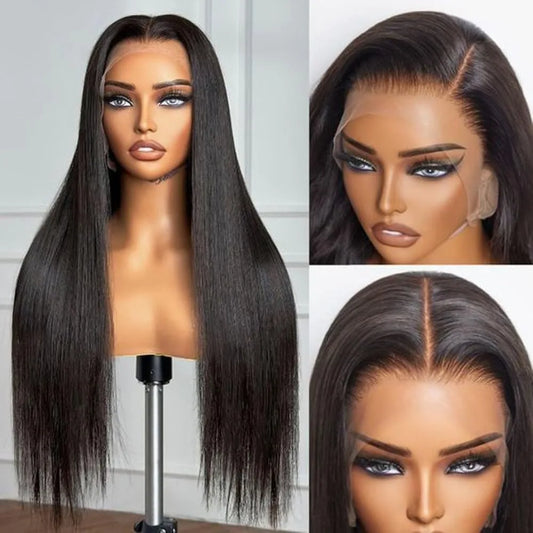
A full lace wig has lace across the entire cap. Hair is typically ventilated throughout that base, so you can create a part in many directions and expose more of the crown, sides, or back. This construction works well for styles that pull every strand away from the face.
A 360 lace wig has lace around the perimeter, including the front, sides, and back. The center commonly uses wefts or another structured cap material. You get a natural-looking hairline around the head, but the crown and center may not offer the same freedom as a full-lace design.
That difference matters when you want a very high ponytail. Lifting the hair can expose the center construction on a 360 unit, especially when the wig has lower density or a close-fitting cap. A carefully placed low or mid-height ponytail usually creates fewer problems.
Neither option automatically guarantees a perfect updo. Hair density, wig length, cap size, lace color, and construction all affect the result. A long, heavy ponytail also puts more force on the wig than a short, loose bun.
Full lace vs 360 lace wigs: side-by-side comparison
This quick comparison shows where each construction has an advantage.
| Feature | Full lace wig | 360 lace wig |
|---|---|---|
| Lace coverage | Lace covers the full cap | Lace follows the cap perimeter |
| Parting freedom | Broad freedom across the top and sides | More freedom around the perimeter, less in the center |
| High ponytails | Best for high, lifted styles | Possible, but the center may limit placement |
| Low ponytails | Works well | Works well and often looks natural at the back |
| Complex updos | Strong choice for buns and swept-up styles | Works best with strategic placement |
| Typical cost | Often higher because of the larger lace base and hand-tied work | Often more affordable than full lace |
| Glueless availability | Available in fitted designs with bands or straps | Common, but fit still matters |
| Main concern | Delicate lace and higher maintenance | Visible cap or wefts when hair is lifted too far |
When comparing full lace vs 360 lace wigs, the main question is where you want your hairline and part to remain visible. Full lace offers more control across the whole head. A 360 design gives useful perimeter coverage without requiring lace over every section.
Which wig works best for high ponytails and updos?
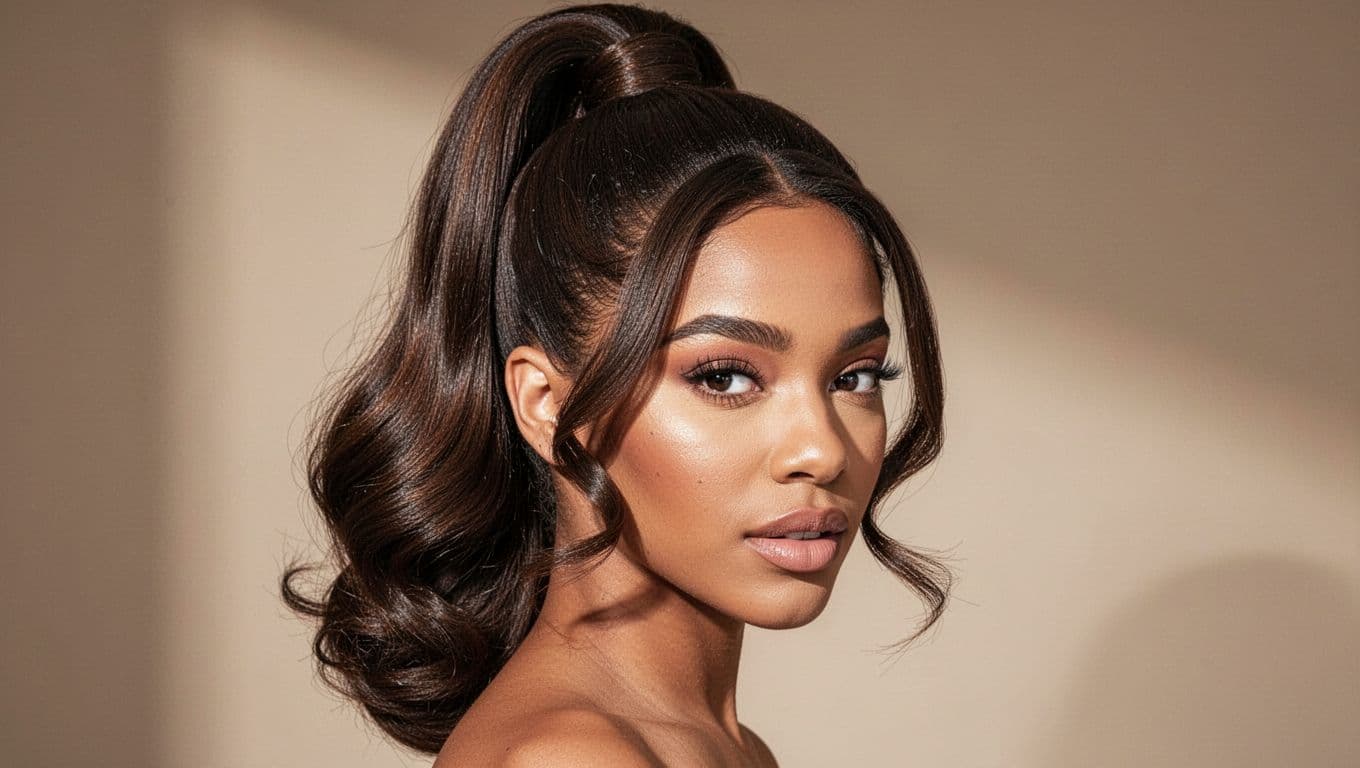
High ponytails and lifted buns
A full lace wig is usually the safer choice for a high ponytail, top knot, or sleek ballerina bun. Since the lace extends over the crown, you can lift the hair without immediately revealing a wefted center.
This extra freedom helps when your style needs a clean finish at the front, sides, and top. You can also shift the part or create a more sculpted shape without working around a fixed cap section.
A 360 unit can still support a high ponytail, but inspect the center construction before buying. The style may work when the ponytail is not extremely high, the crown has enough density, and the cap stays smooth. Avoid pulling the entire length into a tight, heavy bundle.
Lower ponytails and half-up styles
For low and mid-height ponytails, a 360 lace wig can be an excellent fit. The lace at the back creates a more natural-looking nape, while the perimeter allows you to sweep the hair away from your face.
Half-up styles, loose buns, and side ponytails also tend to suit this construction. They leave more of the center covered, so the structured part of the cap stays hidden.
Human hair gives you more control when you want to curl, straighten, or reshape the wig. Synthetic hair can hold its original style well, but standard synthetic fibers can melt or deform under heat. Only use hot tools when the product listing identifies the wig as heat-friendly, and follow the maker's temperature guidance.
A natural-looking hairline cannot compensate for a ponytail that pulls on the lace or your edges.
Installation matters as much as the wig type
A properly installed wig can look more secure and polished, but installation doesn't remove the physical limits of lace, hair, or skin. The foundation underneath must sit flat without painful braids or excessive pressure.
For an adhesive installation, the stylist usually secures the lace to the skin along the hairline. The lace should be trimmed carefully, and the adhesive must follow the product's application and removal instructions. A professional install can improve stability during an updo, yet a tight ponytail can still stress the lace and natural hair.
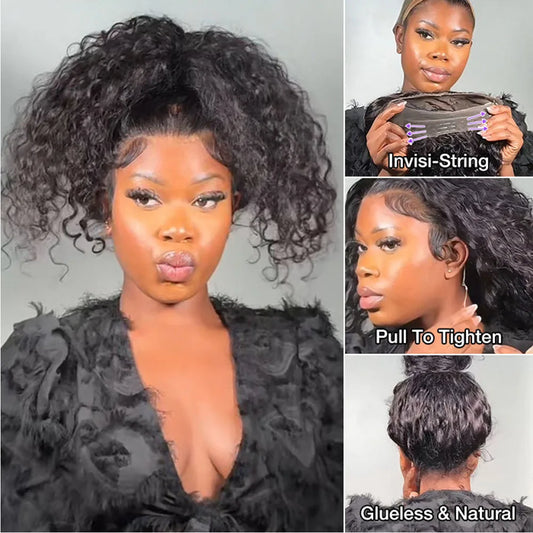
Glueless options use features such as adjustable straps, an elastic band, combs, or a wig grip. They are convenient for regular removal and may suit people who prefer less adhesive near the hairline. However, a glueless wig can shift when you pull the hair sharply upward, especially if the cap is too large or the band is too loose.
A wig grip can reduce sliding, but it shouldn't feel tight enough to cause headaches. Combs should sit comfortably and avoid snagging delicate edges. For an active day, a lower ponytail and moderate tension are often more reliable than a very high, sleek style.
Shop Full Lace Wig
-
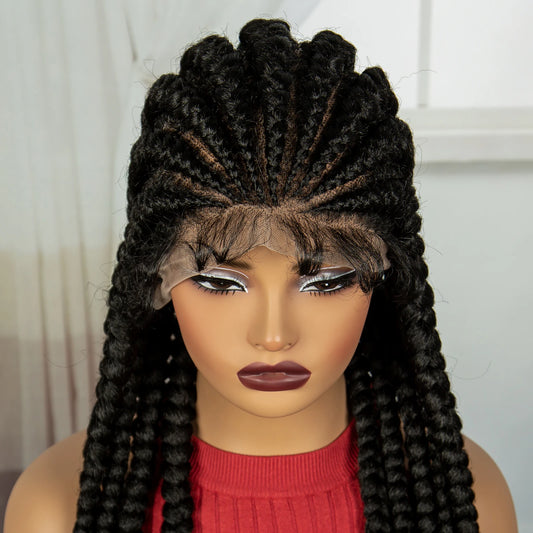
36 Inch Knotless Box Braids Cornrow Wig | 360 Full Lace | Square Parts
Prezzo di listino Da $177.00 USDPrezzo di listino$202.00 USDPrezzo scontato Da $177.00 USDIn offerta -
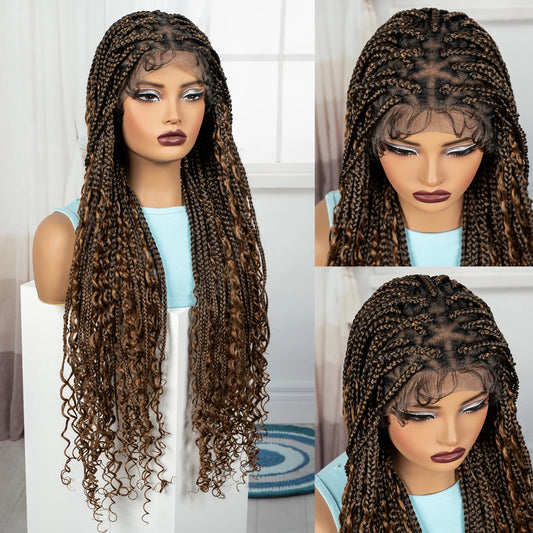
36 Inch Knotless Box Braided Wig with Curly Ends | Full Lace Boho Braided Wig | 5 Colors
Prezzo di listino $163.00 USDPrezzo di listino$186.00 USDPrezzo scontato $163.00 USDIn offerta -
Synthetic Full Lace Cornrow Braided Wig – 32 Inch | Knotless Braids | Baby Hair | Transparent Lace | #1B
Prezzo di listino $251.00 USDPrezzo di listino$287.00 USDPrezzo scontato $251.00 USDIn offerta -

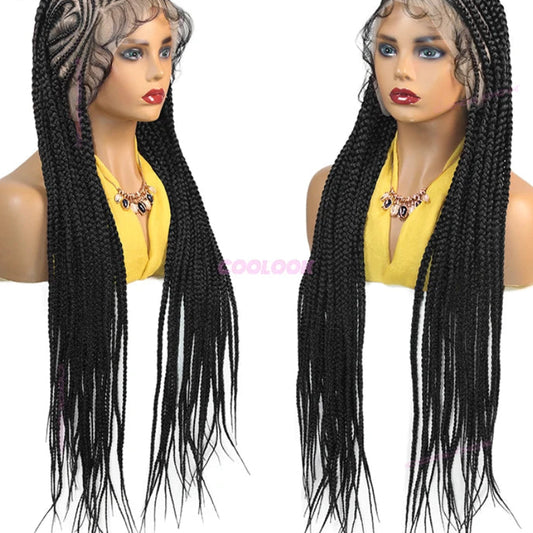 In offerta
36-Inch Full Lace Knotless Box Braid Wig
Prezzo di listino $254.00 USDPrezzo di listino$290.00 USDPrezzo scontato $254.00 USDIn offerta -
36 Inch Square Knotless Box Cornrow Wig | Full Lace Frontal
Prezzo di listino $234.00 USDPrezzo di listino$267.00 USDPrezzo scontato $234.00 USDIn offerta -
34 Inch Knotless Box Braiding Cornrow Wig | Full Lace | Kanekalon
Prezzo di listino $212.00 USDPrezzo di listino$243.00 USDPrezzo scontato $212.00 USDIn offerta -
Premium 30-Inch HD Full Lace Deep Wave Human Hair Wig | 360 Invisible Drawstring Glueless Frontal Wig | 100% Brazilian Remy Water Wave Lace Front Wig for Women (Transparent Swiss Lace)
Prezzo di listino Da $221.00 USDPrezzo di listino$0.00 USDPrezzo scontato Da $221.00 USD -
Glueless Wigs HD Human Hair Lace Frontal Wig Ready To Wear Bone Straight 13x4 Full Lace Front Human Hair Multi Parting Cleanranc
Prezzo di listino Da $150.00 USDPrezzo di listino$0.00 USDPrezzo scontato Da $150.00 USD






Protecting natural hair and lace during high-tension styles
Repeated pulling can cause breakage and may contribute to traction alopecia, a form of hair loss linked to ongoing tension. Pay attention to soreness, bumps, itching, or thinning around the edges. These signs mean you should loosen or remove the style rather than cover the discomfort.
Use these habits when wearing a ponytail or updo:
- Prepare your natural hair with loose cornrows, flat twists, or another low-tension base. The braids should lie flat without pulling at the temples or nape.
- Start with clean, fully dry hair and a comfortable wig cap. Trapped moisture can irritate the scalp and make the wig harder to secure.
- Keep the ponytail moderate in size and tension. A fabric-covered elastic is gentler than repeatedly tightening a thin elastic around the hair.
- Secure the wig hair instead of pulling on the lace edge. When possible, anchor the style through the wig's own hair and cap structure.
- Vary the ponytail position. Wearing a high, tight style every day stresses the same areas of the lace and hairline.
- Remove an adhesive wig with the correct remover. Saturate the bonded area as directed, then support the lace with both hands instead of peeling it quickly.
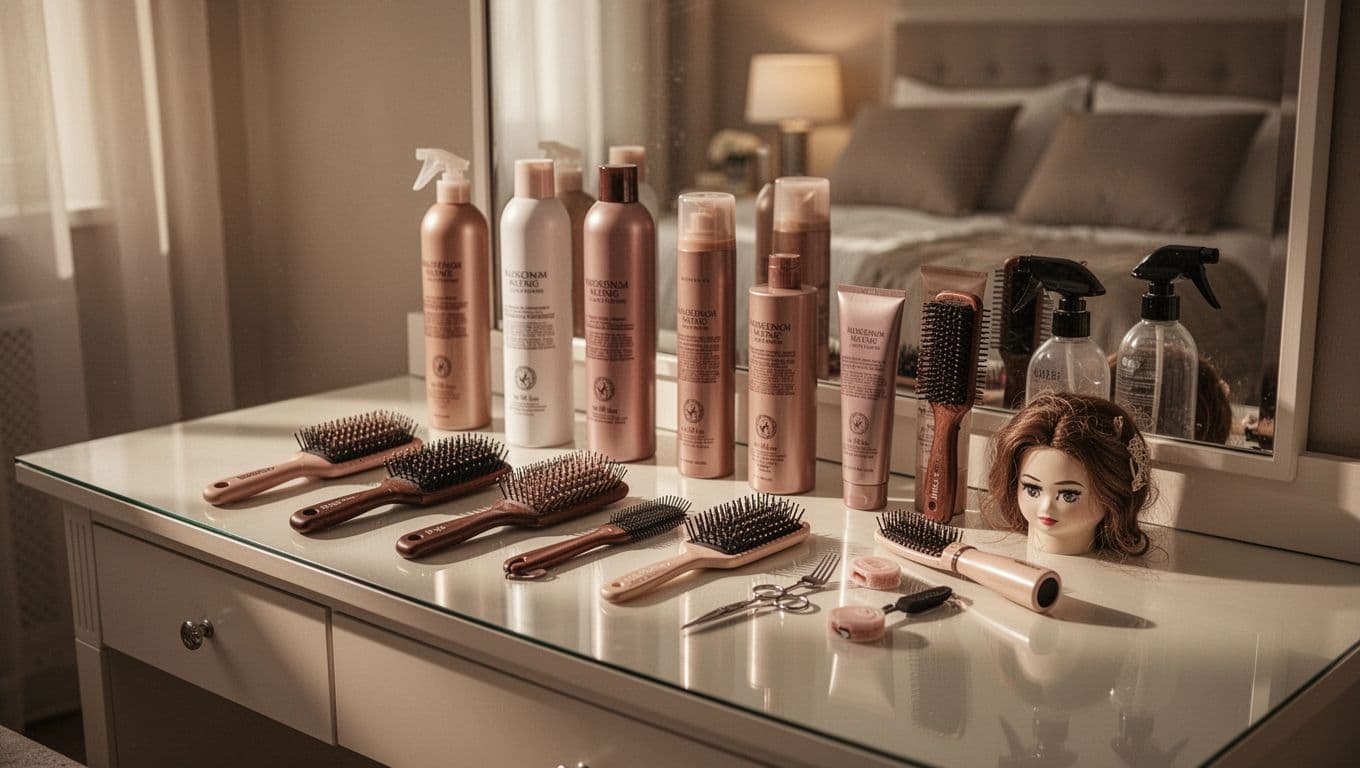
- Detangle from the ends upward with a wide-tooth comb or soft brush. Hold the lace near the base so the knots and ventilation points don't bear the pulling force.
- Store the wig on a stand or in a satin bag after it dries completely. Keep it away from direct heat, dust, and anything that can snag the lace.
Take extra care with thin lace and pre-plucked hairlines. These features can look natural, but aggressive brushing, frequent glue buildup, and rough removal can shorten the unit's useful life.
How to choose the right cap for your routine
Choose a full-lace unit if you regularly wear high ponytails, high buns, side-swept updos, or styles that expose the crown. The higher purchase price may make sense when you need maximum parting freedom and plan to style the wig often.
A 360 lace wig suits shoppers who prefer low or mid-height ponytails, half-up styles, and a natural-looking back hairline. It can also be a practical choice when you want perimeter lace with a more structured center and a lower typical cost.
Before ordering, check the product details instead of relying on the name alone. Look for the lace coverage, cap measurements, hair density, fiber type, adjustable features, and whether the wig is designed for glueless wear. A listing labeled "lace front" isn't the same as a 360 lace or full-lace wig.
Consider your removal routine, too. A glueless unit may fit everyday wear better if you want to take the wig off regularly. An adhesive installation can provide more hold for a wedding or formal event, but it requires careful preparation and removal.
Conclusion
Full lace vs 360 lace wigs isn't a contest with one universal winner. Full lace gives you greater freedom for high ponytails and exposed-crown updos, while 360 lace offers perimeter versatility for lower styles and everyday wear.
Choose the cap that matches your real styling habits, not the most dramatic photo in a product listing. A secure fit, moderate tension, and gentle removal will protect both the wig and your natural hair, so your updo looks polished without sacrificing comfort.