
How to Choose Hair Extension Weight for Natural-Looking Volume
The right hair extension weight can add fullness without making your natural hair feel overloaded. But grams alone don't tell you how an install will look or feel: length, texture, method, and your hair's condition all matter.
If you're choosing extensions for the first time or adding volume to a familiar style, compare the complete set weight and how it's attached. Start with the trade-offs, then narrow down a weight with a stylist.
Understand what hair extension weight means
Extension weight is the amount of hair in a product, usually listed in grams. It might describe one strand, one bundle, a pack, or a complete set. Those measurements aren't interchangeable, so check exactly what the product listing weighs.
Compare the same unit
For example, Luxegan lists its Brazilian body wave bundle at 100 g (±5 g) per bundle. That figure describes one bundle, not necessarily all the hair needed for a full install. Other products may list total pack weight or grams per strand.
Before comparing options, look for the number of pieces or bundles included and the weight for each. If a listing says "100 g set," don't assume it contains a 100 g bundle for every piece.
Grams don't describe the whole look
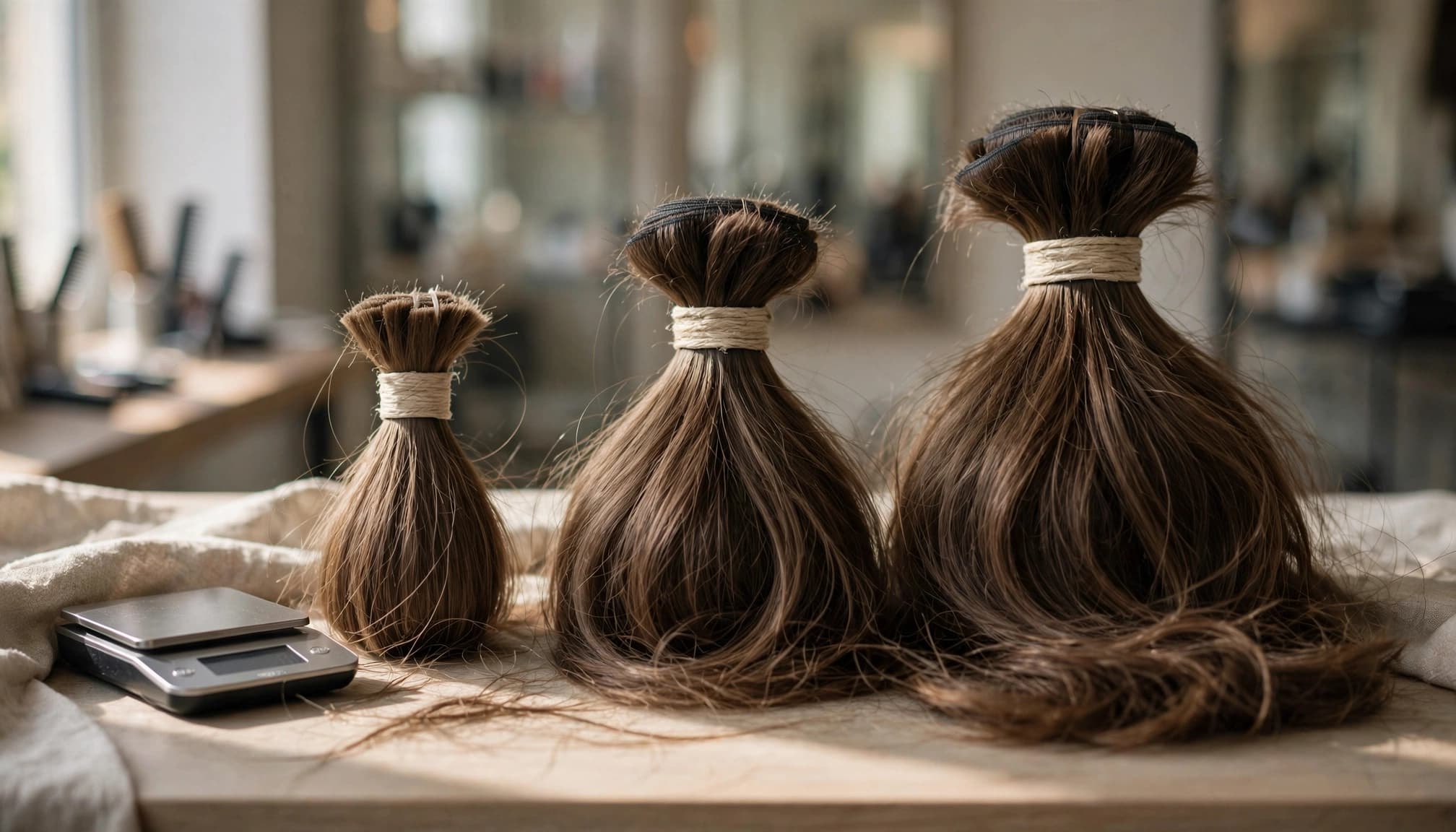
Weight gives you a useful point of comparison, but it doesn't specify how thick the hair looks from roots to ends. Length, texture, and construction also affect appearance. A longer set may need more hair to create a similar impression of fullness, while a wave or curl pattern can look fuller than straight hair at the same listed weight.
So compare products with similar lengths and textures whenever possible. A 100 g body wave hair bundle is a helpful product-specific reference, not a universal amount for every style.
Match weight to your volume goal
Decide whether you want a subtle boost, a fuller silhouette, or both more volume and length. A small amount may blend naturally with fine hair, while dense natural hair may need more extension hair to avoid a noticeable difference between the added pieces and your own.
Natural fullness or a more dramatic finish
For a soft change, aim for extensions that bring your hair closer to the fullness you want without dramatically outnumbering your natural strands. If you're seeking a more pronounced look, extra weight may help, but the attachment points still need to suit your hair.
A stylist can assess your hair's density and the area where you want fullness. That matters because adding hair around the sides or crown creates a different result from concentrating it at the back.
Account for length
Longer extensions can need more hair to maintain fullness along their length. Hair Extensions By Nature, for example, recommends 200–300 g for sew-ins up to 16 inches, 300–400 g at 18–22 inches, and 400–500 g at 24–28 inches. These are that guide's ranges, not a rule for every method or head of hair.
Use such recommendations to frame a consultation, not to set your order automatically. For additional context, see this hair extension weight and length guide.
Compare weight by extension method
A gram total only makes sense when you know how the hair is sold and installed. Clip-ins, wefts, tape-ins, and keratin strands use different units, so compare product specifications within the same method.
| Method or product | Example weight information |
|---|---|
| Clip-ins | Cossfo lists sets from 100 g at 16 inches to 260 g at 26 inches. |
| Sew-in wefts | Hair Extensions By Nature recommends 200–300 g up to 16 inches, rising with longer lengths. |
| Tape-ins | Cossfo lists 2.5 g per piece; Hair Extensions By Nature gives 2.5–3.5 g per piece. |
| Keratin strands | Cossfo lists individual strands at 0.5 g, 0.8 g, or 1.0 g. |
These examples come from different companies and aren't direct comparisons. Check the set's total weight and count, then ask whether the recommendation suits your desired result and installation.
Wefts and sew-ins
With wefts, bundle weight and length help you estimate how much hair you're buying. Luxegan lists some 100 g bundles for a full sew-in, but the number of bundles needed still depends on the style, length, and wearer.
For braiding styles, pay attention to how the product defines a pack. Luxegan's deep wave bulk human hair for braids is sold in several weight options, illustrating why "one pack" doesn't mean the same amount across products.
Clip-ins, tape-ins, and keratin strands
Clip-in sets often give you a total weight for the full set. Cossfo's examples range from 100 g at 16 inches to 260 g at 26 inches. That schedule applies to its listed products, so don't assume another brand follows the same pattern.
Tape-ins and keratin strands divide the hair into smaller pieces. A piece count alone doesn't show total weight, and per-piece weights vary by seller. When comparing a method, read the manufacturer's full specifications and consult the stylist who will install it. Queen's Soul Hair's weight guide offers another set of method-specific recommendations.
Choose a starting point for your hair type
Hair type can help you narrow your options, but it shouldn't dictate one fixed gram amount. A stylist should also consider length, density, texture, and whether your hair is strong enough for the chosen method.
For fine hair, start conservatively and prioritize a light, natural blend. Heavy extensions or a high-density set may feel uncomfortable or put more demand on delicate sections. Your stylist may suggest a lighter set or a method that suits your hair and desired style.
With medium-density hair, a moderate weight may blend more easily, but the right amount still depends on the target length and look. Bring a photo of the finish you want and discuss whether you're adding volume, length, or both.
For thick hair, more extension hair may be needed to match your natural density. Still, thick hair doesn't automatically mean it can support any amount or attachment method. The hair's condition and the placement of the extensions matter as much as density.
Balance fullness with comfort and hair health
Extensions add weight to your natural hair, and the attachment method determines how that load is distributed. If the set feels persistently tight, painful, or heavy, ask a stylist to assess the fit rather than trying to tolerate it.
Watch for strain
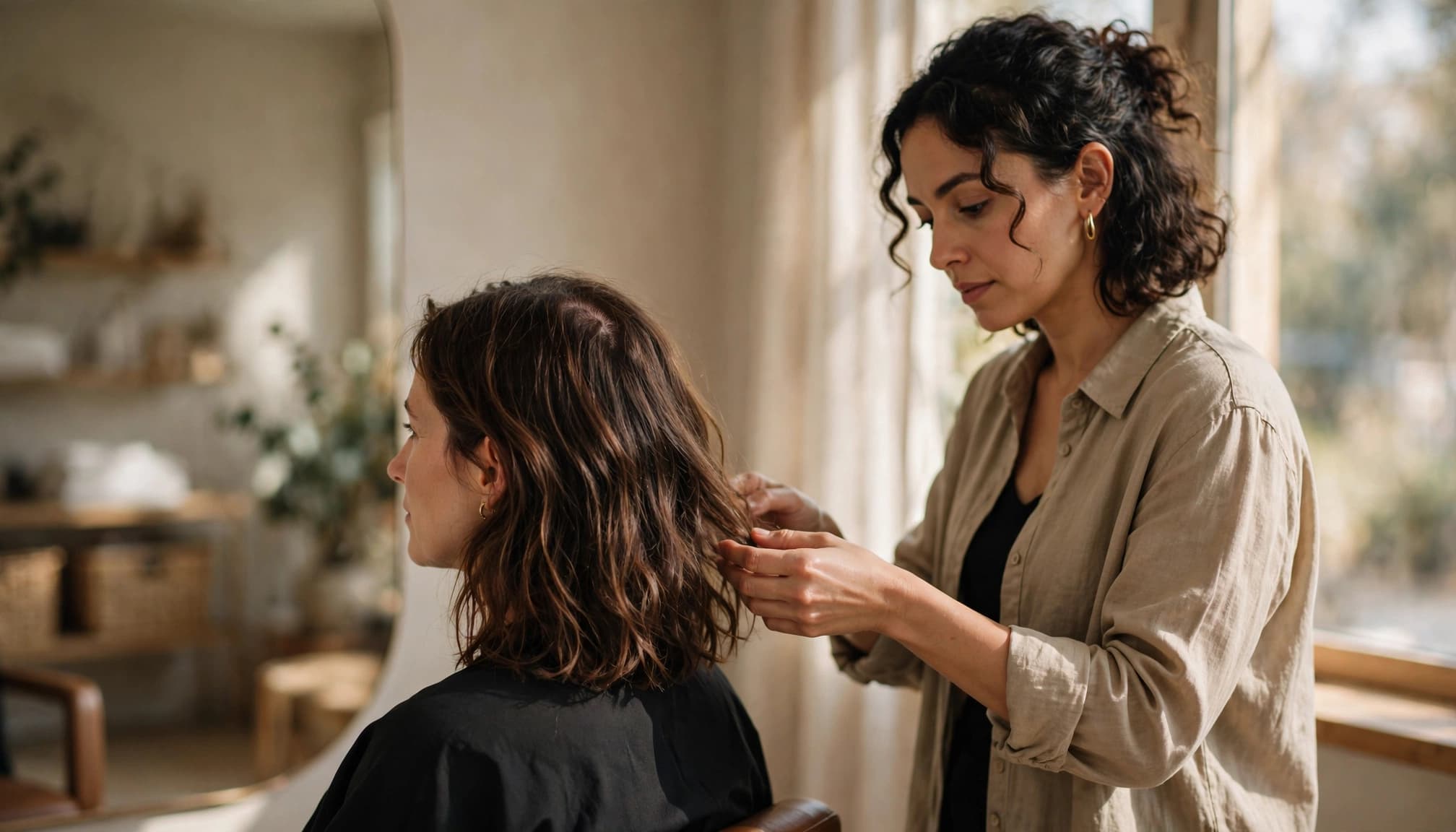
Pain, tenderness, or irritation around attachment points are reasons to check in with your stylist. Also pay attention to breakage or thinning near areas under tension. The American Academy of Dermatology warns that hairstyles that pull can contribute to hair loss, and advises people diagnosed with traction alopecia to stop wearing styles that stress their follicles. Its advice doesn't set a safe gram limit for extensions.
Read the AAD's guidance on hairstyles that pull and hair loss. If you notice ongoing symptoms or hair loss, consult a dermatologist.
Consider your hair's current condition
Your natural hair's strength can change over time. Recent chemical services, breakage, or fragile areas may affect what your hair can comfortably support. Tell your stylist about these factors before choosing a weight or method.
A lighter set can still provide visible fullness if it matches your natural texture and length. In contrast, adding a large amount to weak or stressed hair can make the style harder to wear comfortably. Choose for the hair you have now, not only the look you hope to create.
Shop Best Sellers
-
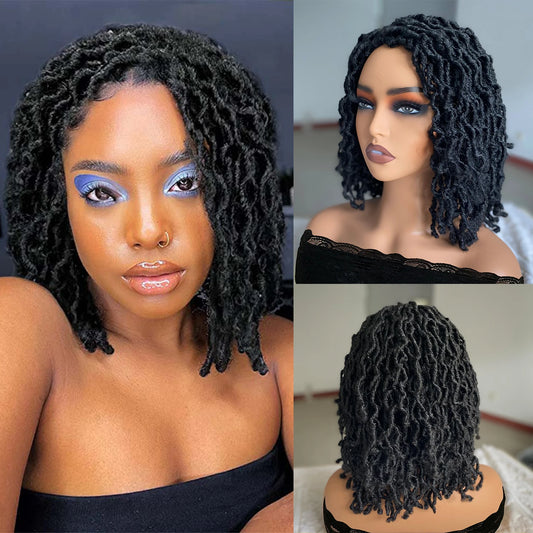
Short Goddess Faux Locs Wig | Brown Highlight Crochet Dreadlock Wig
Prezzo di listino Da $158.00 USDPrezzo di listino$190.00 USDPrezzo scontato Da $158.00 USDIn offerta -
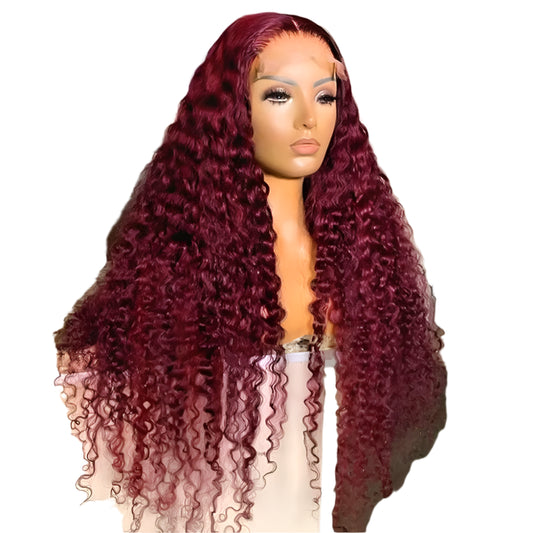
30 Inch Burgundy 99J Curly Human Hair Wig | 13x6 Lace Frontal | 200% Density
Prezzo di listino Da $257.00 USDPrezzo di listino$0.00 USDPrezzo scontato Da $257.00 USD -
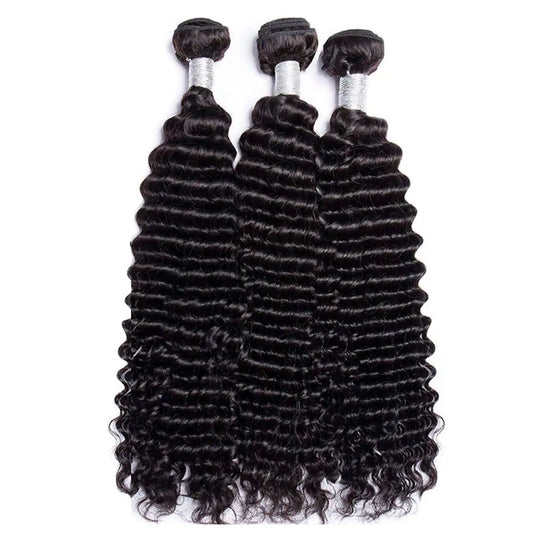
12A Deep Wave Remy Human Hair Bundles | 30 to 32 Inch Weft Extensions
Prezzo di listino $364.00 USDPrezzo di listino$0.00 USDPrezzo scontato $364.00 USD -
#350 Knotless Box Braids Wig | Short Lace Frontal Bob | Dark Ombre Ginger
Prezzo di listino $262.50 USDPrezzo di listino$0.00 USDPrezzo scontato $262.50 USD -
Short Afro Faux Dreads Wig | Synthetic Braided Wig for Men and Women
Prezzo di listino $90.00 USDPrezzo di listino$120.00 USDPrezzo scontato $90.00 USDIn offerta -
12A Raw Vietnamese Bouncy Wave Wig | 13x4 Lace Frontal | 250% Density
Prezzo di listino Da $242.00 USDPrezzo di listino$0.00 USDPrezzo scontato Da $242.00 USD -
Men's Wingtip Derby Shoes | Genuine Leather Colour Block Lace-Ups
Prezzo di listino $263.00 USDPrezzo di listino$301.00 USDPrezzo scontato $263.00 USDIn offerta -
Brazilian Human Hair 13x4 Lace Front Wig | Glueless, Pre-Plucked with Baby Hair
Prezzo di listino Da $99.00 USDPrezzo di listino$132.00 USDPrezzo scontato Da $99.00 USDIn offerta

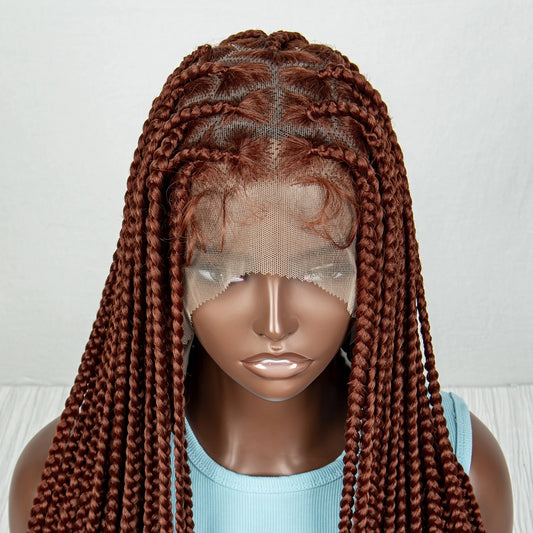
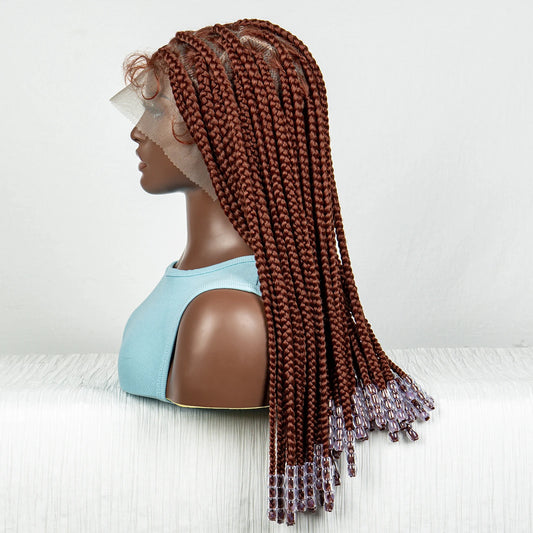


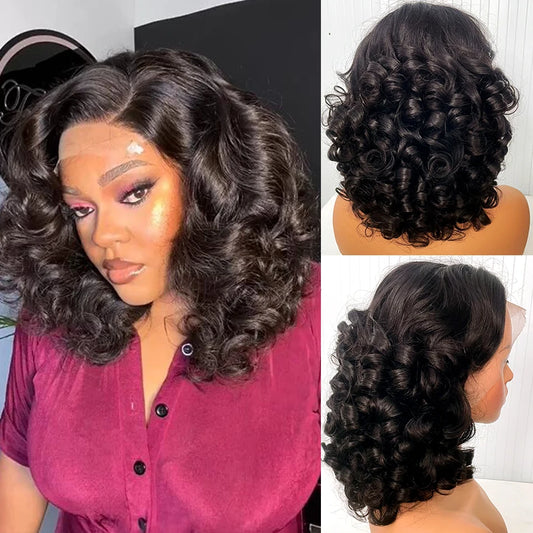
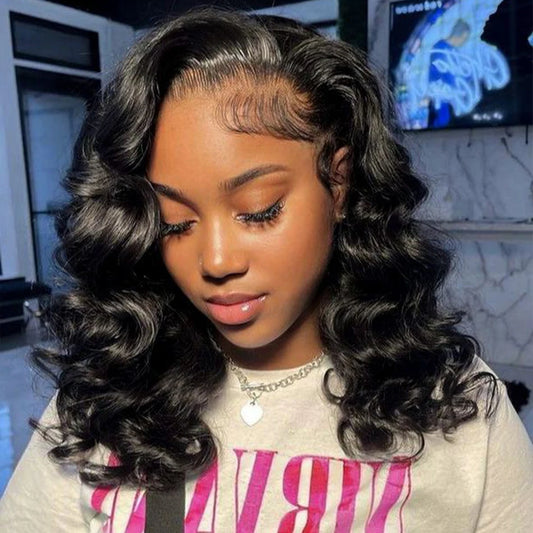


Check product details before ordering
Compare the product page with your stylist's recommendation before buying. Confirm the weight per piece or bundle, the total weight in the package, the length, and the method. If any of those details are missing, ask the seller to clarify.
Product ranges and labeling vary by brand and extension type. A 100 g bundle isn't the same as a 100 g full set, and a stated bundle count doesn't reveal weight unless the product lists it. Hair Extensions By Nature's weight guidance and brand examples can help you ask more specific questions, but your stylist's assessment should guide the final choice.
If you're between two weights, ask whether you can begin with the lighter option and adjust after seeing how it blends. A professional can check the result in person and make sure the volume suits both your style and your natural hair.
Key takeaways
- Compare the same unit: per strand, bundle, pack, or full set.
- Treat brand recommendations as product-specific, not universal gram rules.
- Consider length, texture, method, natural density, and hair condition together.
- Ask a stylist to help balance the volume you want with comfortable placement.
Frequently asked questions
Is heavier hair always fuller?
No. Weight can contribute to fullness, but length, texture, and construction also affect the final look. Compare similar products and check the set's total weight before deciding.
What weight should I choose for fine hair?
There isn't one correct gram amount for fine hair. A lighter set may be a sensible starting point, but a stylist should assess your hair's condition, the placement, and the method before recommending a specific weight.
Can extensions feel too heavy?
Yes. A set can feel uncomfortable if its weight or attachment method doesn't suit your hair. If you notice pain, persistent tightness, or breakage, contact your stylist and consider medical advice if hair loss or irritation continues.
Choose volume your hair can support
The right hair extension weight is the one that creates your preferred fullness while blending with your natural hair and feeling comfortable to wear. Use grams to compare like with like, then factor in length, method, and hair condition.
A stylist can help you turn product specifications into a realistic choice. That way, added volume complements your hair instead of placing unnecessary strain on it.