

How to Choose a Natural Knotless Box Braid Wig
A knotless box braid wig can give you a polished braided style without hours in a salon chair. However, the most attractive option isn't always the best choice for your head, routine, or budget.
Start by comparing the braid pattern, cap construction, hairline, density, and return terms. A realistic appearance matters, but comfort and fit decide whether you'll enjoy wearing the wig after the first try-on. Use the checks below before placing your order.
Start with the braid style you actually want
A good purchase begins with the look you plan to wear most often. Product photos can make every wig appear versatile, but length, braid size, and parting change the overall effect.
Compare length, braid size, and parting
Shorter braids usually feel lighter and need less detangling at the ends. Shoulder-length and bob styles can work well for daily wear, especially if you prefer a neat shape that doesn't brush against your clothing.
Longer braids create more movement and styling options, but they can add weight. A 26-inch style will feel and behave differently from a mid-back wig, even when both use the same braid pattern.
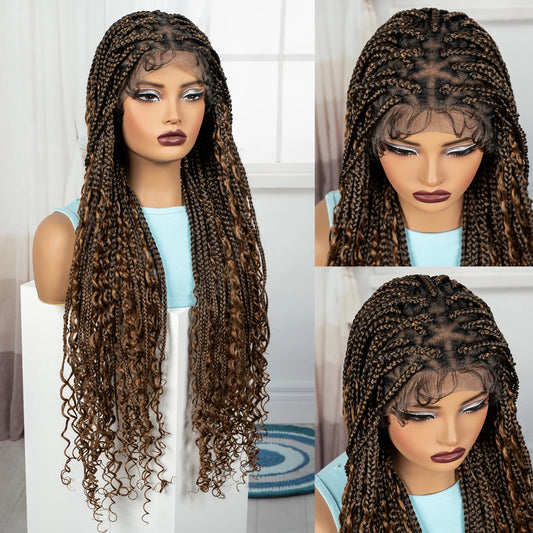
Also inspect the braid size. Small braids often look intricate and may offer more visible parting. Medium braids create a balanced appearance, while jumbo braids make a stronger style statement. Check whether the parting appears centered, side-swept, or fixed before buying.
Decide whether fiber type matters to you
Listings should clearly state whether the wig uses synthetic fiber, human hair, or a combination. Don't assume that a higher price automatically means better construction.
Synthetic hair may suit shoppers who want a ready-to-wear style at a lower cost. Human hair can offer a more natural feel and more styling flexibility, but the listing should explain exactly what type of hair it contains.
For comparison, one Luxegan product page describes a boho knotless braids ponytail wig as 26 inches or longer, made with 100% Brazilian Remy human hair, and designed with HD full lace. Those specifications apply to that product, not to every braided wig.
What makes a knotless box braid wig look natural?
A knotless box braid wig looks convincing when the hairline, braid spacing, and overall volume work together. Lace alone doesn't guarantee realism.

Inspect the lace and hairline
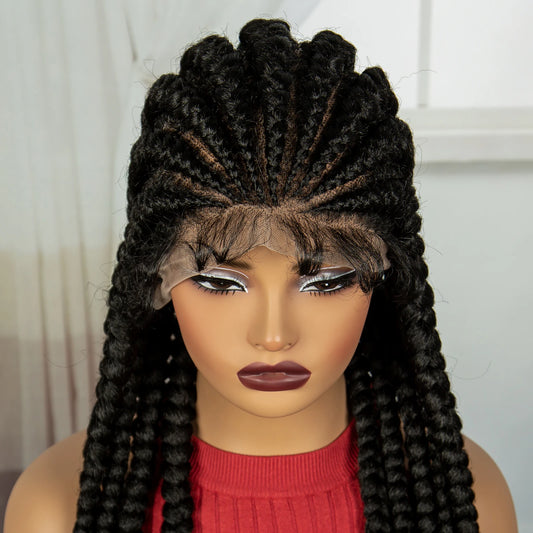
A lace front is a section of lace attached along the front edge of a wig. Individual hairs or braid bases can be attached near the lace to create the appearance of hair growing from the scalp. A full-lace wig uses lace across more of the cap, which may allow more parting and styling flexibility.
Look for close-up photos of the hairline rather than relying on a distant model image. Check whether the lace appears too dark, shiny, thick, or visibly raised. The part should also look proportionate to the braid size.
A pre-plucked hairline means the front has been shaped to look less uniform and dense. It may reduce styling work, but it doesn't guarantee that the hairline will match your preferences or complexion. Baby hair and bleached knots can improve realism in some designs, yet they remain product details rather than universal quality standards.
Check braid spacing and bulk
Knotless braids should look relatively smooth where each braid begins. Excessive bulk at the base can make the wig look more like a cap covered in attached braids than natural hair.
Study several photos, including side and back views. Consistent braid thickness usually creates a cleaner appearance. Uneven sections, loose ends, or heavy bunching near the crown may become more noticeable in person.
Color also affects realism. A single solid shade can look sleek, while blended colors, highlights, or curly ends create more visual movement. Choose the option that fits your usual wardrobe and maintenance habits rather than selecting the most dramatic photo.
Understand cap construction before you buy
Cap construction affects ventilation, security, parting, and how much of your natural hair you need to cover. Sellers don't always use these terms consistently, so read the description carefully.
Compare lace front, full lace, and basic caps
A lace-front cap can create a visible front hairline while the rest of the wig uses a different material. This design may provide a natural-looking front without offering unlimited parting throughout the cap.
A full-lace cap has lace across the main cap area. It may support more parting options, depending on the design and how the braids are attached. Full lace can also require more careful handling because the lace is delicate.
Some braided wigs use a standard cap with a fixed part or attached braids. This may be easier to wear, but the style will offer fewer changes. Check the product photos to see whether the part is fixed and whether the cap shows between braid rows.
Know what glueless means
A glueless wig is designed to stay in place without adhesive. It may use adjustable straps, combs, an elastic band, or a combination of features.
Glueless does not mean every wearer will get the same level of security. Your head shape, hair underneath, wig size, and daily movement all affect the fit. Combs can help anchor a wig, but some people find them uncomfortable or prefer not to place them near fragile edges.
If you plan to remove the wig each night, a secure but adjustable design may fit your routine better than a style that depends on adhesive. Ask whether the straps can be adjusted and whether the listing shows the inside of the cap.
Choose the right size for comfort
A wig that looks beautiful in photos can still feel uncomfortable if the cap is too small, too tight, or too heavy. Fit varies by person, so don't treat a standard size as a guarantee.
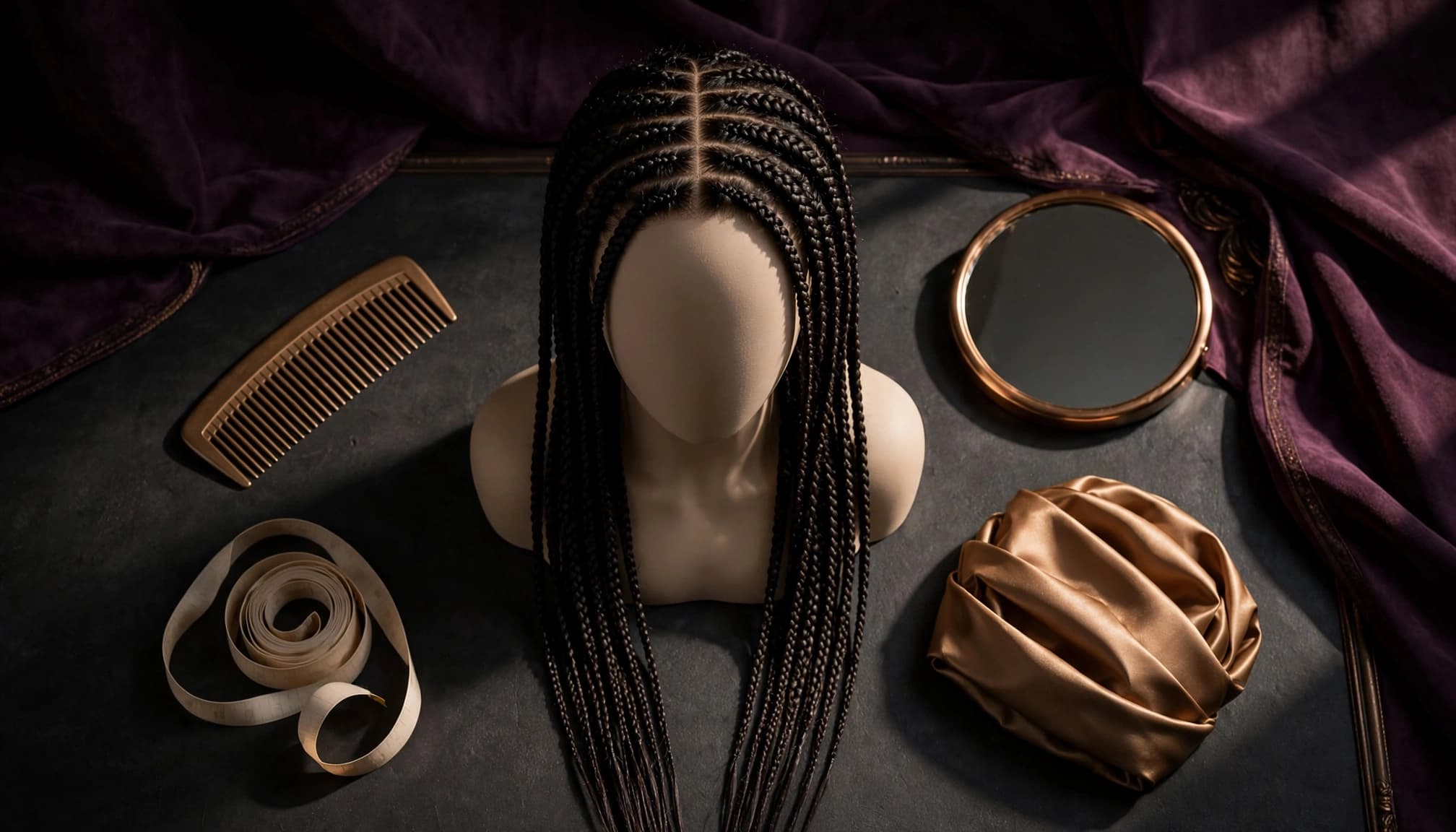
Measure before ordering
Measure around your head at the hairline, above the ears, and around the back of your head. Compare that measurement with the seller's size chart. Some charts use small, average, and large categories, while others provide measurements in inches or centimeters.
If your hair is long or thick, consider how you'll wear it underneath. A low, flat braid-down may require less interior space than loose curls or a high bun. The cap must cover your natural hair without creating pressure at the temples or nape.
Product photos can hide the inside of the cap. Look for images that show the straps, combs, elastic band, lace area, and stitching. These details tell you more about adjustability than the front photo does.
Avoid excessive tension
A braided wig should feel secure without pulling hard on your edges, scalp, or ears. The American Academy of Dermatology warns that hairstyles that pull, including tightly braided hair and cornrows, can contribute to traction alopecia, a type of hair loss caused by repeated tension.
Read the AAD's guidance on hairstyles that pull before wearing any style that feels tight. If you notice pain, tenderness, headache, or persistent scalp discomfort, loosen or remove the wig. You can also review the AAD's hair loss management tips, which advise avoiding styles that repeatedly pull on the hair.
Compare density, weight, and maintenance
Density describes how much hair is attached to the wig. A higher-density wig looks fuller, while a lower-density style appears lighter and may expose more of the cap or lace.
High density isn't automatically better. It can create a bold silhouette, but it may also add weight and make long braids less comfortable. A medium-density style often suits shoppers who want a balanced everyday look, though your preference and natural hair volume matter.
Be cautious with percentage claims. A listing may describe a product as having 200% or 300% density, but sellers may not measure these figures in the same way. Look for actual photos, braid dimensions, total length, and cap details instead of comparing percentages alone.
Maintenance also affects value. Ask how the braids should be stored, whether the ends can be refreshed, and whether the fiber tolerates any styling. Follow the seller's care instructions, especially if the material is synthetic or includes delicate lace. Avoid assuming that every wig can handle heat, water, or heavy products.
Shop Knotless Braided Wigs
-
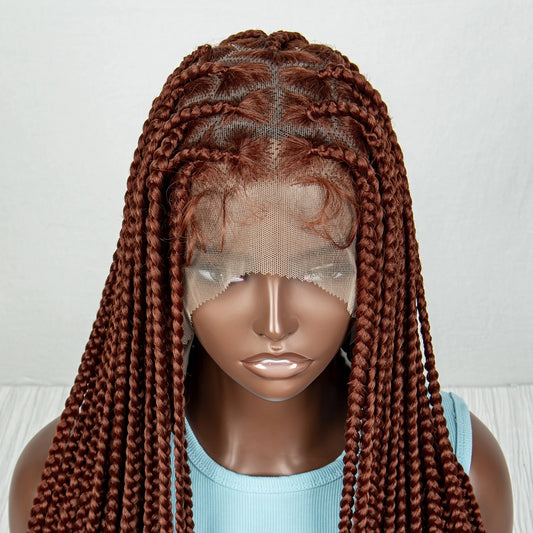
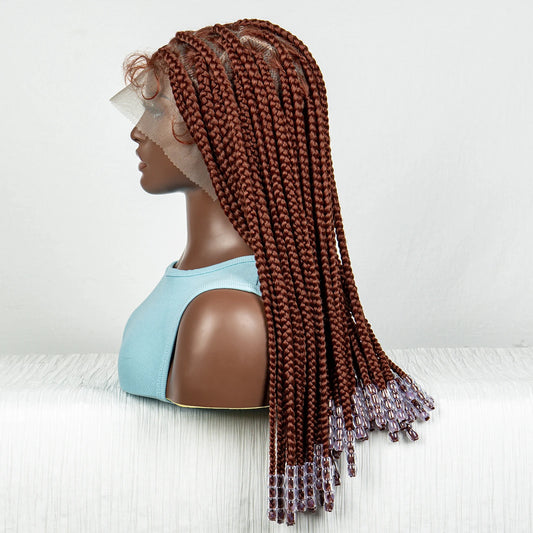
#350 Knotless Box Braids Wig | Short Lace Frontal Bob | Dark Ombre Ginger
Prezzo di listino $262.50 USDPrezzo di listino$0.00 USDPrezzo scontato $262.50 USD -
30 Inch Handmade Cornrow Knotless Box Braided Wig | Full Lace
Prezzo di listino $216.00 USDPrezzo di listino$247.00 USDPrezzo scontato $216.00 USDIn offerta -
36 Inch Knotless Box Braided Wig with Curly Ends | Full Lace Boho Braided Wig | 5 Colors
Prezzo di listino $163.00 USDPrezzo di listino$186.00 USDPrezzo scontato $163.00 USDIn offerta -
Synthetic Full Lace Cornrow Braided Wig – 32 Inch | Knotless Braids | Baby Hair | Transparent Lace | #1B
Prezzo di listino $251.00 USDPrezzo di listino$287.00 USDPrezzo scontato $251.00 USDIn offerta -

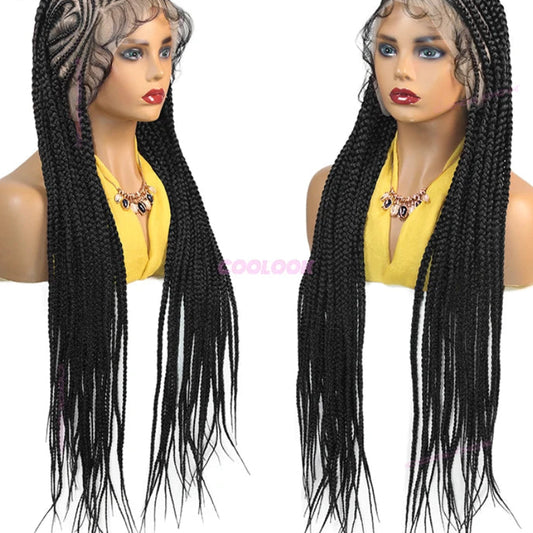 In offerta
36-Inch Full Lace Knotless Box Braid Wig
Prezzo di listino $254.00 USDPrezzo di listino$290.00 USDPrezzo scontato $254.00 USDIn offerta -
36 Inch Square Knotless Box Cornrow Wig | Full Lace Frontal
Prezzo di listino $234.00 USDPrezzo di listino$267.00 USDPrezzo scontato $234.00 USDIn offerta -
34 Inch Knotless Box Braiding Cornrow Wig | Full Lace | Kanekalon
Prezzo di listino $212.00 USDPrezzo di listino$243.00 USDPrezzo scontato $212.00 USDIn offerta -
36 Inch Jumbo Knotless Box Braid Cornrow Wig | Full Lace
Prezzo di listino $249.00 USDPrezzo di listino$285.00 USDPrezzo scontato $249.00 USDIn offerta





Ask these questions before buying
A clear product page should answer most of your questions without requiring guesswork. If key details are missing, contact the seller before payment.
Questions about the wig itself
Ask:
- What material is the wig made from, and is the hair human, synthetic, or blended?
- What are the exact length, braid size, and approximate weight?
- Is the part fixed, or can you change it?
- Does the cap include lace, adjustable straps, combs, an elastic band, or none of these?
- What head measurements fit the listed size?
- Are the hairline, baby hair, and knots pre-styled?
- Does the actual item match the model photos, or are those images for illustration?
The phrase "natural-looking" can mean different things to different shoppers. Ask for close-up photos in natural light if the listing doesn't show the hairline, part, and cap clearly.
Questions about your own routine
Consider whether you'll wear the wig for a few hours, a full workday, travel, or occasional events. A heavy, very long wig may suit special occasions but become tiring during daily use.
Think about removal, storage, and styling. If you want a quick morning routine, a glueless option with adjustable features may be more practical. If you need multiple parting options or an updo, a full-lace design may better match your plans, provided the cap offers that flexibility.
Check returns, shipping, and seller policies
Never wait until after opening the package to read the return policy. Wigs may have hygiene restrictions, removed tags, altered lace, or handling rules that affect eligibility.
Read the return terms line by line
Confirm the return window, condition requirements, shipping responsibility, restocking fees, and refund method. Some stores set deadlines such as 30 or 90 days, and the Federal Trade Commission advises that many businesses won't accept returns after their stated period. Review the FTC's guidance on returns and refunds before ordering.
Check whether you can inspect the wig without removing lace, combing the braids, applying products, or wearing it outside. Save the original packaging and take photos as soon as the package arrives. Those steps can help document the item's condition if the wig doesn't match the listing.
Confirm delivery expectations
Look for processing time, estimated shipping time, tracking information, and the location from which the order ships. The FTC says that when an online seller doesn't promise a shipping time, the order generally must ship within 30 days after receiving the required customer information and payment.
You can review the FTC's online shopping guidance for general order protections. If a qualified return is accepted, the FTC says sellers generally must issue a refund within seven business days for most payment types, according to its guidance on orders that never arrive.
Key takeaways for choosing your wig
A natural knotless box braid wig should match your desired braid size, length, density, and parting style. Compare close-up photos with the written specifications, because lace, baby hair, and high-density claims don't guarantee a realistic result.
Measure your head and check the cap's adjustment features before ordering. Comfort matters as much as appearance, and any persistent tension around your scalp or edges is a reason to stop wearing the wig.
Finally, read the return and shipping policies before payment. A careful comparison protects your budget and gives you a better chance of finding a style you'll actually wear.
FAQ
Is a knotless box braid wig good for beginners?
It can be a convenient option for beginners because the braid pattern arrives finished. However, beginners should still compare cap size, weight, attachment method, and care instructions. A wig that is easy to put on may still feel uncomfortable if the cap is too small or the braids are too heavy.
What does pre-plucked hairline mean?
A pre-plucked hairline has been shaped to look less straight and uniform at the front. It may reduce customization, but the result still depends on the lace color, braid attachment, and how the hairline fits your face.
Is higher density better?
Higher density means more hair, not automatically better quality. It can create fullness, but it may also add weight. Choose density based on the look and comfort you want.
Can I sleep in a braided wig?
Follow the seller's care instructions and consider removing the wig before sleep, especially if it feels tight or creates friction. Regularly wearing a style that pulls on your hair can contribute to tension-related hair loss.
Conclusion
The best knotless box braid wig is the one that balances a believable hairline, suitable density, secure cap, and comfortable fit. Start with measurements and your daily routine, then compare construction details instead of relying on polished model photos.
When the wig arrives, inspect it before altering or wearing it. A few minutes spent checking the lace, braid spacing, cap, and return conditions can help you choose a style that looks good and feels right.