

Layered Wig Styles for Natural-Looking Movement
A wig can have beautiful length and still look stiff if every strand falls in one solid sheet. The right layers add shape, soften the outline, and help hair move without losing the style you chose.
The best layered wig styles suit the wig's length, density, and fiber. A few thoughtful details, plus the right care, can make a noticeable difference. Start by understanding what each layer does.
Key Takeaways
- Subtle layers soften the outline and add movement without changing the overall length.
- More pronounced layers create visible shape and lift, but can look choppy if they're cut too short or unevenly.
- Density, texture, and wig construction affect how layers sit, so check the style from the front, sides, and back.
- Synthetic and human-hair wigs need different heat and care routines.
- When a cut could change the wig's shape, ask a stylist experienced with wigs to assess it first.
How layers create natural-looking movement
Layers are sections cut at different lengths. The shorter pieces can frame the face or add shape around the crown, while longer pieces preserve length through the back. The result depends on where the layers begin and how strongly their lengths differ.
Subtle layers keep the outline soft
Long, blended layers create gentle variation rather than obvious steps. They can reduce the look of a blunt edge and let the ends shift as you move. Face-framing pieces can also break up a one-length front without changing the shape at the back.
This approach suits wearers who want a polished everyday look, or anyone trying layers for the first time. The effect is usually understated, especially on straight or softly waved wigs.

Pronounced layers make shape more visible
Shorter, more distinct layers create a stronger outline. They can add visible shape around the crown or give a shag-inspired cut more definition. On curls and waves, layered lengths may help separate the silhouette, though the result depends on the wig's texture and density.
Pronounced layers call attention to the cut. If you want a noticeable change, compare photos from several angles and check where the shortest pieces fall before choosing.
Choose layers that suit the wig
A layered cut looks different on a chin-length bob than on a long, dense unit. Consider the finished outline, not just the word "layered" in a product description.
Match the cut to length and shape
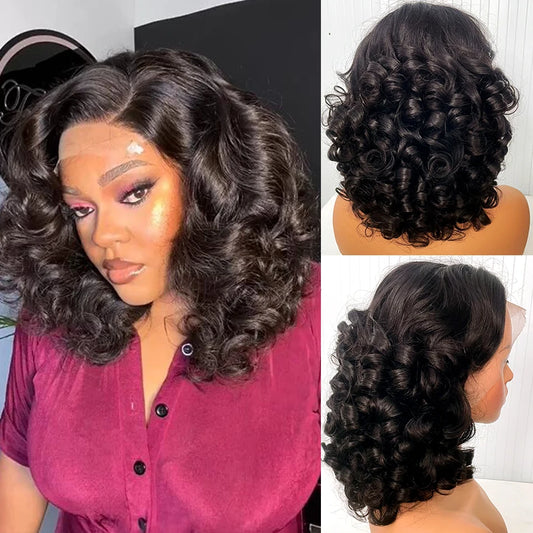
A bob with soft layers can keep a rounded outline while adding movement near the ends. Luxegan's 12-inch human hair bob with soft curls is one example of a short layered silhouette. On a longer wig, cascading layers can create a more visible change in length and shape.
For added length and face-framing detail, Luxegan lists a 30-inch layered glueless wig with highlights. These are product-specific examples, not a guarantee of how every wig will fall.
Consider texture and density
Straight fibers show the steps between lengths more clearly, while waves and curls can soften them. A fuller wig may need careful shaping to avoid a wide, heavy outline. A lower-density unit may not have enough hair for very short, dramatic layers to blend smoothly.
Look at the wig's texture, cap construction, and stated density when comparing styles. Also consider your usual part and whether you wear the hair forward, behind the ears, or tied back.
Layered wig styles for different silhouettes
A useful way to compare styles is to picture how the layers change the outline. The aim is to choose a shape you can wear comfortably, rather than chasing a cut that only works in one product photo.
Soft layers for an everyday finish
Long blended layers work well when you want the length to remain the main feature. They can soften the ends and add a little movement around the face. For a subtle finish, choose a wig where the shortest sections begin around the cheekbones or jaw, depending on the look you prefer.
A side part can make face-framing pieces more noticeable on one side. A middle part tends to show balance between both sides, so uneven or strongly graduated layers may stand out more.
Defined layers for a stronger shape
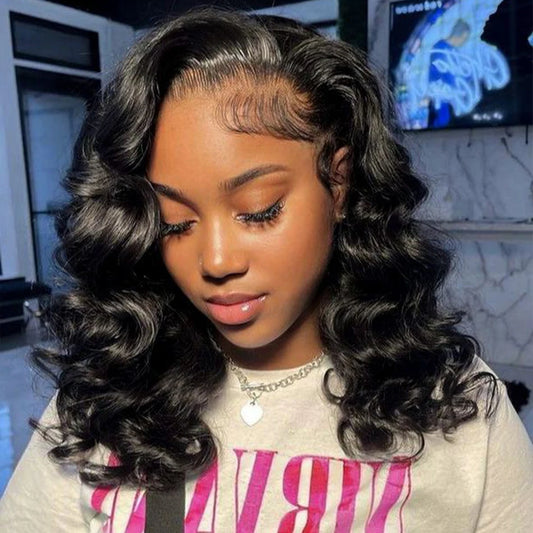
Shag-inspired cuts and stepped layers have a more obvious profile. They may suit people who want the crown and sides to look less uniform, especially in a wavy texture. A long body wave highlight wig offers another example of a long, wavy silhouette, though its specific construction and blend should guide styling choices.
Before ordering, check whether the layers are pre-cut or simply described as layered. Product photos can help you judge the outline, but they may not show how the hair looks from the back or after repeated wear.
Avoid a choppy or bulky result
A wig can look uneven when the shorter pieces are too disconnected from the rest. Excessive thinning or removing too much length can also leave a shape that's hard to restyle. Small adjustments are safer than a dramatic cut made without seeing how the wig falls.
Keep the lengths connected
For a blended appearance, the transitions between short and long sections should make sense from the front and side. When styling, separate a few face-framing pieces instead of pulling all the hair forward. This preserves the shape and avoids making the front look like a separate, blunt layer.
If the ends appear heavy, first try gentle shaping with your hands or a wide-tooth comb. Avoid cutting into the wig to fix a styling issue before confirming that the fibers are dry, detangled, and arranged as intended.
Check volume at the crown and sides
Bulk can collect where layers meet, especially if the wig is dense or has waves. Brush or comb in sections, starting at the ends and working upward. Then let the hair settle before deciding whether the silhouette truly looks too full.
A wig cap that fits poorly can also affect how the style sits. Adjust the fit according to the maker's instructions before judging the layers, since shifting can change the balance around the crown and hairline.
Shop Best Sellers
-
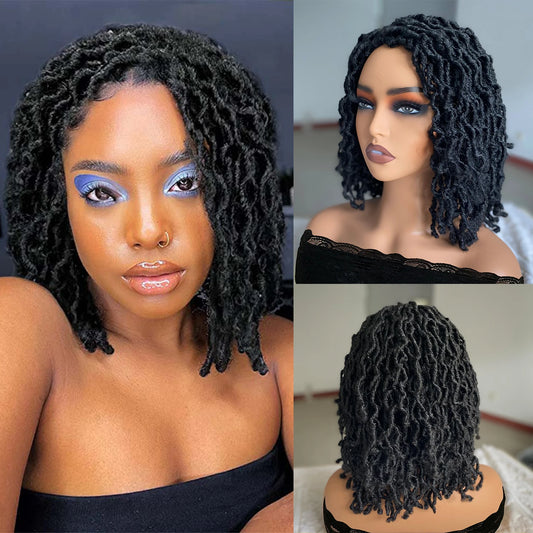
Short Goddess Faux Locs Wig | Brown Highlight Crochet Dreadlock Wig
Prezzo di listino Da $158.00 USDPrezzo di listino$190.00 USDPrezzo scontato Da $158.00 USDIn offerta -
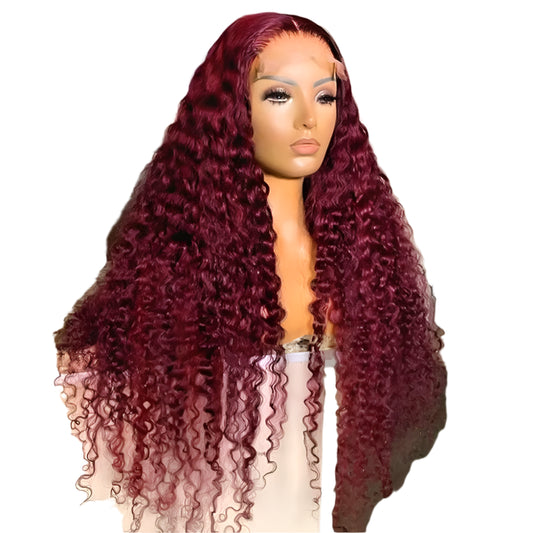
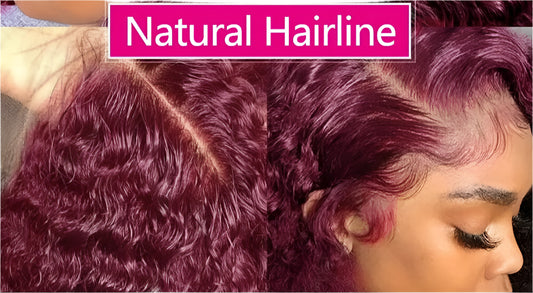
30 Inch Burgundy 99J Curly Human Hair Wig | 13x6 Lace Frontal | 200% Density
Prezzo di listino Da $257.00 USDPrezzo di listino$0.00 USDPrezzo scontato Da $257.00 USD -
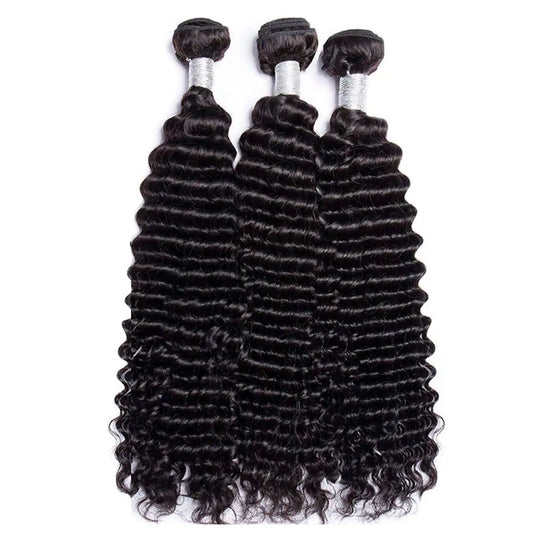
12A Deep Wave Remy Human Hair Bundles | 30 to 32 Inch Weft Extensions
Prezzo di listino $364.00 USDPrezzo di listino$0.00 USDPrezzo scontato $364.00 USD -
#350 Knotless Box Braids Wig | Short Lace Frontal Bob | Dark Ombre Ginger
Prezzo di listino $262.50 USDPrezzo di listino$0.00 USDPrezzo scontato $262.50 USD -
Short Afro Faux Dreads Wig | Synthetic Braided Wig for Men and Women
Prezzo di listino $90.00 USDPrezzo di listino$120.00 USDPrezzo scontato $90.00 USDIn offerta -
12A Raw Vietnamese Bouncy Wave Wig | 13x4 Lace Frontal | 250% Density
Prezzo di listino Da $242.00 USDPrezzo di listino$0.00 USDPrezzo scontato Da $242.00 USD -
Men's Wingtip Derby Shoes | Genuine Leather Colour Block Lace-Ups
Prezzo di listino $263.00 USDPrezzo di listino$301.00 USDPrezzo scontato $263.00 USDIn offerta -
Brazilian Human Hair 13x4 Lace Front Wig | Glueless, Pre-Plucked with Baby Hair
Prezzo di listino Da $99.00 USDPrezzo di listino$132.00 USDPrezzo scontato Da $99.00 USDIn offerta






Style synthetic and human-hair wigs differently
The fiber type determines which styling tools and products are appropriate. The American Cancer Society's wig guidance notes that synthetic wigs generally need less maintenance but offer less styling flexibility than human-hair wigs.
Synthetic fibers need label-led styling
Many synthetic wigs are designed to keep their set style. Use your fingers or a wig-safe brush to arrange layers, and avoid heat unless the maker identifies the wig as heat-resistant. Even then, follow the listed temperature and tool instructions.
The American Cancer Society says most heat-friendly synthetic wigs can be styled with tools up to 350°F (180°C), but that guidance doesn't apply to every synthetic wig. Check the product's specific instructions, and test a hidden section only if the manufacturer permits it. Jon Renau's synthetic hair care guide offers fiber-specific care information.
Human hair allows more restyling
Human-hair wigs can generally be styled with heat, but they still need careful handling. Use a heat protectant intended for the hair, work at a moderate setting, and avoid repeated passes over the same section. Too much heat can dry or damage hair fibers.
Because the cut shapes the way human hair falls, a new curl pattern or part can change how the layers appear. For washing and styling guidance, consult the wig maker and a product-specific resource such as Jon Renau's human-hair care instructions.
Care that helps preserve the layers
Detangling and washing habits affect how neatly layered sections fall. Follow the care label first, since fiber type and construction can change the recommended routine.
Detangle and wash gently
For a long wig, begin at the ends and work upward in small sections. Hold the hair near the cap to reduce pulling. Use products made for wigs, since regular formulas may not suit the fibers or the manufacturer's care directions.
Wash frequency varies by guidance and wear. CancerCare recommends washing a synthetic wig about once a month, while Breastcancer.org advises washing and conditioning after every 8 to 10 wears. Follow your wig maker's recommendation and adjust for how often you wear it.

Dry and store without disturbing the shape
Synthetic wigs commonly need to air-dry after washing. The American Cancer Society advises against brushing or combing a synthetic wig until it is fully dry. Its specific washing directions and the CancerCare synthetic-wig care resource can help you follow a suitable routine.
For either fiber, let the wig dry and settle before reshaping the layers. Store it away from crushing or tangling, and avoid placing a hot tool near synthetic hair unless the label specifically allows it.
When a professional wig trim makes sense
A stylist experienced with wigs can assess the whole shape before cutting. This is especially useful when you want bangs, shorter face-framing pieces, or a change to the overall length.

Ask for a wig-aware stylist
A wig may sit differently on a stand than it does when worn. Ask the stylist to assess it on the wearer or on a suitable head form, and explain how you part and style it. Bring a reference photo that shows the desired front, side, and back shape.
Before the first cut, agree on how much length to remove and where the shortest layers should fall. A cautious stylist can make small changes, then reassess the shape before cutting further.
Trim only when the style calls for it
Professional trimming is advisable when the wig needs a structural change, such as blending uneven layers or reshaping a fringe. It's also a sensible choice if you're unsure how synthetic fibers will respond to scissors or heat.
For minor styling adjustments, start with the manufacturer's directions and avoid cutting fibers just to correct tangles or flattened sections. A trim is permanent, while many styling issues can be addressed with detangling and a gentle reshape.
Frequently asked questions
Do layers make a wig look more natural?
They can soften a uniform outline, but layers alone don't guarantee a natural result. The wig's texture, density, fit, part, and hairline also affect its appearance.
Can I cut layers into a synthetic wig?
Some synthetic wigs can be cut, but the fibers and construction affect the result. Check the care label and consider a stylist who works with wigs, especially for a major shape change.
How do I style layers without heat?
Use your fingers or a wig-safe brush to separate sections and arrange the ends. For waves, shape the hair gently and let it settle. Don't assume a synthetic wig can tolerate heat unless its instructions confirm it.
Should I choose subtle or pronounced layers?
Choose subtle layers for a soft outline and minimal change to the length. Pick pronounced layers when you want the cut itself to define the shape, and check the wig's photos from several angles before buying.
Choose movement that fits your routine
Natural-looking movement comes from layers that suit the wig's length, texture, and density. Subtle shaping offers a softer change, while pronounced layers need a considered cut and care routine.
Before styling or trimming, check whether the wig is synthetic or human hair and follow its maker's instructions. With the right shape and handling, the layers can look polished without feeling overdone.