

Ombre Wig Colors: How to Choose Your Blend
A blonde ombre wig can look completely different depending on its roots and where the lighter color begins. When choosing ombre wig colors, the most useful starting point is contrast: how much difference you want between the darkest and lightest shades.
Your skin tone, personal style, and care routine help narrow the options, but they don't limit which colors you can wear.
Start by looking at the whole blend, rather than choosing by the end color alone.
Read the Blend: Roots, Transition, and Ends
Ombre usually describes a gradual change in color along the hair, often with darker roots and lighter ends. However, reverse ombre and vivid-color blends can follow different directions.
Two wigs labeled "brown to blonde" may have different root depths, transition lengths, and blonde tones. Those details matter more than the broad shade name.
Separate Color Depth From Color Tone
Depth describes how light or dark a shade is. Tone describes its color character, such as golden, copper, ash, or violet.
For example, honey blonde and ash blonde can have similar brightness but look quite different. Honey carries warmth, while ash has a cooler appearance.
Madison Reed's hair color chart explains this distinction through color levels and warm versus cool tones. Use that vocabulary when asking a seller about a shade.
Look Closely at the Transition
A long transition gives intermediate shades more room to connect the roots and ends. A shorter transition creates a more obvious color change.
Neither is automatically better. A gradual brown-to-caramel blend suits a softer result, while black-to-platinum can create deliberate contrast.
Check the front, back, and parting area. A flattering front photograph doesn't show whether the blend stays consistent throughout the wig.
Choose a Root Color You Want Around Your Face
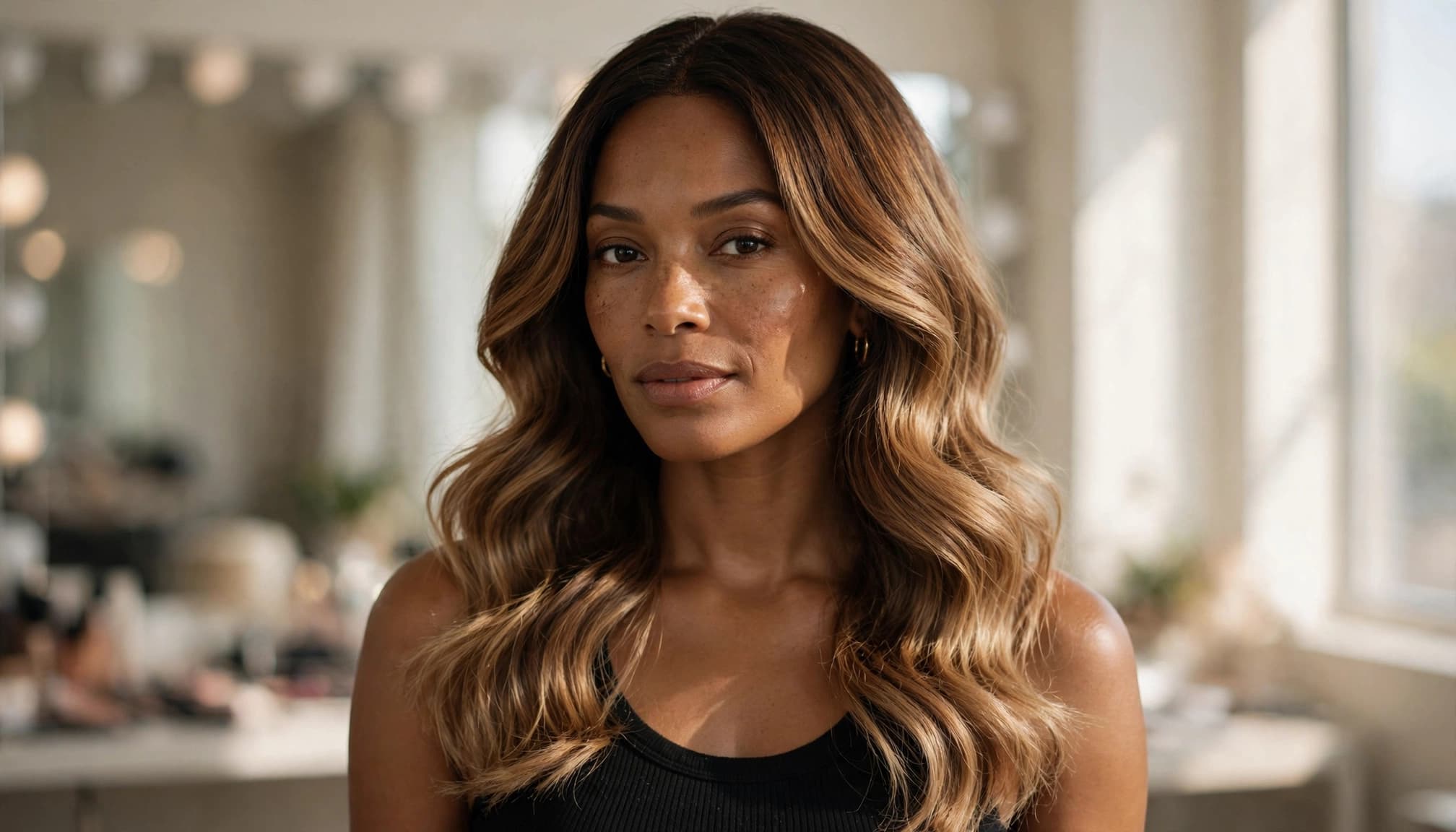
The root shade deserves as much attention as the ends because it sits close to your face. Dark roots can add definition, while brown roots can soften the contrast with blonde lengths.
If you want a familiar appearance, start near your natural hair color or eyebrow depth. You don't need an exact match, though. If you don't have natural hair to compare, choose the face-framing color you enjoy most.
Luxegan's dark-root honey blonde wig offers one rooted blonde option. Its listing describes an ash honey blonde blend, body-wave texture, and lengths of 18 to 24 inches.
Also check how far the root extends. A long dark section keeps more depth around your face. A shorter shadow root brings the lighter shade closer to the hairline.
Two wigs with identical blonde ends can frame your face differently if one keeps dark color to the cheekbones.
Finally, distinguish root color from lace color. Hair shade doesn't tell you whether the lace will suit your complexion. Ask about both before buying, especially if you'll wear the hair away from your face.
Use Skin Tone and Undertone as Flexible Guides
Skin tone describes the visible depth of your complexion. Undertone describes its underlying color character, often discussed as warm, cool, neutral, or olive.
These categories can help you compare shades, but they aren't restrictions. Blonde, copper, burgundy, and pastel blends can work across different skin tones.
Try Warm, Cool, and Neutral Directions
Warm options include caramel, honey, golden brown, and copper. Cooler options include ash brown, ash blonde, and icy blonde. Neutral browns offer a useful starting point when you're unsure.
L'Oréal Professionnel's hair-color guidance presents undertone matching as a common approach to choosing color. Treat it as a starting suggestion rather than a rule.
You might prefer warm copper against a cool complexion because you like the contrast. Likewise, ash blonde may suit your wardrobe better than golden blonde, regardless of your undertone.
Judge the Color With Your Usual Styling
Compare shades while wearing the makeup and clothing you normally choose. A blend that looks appealing beside a bare face may create a different effect with warm blush or cool-toned lipstick.
Look at the root and face-framing strands first. They're closest to your complexion, even when the ends are vivid.
If undertone tests leave you confused, skip the label. Compare actual shades in daylight and decide which effect you prefer. Your comfort matters more than fitting a color category.
Popular Ombre Wig Color Combinations
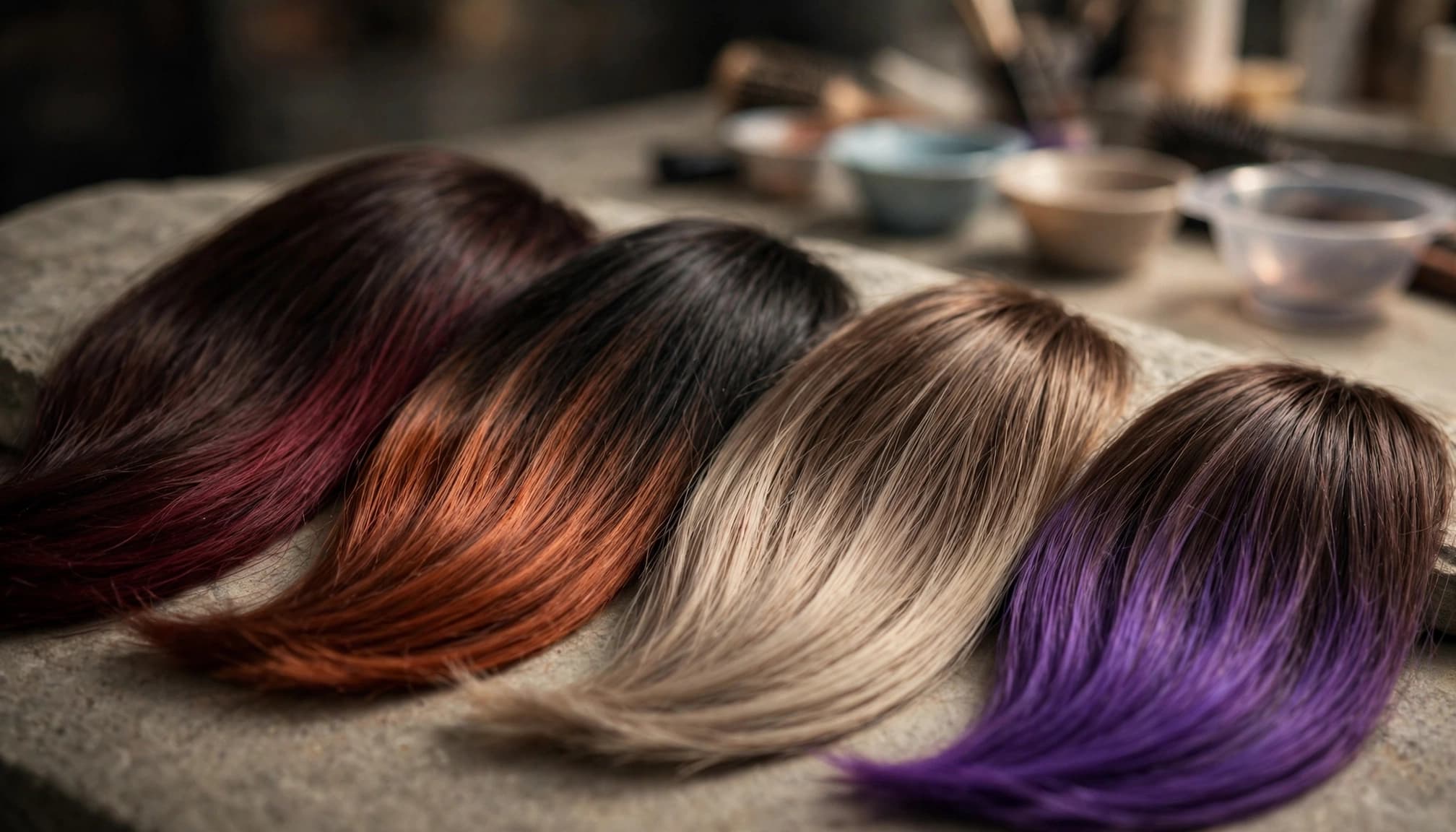
Common ombre wig colors range from subtle brown blends to bright fashion shades. The root depth and transition determine how bold each combination looks.
Use these combinations to compare the effects you might want.
| Blend | Typical effect | Detail to check |
|---|---|---|
| Dark brown to caramel | Warm, relatively soft contrast | How golden the caramel appears |
| Brown to honey blonde | Brighter lengths with warm tones | Whether the blonde begins near the face |
| Dark roots to ash blonde | Cool-toned ends with clear contrast | Whether the ash looks beige or gray |
| Black to platinum blonde | Strong light-and-dark contrast | How gradual the transition is |
| Dark brown to burgundy | Rich red or violet color | Whether the burgundy leans red or purple |
| Dark roots to copper | A warm, expressive result | The balance of orange and brown |
| Blonde to pink | A playful fashion-color blend | Pastel versus saturated pink |
Choose the effect first, then compare the precise shades. "Burgundy," for instance, can describe a red-heavy color or a much cooler purple-red.
For a shorter creative option, Luxegan's pink and blonde ombre bob is listed as straight human hair with a T-Part lace design.
Don't assume a color name describes the whole pattern. Some listings combine ombre with highlights, so you may see lighter strands near the roots as well as lighter ends.
Shop Best Sellers
-
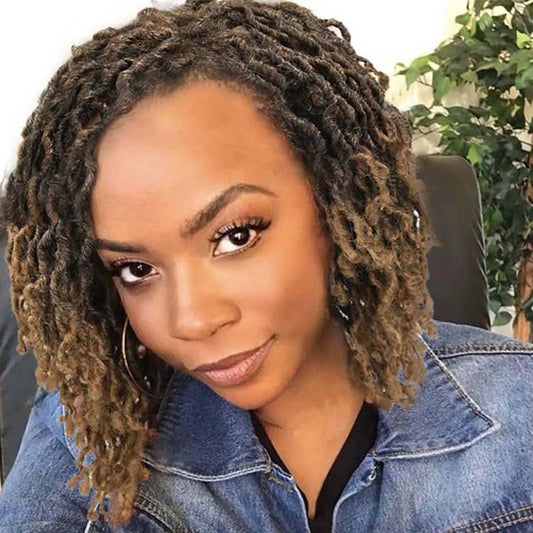
Short Goddess Faux Locs Wig | Brown Highlight Crochet Dreadlock Wig
Prezzo di listino Da $158.00 USDPrezzo di listino$190.00 USDPrezzo scontato Da $158.00 USDIn offerta -
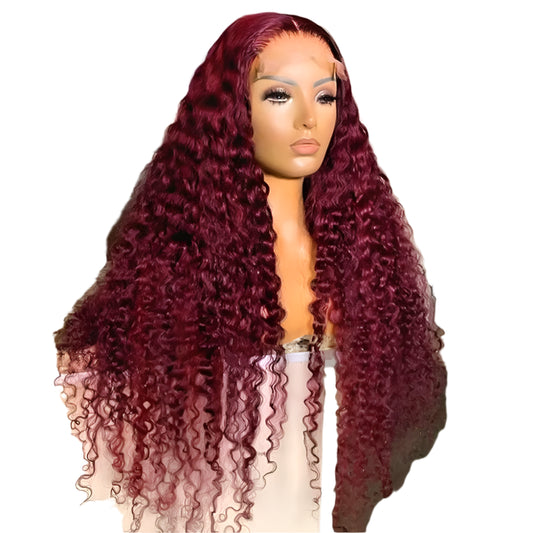
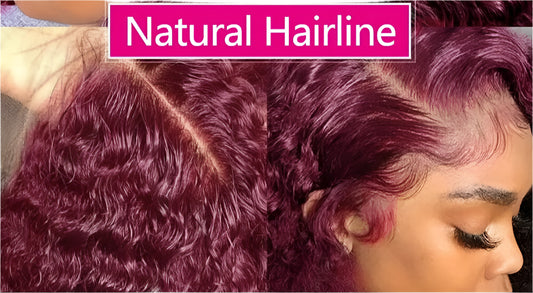
30 Inch Burgundy 99J Curly Human Hair Wig | 13x6 Lace Frontal | 200% Density
Prezzo di listino Da $257.00 USDPrezzo di listino$0.00 USDPrezzo scontato Da $257.00 USD -
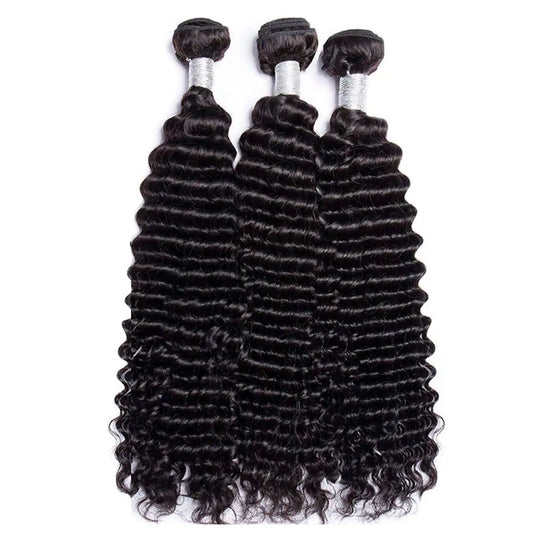
12A Deep Wave Remy Human Hair Bundles | 30 to 32 Inch Weft Extensions
Prezzo di listino $364.00 USDPrezzo di listino$0.00 USDPrezzo scontato $364.00 USD -
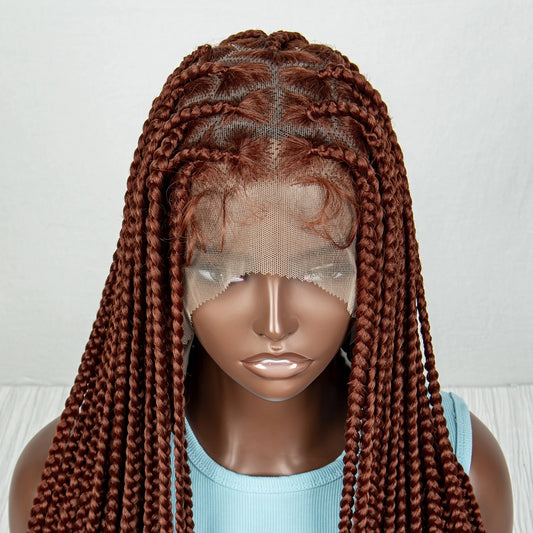
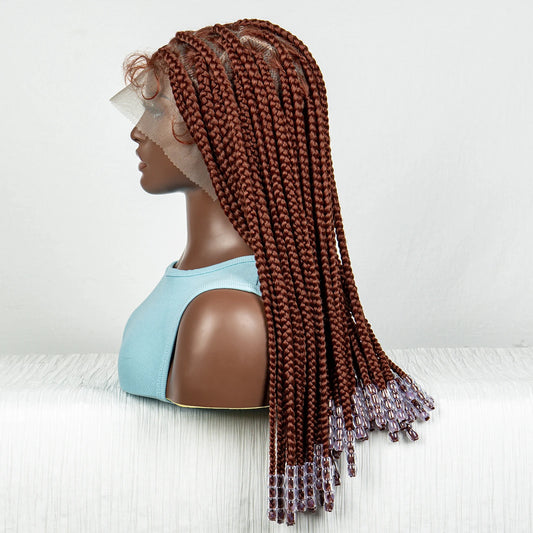
#350 Knotless Box Braids Wig | Short Lace Frontal Bob | Dark Ombre Ginger
Prezzo di listino $262.50 USDPrezzo di listino$0.00 USDPrezzo scontato $262.50 USD -
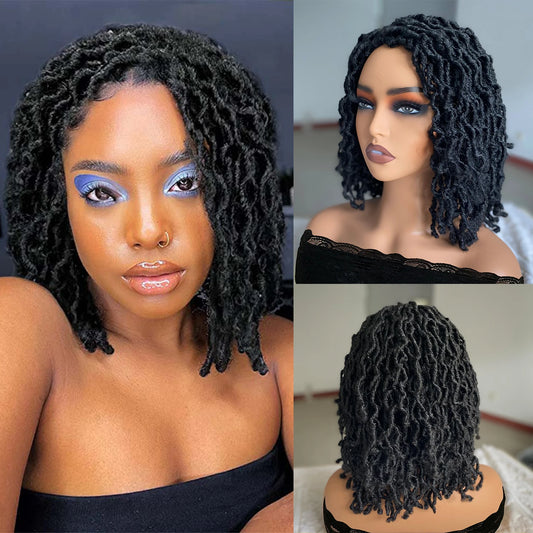
Short Afro Faux Dreads Wig | Synthetic Braided Wig for Men and Women
Prezzo di listino $90.00 USDPrezzo di listino$120.00 USDPrezzo scontato $90.00 USDIn offerta -
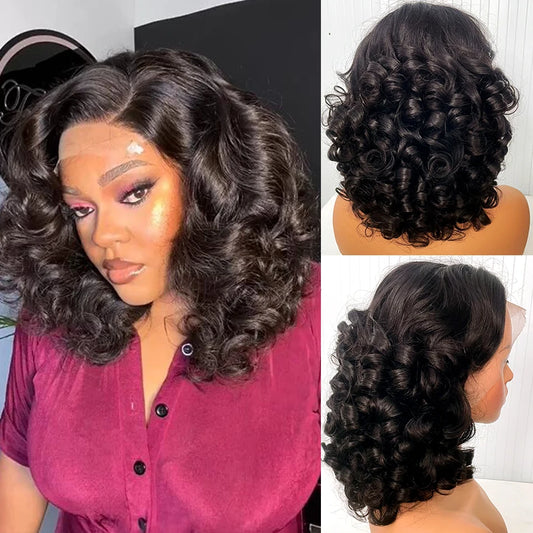
12A Raw Vietnamese Bouncy Wave Wig | 13x4 Lace Frontal | 250% Density
Prezzo di listino Da $242.00 USDPrezzo di listino$0.00 USDPrezzo scontato Da $242.00 USD -
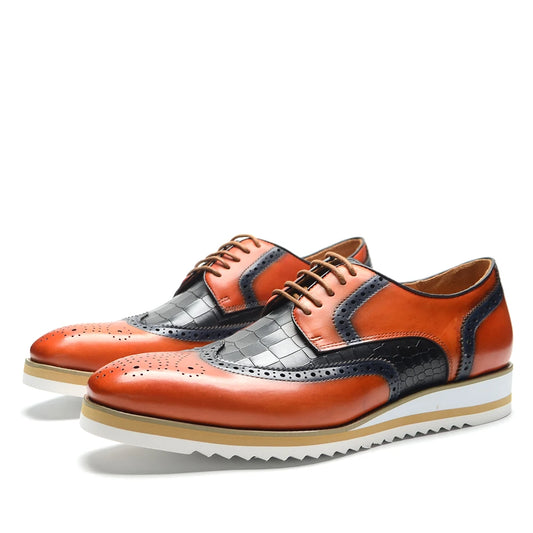
Men's Wingtip Derby Shoes | Genuine Leather Colour Block Lace-Ups
Prezzo di listino $263.00 USDPrezzo di listino$301.00 USDPrezzo scontato $263.00 USDIn offerta -
Brazilian Human Hair 13x4 Lace Front Wig | Glueless, Pre-Plucked with Baby Hair
Prezzo di listino Da $99.00 USDPrezzo di listino$132.00 USDPrezzo scontato Da $99.00 USDIn offerta





Match the Blend to Your Cut and Personal Style
Color placement changes how a wig looks as much as the shades themselves. Length, texture, and your preferred hairstyle all affect how much of the blend you'll see.
Consider Length and Texture Together
A bob has less room for a gradual transition than a long wig. Therefore, check whether your selected length leaves enough space for the lighter ends you want.
Product photos may show the longest available version. Ask to see your chosen length, because a shorter option may show a different balance of dark and light.
Straight hair makes color boundaries easy to inspect. Waves and curls change how the shades overlap. If you plan to switch textures, ask for photographs showing the blend in more than one style.
Choose Your Preferred Level of Visibility
For a subtle everyday result, consider a smaller difference between roots and ends. Dark brown to caramel offers less contrast than black to platinum.
If you prefer expressive color, concentrate on placement. Violet ends with a dark root give a different effect from violet strands beginning around the face.
Think about how you wear your hair, too. Tucking it behind your ears or pulling it back exposes different sections. Ask for a front view with the hair moved away from the face so you can assess those areas.
Check Maintenance Before Choosing a Color
An ombre wig doesn't grow new roots, so you won't need root touch-ups for regrowth. However, you still need to follow the care guidance for its fibers and existing color treatment.
Ask whether the wig is human hair, synthetic, or a blend. Then request its washing, conditioning, drying, and heat-styling instructions. Don't assume a routine suitable for one wig applies to another.
Dyeing permission is product-specific. Luxegan's ash honey blonde listing allows darker dye colors only. In contrast, its ombre blonde body-wave wig says further chemical dyeing isn't recommended.
That difference matters if you're buying with plans to adjust the shade later. Human hair doesn't automatically mean a pre-colored wig is suitable for additional lightening or dyeing.
For a first purchase, aim for a blend you'd enjoy as delivered. If you want customization, confirm the seller's guidance and discuss the wig's processing history with a wig colorist before changing it.
Also compare the full cost of ownership, including any recommended products or professional styling. A color you love should fit your maintenance budget as well as your purchase budget.
Questions to Ask Before Buying an Ombre Wig
A clear product description should help you understand the color you're ordering. If the listing leaves gaps, contact the seller before choosing a shade.
These questions help turn a broad color name into a more reliable comparison:
- What are the root, middle, and end shades? Ask whether the blonde is warm, neutral, or ash, rather than accepting "blonde" alone.
- Where does the transition begin on my selected length? Request a photograph of that length, not just the longest version.
- Are the photographs of this exact color option? Check whether a gallery combines several shades under one listing.
- Can you provide an unfiltered daylight photo or video? Ask to see the front, back, and parting area.
- What care and customization does this wig allow? Confirm fiber type, heat guidance, and any restrictions on further coloring.
- What is the return policy for a color mismatch? Check the conditions before cutting lace, washing, or altering the wig.
Screen colors can differ from the wig in person. Display settings, photography lighting, and image editing can affect how a shade appears. Daylight photographs help, but they don't guarantee an exact match.
If the seller offers physical color samples, ask whether a sample matches the finished ombre blend or only one shade within it. Customer photos can add context, but compare their lighting before drawing conclusions.
For expensive purchases, resolve uncertainty before ordering rather than assuming you'll correct the color afterward.
Choose the Blend You Want to Wear
The most useful way to compare ombre wig colors is to examine the roots, transition, and ends separately. Then judge the complete look against your style and preferred level of contrast.
Keep undertone advice flexible, and make product-specific care guidance part of your decision. A blend you enjoy as delivered avoids relying on uncertain color corrections.
Before buying, confirm the selected length and shade, request clearer photos where needed, and remember that your screen can't promise an exact color match.