

Pixie Wig Styles for an Easy Short-Hair Transformation
A short cut can change your look in a few minutes, without asking you to commit to scissors. Pixie wigs make it easy to try a close-cropped shape, a longer pixie bob, or a new texture while keeping your own hair protected underneath.
The best choice depends on more than the cut. Cap construction, fit, hairline details, and daily upkeep all affect how natural and comfortable a wig feels. Start by comparing the silhouettes, then look at the features that matter for your routine.
Key Takeaways
- Pick a silhouette based on the shape and movement you like, not a strict face-shape rule.
- Check the cap type, available parting, and product sizing details before ordering.
- Secure fit should feel comfortable, never painfully tight.
- Use styling products and heat only when the care instructions allow them.
- A well-positioned hairline, suitable cap, and tidy edges help a short wig look more natural.
Pixie wigs: styles that change the silhouette
Pixie cuts can look sleek, soft, bold, or playful, depending on the length around the crown, fringe, sides, and nape. A short wig makes it easy to test those proportions before choosing a style to wear often.
Tapered and textured cuts
A tapered pixie sits close around the sides and nape, with more length through the top. This shape gives the crown some height and texture without making the overall cut feel long. Look for a layered top if you want to tousle the hair, or a smoother finish if you prefer a neat outline.
A pixie bob keeps more length near the ears and nape. It can feel like a gentler change if you're used to a bob, and it may offer more room for a side part or fringe. Compare the product photos from the front and side, since those angles reveal the silhouette better than a front-only view.
Fringe, straight hair, or curls
Side-swept fringe softens the forehead and adds movement. A short straight style can look polished with little shaping, while curls bring volume and a more relaxed outline. Neither texture is universally easier: the right choice depends on how much daily arranging you enjoy.

Face-shape advice can offer ideas, but it shouldn't rule out a cut you like. Instead, decide whether you want height at the crown, softness around the temples, or extra length at the sides. Those details have more practical value than a fixed "right cut" for each face shape.
Choose a cap and hairline for your routine
Cap construction affects how a wig sits, how you part it, and how much preparation it needs. Product descriptions may use terms such as lace front, T-part, glueless, or non-lace. Check what each listing actually includes, since terms alone don't guarantee the same fit or styling options.
Lace front or a simpler cap
A lace front can create a hairline that blends into the forehead when it's positioned and styled well. Some lace-front designs provide more parting flexibility than T-part units. For example, Luxegan's 13x4 transparent lace pixie wig is listed with a broad frontal layout for multi-directional parting.
A simpler, non-lace cap may suit someone who wants a quick option without lace trimming. Luxegan lists a glueless non-lace pixie wig alongside a lace-front version. Compare the photos and construction details to see which approach fits your preferences.
Think through the hairline
A convincing hairline depends on placement, density, color match, and how the wig's edge meets your skin. Avoid pulling the unit far forward to hide the edge. Instead, set it according to the manufacturer's fitting guidance, then check the hairline in natural light.
If the wig includes lace, find out whether it arrives pre-plucked and whether the listing expects trimming or adhesive. These are product-specific details. Don't assume every lace wig needs glue, or that every glueless wig will fit securely without adjustment.
Measure for a comfortable fit
A short cut can make the cap edge and fit easier to notice, so take time to measure before buying. The American Cancer Society recommends measuring head circumference, front-to-back, and side-to-side, then comparing those measurements with the wig's sizing chart. Use the chart for the specific unit, because labels such as "average" don't follow one universal measurement.

Check the cap's adjustability
Look for adjustable straps or tabs if you want room to fine-tune the fit. Check how much adjustment the listing specifies, and don't assume the same range across different wigs. If you wear braids or a wig cap underneath, include that setup when assessing the fit.
A snug cap should stay in place without causing pressure. If you're between sizes, review the seller's guidance or ask about the cap measurements before ordering instead of choosing based only on a size label.
Position it evenly
Follow the product's instructions when putting on the wig. Check that the front sits evenly and the ear tabs align on both sides. Then turn your head and look down to see whether the cap shifts. A mirror check from the side and back can catch uneven placement that's easy to miss from the front.
Choose texture and color with intention
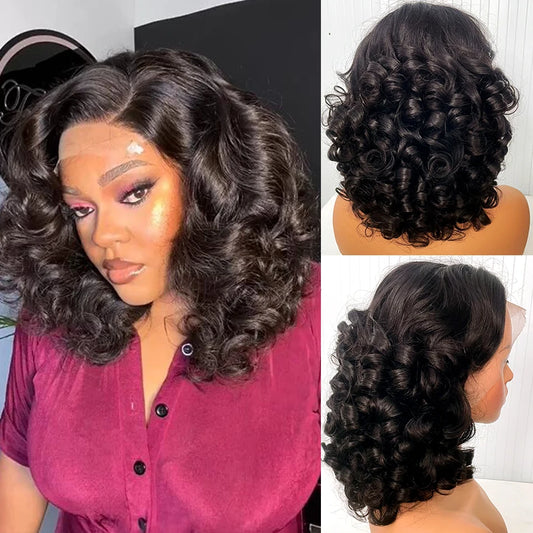
Texture changes both the appearance and the amount of daily shaping a short style may need. Straight pixies show the cut's outline clearly; curls make the shape look fuller and less uniform. Luxegan's short curly pixie lace front wig is one example of a curl-focused option. Check whether a listing shows the finished texture you want, rather than relying on a style name alone.
Color can make a dramatic change without changing the cut. A dark shade gives a classic look, while highlights draw attention to layers and fringe. Luxegan offers a highlighted human hair pixie wig as one color option. Compare the shade in several product images, and consider how it will look with your brows and usual makeup.
When you're unsure, choose a shade close to your natural color or one you already wear in clothing and accessories. You can also use a wig to experiment with a lighter accent or a warmer tone, without making a permanent color change.
Shop Best Sellers
-
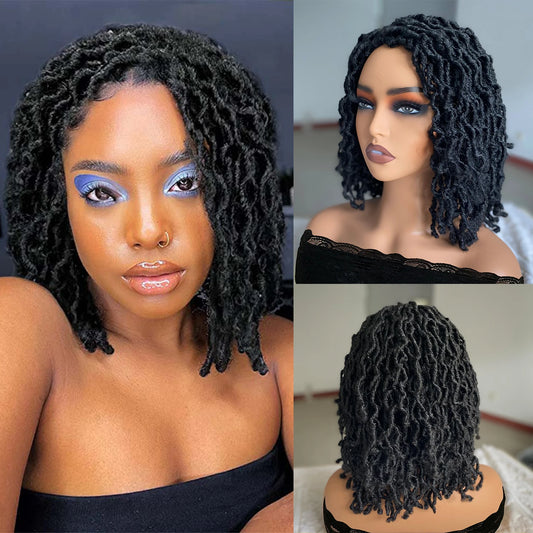
Short Goddess Faux Locs Wig | Brown Highlight Crochet Dreadlock Wig
Prezzo di listino Da $158.00 USDPrezzo di listino$190.00 USDPrezzo scontato Da $158.00 USDIn offerta -
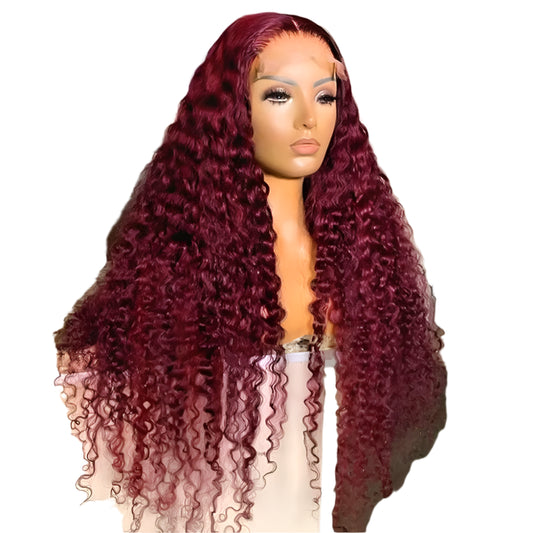
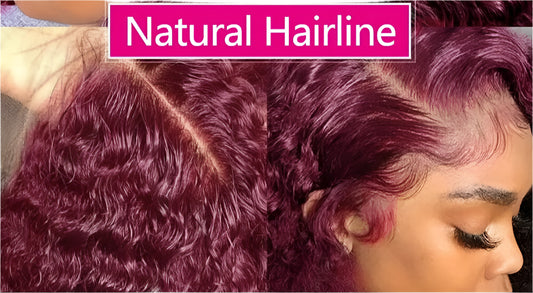
30 Inch Burgundy 99J Curly Human Hair Wig | 13x6 Lace Frontal | 200% Density
Prezzo di listino Da $257.00 USDPrezzo di listino$0.00 USDPrezzo scontato Da $257.00 USD -
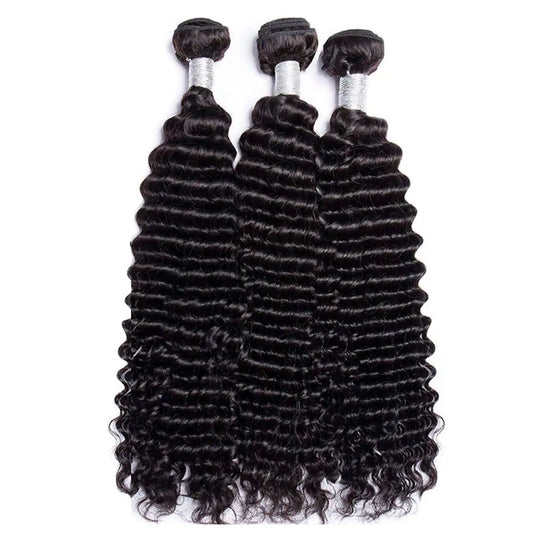
12A Deep Wave Remy Human Hair Bundles | 30 to 32 Inch Weft Extensions
Prezzo di listino $364.00 USDPrezzo di listino$0.00 USDPrezzo scontato $364.00 USD -
#350 Knotless Box Braids Wig | Short Lace Frontal Bob | Dark Ombre Ginger
Prezzo di listino $262.50 USDPrezzo di listino$0.00 USDPrezzo scontato $262.50 USD -
Short Afro Faux Dreads Wig | Synthetic Braided Wig for Men and Women
Prezzo di listino $90.00 USDPrezzo di listino$120.00 USDPrezzo scontato $90.00 USDIn offerta -
12A Raw Vietnamese Bouncy Wave Wig | 13x4 Lace Frontal | 250% Density
Prezzo di listino Da $242.00 USDPrezzo di listino$0.00 USDPrezzo scontato Da $242.00 USD -
Men's Wingtip Derby Shoes | Genuine Leather Colour Block Lace-Ups
Prezzo di listino $263.00 USDPrezzo di listino$301.00 USDPrezzo scontato $263.00 USDIn offerta -
Brazilian Human Hair 13x4 Lace Front Wig | Glueless, Pre-Plucked with Baby Hair
Prezzo di listino Da $99.00 USDPrezzo di listino$132.00 USDPrezzo scontato Da $99.00 USDIn offerta






Style a pixie wig without overworking it
Short hair doesn't need a complicated routine, but it still benefits from deliberate shaping. Start with a clean, dry wig and use your fingers or a suitable comb to place the fringe and crown. A small amount of product can define texture; too much may weigh down short layers or leave visible buildup.
Use heat only when permitted
Check the care label before using a curling iron, flat iron, or blow dryer. Human-hair and synthetic wigs don't all have the same styling limits, and some synthetic fibers can be damaged by heat. If the instructions permit heat, begin with the lowest suitable setting and test an inconspicuous section first.
Refresh the shape in small steps
For a tousled style, lift small sections at the crown with your fingers. To smooth a fringe, guide it into place rather than pressing it flat. If the cut loses its shape, pause before trimming it yourself. A wig stylist can adjust the perimeter without taking off more length than intended.
Keep upkeep simple and consistent
A short wig can be quick to refresh because its ends don't tangle like long hair, but the crown and nape still collect product and friction. Brush or finger-comb gently, starting with any areas that have become matted. Use tools and products suited to the wig's fiber and follow the care instructions.
Wash according to wear and product guidance
Washing too often can shorten a wig's useful life, while waiting until there's heavy buildup can make it harder to restore. The right schedule depends on how often you wear it, the environment, and your styling products. Follow the manufacturer's directions for washing, conditioning, and drying rather than treating one schedule as right for every wig.
After washing, let the unit dry as directed before storing or wearing it. Keep it on a suitable stand so the short layers don't get flattened or bent out of shape. Avoid storing it in direct sunlight or near a heat source.
Keep styling products light
Use only a little product at first, especially around the fringe and hairline. If the wig starts to feel coated or the style stops moving naturally, remove buildup according to its care instructions. A straight pixie cut wig with highlights or a textured option may need different products, so check the fiber and maker's recommendations.
Make everyday wear comfortable
Wear the wig over hair that's arranged flat and secure without pulling tightly. If you use a wig cap, make sure it doesn't bunch beneath the unit. Adjust the straps to stabilize the wig, but don't use extra tension to correct a cap that's the wrong size.
Remove the wig if you notice pressure, itching, or irritation, then check for a twisted cap, tight strap, or uncomfortable seam. Persistent irritation or new hair loss deserves medical advice. The American Academy of Dermatology's Hair Loss Resource Center provides information on hair loss and scalp concerns. Dermatologists also discuss how some styling practices can contribute to traction alopecia in this review of hairstyles and traction alopecia.
Pixie wig questions, answered
Can I wear a pixie wig if my own hair is long?
Yes. Braid, wrap, or pin your hair flat before putting on the wig, using a method that feels comfortable and doesn't pull. A cap can help keep your hair in place, but it shouldn't feel tight or create pressure points.
Are human-hair pixie wigs easier to style?
They allow styling choices that depend on the specific hair and construction, but they still need care and may require more styling than a ready-shaped synthetic wig. Check whether the product permits heat or chemical processing before trying either. "Human hair" alone doesn't tell you the best care routine.
Can I change the part?
That depends on the cap construction. A wider lace area may allow more parting options, while a T-part design generally has a more defined part. Check the product details and photographs before ordering, since the style name won't tell you how much flexibility the cap offers.
How do I make the wig look less wig-like?
Choose a cap that fits, align the hairline evenly, and keep the color and density believable for the look you want. Then style the fringe and crown to suit your face, rather than copying a product photo exactly. Natural-looking results come from several small choices, not one feature.
Make the short-hair change your own
A pixie wig offers a quick way to test short hair, but the best pick is the one that fits your preferences and routine. Compare the cut, texture, cap, hairline, and sizing details before you buy.
With comfortable placement and simple upkeep, you can wear a close crop, a soft fringe, or a curly pixie without committing to a haircut. Start with a style you can picture wearing on an ordinary day, then adjust the details to make it feel like yours.