

How to Restore Wig Curls Without Ruining the Hair
Flattened curls don't always mean your human hair wig is ruined. In many cases, you can restore wig curls with water, gentle handling, and careful drying before reaching for a hot tool.
The right method depends on the damage. A quick refresh can revive curls that lost shape during storage, while full restoration may require washing, reshaping, and low-heat styling. Start with the gentlest option, then increase the intensity only if the hair needs more help.
Key Takeaways
- Use water or a light curl product for curls that look dry or slightly flattened.
- Wash and reshape the wig when buildup, tangling, or heavy styling has changed the pattern.
- Detangle from the ends upward with a wide-tooth comb or your fingers.
- Apply heat protectant before using any blow dryer, curling wand, or hot tool.
- Test one hidden section before treating the entire wig.
- Air-dry whenever possible, and avoid brushing once the curls have formed.
- Severely overprocessed, brittle, or heat-damaged hair may not return to its original curl pattern.
Restore Wig Curls or Refresh Them?
The first step is deciding whether your wig needs a light refresh or a complete curl restoration. Using too much water, product, or heat on a wig that only needs reshaping can create unnecessary stress.
When a light refresh may be enough
A refresh works when the hair still feels soft and flexible, but the curls look stretched after sleeping, storage, humidity, or wear. Mist the lengths with water, apply a small amount of lightweight curl cream, and gently scrunch the ends upward.
Some Luxegan curly wig listings describe water or light curl cream as part of a wet-and-go routine. For example, the Jerry curl pixie cut human hair wig is presented as a style that can be refreshed with minimal product.
Use only enough moisture to reactivate the curls. Saturating the hair can make drying slower and may leave the pattern uneven.
When washing and reshaping are necessary
Choose full restoration when the wig has product buildup, visible tangles, a dull coating, or curls that remain flat after misting. Washing removes residue so the hair can take a new shape.
A wash also helps when the curl pattern has become inconsistent across the wig. Work in sections rather than scrubbing the hair together. That keeps the strands from knotting while you prepare them for reshaping.
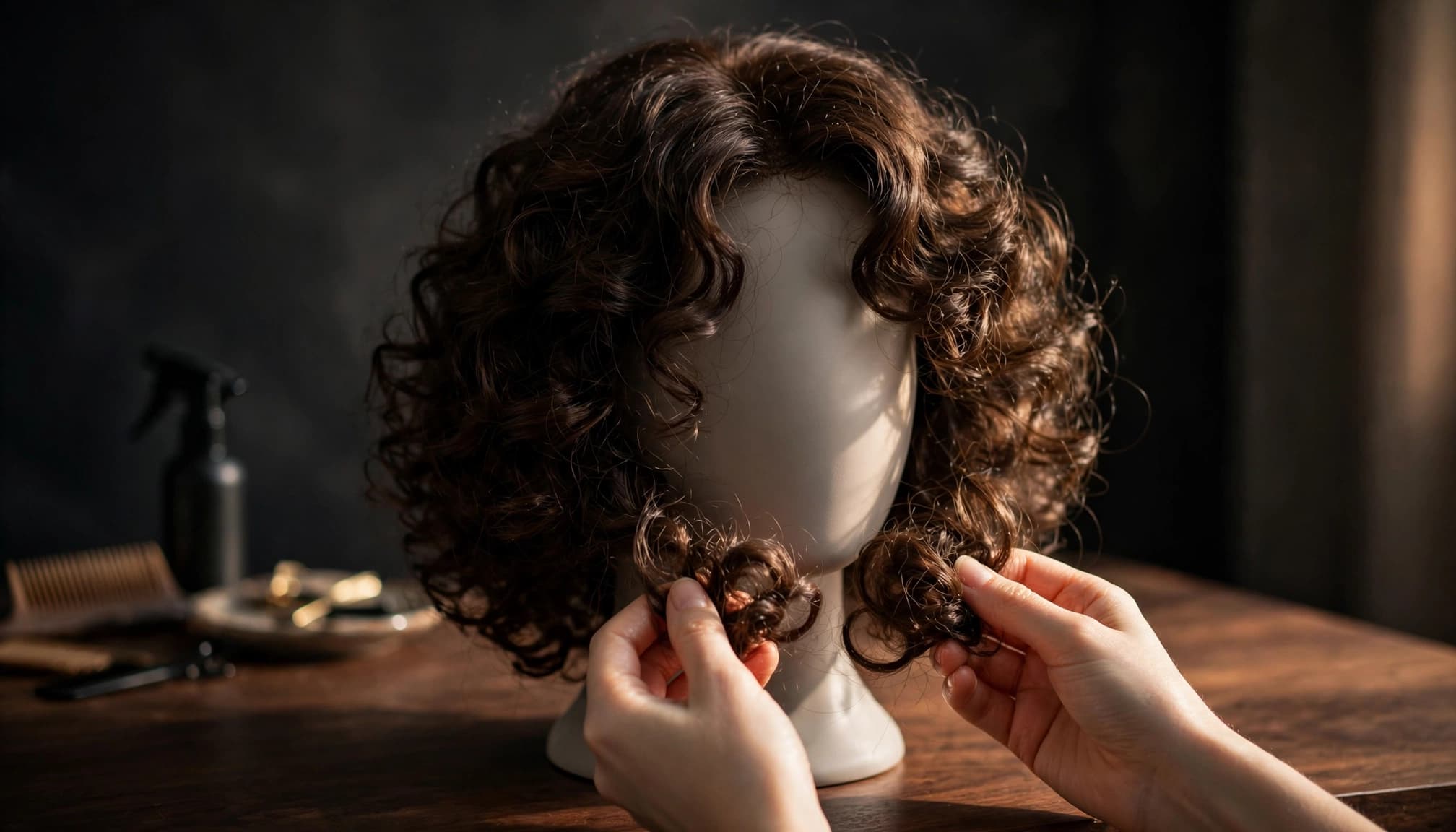
Gather Supplies and Check the Wig
Place the wig on a stable wig stand or mannequin head before you begin. Working on a fixed surface gives you better control and reduces pulling on the lace or cap.
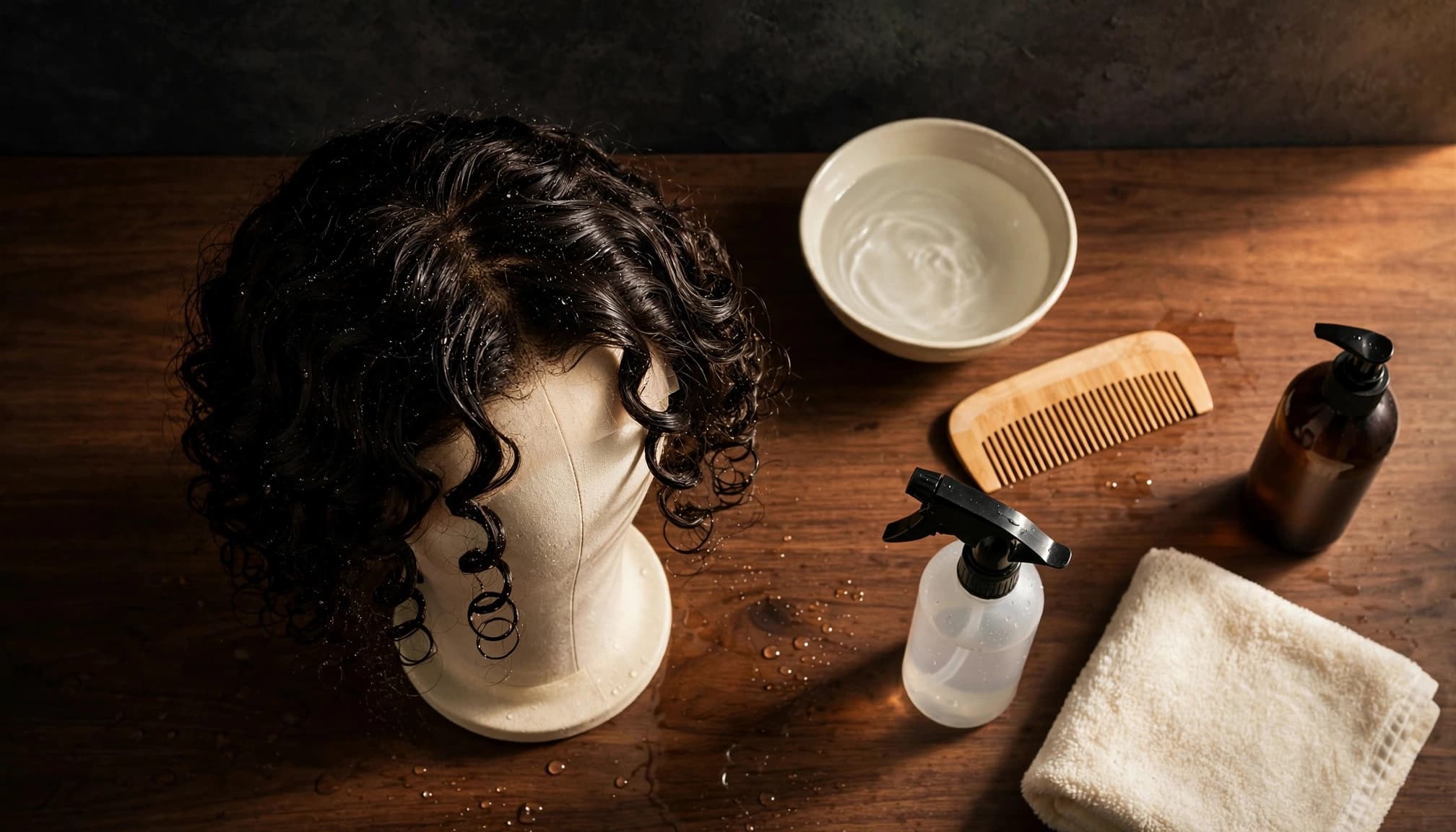
You may need:
- A spray bottle filled with water
- A wide-tooth comb
- A microfiber towel or soft T-shirt
- A lightweight curl cream or leave-in conditioner
- Heat protectant for any heat-assisted method
- Sectioning clips
- A diffuser or low-temperature blow dryer, if needed
Read the care instructions for your specific wig before washing or applying heat. Colored, bleached, very long, or heavily processed hair may need more cautious treatment than untreated hair.
Separate a small section near the back of the wig and test your product there. Check the hair after it dries. If it feels coated, stiff, rough, or unusually limp, use less product or choose a different formula.
How to Restore Wig Curls Without Heat
Heat-free restoration is the safest starting point for most beginners. It takes longer than using a curling iron, but it places less stress on human hair that may already be dry or fragile.
Detangle gently from the ends
Begin with dry or slightly damp hair. Hold a small section near the middle to reduce tension at the roots, then loosen the ends first. Work upward in short movements.
Use your fingers for tight curls and a wide-tooth comb for looser waves. Never drag a comb from the crown to the ends in one motion. That can pull out the curl pattern and increase shedding.
If you meet a knot, add a little water or leave-in conditioner and separate it with your fingers. Avoid brushing through the entire wig repeatedly. Curly hair usually looks fuller when you disturb it less.
Re-wet and reshape small sections
Divide the wig into manageable sections. Spray one section until it feels damp, then smooth a small amount of curl cream over the surface. Scrunch the hair upward toward the cap, following the existing curl direction.
For a tighter curl, wrap a small strand around your finger and release it without pulling. Repeat only where the pattern needs help. You don't need to manually coil every strand.
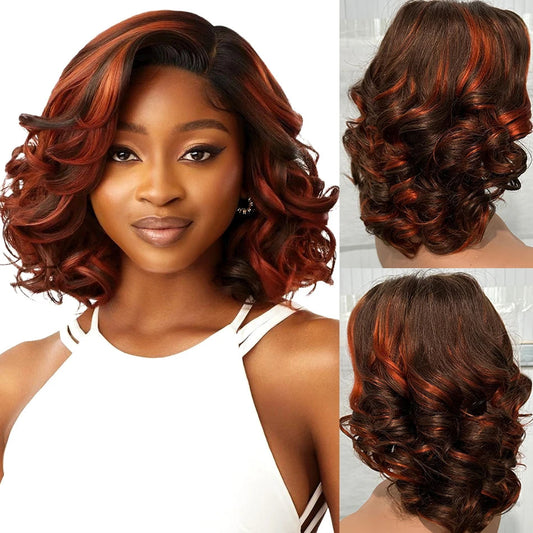
Product-specific guidance from Luxegan also describes wet-and-go styling for its ombre short bob curly wig. Treat that as a styling option for that product, not a guarantee for every human hair wig.
Dry without disturbing the pattern
Let the wig air-dry on its stand. Avoid rubbing it with a towel, laying wet curls on a rough surface, or repeatedly touching the strands while they dry.
Mandeville London's human hair wig washing guide also recommends natural air-drying, with limited dryer use around the roots when needed.
The wig must be fully dry before you judge the result. Curls can look loose while wet and become more defined as they finish drying. Once dry, separate only the curls that look stuck together.
How to Restore Wig Curls With Low Heat
Heat can help reshape curls that won't respond to water alone. However, human hair can still become dry, weak, or brittle from repeated high temperatures. Use this method only after trying a heat-free approach.
Protect and test before styling
Apply heat protectant to clean, damp or dry hair according to the product directions. Avoid soaking the wig in spray. Too much product can create stiffness and make the curls harder to shape.
Test the temperature on one hidden section. A care instruction page based on Jon Renau recommendations says human hair wig tools should stay no higher than 350°F. Still, your wig maker's instructions should take priority, especially if the hair is bleached, colored, or chemically treated.
Use the lowest setting that shapes the test strand. If the hair smells scorched, feels rough, or loses shine, stop immediately.
Use a diffuser or controlled curl tool
A diffuser on low airflow and low heat can help set damp curls without blowing them apart. Cup the ends gently, hold the diffuser in place briefly, then move to another section.
For a curling wand or iron, use small sections and short contact times. Match the tool to the wig's existing pattern instead of forcing a much tighter curl. Let each curl cool before separating it.
Keep heat away from lace, knots, elastic, and synthetic fibers in the cap. If you need to dry the roots, Mandeville London suggests a quick one to two minute dryer blast while allowing the lengths to air-dry.
Shop Curly Wigs
-
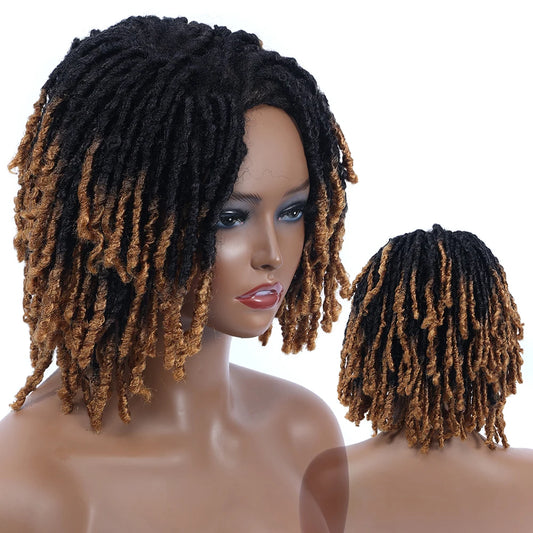
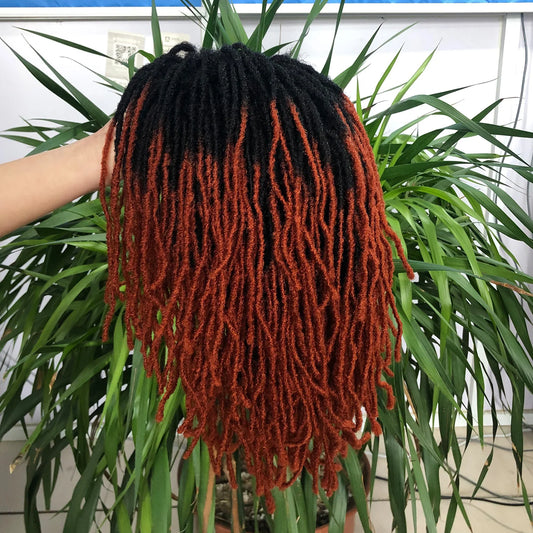
10" Braided Bob Wig | Afro Dreadlock Wig | Curly Ends | Synthetic Crochet Wig | Cosplay
Prezzo di listino Da $96.00 USDPrezzo di listino$122.00 USDPrezzo scontato Da $96.00 USDIn offerta -
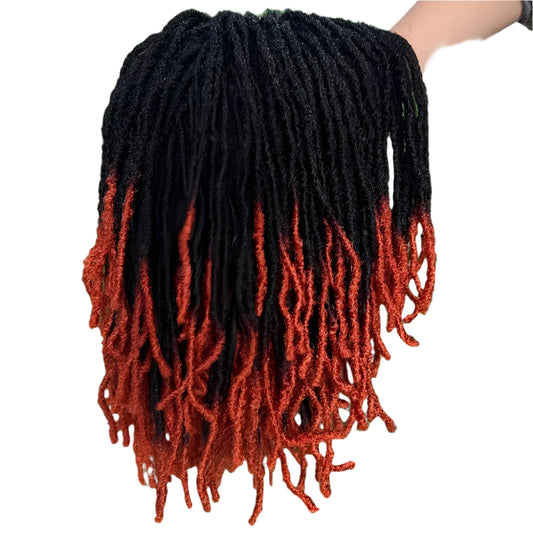
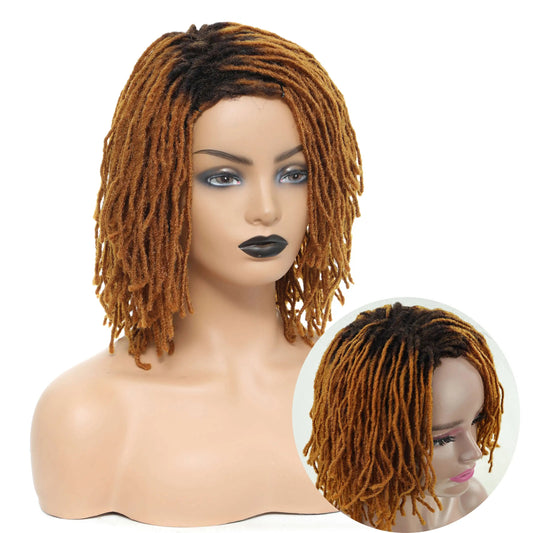
10" Short Braided Bob Wig | Faux Locs & Curly Twists | Black, Blonde, Red | Synthetic Hair
Prezzo di listino $153.00 USDPrezzo di listino$184.00 USDPrezzo scontato $153.00 USDIn offerta -
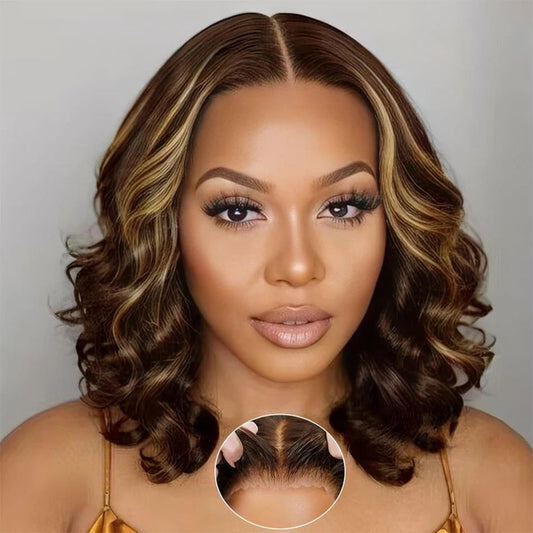
100% Human Hair Curly Bob Wigs | 5x5 HD Lace Closure, Glueless Ready to Wear
Prezzo di listino Da $261.00 USDPrezzo di listino$298.00 USDPrezzo scontato Da $261.00 USDIn offerta -
12 Inch Curly Faux Locs Dreadlock Wig | Machine or Headband Cap
Prezzo di listino Da $133.00 USDPrezzo di listino$160.00 USDPrezzo scontato Da $133.00 USDIn offerta -
12" Curly Boho Braids Bob Wig | 360 Full Lace | Knotless Box Braids | Baby Hair
Prezzo di listino $157.00 USDPrezzo di listino$179.00 USDPrezzo scontato $157.00 USDIn offerta -
12A Burmese Curly Wig | Sophisticated 13x6 HD Transparent Full Frontal | Elegant "Spiral Pixie Curls" 100% Virgin Human Hair | "Dignified" 18–34 Inch High-Density Remy Wig for Radiant Versatile Styling
Prezzo di listino Da $328.00 USDPrezzo di listino$0.00 USDPrezzo scontato Da $328.00 USD -
12A Double Drawn Spring Egg Curly Wig | 5x5 HD Lace | Glueless | Wear & Go | 250% Density | Brazilian Virgin Hair
Prezzo di listino Da $221.00 USDPrezzo di listino$0.00 USDPrezzo scontato Da $221.00 USD -
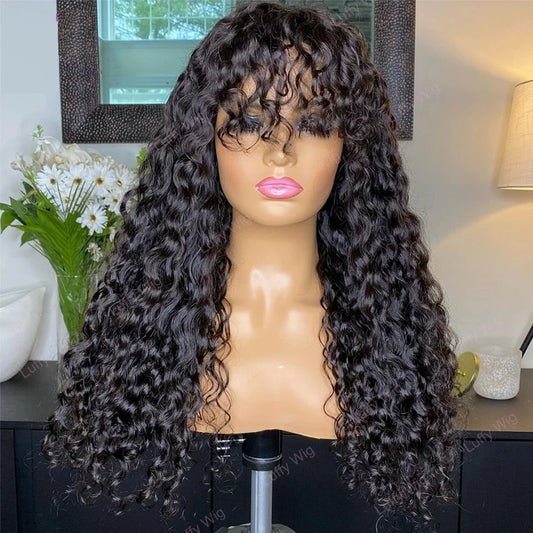
12A Grade Kinky Curly Human Hair Wig with Bangs | 100% Brazilian Virgin Human Hair Glueless Wig | Fully Machine-Made Water Wave & Jerry Curl Fringe Wig for Women
Prezzo di listino Da $154.00 USDPrezzo di listino$0.00 USDPrezzo scontato Da $154.00 USD





Know When Damage Limits Results
Human hair can lose its ability to hold a curl after severe heat exposure, chemical processing, coloring, or long-term friction. Dryness, split ends, a rough texture, and sections that remain straight after careful reshaping can indicate permanent damage.
A restoration process may improve the appearance without returning the wig to its original pattern. Trimmed ends can make the style look healthier, but cutting won't repair damaged hair higher up the strand.
Signs the wig may not fully recover
Stop trying to reset the curls if the hair:
- Snaps or sheds heavily during gentle detangling
- Feels gummy when wet
- Has widespread split or frayed ends
- Smells burnt after previous heat styling
- Stays stiff or straight after drying
At that point, a professional wig stylist can assess whether a trim, deep conditioning treatment, or partial restyle is practical. Avoid adding more heat in an attempt to force a result.
Mistakes That Flatten Curls Again
Brushing after the curls dry
Brushing a dry curly wig often separates the pattern into frizz and creates uneven volume. Detangle before styling, then use your fingers to separate only the areas that need fullness.
Eva Rawigs recommends detangling before and after wearing in its human hair wig care guide, but curly hair still needs a gentle technique. Use your fingers or a wide-tooth comb, and work from the ends upward.
Using too much product or water
Heavy creams, oils, and gels can weigh down curls. They can also attract dust and create buildup that makes the next restoration harder.
Start with a small amount and add more only when a section remains dry. Product should help the hair group into curls without leaving a sticky or greasy coating.
Heat is another common problem. Repeated high-temperature styling can change the hair's texture, even when the first result looks polished. Give the wig time between heat sessions and use air-drying whenever possible.
How to Maintain the Restored Curl Pattern
Store the wig on a stand or in a way that doesn't crush the curls. Keep it away from direct heat, damp bathrooms, and rough fabrics that can catch the ends.
Before wearing it, shake the wig gently at the cap and separate flattened sections with your fingers. A light water mist is often enough for minor reshaping. If your wig has a tighter texture, the P4/27 afro kinky curly wig illustrates how a defined pattern may respond to a wet-and-go styling routine, though every wig behaves differently.
Sleep or rest the wig on a smooth surface when possible. Keep long curls from being trapped under the cap or pressed against a chair. When you wash it, detangle first, use gentle products made for human hair, and let the lengths dry naturally.
FAQ
Can water alone restore wig curls?
Water can refresh curls that are only slightly stretched or dry. Mist a small section, scrunch it, and let it dry before deciding whether more product or styling is needed. Water may not restore a curl pattern that heat or chemical damage has permanently changed.
Should I brush a curly human hair wig?
Use a brush sparingly. Fingers or a wide-tooth comb are usually better for preserving curls. Detangle from the ends upward, and avoid brushing after the hair has dried unless you want a softer, fuller texture.
Can I use a curling iron on a human hair wig?
Yes, but use heat protectant, test a hidden strand, and follow the wig maker's temperature guidance. Choose the lowest effective setting and avoid repeated passes over the same section.
Why did my restored curls fall flat?
Excess water, heavy product, rough drying, high humidity, or brushing can weaken the shape. The hair may also be too damaged to hold the original pattern. Allow the wig to dry completely before evaluating it, then use less product during the next attempt.
Conclusion
To restore wig curls safely, start with gentle detangling, light moisture, and careful scrunching. Air-drying should be your first choice, while heat belongs only in a controlled, protected, strand-tested process.
A refresh can revive flattened curls, but severely damaged hair may not return to its original shape. Treat the wig gently each time you wear, wash, dry, and store it, and the restored pattern will last longer.