

Build a Skincare Routine by Skin Type
A skincare routine by skin type can help you choose products without filling your bathroom with half-used bottles. The basics stay consistent: gentle cleansing, regular moisturizing, and daily broad-spectrum SPF 30 or higher.
Your skin may also change with weather, hormones, age, stress, and new products. Start with a small routine, watch how your skin responds, and add active ingredients slowly. First, learn what your skin needs on an ordinary day.
Start with a simple skincare foundation
A beginner routine needs only a few well-chosen products. More steps don't automatically produce better results, especially when several formulas contain strong active ingredients.
In the morning, wash your face with a gentle cleanser if you wake up oily or sweaty. If your skin feels dry or sensitive, rinsing with lukewarm water may be enough. Avoid hot water, rough washcloths, and scrubs with sharp particles, which can leave skin feeling tight and irritated.
Next, apply moisturizer while your skin is slightly damp. A lightweight lotion or gel usually suits oily skin, while dry skin often feels better with a cream. Look for ingredients such as glycerin, ceramides, squalane, or hyaluronic acid. Fragrance-free products are often a better starting point for sensitive skin.
Finish with a broad-spectrum SPF 30+ sunscreen every morning. Use enough to cover your face, ears, neck, and other exposed areas. Reapply when you spend extended time outdoors, sweat heavily, or swim. The American Academy of Dermatology's basic skin care guidance also recommends keeping daily care gentle and consistent.
At night, cleanse away sunscreen, makeup, sweat, and pollution. Then apply moisturizer again. If you use a treatment product, place it between cleansing and moisturizing unless the label gives different directions.
A product can be gentle and effective, but a formula that stings every time doesn't belong in a beginner routine.
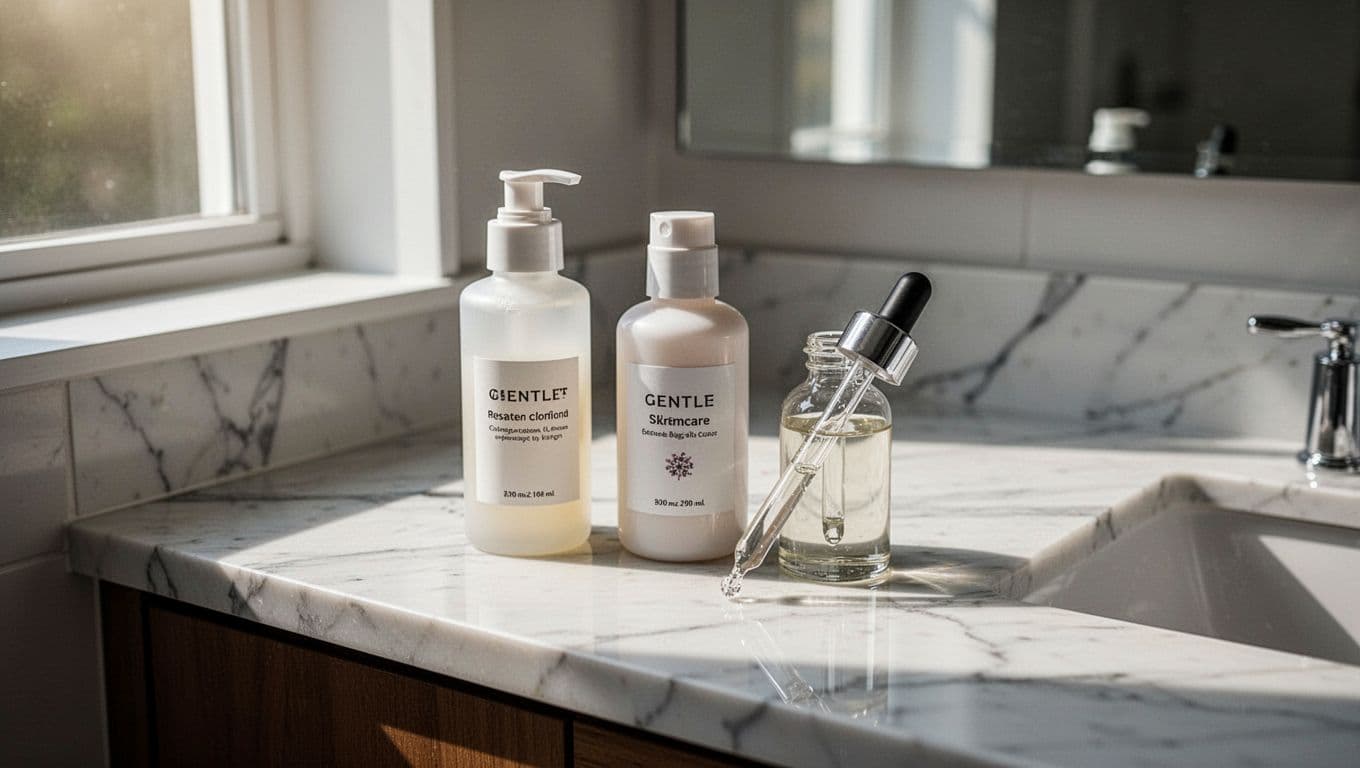
How to identify your skin type
Skin type describes how much oil your skin tends to produce and how it feels without products. It doesn't diagnose a condition. For example, sensitive skin can also be oily, dry, combination, or acne-prone.
Wash your face with a mild cleanser, pat it dry, and wait about 30 to 60 minutes without applying skincare. Observe how your face feels and looks:
- Dry skin may feel tight, rough, flaky, or uncomfortable after washing.
- Oily skin often develops shine across most of the face, especially around the forehead, nose, and chin.
- Combination skin tends to look oily through the T-zone while the cheeks feel normal or dry.
- Normal skin usually feels comfortable, with little flaking or excess shine.
- Sensitive skin may sting, burn, itch, flush, or become red after certain products.
Acne-prone skin is better understood as a recurring concern than a separate oil category. You may have clogged pores or breakouts while your skin is oily, dry, combination, or sensitive. Don't scrub harder or dry out your face in response to blemishes. That can make your routine harder to tolerate.
Patch test new products before applying them across your face. Put a small amount on the inner forearm or behind the ear, then follow the product's directions for repeated testing. Stop if you develop strong burning, swelling, hives, or a spreading rash.
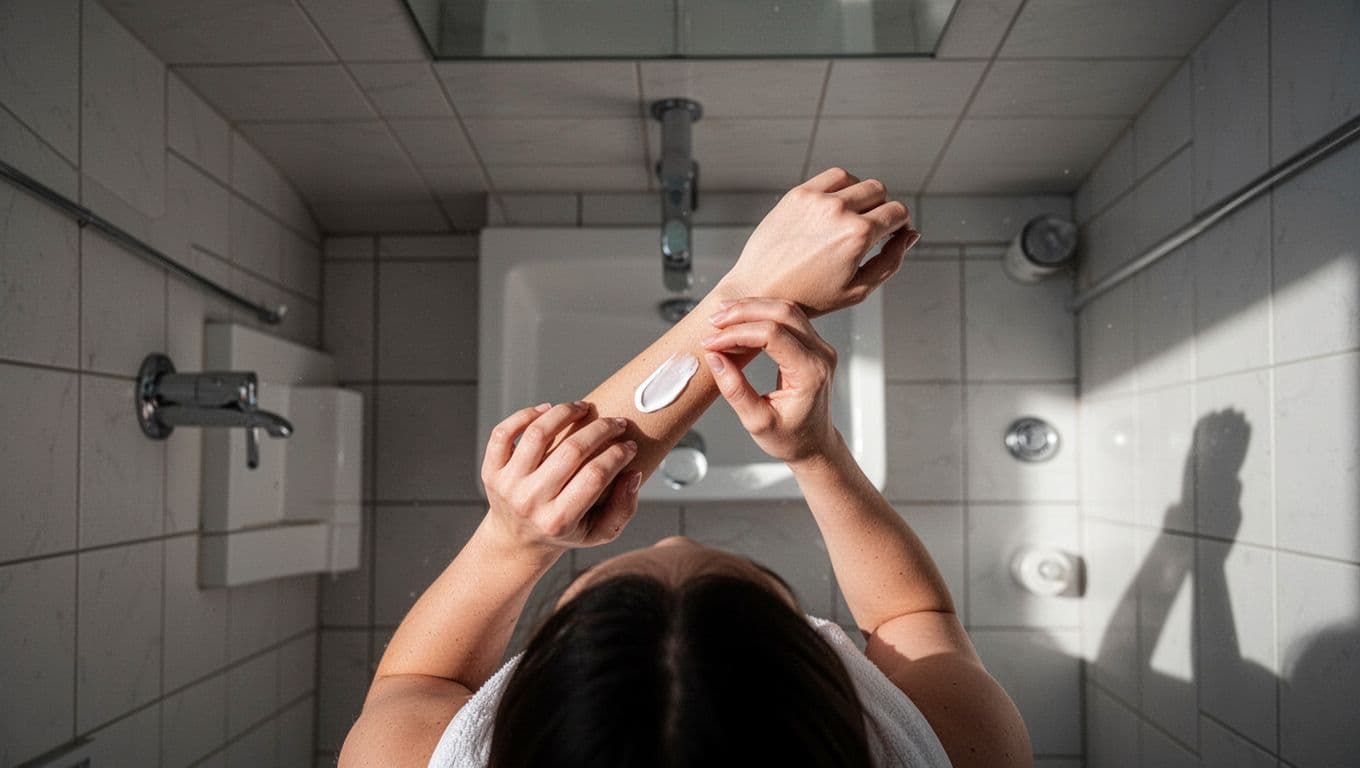
How to build a skincare routine by skin type
Once you understand your skin's oil level and sensitivity, choose textures and ingredients that support it. Your routine should feel comfortable enough to follow every day.
Oily skin
Use a gentle foaming or gel cleanser in the morning and evening. Choose a lightweight, non-comedogenic moisturizer, such as an oil-free lotion or gel cream. Oily skin still needs hydration, especially after cleansing.
A fluid or gel sunscreen can feel less heavy than a rich cream. If clogged pores are a concern, salicylic acid may help loosen oil and dead skin inside pores. Start with a low-strength product two or three nights per week rather than using it daily at once.
Skip harsh alcohol-heavy toners and repeated scrubbing. A tight, squeaky feeling after washing usually means the cleanser is removing too much surface oil.
Dry skin
Choose a creamy, non-foaming cleanser that removes buildup without leaving your face tight. Apply a richer moisturizer after washing, while a thin layer of petrolatum on dry areas can help reduce moisture loss at night.
Glycerin, ceramides, shea butter, and squalane are useful ingredients to consider. Keep showers and face washing lukewarm, and avoid applying exfoliating acids until your skin feels comfortable with the basic routine.
Daily sunscreen still matters for dry skin. Creamy SPF formulas can provide a more comfortable finish, but always choose a product you can apply generously and wear consistently.
Combination skin
Combination skin benefits from adjusting product texture by area. Apply a lightweight moisturizer across your face, then use a richer cream only on cheeks or other dry patches.
A gentle cleanser usually works across the entire face. If the T-zone becomes congested, apply salicylic acid to that area two or three times weekly instead of treating every part of your face. This approach limits unnecessary dryness on the cheeks.
Watch your skin across different seasons. You may need a lighter moisturizer in humid weather and a creamier formula during cold, dry months.
Sensitive skin
Keep the routine short and choose fragrance-free products with simple formulas. Cleanse gently, moisturize, and wear sunscreen before adding any treatment. Ingredients such as ceramides, glycerin, and colloidal oatmeal may feel comfortable, although every formula can affect people differently.
Introduce one new product at a time and patch test it first. Avoid adding retinoids, exfoliating acids, essential oils, and heavily fragranced products together. If sunscreen stings, a mineral formula containing zinc oxide or titanium dioxide may be worth trying.
Sensitivity that persists, worsens, or comes with significant redness deserves professional advice. The AAD's everyday skin care library includes guidance for common care concerns, but online information cannot replace an examination.
Acne-prone skin
Build an acne-friendly routine around a gentle cleanser, non-comedogenic moisturizer, and broad-spectrum sunscreen. For occasional clogged pores, salicylic acid can be useful. Benzoyl peroxide may help reduce acne-causing bacteria and inflammation, but it can dry the skin and bleach fabrics.
Choose one acne active and use it according to the label. Start every few nights if your skin is easily irritated. Keep moisturizing, because peeling and tightness can make consistent treatment difficult.
Avoid picking pimples and changing products every few days. Acne treatments often need time, while frequent switching makes it difficult to tell what helps or irritates your skin. Severe, painful, or scarring acne needs a dermatologist's care.
Shop Skincare
-
Revolution Skincare, Magic Make Up Melt, Soothing, Cleansing Balm, For Face, 150 ml
Prezzo di listino $14.95 USDPrezzo di listino -
Revolution Skincare, Cloud Clear, Niacinamide & IPC, Clarifying, Gel Cream, 50 ml
Prezzo di listino $20.05 USDPrezzo di listino -

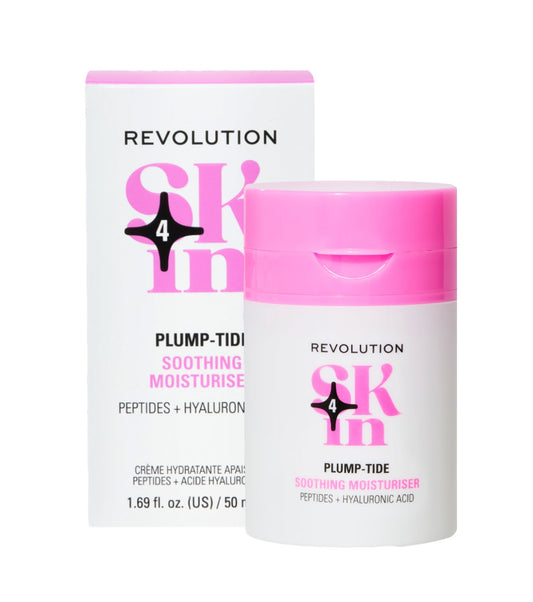
Revolution Skincare, Plump-Tide, Peptides & Hyaluronic Acid, Soothing, Cream, For Face, 50 ml
Prezzo di listino $19.75 USDPrezzo di listino -
Revolution Skincare, Hydra Heist, Hyaluronic Acid, Hydrating, Water Cream, For Face, 50 ml
Prezzo di listino $19.25 USDPrezzo di listino -
Revolution Skincare, Glyco Glow, 5% Glycolic Acid & Ginger, Brightening, Tonic Lotion, For Face, 150 ml
Prezzo di listino $18.22 USDPrezzo di listino -

Revolution Skincare, Pore Player, 2% Salicylic Acid, Clarifying, Tonic Lotion, For Face, 150 ml
Prezzo di listino $18.22 USDPrezzo di listino


Put products in the right order
Product order doesn't need to feel complicated. Use the lightest formulas first, then move toward thicker products.
- Morning: Cleanser or water rinse, treatment serum if needed, moisturizer, then sunscreen.
- Evening: Cleanser, treatment product, moisturizer.
- Makeup: Apply it after sunscreen has settled. Remove it before bed.
- Exfoliation: Use it on a separate night when possible, especially if you also use a retinoid or acne treatment.
Apply only the amount listed on the product label. More product can increase irritation without improving results. Give each new product several uses before judging its effect, unless you experience a clear reaction.
Sunscreen should be the final skincare step in the morning. A serum or moisturizer with SPF may not provide enough coverage if you apply only a small amount, so use a dedicated broad-spectrum sunscreen when sun protection is your priority. The American Academy of Dermatology's routine advice offers additional guidance on everyday product use.
Add active ingredients gradually
Once your cleanser, moisturizer, and sunscreen feel comfortable, add one active ingredient for a clear reason. Salicylic acid may suit oily or congested skin. Benzoyl peroxide can support acne care. Retinoids may help with acne and texture, but they can cause dryness and irritation during the adjustment period.
Use a new active two or three times per week at first. Follow with moisturizer, and avoid combining several exfoliants or treatments during the same evening. Keep the rest of your routine boring while your skin adjusts.
Stop a product if it causes intense burning, swelling, blistering, or a widespread rash. Consult a dermatologist for persistent irritation, severe acne, eczema, rosacea, painful breakouts, or skin changes that don't improve with gentle care. Skin type can guide product choices, but it doesn't explain every skin concern.
Conclusion
A successful skincare routine doesn't need a long product list. Match the cleanser and moisturizer to your skin's comfort, use broad-spectrum SPF 30 or higher every morning, and introduce treatments one at a time.
Your skincare routine by skin type should support your skin rather than punish it. When a routine feels calm, practical, and easy to repeat, you're more likely to keep using it long enough to see what truly works.