

How to Wash Sew-In Extensions Without Tangling
A wash can leave your sew-in smooth, or turn the lengths into a knotty, matted mass. The difference often comes down to how you prepare, where you apply products, and how thoroughly you dry the braided base.
To wash sew-in extensions with less friction, keep the hair hanging in its natural direction and work in small sections. Your stylist's directions and the hair manufacturer's care instructions should guide the routine, since textures and fibers respond differently to water and products.
Key Takeaways
- Detangle the dry lengths before washing, working from the ends upward.
- Keep your head upright and the extensions hanging down as you wet, cleanse, and rinse.
- Focus shampoo on the scalp, then smooth suds through the lengths without rough scrubbing.
- Apply conditioner mainly to the extension hair, away from tracks and braids.
- Dry the hair and the base thoroughly before tying it up or going to bed.
Why Technique Matters When You Wash Sew-In Extensions
A sew-in has several areas that need attention: your scalp, the cornrow base, the tracks, and the loose extension lengths. The hair can twist around itself when it's flipped over, rubbed in circles, or left to bunch up while wet. Product residue around the tracks can also make the base feel heavy.
Water and shampoo are still important for scalp care. Oil, sweat, and styling products can collect beneath a protective style, so plan a gentle cleanse rather than avoiding washing altogether. StyleSeat's sew-in washing steps also emphasize cleansing the scalp and drying the weave.
The goal isn't to scrub every part with equal force. Clean the scalp with your fingertips, smooth the lengths in one direction, and give yourself enough time to rinse and dry.
Prepare Before Washing
Good preparation makes the wet stage easier. Set out a mild shampoo, lightweight conditioner, towel, and a wide-tooth comb. If your stylist recommended a specific cleanser or wash method, use that instead.
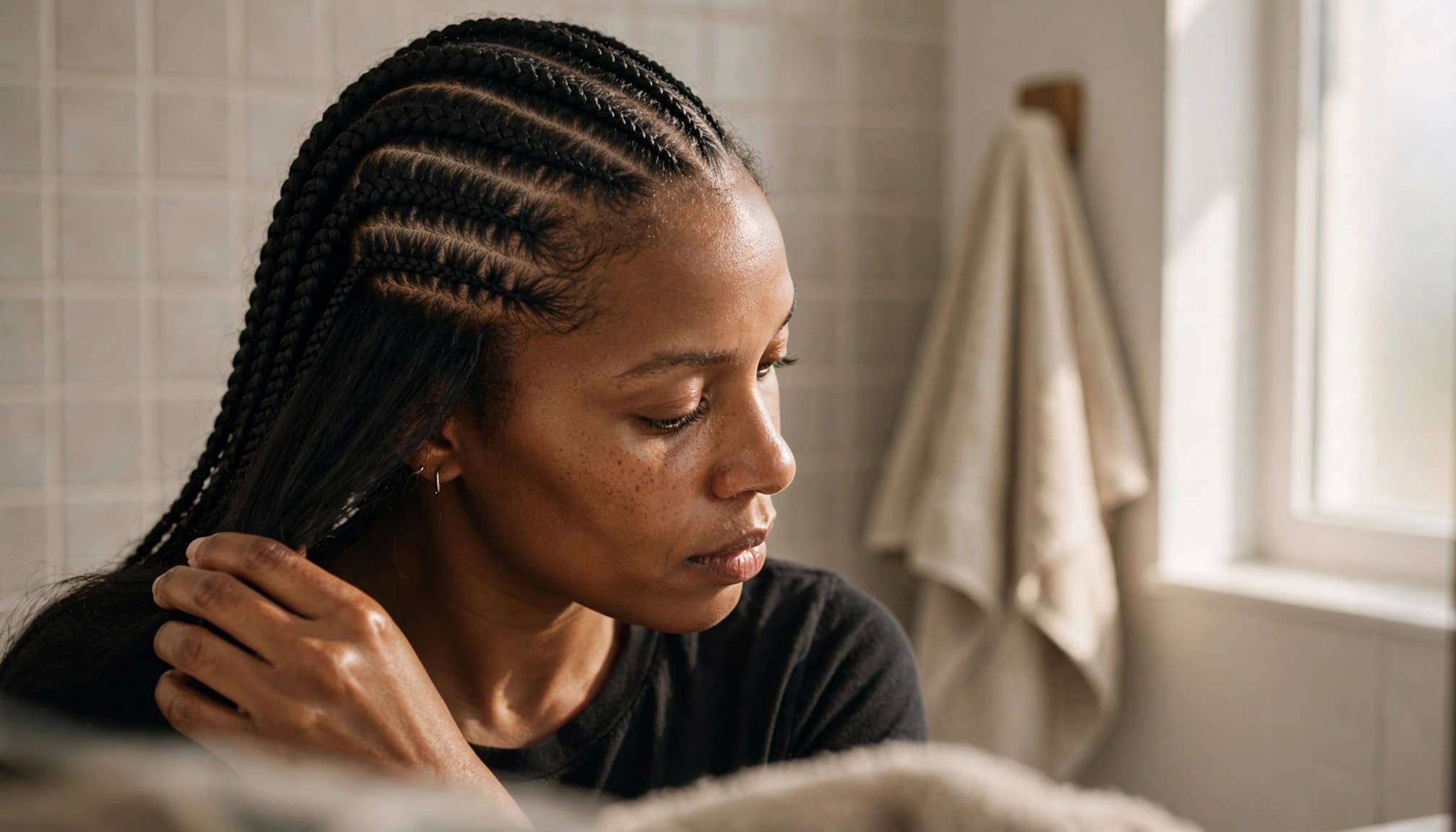
Check the scalp and base
Part the hair gently in a few places to check for soreness, buildup, or areas that need extra attention. Don't pull at the braids or tracks. If you notice persistent itching, tenderness, or an unusual odor, ask your stylist or a healthcare professional for advice before washing.
If the install feels loose or a track is lifting, contact your stylist rather than tugging it back into place. Washing a compromised sew-in can add strain to your natural hair.
Detangle the dry lengths first
Start at the ends and work upward in small sections. Hold each section above the area you're combing to reduce pulling at the tracks. A wide-tooth comb or your fingers can help separate shed hairs before they wrap around the extensions.
Curly and wavy textures may need finger detangling to preserve their shape. Luxegan's care notes for Brazilian curly human hair weave bundles recommend gentle detangling and a wide-tooth comb. Follow the instructions for your specific hair, since a brush that works for straight extensions may disrupt curls.
Cleanse the Scalp and Extensions
Use lukewarm water unless the manufacturer or stylist recommends otherwise. Stand upright or lean back slightly, keeping the extensions directed down your back. Avoid flipping your head forward, which lets the lengths fold and rub together.
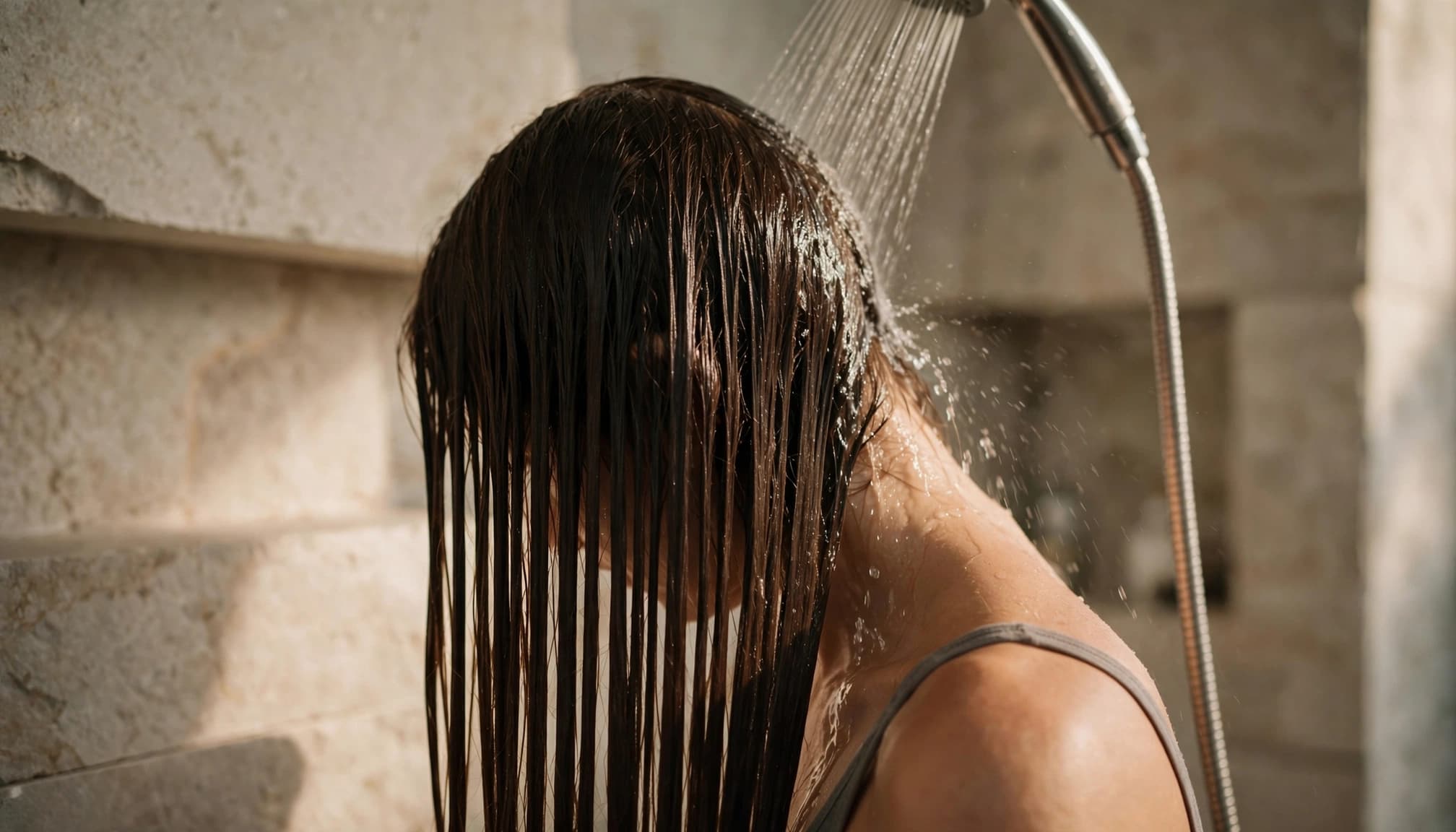
Wet the hair without rough movement
Let water run over the scalp and lengths until the hair is evenly wet. Use your fingers to separate the extension hair into manageable sections, but don't rake through it while it's soaked. Keep each section hanging down rather than piling it on top of your head.
If the lengths are very thick, take extra time to let water reach the hair beneath the top layer. A gentle rinse helps loosen surface residue before shampooing.
Clean the scalp, then rinse downward
Apply a small amount of shampoo to the scalp. Use the pads of your fingers to massage along the part lines and between the braids. Move gently back and forth, rather than making circular motions that can twist loose hairs around the base.
Smooth the lather down the extension lengths with your palms. Avoid bunching, scrubbing, or rubbing the hair between your hands. Rinse with the water flowing from roots to ends until it runs clear and the hair no longer feels slick with shampoo.
For another example of gentle product use, Luxegan's directions for washing and caring for Afro kinky bulk hair advise smoothing mild shampoo through the hair instead of scrubbing roughly. That advice is product-specific, so check the care instructions for your extensions.
Condition and Detangle Without Pulling
Conditioner softens the lengths, but heavy product near the tracks or cornrows can leave buildup at the base. Squeeze excess water from the extension hair first, then apply a small amount of lightweight conditioner where the hair needs it.
Keep conditioner off the base
Spread conditioner mainly through the mid-lengths and ends. Use your fingers or palms to smooth it in a downward direction. Don't work a thick mask into the braids unless your stylist specifically recommends it.
Leave the conditioner on only as long as its label directs, then rinse thoroughly. If the hair feels coated afterward, continue rinsing rather than adding another product to cover the residue. Product needs vary by fiber and texture, so avoid assuming that human hair and synthetic extensions require the same conditioner.
Detangle gently while the hair has slip
If the extensions still have knots, divide them into sections and work from the ends upward. Keep a hand above the area you're combing to steady the hair and limit tension on the sew-in. For curls, separate knots with your fingers first; then use a wide-tooth comb only if the care instructions allow it.
Don't force a comb through a tight tangle. Add a little water or the recommended detangling product to the extension lengths, loosen the knot with your fingers, and continue slowly. Stop if detangling pulls at the tracks or causes discomfort.
Shop Hair Bundles
-
12A Deep Wave Remy Human Hair Bundles | 30 to 32 Inch Weft Extensions
Prezzo di listino $364.00 USDPrezzo di listino$0.00 USDPrezzo scontato $364.00 USD -
High-Temperature Synthetic Body Wave Hair Extensions – 26 & 30 Inch | Piano & Ombre Colors | 150g–200g Bundle
Prezzo di listino Da $70.00 USDPrezzo di listino$93.00 USDPrezzo scontato Da $70.00 USDIn offerta -

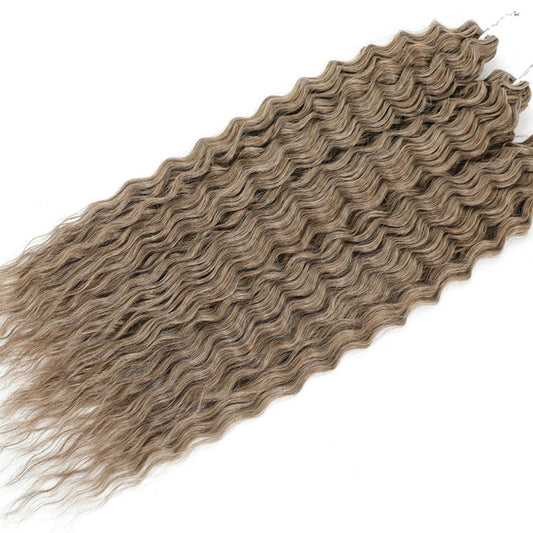
22 Inch Deep Water Wave Crochet Braids – 3 Pcs 300g Bio-Protein Synthetic Hair Bundles for Women
Prezzo di listino $119.00 USDPrezzo di listino$159.00 USDPrezzo scontato $119.00 USDIn offerta -

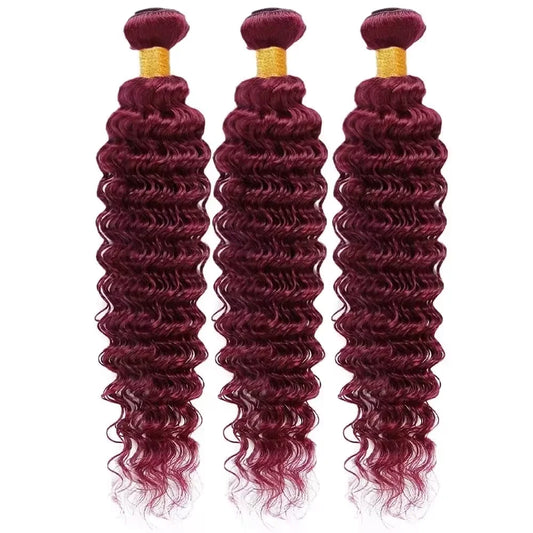
#99J Deep Wave Brazilian Virgin Human Hair Bundles | Burgundy Remy Hair Weave | 16–30 Inch
Prezzo di listino $244.00 USDPrezzo di listino$279.00 USDPrezzo scontato $244.00 USDIn offerta -

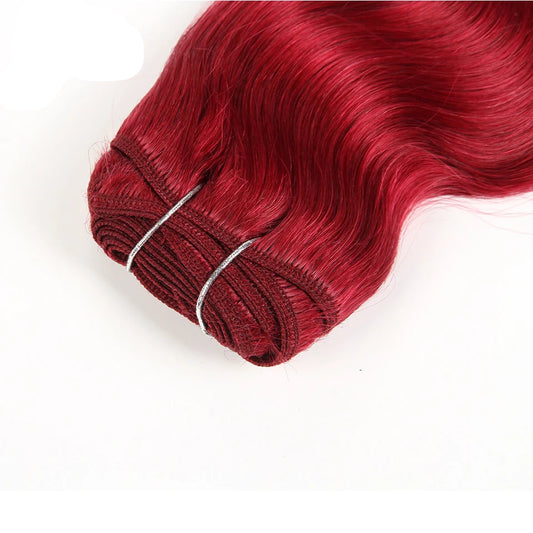
Brazilian Natural Body Wave Remy Human Hair Bundle | Colored #27 #30 #99J Burgundy | 10–22 Inch
Prezzo di listino Da $80.00 USDPrezzo di listino$107.00 USDPrezzo scontato Da $80.00 USDIn offerta -
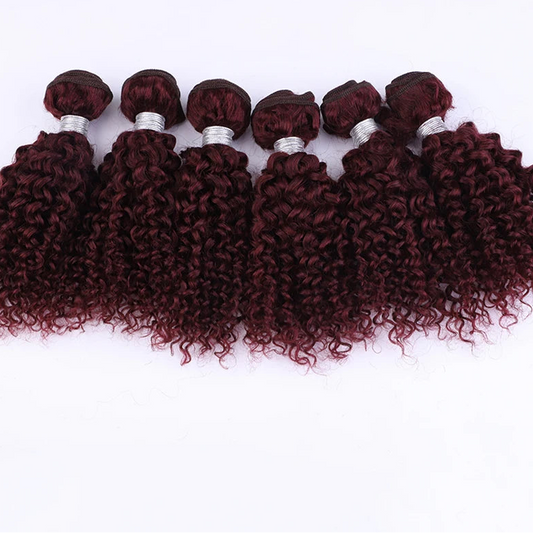
Brazilian Kinky Curly Human Hair Bundles | 100% Remy Jerry Curly Extensions 6Pcs 99J
Prezzo di listino $131.00 USDPrezzo di listino$158.00 USDPrezzo scontato $131.00 USDIn offerta -
Burgundy Body Wave Human Hair Bundles – 99J Red Colored Brazilian Remy Hair
Prezzo di listino Da $129.00 USDPrezzo di listino$0.00 USDPrezzo scontato Da $129.00 USD -
Brazilian Curly Hair 4 Bundles – Short Double Drawn Remy Human Hair Weave (5 5 6 7 Inch) for Black Women
Prezzo di listino Da $131.00 USDPrezzo di listino$157.00 USDPrezzo scontato Da $131.00 USDIn offerta






Dry the Sew-In Completely
A dry outer layer doesn't mean the braided base is dry. Water can linger close to the scalp, so check the roots and braids before styling or covering your hair. Drying fully also helps avoid leaving moisture trapped in the install, which can contribute to musty odors or mildew risk.
Blot, don't twist
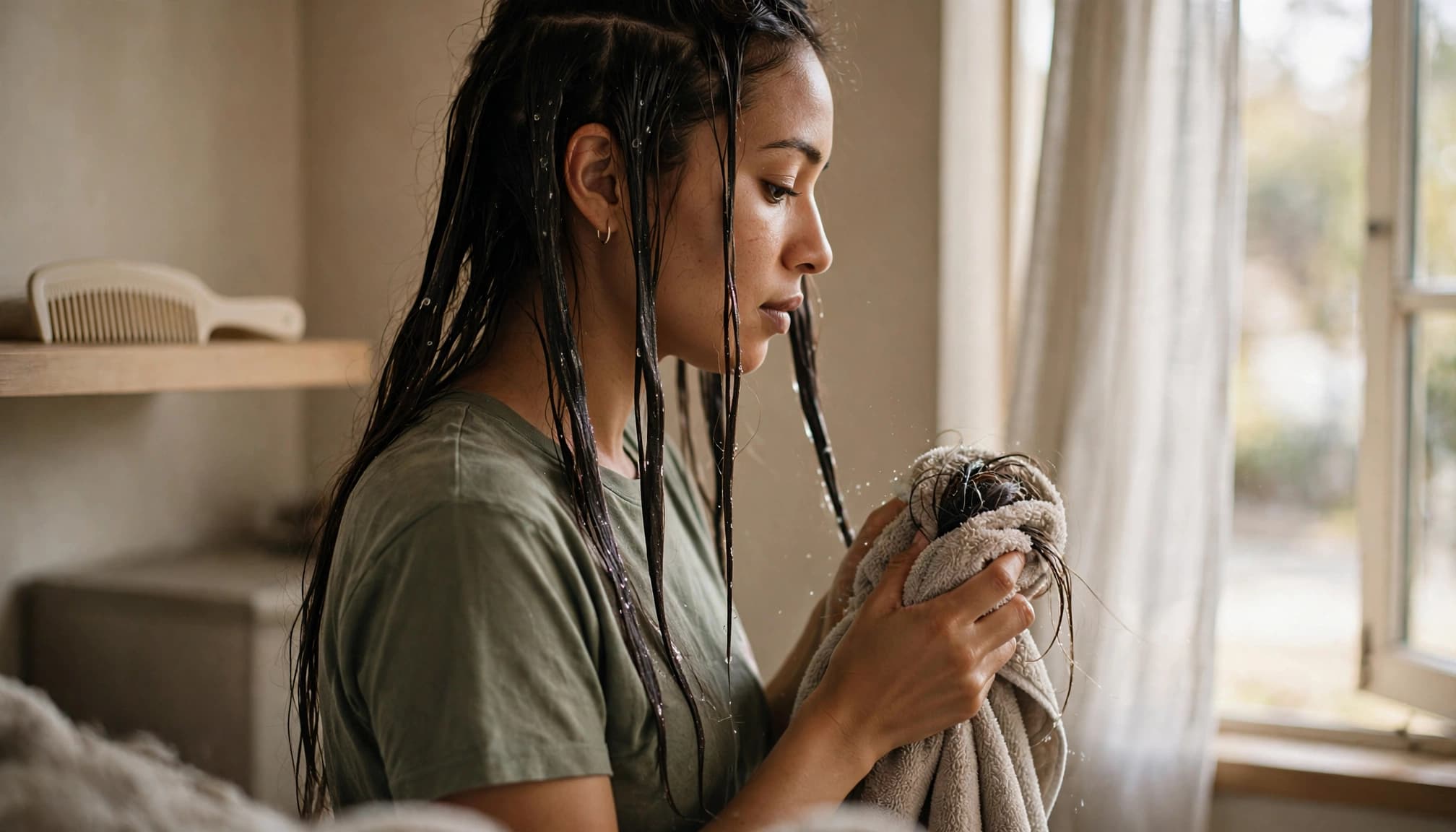
Use a soft towel or microfiber towel to press out excess water. Blot the lengths without rubbing them back and forth, and don't twist the hair into a tight towel wrap. Keep the extensions separated into loose sections so air can reach them.
A towel can remove surface water, but it won't dry the base on its own. RevAir's protective-style moisture guidance also stresses that drying matters after cleansing.
Let the roots and tracks dry fully
Air-dry with the hair loose and the room well ventilated. If you use a blow dryer or hooded dryer, choose a setting that's safe for your hair and extensions, and follow your stylist's directions. Don't tie up damp hair or go to bed while the braids still feel wet.
Check close to the scalp with clean fingers. The base should feel dry, not cool or damp. If your hair takes a long time to dry or feels wet underneath, continue drying before styling. For ongoing scalp irritation, Flexitol offers scalp care guidance for weaves and extensions, but persistent symptoms should be discussed with a qualified professional.
Adapt the Routine to Your Hair and Sew-In
There isn't one wash schedule or product list that suits every install. Follow the timing recommended by your stylist, and adjust for your scalp, lifestyle, and the hair's care label. If you exercise often or use styling products, you may need to cleanse more regularly than someone whose scalp stays comfortable between washes.
Texture matters, too. Straight extensions are easy to smooth downward, while deep waves and curls need gentler handling to maintain their pattern. Some product-specific instructions recommend testing a small section because washing can change the texture or volume. For long straight hair, review the care directions for your bone straight Brazilian sew-in bundles rather than assuming every bundle responds the same way.
For synthetic hair, use only products and heat methods approved by the manufacturer. Human hair extensions may tolerate different care, but that doesn't mean every shampoo, conditioner, or dryer setting is suitable. When in doubt, ask the stylist who installed the sew-in.
Conclusion
A tangle-resistant wash depends on gentle movement and a consistent downward direction. Clean the scalp with your fingertips, condition the lengths sparingly, and detangle without pulling at the tracks.
Most importantly, don't rush the drying stage. When the extension lengths and braided base are both dry, you can style your sew-in with greater confidence.
FAQ
How often should I wash a sew-in?
Follow your stylist's guidance and the hair manufacturer's instructions. Your scalp and styling habits matter, so a schedule that works for one person may not suit another. Cleanse when your scalp needs it, and allow enough time to dry the base afterward.
Can I wash a sew-in in the shower?
Yes, if you can keep the lengths directed down and avoid flipping your head over. Use a gentle stream and separate the extensions into sections so they don't twist together.
Should I use conditioner on the tracks?
Usually, keep conditioner on the extension lengths and away from the tracks and braids to limit residue. Follow your stylist's instructions if they recommend a different method.
What should I do if the extensions tangle while wet?
Pause instead of pulling. Separate the section with your fingers, add a small amount of suitable detangler if allowed, and work from the ends upward. If the knot is close to a track or you feel tension at the base, ask your stylist for help.