

Wig Color Guide for Natural Black, Brown, and Blonde Hair
A wig can look expensive and realistic in one shade, then appear flat or harsh in another. This wig color guide helps you choose black, brown, or blonde hair that works with your skin tone, undertone, contrast level, and preferred maintenance routine.
The most natural shade usually includes some dimension. Soft roots, fine highlights, or a slightly softened base can make a wig look more believable than a single, solid color. Before you choose, learn how wig color names work and how to assess photos accurately.
How to Read Wig Color Names and Codes
Wig brands often use numbers, letters, and descriptive names to identify shades. However, color codes and shade names vary by brand, so a code is never a perfect guarantee of the final color.
Many companies use codes such as these as general references:
| Common code | Often describes | Typical appearance |
|---|---|---|
| 1 | Jet black | Deep, solid black with a strong contrast |
| 1B | Natural black | Soft black that looks less inky |
| 2 | Dark brown-black | Brown-black with more visible warmth |
| 4 | Dark brown | Noticeable brunette color |
| 6 or 8 | Medium brown | Lighter brown, often warm or neutral |
| 27 or 30 | Copper or auburn brown | Brown with red, copper, or golden warmth |
| 613 | Pale blonde | Light blonde, often with a yellow-gold cast |
These references are useful starting points, not fixed industry rules. One brand's 4 may look cooler or lighter than another brand's 4. A shade called "honey blonde" may appear golden on one product page and beige on another.
Read the full product description, then compare the manufacturer's color chart with customer photos. If the listing includes a video, look at the hair in motion. A wig can appear darker when the fibers overlap and brighter when sunlight reaches the individual strands.
How to Use a Wig Color Guide With Your Undertone
Your skin's undertone is the subtle color beneath the surface. It can be warm, cool, or neutral, though many people sit between categories. Undertone can help narrow your choices, but it doesn't decide the right shade by itself.
Your natural contrast also matters. Someone with deep skin and dark eyes may prefer a rich espresso wig, while another person with similar coloring may enjoy a bright honey blonde. Both choices can work when the shade fits their style and the amount of contrast they want.
Warm undertones
Warm undertones often have golden, peach, olive, or yellow hints. Brown shades with warmth may include chestnut, caramel, cinnamon, honey brown, and golden brunette. Golden blonde, beige blonde, and warm balayage can also complement warm coloring.
Black hair may look more natural when it has a brown cast instead of a blue-black finish. A dark brown root can soften a very deep shade without making the wig appear light.
Cool undertones
Cool undertones may show pink, red, bluish, or neutral hints. Ash brown, mushroom brown, cool espresso, and soft black can suit shoppers who prefer less gold in their hair. Ash blonde, pearl blonde, and beige blonde offer cooler options.
Very yellow blonde may create more contrast than you want. If you like light hair but prefer a balanced result, look for a beige blonde with a darker root.
Neutral undertones
Neutral undertones can often support both warm and cool shades, but that doesn't make every color universally flattering. Your eye color, clothing preferences, makeup, and natural hair depth still affect the result.
When you're unsure, compare a few shades beside your face in natural window light. A neutral brunette, soft black, or rooted beige blonde can offer a middle ground without looking dull.
Your undertone narrows the choices, but your desired contrast decides how bold the finished look feels.
Decoding Black Wig Shades Beyond Jet Black
Jet black is dramatic, polished, and easy to recognize. Yet a solid black wig can look severe when the color is much darker than your natural hair or when it has a blue-toned finish. Direct flash can make this effect even stronger.
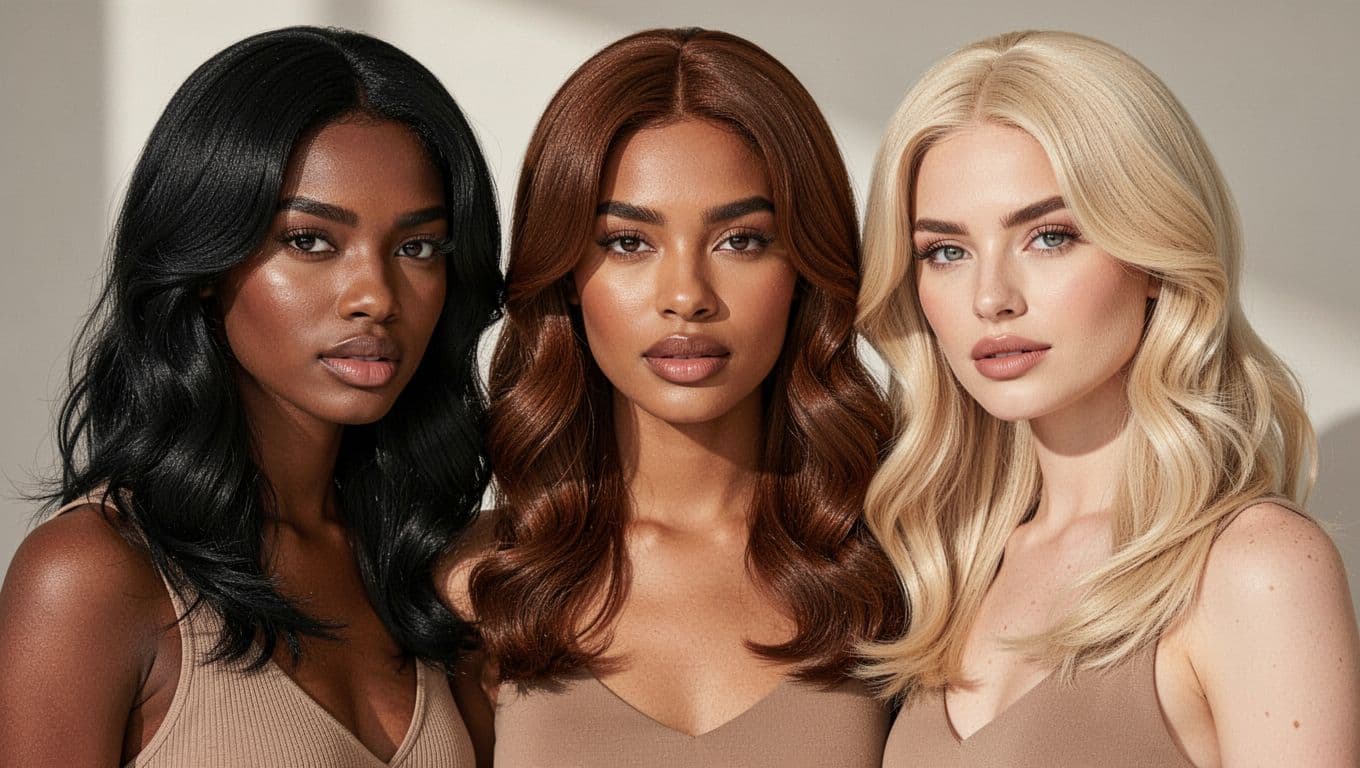
Natural black, often labeled 1B, usually offers a softer appearance. It still looks rich and dark, but it has less of the flat, painted effect associated with some jet-black fibers. A brown-black shade, often listed near code 2, adds another layer of softness.
If you want black hair with added realism, look for a wig with a subtle brown root, scattered dark-brown strands, or a light gloss variation. These details become more visible under daylight and can prevent the hair from looking like one uninterrupted block of color.
A black wig also needs the right lace or cap color. Even an attractive shade may look less natural if the lace is poorly matched or the parting lacks believable depth. Check close-up photos before ordering, especially for a straight style with a visible middle or side part.
Brown Wig Colors That Look Believable
Brown is often the easiest color family to personalize because it includes many levels of depth and warmth. The most natural option usually sits near your own hair color, then adds a controlled change in richness, brightness, or tone.
Espresso and cool mocha work well for shoppers who want a deep brunette without true black. Chocolate brown gives a softer, warmer impression. Chestnut and auburn brown add red or copper notes, while caramel brown brings visible golden warmth.
Use the shade description as a guide, then inspect the actual fibers in the product photos. Words such as "mocha," "toffee," and "latte" aren't standardized color codes. A brand may use them for very different shades.
Consider these practical differences:
- A deep espresso wig creates less brightness around the face and usually looks polished with minimal color contrast.
- Chocolate or chestnut brown adds warmth without the maintenance of a very light shade.
- Caramel and honey-brown pieces brighten the style, especially when highlights are concentrated around the face.
- Auburn shades can look redder in sunlight, so review outdoor customer images before buying.
Subtle highlights often look more realistic than thick, evenly spaced stripes. Balayage, face-framing pieces, and blended ends create movement while keeping the base color believable. If you want a low-maintenance appearance, choose highlights only a few levels lighter than the base.
Shop Brown Wigs
-
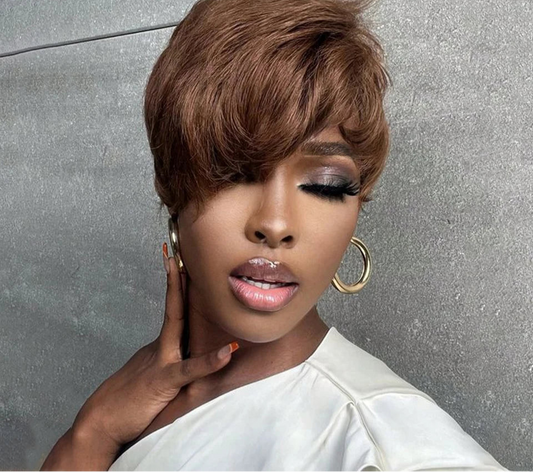
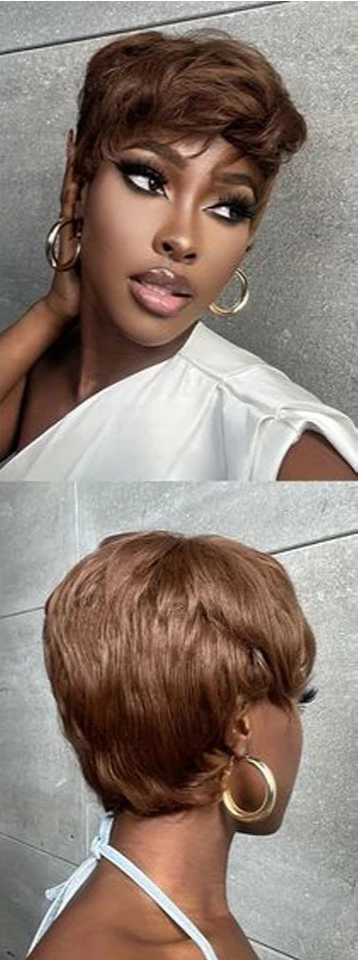
#4 Brown Pixie Short Cut Wig with Bangs | Straight Human Hair Full Machine Made
Prezzo di listino $105.00 USDPrezzo di listino$126.00 USDPrezzo scontato $105.00 USDIn offerta -
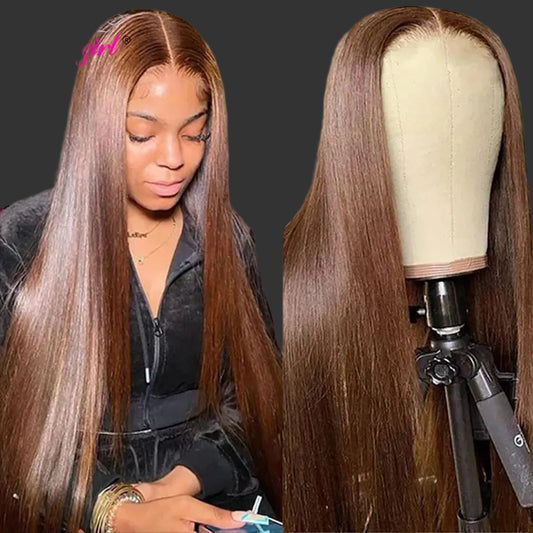
#4 Chestnut Brown Straight Lace Front Wig | 13x4 & 13x6 Transparent Swiss Lace Frontal Wig | 150% & 180% Density 100% Brazilian Remy Human Hair Long Closure Wig for Women (26+ Inch)
Prezzo di listino Da $364.00 USDPrezzo di listino$0.00 USDPrezzo scontato Da $364.00 USD -
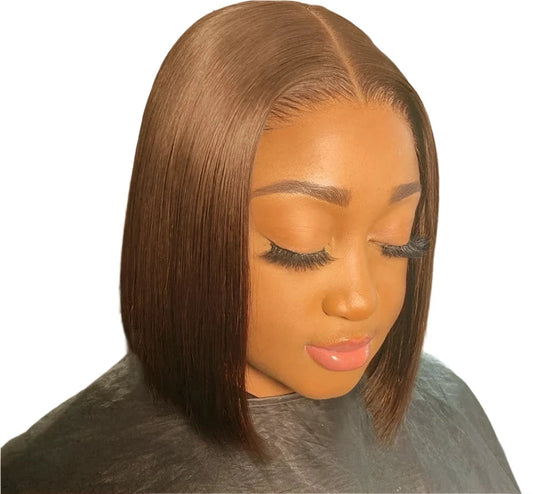
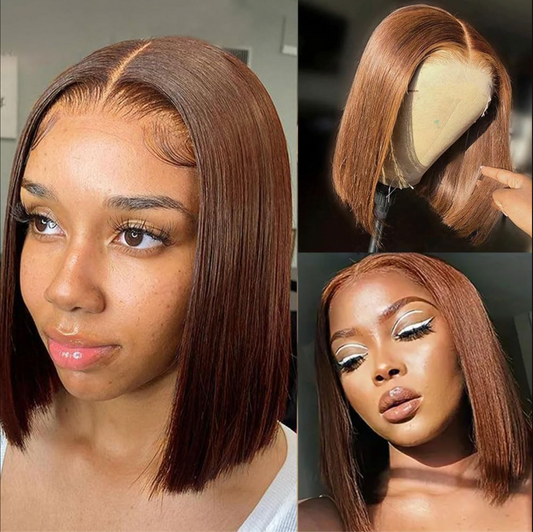
#4 Chocolate Brown Bob Wig | Glueless | Ready To Wear | Brazilian Hair | Human Hair | Straight | Invisible | Closure Wigs For Women
Prezzo di listino Da $151.00 USDPrezzo di listino$172.00 USDPrezzo scontato Da $151.00 USDIn offerta -
#4 Chocolate Brown Straight Bob Wig | Sophisticated 200% Density HD Transparent Lace Frontal | Elegant "Short Bob" Silhouette | "Dignified" Pre-Plucked Brazilian Remy Human Hair for Radiant Versatile Styling
Prezzo di listino $150.00 USDPrezzo di listino$200.00 USDPrezzo scontato $150.00 USDIn offerta -
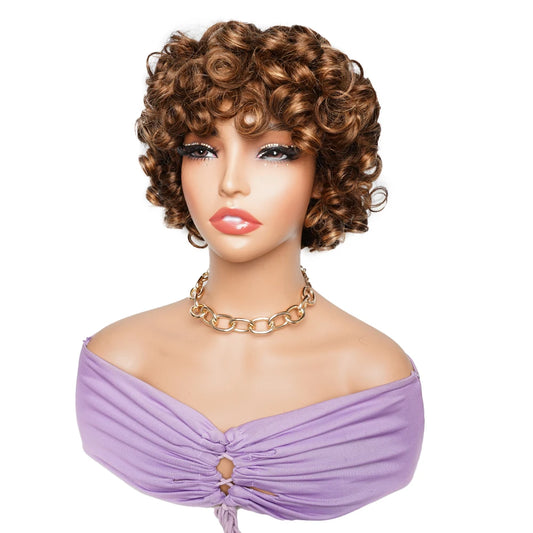
10-Inch Loose Wave Short Bob Human Hair Wig - 250% Density Full Machine-Made Glueless Wig - 100% Indian Remy Human Hair natural Color, Brown & Burgundy (#99J) Wig for Women
Prezzo di listino $165.00 USDPrezzo di listino$189.00 USDPrezzo scontato $165.00 USDIn offerta -
14-Inch Brown Short Bob Wig | Sophisticated 180% Density Glueless Lace Frontal | Elegant "Soft Straight" Silhouette | "Dignified" High Temperature Fiber for Radiant Versatile Styling
Prezzo di listino $167.00 USDPrezzo di listino$200.00 USDPrezzo scontato $167.00 USDIn offerta -
16-Inch Chocolate Brown Straight Bob Wig | Sophisticated 13x4 & 4x4 HD Transparent Lace | Elegant "Short Bob" Silhouette | "Dignified" Pre-Plucked Vietnamese Remy Human Hair for Radiant Versatile Styling
Prezzo di listino Da $157.00 USDPrezzo di listino$180.00 USDPrezzo scontato Da $157.00 USDIn offerta -
16-Inch Chocolate Brown Straight Bob Wig | Sophisticated 13x4 HD Transparent Lace Frontal | Elegant "Short Bob" Silhouette | "Dignified" Pre-Plucked Vietnamese Remy Human Hair for Radiant Versatile Styling
Prezzo di listino $197.00 USDPrezzo di listino$225.00 USDPrezzo scontato $197.00 USDIn offerta





Blonde Wig Shades: Ash, Beige, Honey, and Golden
Blonde wigs need closer attention because small tone changes are easy to see. Platinum, ash, beige, honey, golden, and caramel blondes can create very different results, even when they appear similar in a small online thumbnail.
Ash blonde has gray, smoky, or muted tones. Beige blonde sits closer to neutral. Honey and golden blondes have yellow or warm notes, while caramel blonde usually combines a deeper base with warmer light pieces. Platinum is among the lightest options and often creates the strongest contrast.
A rooted blonde is a practical choice when you want brightness without a solid, artificial-looking cap. Darker roots add depth near the part and create a smoother transition into the face. The root should still look blended. A sharp, overly dark line can look painted rather than grown out.
Think about styling and upkeep before choosing a pale shade. Light fibers can show makeup, oils, and product buildup more easily. Human-hair wigs may be professionally toned when the fiber allows it, but synthetic wigs generally aren't suitable for standard hair dye or bleach.
For a wearable blonde, compare the shade with your usual makeup and wardrobe. A color that looks balanced with a bare face may feel different when you wear strong lipstick or high-contrast clothing. No blonde shade flatters everyone, so personal preference and overall styling remain part of the decision.
Rooted and Highlighted Shades Add Realistic Dimension
A single-color wig can work, especially when the cut and hairline are convincing. Still, subtle dimension often makes color look more natural. Rooted, highlighted, and ombre wigs break up large areas of uniform color.
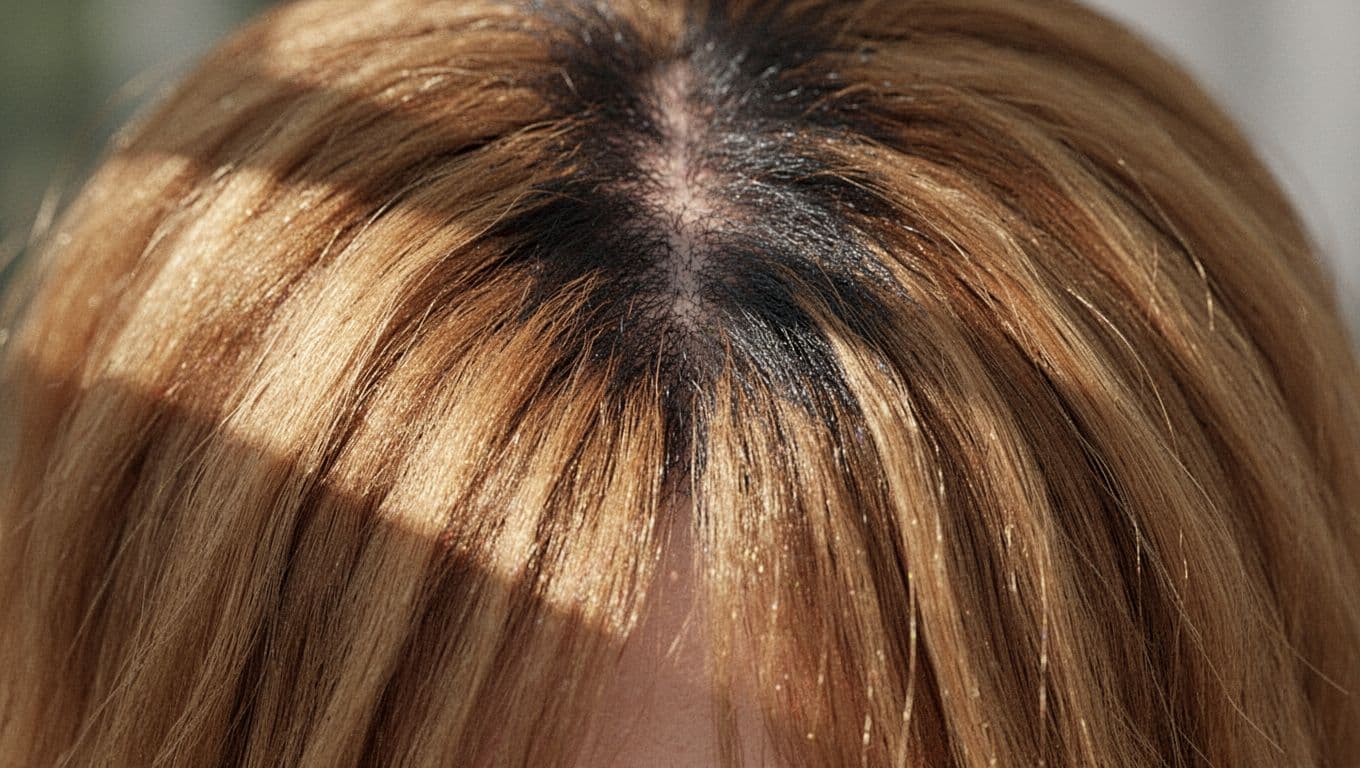
A shadow root is darker near the part and gradually blends into the main shade. This detail works well on blonde, brown, and some black wigs. A soft ombre changes gradually toward the ends, while balayage places lighter pieces through selected sections.
Look for color that varies in width and placement. Real hair rarely has perfectly identical highlights across every strand. Fine pieces near the front can brighten the face, but too many bright sections may make the wig look more like a costume color.
Rooted shades also help shoppers move into a lighter color without choosing a fully solid blonde or brown. The result can feel softer against the scalp and easier to style with everyday clothing.
How to Check Wig Color Before Ordering Online
Online photos can be useful, but screens, studio lights, filters, and camera settings change how color appears. A reliable wig color guide should always include a careful photo-checking process.
- Start with the brand's color chart, then compare it with the exact wig listing. Don't rely on a code copied from another retailer.
- Review product photos taken in natural light. Window light or outdoor shade usually reveals undertones better than strong warm studio lighting.
- Check customer images when they're available. Look for photos without heavy filters, bright flash, or dramatic color correction.
- Compare the wig with your face, not only with a white background. If possible, view the image beside a photo of yourself in daylight.
- Read the return and exchange policy before ordering. This matters most when you choose a pale blonde, vivid auburn, or a color that sits far outside your natural range.
If the listing leaves the shade unclear, contact the retailer with a focused question. Ask whether the color is warm, cool, or neutral, and request a photo or video in daylight if the store provides that service.
Keep your maintenance plans in mind, too. A natural black or deep brown wig may need less visible upkeep than a pale blonde style. Rooted and softly highlighted colors can offer more visual depth, but they still need proper storage, gentle brushing, and product care suited to the fiber.
Choose the Shade That Matches Your Style
The right shade isn't decided by a number alone. Start with the look you want, then consider your undertone, natural contrast, lighting, and care routine. A soft black may feel more natural than jet black, while a dimensional brunette may suit you better than a flat medium brown.
When comparing options, use this wig color guide as a starting point, not a strict rulebook. Product photos in natural light, unfiltered customer images, and subtle roots or highlights provide stronger clues than a shade name by itself.
A small online color square can't show every detail of a wig. Take time to check the actual listing, compare the undertone, and choose a shade that feels believable on you. Natural-looking color comes from the full combination of tone, dimension, hairline, and personal style.