

Wig Styles Glasses Wearers Can Wear Comfortably
Glasses can make a wig feel less comfortable when the style crowds your ears, pushes against the temples, or lets bangs fall across your lenses. The right choice depends on more than appearance. Clearance, cap weight, frame fit, and your personal comfort all matter.
The best wig styles glasses wearers choose often have open areas around the ears, controlled volume, and a shape that works with the frame's bridge and arms. Start with fit, then choose the texture, length, and color that make you feel like yourself.
Key Takeaways
- Layered bobs, tapered pixies, and controlled curly styles often leave useful space around eyeglass temples.
- A lightweight, breathable cap can feel easier to wear for long periods than a dense or bulky construction.
- Bangs should sit above, beside, or lightly away from the frames instead of pressing into the lenses.
- Put your wig on before your glasses, then check the fit around your ears and nose.
- Personal comfort and face shape matter more than strict rules about which style you "should" wear.
- Try the complete look at home before committing to all-day wear.
What Makes a Wig Comfortable With Glasses?
A flattering style can still become frustrating if the wig and frames compete for the same space. Before choosing a cut, look at how your glasses sit on your face and where the wig cap places pressure.
Check temple and ear clearance
The side arms of glasses are called temples. The American Academy of Ophthalmology's guide to eyeglass parts explains that these arms fit over the ears to hold the frame in place.
That area deserves attention when you try on a wig. Thick hair around the ears can press the glasses inward, while a tight cap may add pressure behind the ears. A shorter side section, a lightly layered bob, or a tapered pixie can create more room.
Check whether the wig's ear tabs sit flat. They shouldn't fold over the frame's temples or force your glasses forward. If you feel pressure, adjust the wig before changing your glasses position.
Consider bridge and frame measurements
Your frames also need a stable fit across the nose. Warby Parker's guide to eyeglass frame measurements covers lens width, bridge width, and temple length. Those details can help you understand why one pair works better with a particular wig than another.
Large frames may need a style with a clear forehead and less hair across the cheeks. Narrower frames may work with more face-framing layers. If the wig shifts your glasses or makes the bridge feel pinched, stop and reset the fit. A different cap adjustment or hairstyle may solve the issue, but your frames should never feel forced into place.
Best Wig Styles Glasses Wearers Can Try
There isn't one universal winner. Face shape, frame size, hair density, and your daily routine all affect the best match. These silhouettes offer useful starting points.
Layered and shoulder-length bobs
A layered bob gives you structure without placing too much hair around the ears. Soft layers can frame the cheeks while a side part keeps the forehead and upper frame area open.
Shoulder-length versions create movement without requiring a large amount of volume at the temples. A blunt bob can also work well, especially when the ends sit below the jaw and the side sections stay smooth.
For a polished option, Luxegan's Buttercup honey blonde bob wig is listed as a 12-inch layered bob with 100% human hair, 150% density, a 13x4 transparent lace front, and honey-blonde highlights over a natural black base.

Short tapered pixies
A pixie keeps most of the hair away from the ears and sides of the face. That can make it easier to position glasses without pushing through heavy layers.
Choose a pixie with a little height at the crown if you want balance with larger frames. A softer fringe can suit smaller frames, while an open forehead keeps the eye area clear.
A tapered cut also gives you a simple way to check the fit. You can see whether the frame's temples sit naturally over the ears instead of disappearing beneath thick hair. Luxegan lists a curly pixie human hair wig with a short pixie-cut shape and 13x4 transparent lace frontal construction.
Curly and textured bobs
Curls add width and movement, so keep the shape controlled around the temples if your frames are wide. A shorter curly bob can create a soft outline around the face without covering the glasses completely.
Water-wave and deep-wave textures can be especially expressive, but check how much the curls expand after styling. Hair that looks compact in the package may sit wider once fluffed.
A glueless kinky curly bob wig is listed with Brazilian Remy human hair, a glueless construction, a 13x4 transparent lace frontal, and lengths from 4 to 16 inches. Those details give you several length options to compare, but the final comfort still depends on the cap and your frame placement.
Braided or fuller bob styles
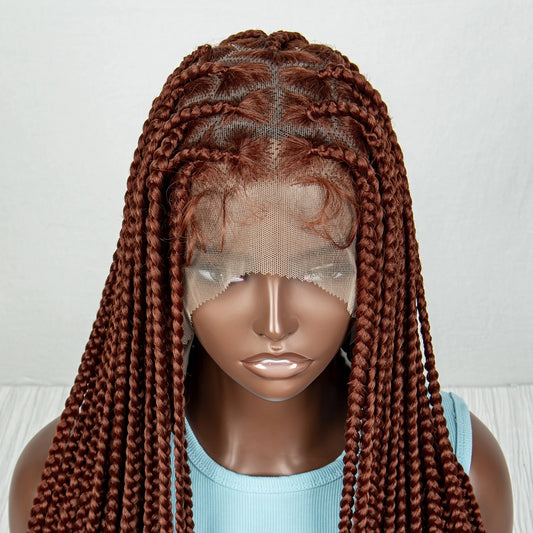
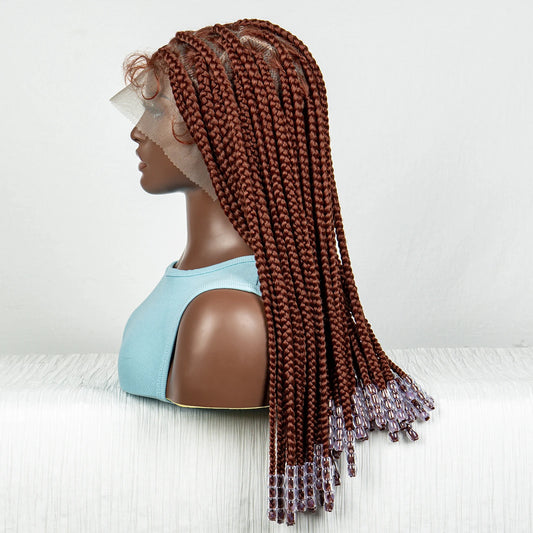
Braided bobs can create a defined silhouette that stays away from the lenses. However, fuller density may add weight around the sides, so check the ear area before wearing one for several hours.
Luxegan's 16-inch human hair bob braid wig is listed with Brazilian Remy hair, 250% density, a 13x4 lace front, and a 16-inch length. It may suit someone who wants a more dramatic bob, while a lower-volume style may feel easier for everyday glasses wear.
Wig Construction Details to Compare
The silhouette affects the look, but construction affects how the wig sits. Read the product details closely and compare the cap features with your normal wearing habits.
Glueless and wear-and-go options
Glueless wigs can make daily styling simpler because they don't require adhesive to hold the lace in place. You can put the wig on, adjust it, and check your glasses before leaving home.
That doesn't mean every glueless wig will feel the same. Adjustable straps, combs, cap depth, and hair density all affect the fit. Avoid tightening the straps so much that the wig presses against your glasses or ears.
A listed deep curly human hair bob wig includes an average-size cap, adjustable straps, 13x4 transparent Swiss lace, and glueless wear-and-go construction. These features may help beginners make small fit adjustments before adding glasses.
Lace fronts, adjustable straps, and cap weight
Lace fronts can create a natural-looking hairline, but lace size alone doesn't determine comfort. A lightweight, breathable cap may be a better choice if you wear glasses for work, travel, or long events.
Look for clear product information about cap size, straps, combs, lace, density, and hair length. Density matters because fuller hair can add weight and place more material near the temples.
A short curly Peruvian human hair wig is listed with 100% Peruvian Remy human hair, a 13x4 lace frontal, lengths from 4 to 16 inches, and an average-size glueless wear-and-go construction. Compare those listed features with your own cap preferences instead of assuming the same fit works for everyone.
Shop Short Wigs
-
#350 Knotless Box Braids Wig | Short Lace Frontal Bob | Dark Ombre Ginger
Prezzo di listino $262.50 USDPrezzo di listino$0.00 USDPrezzo scontato $262.50 USD -
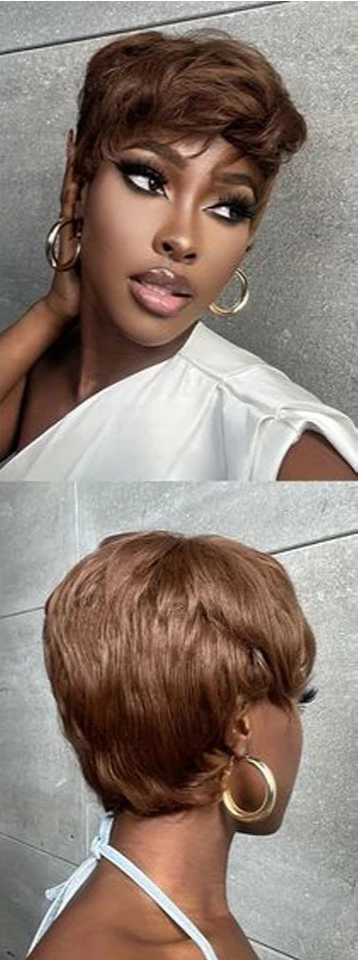
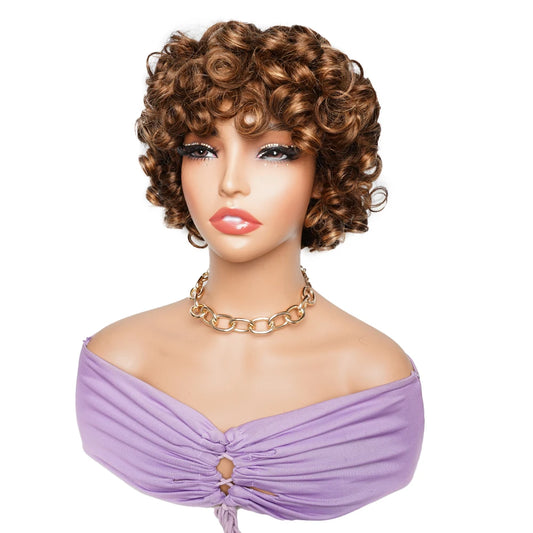
#4 Brown Pixie Short Cut Wig with Bangs | Straight Human Hair Full Machine Made
Prezzo di listino $112.00 USDPrezzo di listino$168.00 USDPrezzo scontato $112.00 USDIn offerta -
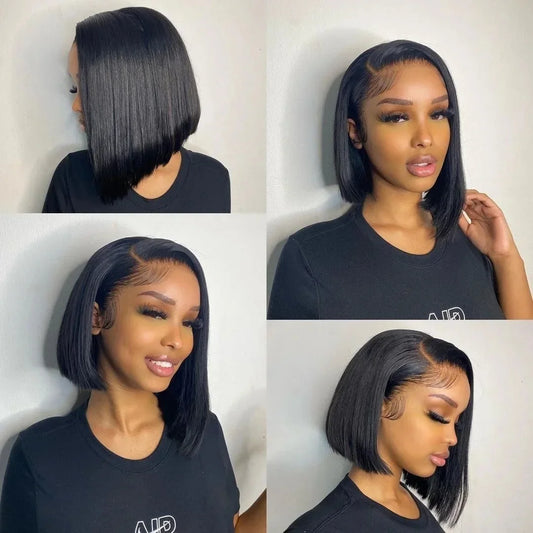
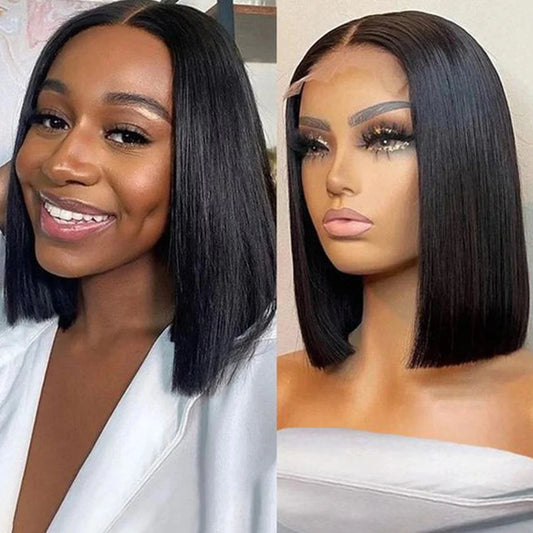
#4 Chocolate Brown Straight Bob Wig | Sophisticated 200% Density HD Transparent Lace Frontal | Elegant "Short Bob" Silhouette | "Dignified" Pre-Plucked Brazilian Remy Human Hair for Radiant Versatile Styling
Prezzo di listino $150.00 USDPrezzo di listino$200.00 USDPrezzo scontato $150.00 USDIn offerta -
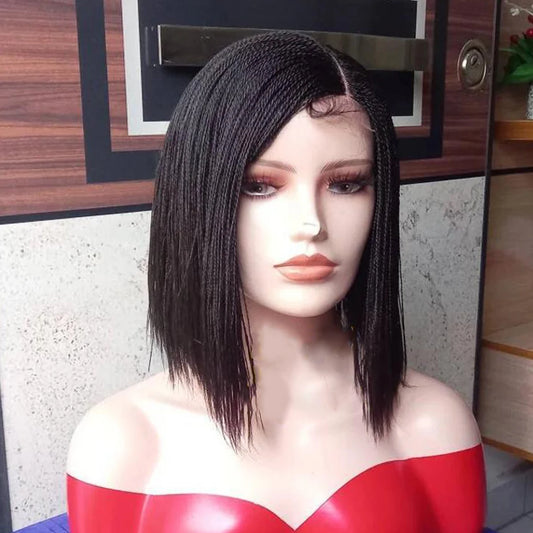
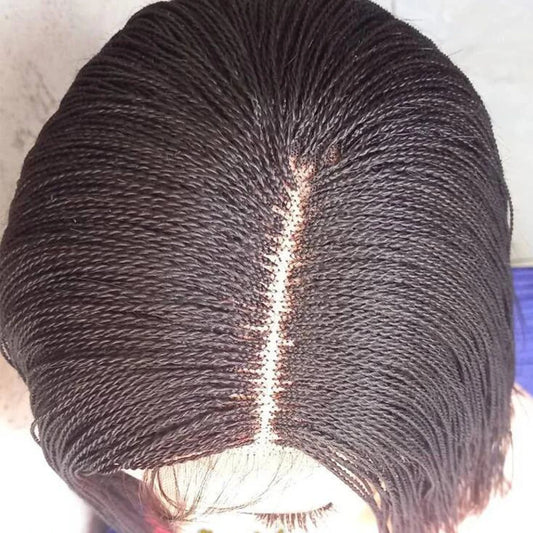
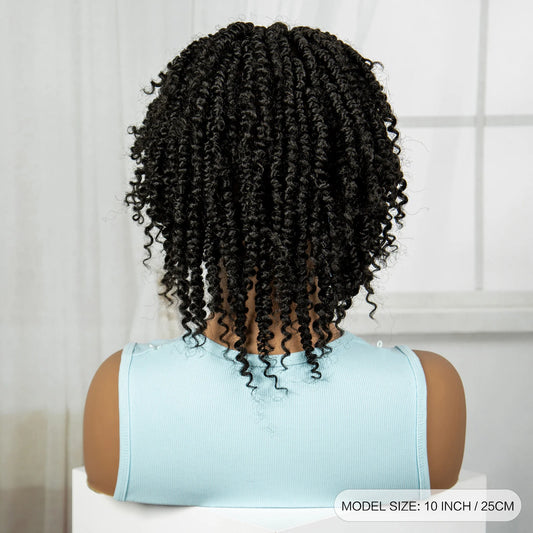
10 Inch Short Micro Twisted Wig - 2x4 Closure Braided Wig for Black Women - Micro Million Braid Wig - Synthetic Knotless Braids
Prezzo di listino $288.00 USDPrezzo di listino$0.00 USDPrezzo scontato $288.00 USD -
10" Natural Twist Braids Wig | Full Lace | Baby Hair | Short Braided Style
Prezzo di listino $149.00 USDPrezzo di listino$171.00 USDPrezzo scontato $149.00 USDIn offerta -
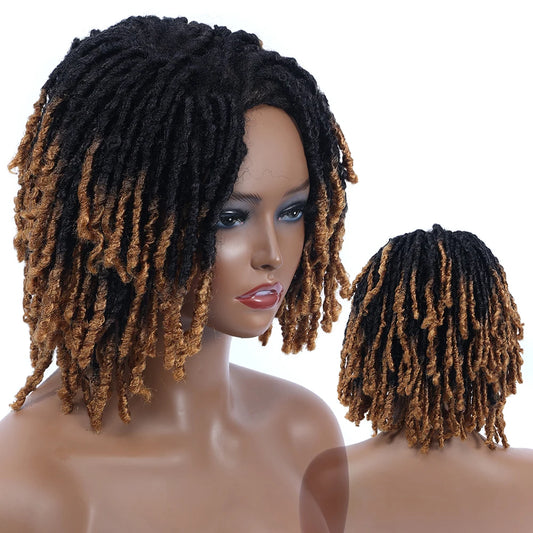
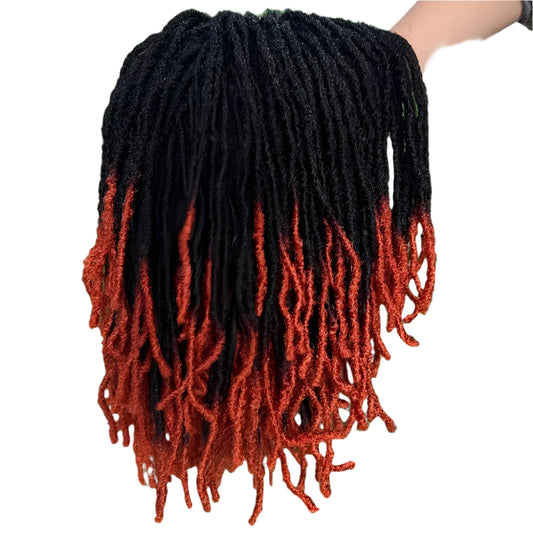
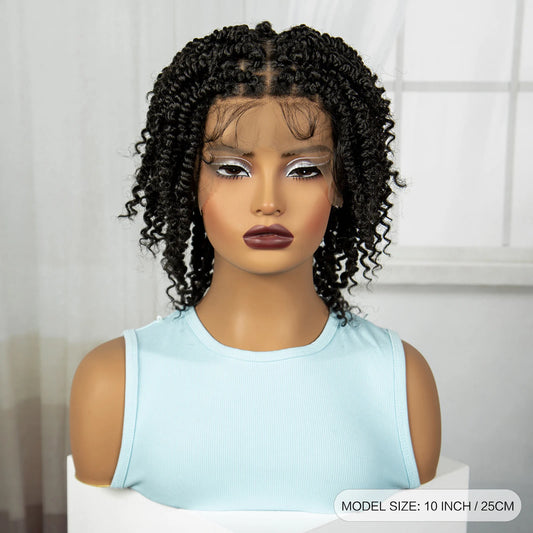
10" Short Braided Bob Wig | Faux Locs & Curly Twists | Black, Blonde, Red | Synthetic Hair
Prezzo di listino $153.00 USDPrezzo di listino$184.00 USDPrezzo scontato $153.00 USDIn offerta -
10-16 inch Short Straight Bob Wig | Brazilian Remy Human Hair | 13x4 Lace Frontal | Natural Looking | Ready to Wear
Prezzo di listino $72.51 USDPrezzo di listino$120.85 USDPrezzo scontato $72.51 USDIn offerta -
10-Inch Loose Wave Short Bob Human Hair Wig - 250% Density Full Machine-Made Glueless Wig - 100% Indian Remy Human Hair natural Color, Brown & Burgundy (#99J) Wig for Women
Prezzo di listino $147.00 USDPrezzo di listino$169.00 USDPrezzo scontato $147.00 USDIn offerta




How to Test a Wig With Your Glasses
Try the wig with the frames you wear most often. A pair of thin reading glasses may fit differently from wide sunglasses or thick acetate frames.
Follow this order:
- Put on your wig and adjust the straps before adding glasses.
- Smooth or position the hair around both ears.
- Place your glasses on your nose without forcing the temples under the wig.
- Check whether the frame sits level and whether the wig shifts when you move your head.
- Walk around, turn your head, and wear the combination for a short period at home.
- Recheck the temples, ear tabs, nose bridge, and hairline.
The wig should stay secure without requiring you to push the glasses forward or bury the frame arms under the hair. Guidance from CT Eye Care Associates on eyewear fit notes that temples should rest over the ears without pressure and that bridge fit also matters.
If your glasses feel tight, have an optician check the frame adjustment. Don't solve a frame problem by tightening the wig. If the wig feels tight, loosen its straps or try a different cap shape.
Keep the glasses and wig stable through fit, not adhesive. Never glue, tape, or pin eyeglass temples to lace, hair, or your skin.
Styling Bangs and Securing Both Pieces Safely
Once the basic fit works, small styling changes can make the combination look more intentional. The goal is to keep the eye area clear while preserving the shape you like.
Managing bangs around frames
Full bangs may rest on the top of your glasses or brush against the lenses. If that happens, part them slightly off-center, sweep them to one side, or trim them so they sit above the frame.
Side-swept bangs often pair well with rectangular and cat-eye frames because they open one side of the forehead. Wispy bangs can work with round frames when they remain light and separated.
Avoid cutting a wig while wearing it for the first time. Wear it, mark the preferred length carefully, and have a stylist shape it if you're unsure. A small change around the brow can alter the entire balance of the wig and frames.
Keeping the wig and glasses in place
Put the wig on first, then add your glasses. Use the wig's adjustable straps, combs, or a suitable wig grip according to the product instructions. These options help the wig stay positioned without attaching it to the frames.
Choose glasses with temples that rest naturally over the ears. If the frame slips or pinches, ask an optician about adjustment rather than adding extra tension around the wig.

FAQ: Choosing Wig Styles for Glasses
Are short wigs better for glasses wearers?
Short wigs can leave more space around the ears, but length alone doesn't guarantee comfort. A short, dense style may still press against the temples, while a well-layered medium bob may feel easier.
Choose the shape that gives your glasses enough room and suits your face. Check the cap, side sections, and density rather than judging only by length.
Can I wear glasses with a lace-front wig?
Yes, many people wear glasses with lace-front wigs. The important factors include cap tension, ear-tab placement, hair density, and the position of the frame temples.
Put the wig on before your glasses and avoid forcing the arms beneath tight lace or thick hair. If the frame pulls the wig forward, adjust the wig or try a different construction.
How can I choose a wig for a round face and glasses?
Look for a shape that adds the amount of height or length you personally prefer. A side-parted bob, longer layers, or a softly tapered style may create a balanced outline, while a rounded bob can emphasize width.
Frame shape matters too. Try your usual glasses with the wig and assess the whole look in natural light. Face-shape suggestions are starting points, not rules.
Conclusion
The most comfortable wig styles glasses wearers choose usually leave room around the ears, temples, and bridge. Layered bobs, tapered pixies, and controlled curls offer useful options, but the best match depends on your face, frames, cap preferences, and daily routine.
Start with a lightweight, breathable construction and test the complete combination before wearing it for hours. When the wig and glasses sit securely without pressure, your style choices become much wider.