

Braided Wigs vs Braids: Which Protective Style Fits You?
The choice between braided wigs vs braids affects more than your final look. It also changes how often you handle your natural hair, how much tension reaches your scalp, and how easily you can adjust your routine.
A braided wig offers a ready-made style that you can remove, while traditional box braids, knotless braids, cornrows, and twists are installed directly into your hair. Both options can support protective styling when they fit properly and receive consistent care. Neither style is automatically healthier for everyone.
Key Takeaways
- Braided wigs are easier to remove and can offer quick changes in length, texture, and color.
- Traditional braids stay attached to your natural hair, so installation tension and added weight matter.
- A wig can still cause friction, heat, or irritation if the cap fits poorly or you wear it continuously.
- Knotless braids may feel lighter at the roots, but loose-looking braids can still be too tight.
- Pain, stinging, headaches, bumps, broken skin, and increasing hair loss are warning signs.
- Choose based on your scalp sensitivity, daily routine, budget, desired versatility, and ability to maintain the style.
Braided Wigs vs Traditional Braids: What Changes?
The biggest difference is where the braid pattern sits. Traditional braids are created on your own hair, often with added synthetic hair. A braided wig contains the finished braid pattern on a cap, which sits over your natural hair or a low protective base.
Installation, removal, and daily styling
Box braids, knotless braids, Senegalese twists, and cornrows require an appointment or a hands-on installation process. Once installed, they remain attached until you take them down. That can make morning styling simple, but it also means your scalp and hair stay under the same arrangement for an extended period.
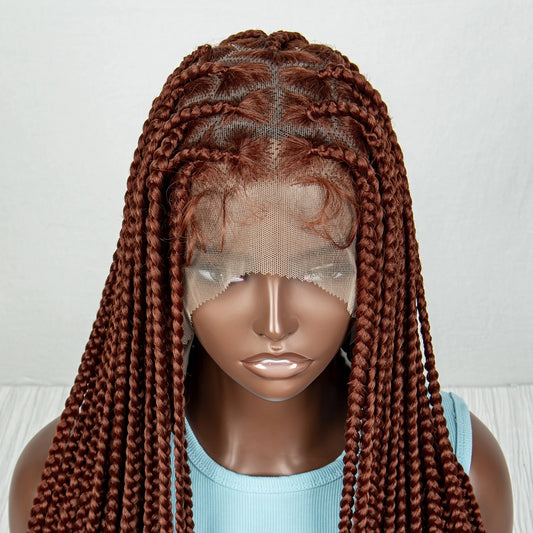
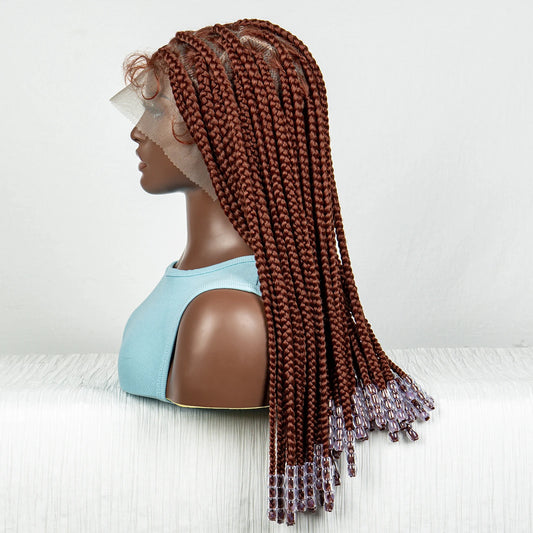
A braided wig can create a similar appearance without installing every braid into your hair. Glueless options are especially easy to put on and remove. For example, Luxegan lists a 28-inch micro twist lace-front wig with a petite cap, front lace, and glueless construction.
That removability gives you more chances to cleanse your scalp, inspect your edges, and change your style. However, the wig still needs a secure fit that doesn't squeeze your temples or rub the hairline.

Tension, attachment, and scalp comfort
Traditional braids place direct tension on the sections being parted and braided. The risk can increase when the braids are very tight, the extensions are heavy, or the stylist pulls the edges to create a sleek finish.
A wig shifts the main concern toward cap pressure, combs, adhesive, friction, and the tightness of the hair underneath. A glueless wig may reduce the need for adhesive, but it doesn't guarantee comfort. An ill-fitting cap can still cause soreness or irritation.
The most useful comparison is not "wig versus braid" in isolation. Instead, compare the tension, weight, contact points, and time you plan to wear each style.
Where Braided Wigs May Be More Convenient
Braided wigs appeal to people who want the look of installed braids without committing to one braid pattern for their entire wear period. They can also make it easier to switch between straight, curly, braided, or short styles without repeatedly manipulating your natural hair.
Ready-made length, lace, and braid patterns
A wig gives you access to finished details that may take hours to create by hand. Luxegan's 30-inch African braided lace-front wig is described with French lace, baby hair, an average cap size, and glueless application.
Other designs focus on parting and texture. A 13x4 kinky-curly-ends braided wig offers a lace-front layout with curly ends and baby hair. These details can change how naturally the style frames your face.
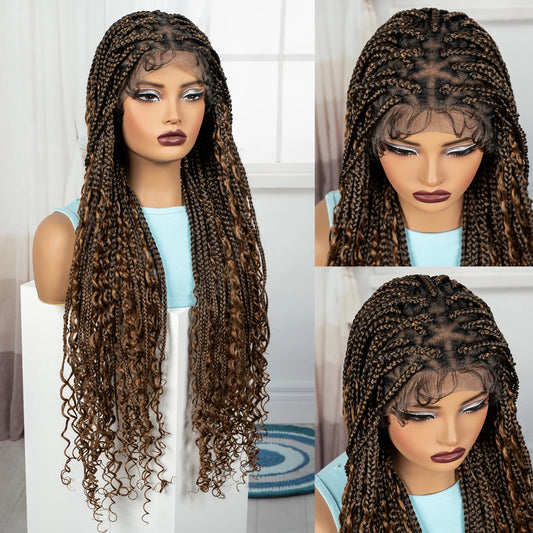
Still, long braids may feel heavier than shorter ones. A 40-inch style can also require more care when detangling and storing. Length adds visual impact, but it can add weight and handling demands too.
Convenience has limits
A wig can reduce daily styling time, but it isn't maintenance-free. You still need to clean the cap as directed, protect the hair at night, manage tangling, and allow your scalp to breathe when needed.
Retail descriptions may call a style comfortable, durable, or protective. Those terms describe the product's intended use, not a medical guarantee. Your experience depends on cap size, braid weight, scalp sensitivity, and how you wear the wig.
What Traditional Braids Offer
Traditional braids remain popular because they are customized directly to your head. A stylist can adjust the size, parting, length, and color to suit your preferences. The finished style also stays in place without a separate cap.
Box braids, knotless braids, and twists
Traditional box braids are sectioned at the root and usually incorporate extension hair into the braid. Knotless braids add extension hair gradually, which can create a flatter start and reduce the bulky knot at the base. That feature may improve comfort for some people, but it doesn't make every installation low-tension.
Senegalese twists and similar styles also vary in size, length, and weight. A Senegalese twist glueless lace-front wig can imitate this look without attaching each twist to your own hair. Comparing the two styles helps clarify whether you want an installed finish or removable convenience.
Custom fit, commitment, and upkeep
Installed braids can match your hairline and preferred parting more closely because a stylist creates them on your head. They may also feel more natural during movement because there is no cap shifting over your hair.
The tradeoff is commitment. You cannot remove one section at night to check your scalp or quickly change the style. You must cleanse the scalp carefully, dry the hair fully, and avoid pulling the braids into tight ponytails or buns.
Hair Health: Tension Matters More Than the Label
"Protective" describes an intended styling goal, not a guarantee that a hairstyle will prevent damage. Reduced manipulation helps only when the style avoids excessive pulling, friction, dryness, and weight.
What dermatology sources say about pulling
The American Academy of Dermatology's guidance on hairstyles that pull includes tightly braided hair, cornrows, locs, and tightly pulled updos among styles that can contribute to traction alopecia.
Research reviewed in Traction alopecia: the root of the problem also discusses repeated tension from tightly secured styles and attached hair. The concern applies to any method that repeatedly pulls on the same follicles, including some braid and wig routines.
A braided wig may lower manipulation because the braid pattern is already finished. Yet tight cornrows underneath, wig combs, adhesive, and a snug cap can still stress the hairline. Traditional braids can be gentle when installed with reasonable tension and suitable weight.
Warning signs you shouldn't ignore
A style is too tight if you feel pain during installation or notice persistent discomfort afterward. Other warning signs include:
- Stinging, throbbing, or a headache around the braid sections or hairline
- Redness, bumps, crusting, or broken skin
- Increased tenderness when you touch the scalp
- Short broken hairs or thinning edges
- Hair loss that continues after you remove the style
The British Association of Dermatologists' information on traction alopecia explains that repeated tension can affect people who regularly wear tightly managed hairstyles. The Society for Pediatric Dermatology's traction alopecia guide also lists braids, extensions, weaves, locs, and cornrows among styles that can cause or worsen the condition.
Remove or loosen a painful style promptly. If you see swelling, open skin, pus, sudden shedding, or persistent thinning, contact a dermatologist.

Shop Box Braided Wigs
-
#350 Knotless Box Braids Wig | Short Lace Frontal Bob | Dark Ombre Ginger
Normaler Preis $262.50 USDNormaler Preis$0.00 USDVerkaufspreis $262.50 USD -
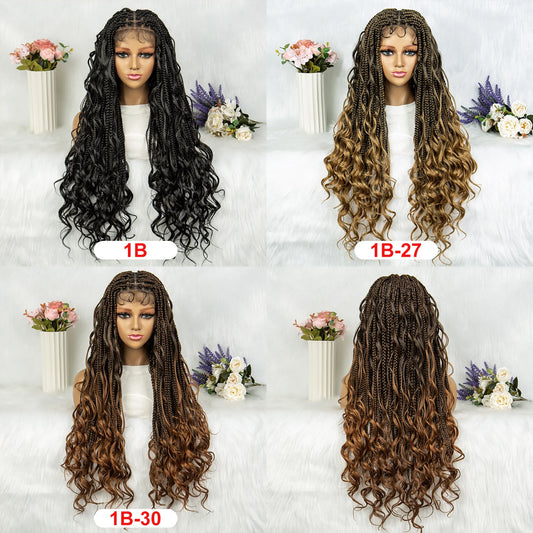
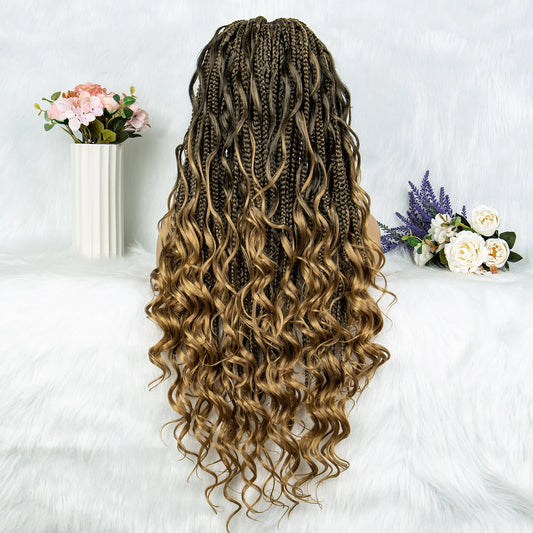
36 Inch Knotless Box Braided Wig with Curly Ends | Full Lace Boho Braided Wig | 5 Colors
Normaler Preis $163.00 USDNormaler Preis$186.00 USDVerkaufspreis $163.00 USDSale -
26 Inch Box Braids Crochet Wig | Machine Made | 450 g
Normaler Preis Von $166.00 USDNormaler Preis$189.00 USDVerkaufspreis Von $166.00 USDSale -
28 Inch Cornrow Box Braids Wig | Lace Frontal | Baby Hair
Normaler Preis $285.00 USDNormaler Preis$325.00 USDVerkaufspreis $285.00 USDSale -
Knotless Box Braids & Dreadlocks Wig | Lace Front with Baby Hair
Normaler Preis $189.00 USDNormaler Preis$216.00 USDVerkaufspreis $189.00 USDSale -
Knotless Box Braids Full Lace Wig | Cornrow Accents | Baby Hair | Synthetic Braided Wig
Normaler Preis $193.00 USDNormaler Preis$220.00 USDVerkaufspreis $193.00 USDSale -

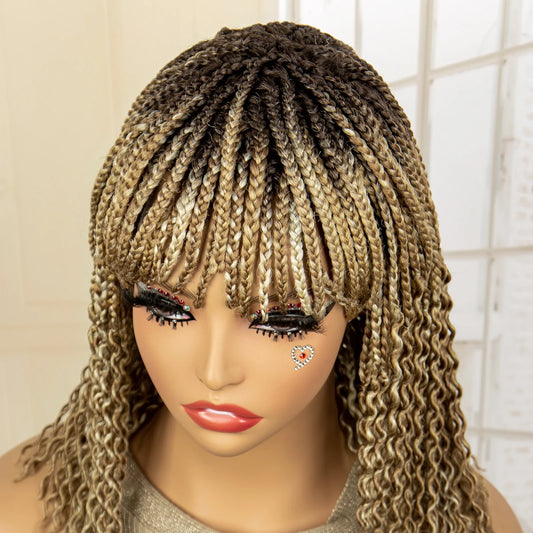
Short 14" Bob Braided Wig | Curly Knotless Box Braids | Synthetic Machine Made Wig | For Black Women
Normaler Preis Von $202.00 USDNormaler Preis$231.00 USDVerkaufspreis Von $202.00 USDSale -
Micro Twist Braided Bob Wig | Kanekalon Box Braids | Pixie Style
Normaler Preis $285.00 USDNormaler Preis$0.00 USDVerkaufspreis $285.00 USD





Care Tips for Either Protective Style
Good care starts before installation. Clean and detangle your hair gently, discuss sensitive areas with your stylist, and choose a size and length that won't place unnecessary weight on your hairline.
Caring for a braided wig
Wear a wig cap only if it feels comfortable and doesn't create extra pressure. Keep the natural hair underneath clean and fully dry. Moisture trapped against the scalp can contribute to discomfort and odor.
When possible, remove a glueless wig before sleeping. Store it on a suitable stand or in a clean satin bag so the braids don't mat. Use a wide-tooth comb or your fingers to separate the lengths, beginning at the ends. Avoid excessive heat unless the fiber manufacturer says the hair can handle it.
Check the lace, combs, straps, and cap regularly. If one area rubs your temples or edges, adjust the fit instead of tightening the wig.
Caring for installed braids
Cleanse the scalp gently with a diluted shampoo or a scalp cleanser that suits your hair. Apply the product between sections rather than scrubbing aggressively. Rinse thoroughly and dry the roots completely.
At night, cover the style with satin or sleep on a satin pillowcase. Keep heavy buns and tight ponytails occasional. Don't ask a stylist to repeatedly retighten thinning edges, and don't hide soreness under more hair or accessories.
Give your hair and scalp a break between installations. Use takedown time to assess shedding, dryness, breakage, and the condition of your edges.
How to Choose Between the Two
Your best option depends on the type of protection you need and the amount of maintenance you can manage.
Choose based on your routine
A braided wig may fit you better if you want quick removal, frequent style changes, or an option that doesn't require hours of installed braiding. It can also suit beginners who want to test a braid pattern before committing to traditional braids.
Traditional braids may suit you if you prefer a customized fit, don't want a cap, and are comfortable following a scalp-care routine while the style remains installed. Knotless braids can be worth considering if bulky roots bother you, but tension still matters more than the name.
Use this framework:
| Your priority | Style to consider |
|---|---|
| Easy removal and style changes | Braided wig |
| Customized parting and fit | Traditional braids |
| Sensitive edges or scalp | Whichever option creates less tension |
| Minimal daily manipulation | Either, if maintained properly |
| Regular scalp access | Removable braided wig |
| No cap or wig adjustment | Traditional braids |
Ask these questions first
Before choosing, ask whether the style feels comfortable immediately, whether you can clean your scalp properly, and whether you can remove or loosen it if irritation starts. Consider the full cost as well, including installation, wig accessories, takedown, cleansing products, and replacement needs.
Above all, choose a stylist or wig fit that respects your hairline. A polished style that causes pain is not a successful protective style.
FAQ
Are braided wigs healthier than traditional braids?
Not automatically. A wig may reduce direct manipulation, but a tight cap, adhesive, combs, or tight hair underneath can still irritate the scalp. Traditional braids can also be suitable when they are installed with moderate tension and maintained carefully.
Are knotless braids safer for hair?
Knotless braids can feel flatter and lighter at the root for some people, but they can still cause tension if the sections are pulled tightly or loaded with heavy extensions. Comfort during installation is an important test.
Can I wear a braided wig over braids?
Yes, many people use a low braid or cornrow base. The base should be flat without feeling tight, and the wig should not add uncomfortable pressure. Avoid stacking a tight wig over tight braids.
How do I know when to remove the style?
Remove it if you experience pain, stinging, headaches, increasing tenderness, bumps, broken skin, or noticeable thinning. Seek medical advice for persistent scalp changes or hair loss.
Conclusion
The better choice in the braided wigs vs braids comparison depends on fit, tension, maintenance, and how often you need scalp access. Braided wigs offer removability and quick style changes, while traditional braids provide a customized installed look without a separate cap.
Both can support protective styling when you treat comfort as a requirement rather than an afterthought. Choose the option that lets you care for your natural hair consistently and stop using it when your scalp shows warning signs.