

Fulani Braided Wigs: Choose Your Braid Pattern and Part
Fulani braided wigs can look quite different from one another: cornrows may sweep back, curve along the scalp, or frame the face, while the part can sit in the center or off to one side. The right choice depends on the details you want to see and how you plan to wear the wig.
Before you buy, compare braid placement, parting space, lace, and cap fit. Those details influence the finished look as much as braid length does. Start by deciding which features matter most to you.
Key Takeaways
- Look closely at the braid map, including the direction of the cornrows, the placement of face-framing braids, and any beads or other accents.
- Choose a parting pattern based on how you want to style the wig. A fixed center part gives a defined look, while a wider lace area may allow more flexibility.
- Check the cap measurements, adjustment features, and lace details rather than relying on a general size label.
- Consider length and braid weight for your routine. Longer braids can make a stronger visual statement, but may need more storage and care.
- Review the product's fiber and maintenance directions. A braided wig's care needs depend on its construction and materials.
Start With the Braid Placement
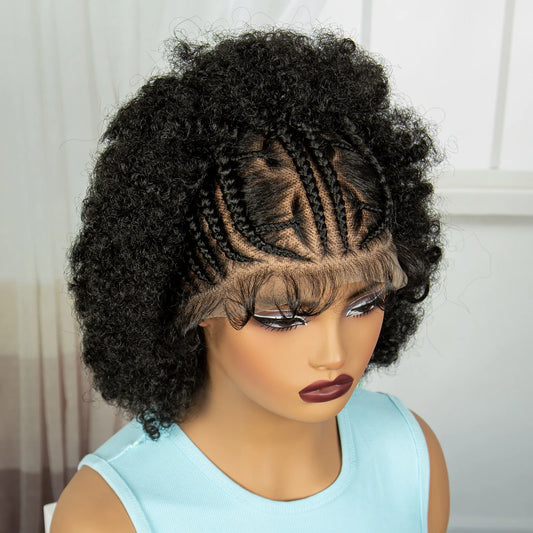
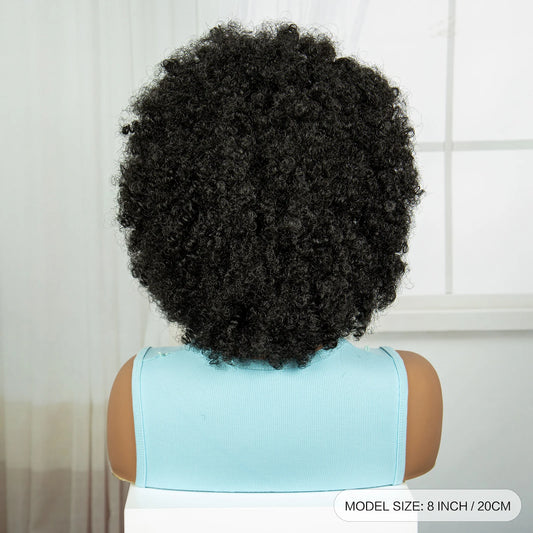
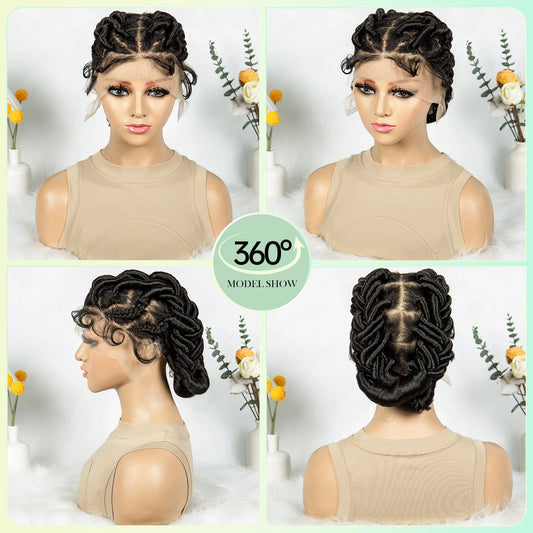
A Fulani-inspired look is often recognized by the contrast between cornrows close to the scalp and braids that hang freely. Still, wigs vary in how they arrange those elements. Product photos should show the front, sides, crown, and back so you can see whether the pattern matches your preferences.
The National Museum of African American History and Culture discusses Fulani braids as part of a broader expression of Black identity and hair. The museum's exploration of Black hair offers cultural context alongside the practical details worth checking when shopping.
Follow the direction of the cornrows
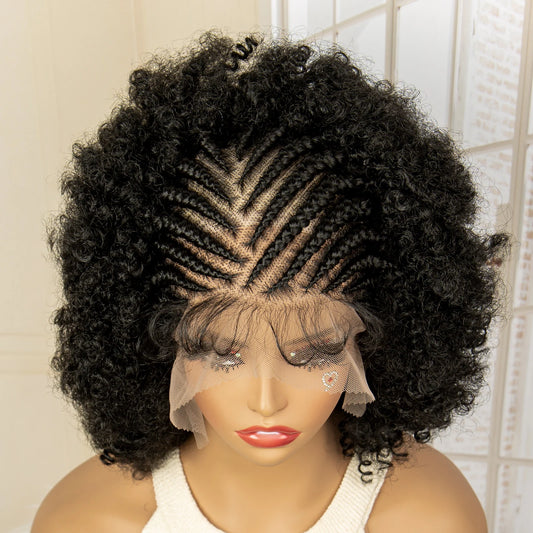
Cornrows that run straight back create a clear, orderly line from the hairline toward the crown. Curved or angled rows add more movement and can make the design feel less symmetrical. Check whether the braid pattern begins at the front or is partially covered by hanging braids.
A listing with only front-facing photos may hide the shape at the temples or crown. Look for close-up views, or ask the seller for them if you need to see how the rows meet.
Decide how much detail you want near the face
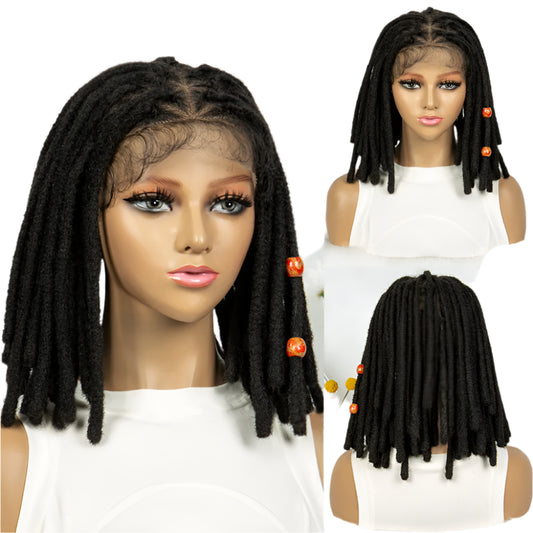
Face-framing braids and beads draw attention to the hairline and sides of the face. A few accents can make the pattern easier to see, while a simpler front may feel more understated. Beads also add some sound and movement, so consider whether you want them for regular wear.

Choose a Parting Pattern You'll Want to Wear
The part affects where the scalp-like area appears and how the braids sit around the face. Some wigs have a fixed pattern with a specific part built into the braid design. Others have lace that gives you more room to adjust the visible part.
A center part creates a balanced outline
A center part gives the style a clear focal line. It can suit shoppers who like symmetry or want the braids to fall evenly on both sides. Check that the part actually continues through the braided design, rather than stopping at a short patch of exposed lace.
A side part shifts the visual emphasis
A side part moves the focal point away from the center and can make the braid arrangement feel less formal. However, a side part only works as intended if the cap and braid placement support it. A wig with a fixed center pattern may not allow a convincing switch.
When a listing says "versatile parting," inspect the lace dimensions and product photos to understand the usable area. Luxegan's 13x4 HD lace front braided wig is one example with a 13x4 lace front described as allowing versatile parting. Treat that as a feature of that listing, not a guarantee that every braided wig can be parted freely.
Match Braid Length to Your Routine
Length changes a wig's silhouette, movement, and practical demands. Shorter braids are easier to keep clear of collars and bags, while long braids create a more noticeable outline and need space when stored.
Look at the listed length and confirm how it was measured. A 30-inch braided wig, for example, is a very different commitment from a shoulder-length style. Luxegan lists a 30-inch braided lace front wig with French lace, synthetic high-temperature fiber, and a glueless design. Those details describe that specific product, so check its care and fit information before comparing it with another wig.
Also pay attention to braid thickness. Slim braids create a finer texture and may show more of the cap's braid pattern. Chunkier braids look bolder and can add bulk around the head. Product photos from more than one angle help you judge how much volume the wig has.
Compare Lace and Wig Cap Construction
The wig cap affects what you can part, how the hairline looks, and how the wig sits on your head. "Lace front" describes lace at the front of the cap, but listings may differ in lace size, cap lining, and adjustment features.

Check the lace area and hairline
A wider lace area can offer more space to part or shift the hairline, depending on the wig's construction. A smaller lace section may be designed around a set part. Look at whether the listing specifies lace type and dimensions, and check the photos for the visible hairline and braid roots.
Baby hair is a styling detail, not a substitute for a suitable lace area or cap fit. If you prefer a clean hairline, check whether the wig includes baby hair and whether the photos show it styled heavily.
Review the cap details
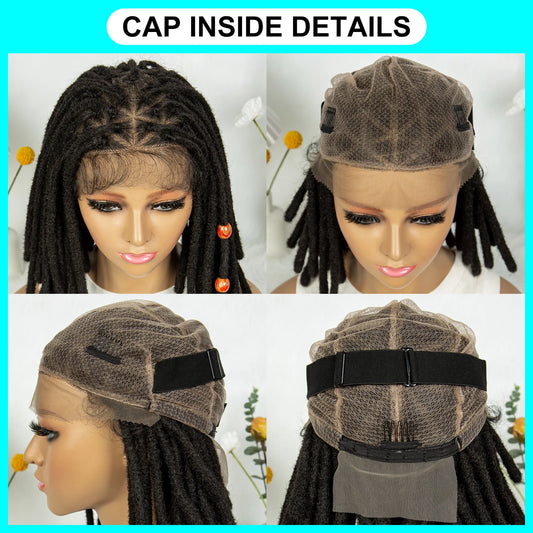
Look for the stated cap size, adjustable straps, combs, and any elastic band. These details affect how the wig can be secured, but they don't confirm that it will fit every head. Ask for measurements if they aren't listed, and check the return policy before purchasing.
A cap with breathable panels may feel different from one with more coverage, particularly during long wear. Consider what touches your scalp and whether you'll wear a wig cap underneath.
Shop Cornrow Braided Wigs
-
Short Afro Kinky Curly Cornrow Braids Wig | HD Full Lace | Baby Hair
Normaler Preis $190.00 USDNormaler Preis$217.00 USDVerkaufspreis $190.00 USDSale -
Short Natural Afro Kinky Curly Cornrow Braids Wig | Full Lace | Baby Hair
Normaler Preis $190.00 USDNormaler Preis$217.00 USDVerkaufspreis $190.00 USDSale -
Knotless Cornrow Twist Full Lace Front Wig | Crochet Braids | Transparent Lace | Black Women
Normaler Preis $200.00 USDNormaler Preis$228.00 USDVerkaufspreis $200.00 USDSale -
Short Locs Cornrow Braids Wig | Full Lace | Baby Hair | African Inspired
Normaler Preis $160.00 USDNormaler Preis$182.00 USDVerkaufspreis $160.00 USDSale -
14 Inch Jumbo Bantu Knotless Box Braided Wig | Full Lace Cornrow
Normaler Preis $191.00 USDNormaler Preis$219.00 USDVerkaufspreis $191.00 USDSale -
Knotless Box Braids Full Lace Wig | Cornrow Accents | Baby Hair | Synthetic Braided Wig
Normaler Preis $193.00 USDNormaler Preis$220.00 USDVerkaufspreis $193.00 USDSale -
Natural Color Bantu Knot Braided Wig | Cornrow Braids | Full Lace | Heat Resistant Synthetic Wig | African Women
Normaler Preis $267.00 USDNormaler Preis$306.00 USDVerkaufspreis $267.00 USDSale -
Premium Full Lace Afro Braided Wig - 8 Inch Short Kinky Curly Cornrow Braids Wig with Baby Hair - Natural Look
Normaler Preis $222.00 USDNormaler Preis$254.00 USDVerkaufspreis $222.00 USDSale



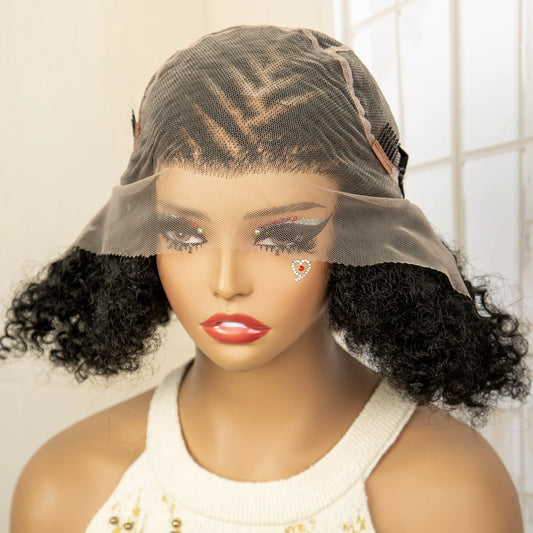
Get the Fit Right Before Styling
A wig can have the pattern you want and still be uncomfortable if its cap sits too tight, shifts, or leaves the hairline poorly placed. Compare your head measurements with the seller's sizing guide. Measure around the head, across the forehead and nape, and from ear to ear if the guide requests those points.
When a product says "average size," treat it as a sizing label, not a personal fit assessment. If possible, check whether the cap has adjustable straps and how much adjustment they allow. A petite cap may be a better option for someone whose measurements align with that sizing, but the listing should still provide enough detail to confirm.
Also consider the weight and balance of the braid pattern. Dense braids distributed across the cap may feel different from a style with most of the length concentrated at the back. Ask about weight if the seller doesn't provide it, especially if you plan to wear the wig for extended periods.
Plan for Maintenance and Scalp Comfort
Braided wigs don't require re-braiding, but they still need care. Follow the product's washing instructions, especially if the braids are synthetic. Avoid heat unless the manufacturer specifically says the fiber can tolerate it.
Store and handle braids carefully
When you take the wig off, place it on a suitable stand or in a storage bag that protects the braid pattern. Avoid pulling or tugging at the roots when adjusting the hairline. If braids tangle, separate them gently rather than forcing a comb through them.
Clean the lace and cap according to the seller's instructions. Let the wig dry fully before storing it, and avoid putting it away damp. Product directions vary, so don't assume a routine meant for human hair will suit synthetic fiber.
Give your scalp room for care
Remove the wig regularly so you can check and care for your scalp. The American Academy of Dermatology's scalp-care guidance notes that appropriate care can help prevent certain types of hair loss. If the cap causes discomfort or irritation, take it off and reassess the fit rather than tightening it.
Consider Cultural Context When Choosing a Look
Fulani braids have cultural roots, and designs described as Fulani-inspired draw on a style with meaning beyond a current fashion trend. The National Museum of African American History and Culture discusses Black hair as a form of identity and expression. That context can inform how you describe the style and what details you choose to wear.
An OkayAfrica article on Fulani braid history and culture quotes Rebecca on meanings associated with status, heritage, family, and marital status. Those meanings shouldn't be treated as universal for every Fulani person or wearer.
Describe the pattern accurately
Product titles often use "Fulani" broadly, even when braid maps differ. Compare the actual arrangement in photos instead of assuming every listing shows the same design. You can describe the features you see, such as cornrows flowing back, a center part, or decorated face-framing braids.
Choose details for your own preferences
There isn't one parting pattern that works for everyone. Think about whether you prefer symmetry, a visible hairline, fewer accessories, or braids that fall away from your face. The most useful comparison is between the wig's actual construction and the way you want to wear it.
Frequently Asked Questions
Can I change the part on a Fulani braided wig?
Only if the cap and braid design allow it. A fixed pattern may not shift naturally, even if some lace is visible. Check the listed lace dimensions and photos for the available parting area before ordering.
What should I check in product photos?
Look for the front, both sides, crown, and back. Close views can reveal braid direction, part placement, lace coverage, and how the rows meet near the hairline. If the listing shows only one angle, request more information.
Are longer braided wigs harder to maintain?
They may need more care during storage and handling because the braids take up more space and can tangle. Maintenance also depends on fiber type and construction. Follow the seller's instructions instead of assuming every braided wig can be washed or heat styled the same way.
Choose the Details You'll Enjoy Wearing
A good match comes from the whole design: braid placement, parting, lace, cap fit, and length. Compare those features against your preferences and routine, then check the product's measurements and care instructions before buying.
Fulani-inspired braid patterns draw on a meaningful cultural tradition, while individual wigs vary in how they interpret the look. Choose a style whose details you understand and feel comfortable wearing.