

Handbag Size Guide for Daily Essentials
The right everyday handbag should hold what you need without feeling like extra luggage. A useful handbag size guide starts with your daily essentials, not a vague label such as small, medium, or large.
If you choose by appearance alone, you may end up with a beautiful bag that cannot fit your sunglasses case or one that encourages unnecessary clutter. Start with what you carry, then compare usable interior space, closure style, pockets, structure, and straps.
Build Your Essentials List Before Choosing a Bag
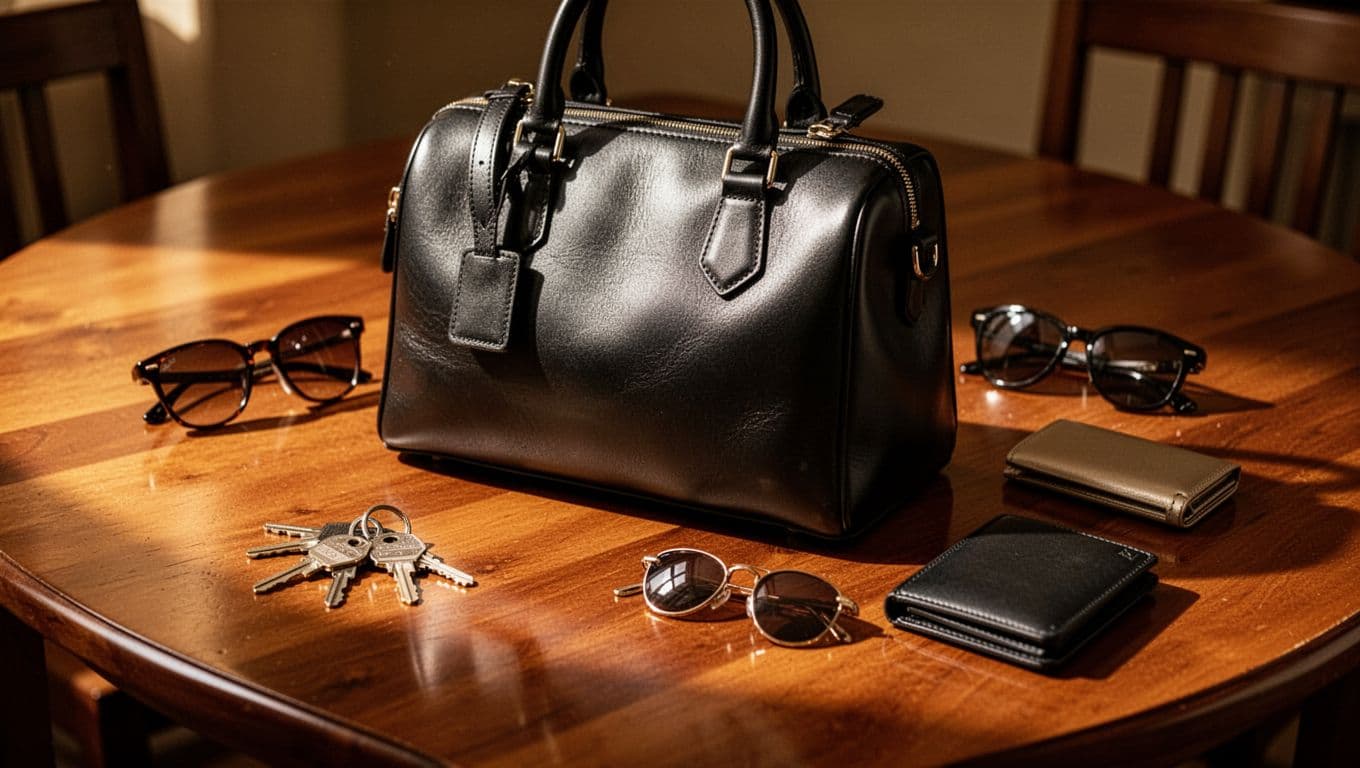
Empty your current bag and separate the items you use every day from things you carry occasionally. Your regular load may include a phone, cardholder or wallet, keys, sunglasses, lip balm, hand sanitizer, tissues, and a small makeup pouch.
You might also need a power bank, charging cable, compact mirror, medication, a paperback book, or a water bottle. Someone who commutes to an office may add an A5 notebook, planner, headphones, and a lunch container. Those items need more room than a quick trip to the shops requires.
Create a realistic list instead of sizing your next bag around an idealized routine. If you carry a tablet or 13-inch laptop, measure the device and its protective case. A laptop that fits the advertised width may not fit once you account for a padded sleeve.
A little extra space makes a bag easier to use, but too much space creates a different problem. Small items disappear at the bottom, and the bag becomes heavier over the day. Leave enough room for easy access without filling every corner.
Use This Handbag Size Guide to Compare Real Capacity
Bag measurements usually describe the outside of the product. They may include the widest points, but they often exclude the space taken by thick panels, lining, pockets, zippers, and handles. Use these ranges as starting points, not fixed industry categories.
| Bag category | Approximate exterior size | Practical daily capacity |
|---|---|---|
| Compact | 18 to 24 cm wide, 12 to 17 cm high | Phone, cardholder, keys, lip balm, and slim sunglasses |
| Medium | 25 to 32 cm wide, 18 to 25 cm high | Compact essentials, sunglasses case, small pouch, power bank, and notebook |
| Large | 33 to 42 cm wide, 25 to 32 cm high | Medium essentials, tablet or 13-inch laptop, water bottle, and light layer |
The interior width can be smaller than the exterior width, especially when a bag has curved sides or heavy padding. A structured bag may keep its shape beautifully while giving up some flexible capacity.
Depth also matters. A bag that is 30 cm wide but only 5 cm deep may hold less than a softer bag that is 26 cm wide and 12 cm deep. Measure the main compartment, then check whether its base stays wide enough for the objects you carry.
Opening size affects access as much as total capacity. A tall bag with a narrow zip opening may technically fit your phone and wallet, yet make both items difficult to retrieve. The most useful handbag size guide is the one that considers how the bag works when your hand is inside it.
Match the Bag to Your Commute and Daily Routine
For quick errands, a compact crossbody often has enough room for a phone, keys, cards, sunglasses, and one or two small personal items. Its smaller profile keeps you from carrying things you won't use.
A medium shoulder bag or satchel suits a longer day. It can hold a small pouch, a power bank, a notebook, and a pair of sunglasses without becoming as bulky as a work tote. Choose this size when you move between appointments, shopping, and casual plans.
Office commuters need to separate personal essentials from work equipment. A medium handbag may work beside a laptop tote, while a larger tote can carry both items. Check the base and handle construction before loading it with a laptop, charger, water bottle, and notebook.
Public transport changes the most practical shape. A medium bag with a secure zipper and a close-fitting crossbody strap is easier to control in a crowded train or bus. A very wide tote can catch on seats and other passengers, even when its capacity looks useful at home.
Long days call for more planning. If you need a cardigan, water bottle, makeup pouch, and book, choose a large bag with a firm base and comfortable straps. However, avoid filling it simply because space remains. A loaded handbag can strain your shoulder and make walking less comfortable.
The best size is usually the smallest bag that holds your actual daily load with a little breathing room. Your routine, not the bag's label, should make the final decision.
Structure, Closures, and Pockets Change Usable Space
A slouchy handbag can expand around soft items such as a scarf or light sweater. It also tends to let small objects settle together, which can make keys and lip balm harder to find. A structured bag keeps items upright, but its fixed panels limit how much you can add.
A rectangular base usually offers more practical space than a narrow, tapered bottom. A gusset, the panel that creates depth along the sides or base, gives the main compartment room to hold thicker objects. A flat envelope-style bag has less depth, even when its width looks generous.
Closures affect both security and speed. A full zipper keeps contents contained during a commute, while a magnetic snap offers quicker access. Drawstring openings can expand, but they may make the top harder to organize. A flap also takes up some interior clearance when it folds over the opening.
Pockets help when they match the items you carry. A phone pocket is useful only if your phone slides in easily with its case. A narrow interior zip pocket can hold cards or keys, while a wide slip pocket may suit a charger or compact notebook.
A bag's exterior dimensions tell you how large it looks. The opening, base, and interior layout tell you how large it feels to use.
Before buying, check whether the pocket walls reduce the main compartment. Several built-in pockets can improve organization, yet they may leave less open space for a water bottle or pouch.
Shop Women's Handbag
-
Bags Unlimited, Bags Unlimited, PVC, Textile Bag, Handbag, Clear, For Women
Normaler Preis $1.53 USDNormaler Preis -
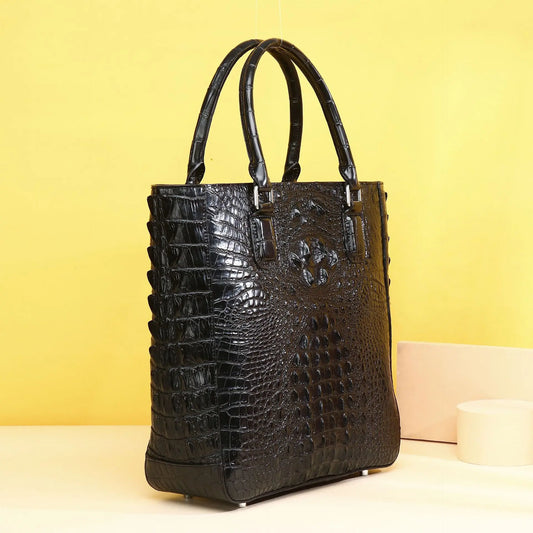
Women's Alligator Embossed Leather Handbag | Shoulder and Crossbody Tote
Normaler Preis $309.00 USDNormaler Preis$0.00 USDVerkaufspreis $309.00 USD -
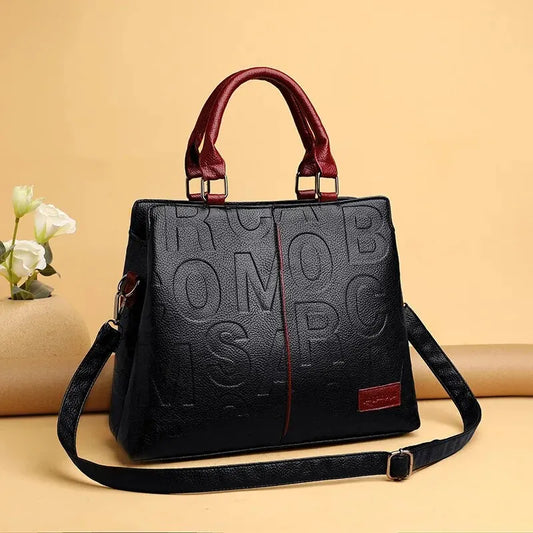
Women's Luxury Designer PU Leather Crossbody Bag | Large Capacity Casual Travel Handbag | Premium Microfiber Synthetic Leather Shoulder Tote | Multi-Compartment Zippered Daily Purse
Normaler Preis Von $81.00 USDNormaler Preis$108.00 USDVerkaufspreis Von $81.00 USDSale -
Women's Rhinestone Fish Evening Minaudiere Bag | Luxury Gold Stone Bridal Clutch Purse | Premium Metallic Hard Shell Wedding Handbag | Elegant Genuine Leather Lined Party Dinner Purse Model 01
Normaler Preis $180.00 USDNormaler Preis$206.00 USDVerkaufspreis $180.00 USDSale -
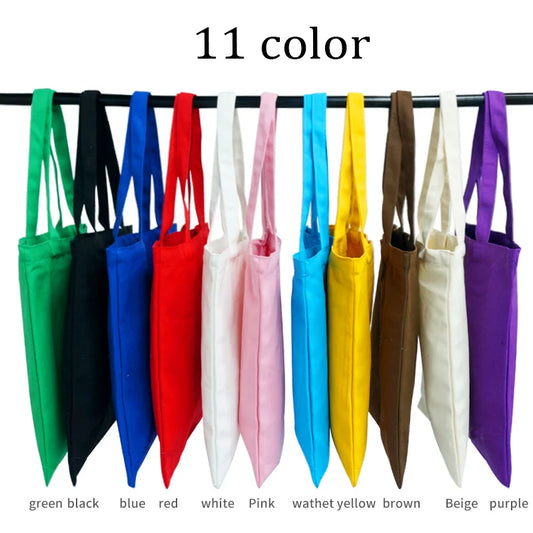
Large Capacity Colored Canvas Handheld Bag | Premium Reusable Rectangular Shopping Bag | Multi-Use Folding Tote & Travel Storage Bag | Versatile Casual Fashion Handbag for Women
Normaler Preis Von $195.00 USDNormaler Preis$0.00 USDVerkaufspreis Von $195.00 USD -
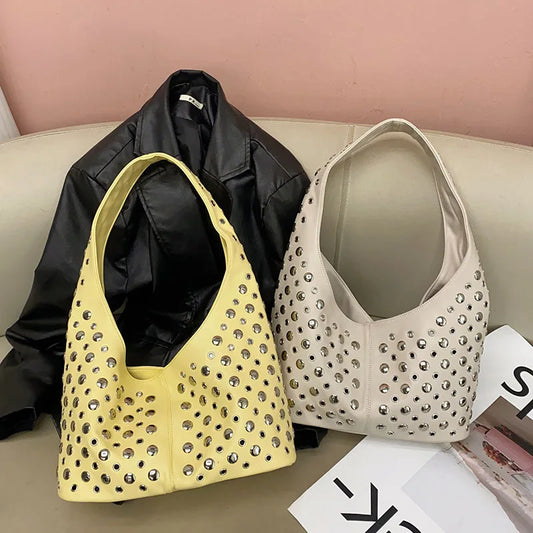
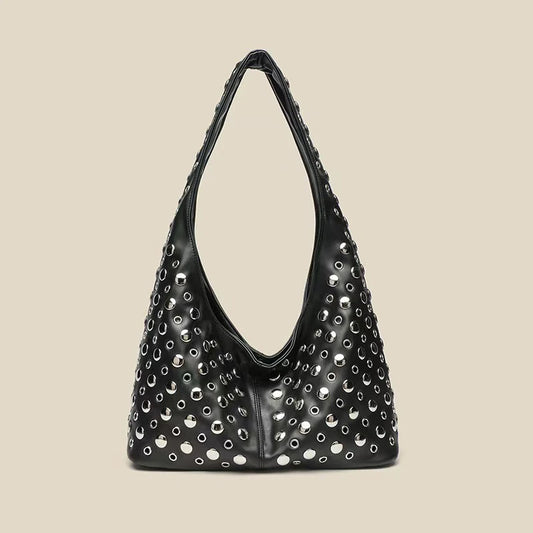
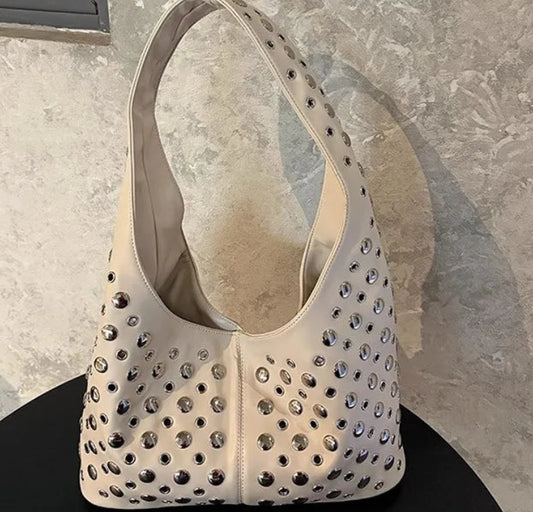
Women's Cool Large Capacity Casual Bucket Tote Bag | Premium Microfiber Synthetic Leather Underarm Shoulder Bag | High-Quality Rivet Appliques Female Handbag Model 54564655
Normaler Preis $177.00 USDNormaler Preis$202.00 USDVerkaufspreis $177.00 USDSale -
Women's New Round Dot Rivet Handbag | Fashion Solid Color Bucket Bag | Premium PU Leather Underarm Shoulder Tote | Versatile Unisex Fashion Bag Model 8699 with Polyester Lining
Normaler Preis $168.00 USDNormaler Preis$201.00 USDVerkaufspreis $168.00 USDSale -
Women's Cool Punk Rivet Satchel Tote Bag | Large Capacity Soft PU Leather Handbag | High-Quality Textured Underarm Shoulder Bag | Spring & Summer Fashion Hobo Purse Model GHJK34
Normaler Preis $164.00 USDNormaler Preis$187.00 USDVerkaufspreis $164.00 USDSale









Choose a Strap Style That Fits the Way You Move
Strap style doesn't change the bag's measured capacity, but it changes how comfortable and accessible that capacity feels. A handbag that works well in a product photo may become awkward when you carry it for several hours.

A crossbody strap keeps your hands free and spreads some weight across your body. Look for an adjustable strap so the bag sits near your hip without swinging against your leg. A smaller or medium bag usually feels more balanced in this style.
Shoulder straps offer quick access and work well for everyday shopping or office use. Wide straps feel more stable when the bag is full. Thin straps can look refined, but they may press into your shoulder when you carry heavier items.
Top handles suit a structured handbag and create a polished look. However, they require one hand and can feel inconvenient while carrying groceries, using public transport, or walking with a child. Some bags include both handles and a detachable shoulder strap, which gives you more options.
Chain straps add a dressy finish, but a narrow chain can feel uncomfortable with a heavy load. Keep this style for lighter daily essentials unless the chain includes a padded shoulder section.
Pay attention to bag weight before adding anything. A heavy leather or hardware-covered bag can feel full sooner than a lightweight fabric design of the same size.
Test the Fit Before You Buy
Product pages often list height, width, and depth in a different order. Compare all three measurements with an item you already own, such as your laptop sleeve, water bottle, or largest sunglasses case.
Next, inspect the opening. A bag needs enough clearance for your hand to reach the bottom and remove larger items without forcing them through a narrow zip.
Then, picture your essentials inside the compartments. If the phone pocket takes the exact space needed for your wallet, the layout may be less useful than an open interior.
Finally, consider how you'll carry it. Read the strap drop measurement, check whether the strap is adjustable, and look at the base. A stable base helps the bag sit upright, while a flexible base may collapse when you set it down.
Use this handbag size guide as a comparison tool, but trust the measurements of your own daily items. A few minutes with a tape measure can prevent an expensive return.
Conclusion
Choosing an everyday handbag becomes easier when you measure your routine instead of relying on size labels. Count your essentials, compare usable interior space, and check the opening, pockets, structure, and strap before you buy.
A compact bag suits a light carry, a medium style handles most daily routines, and a large bag works when your commute includes work equipment or extra layers. The right handbag size guide points you toward a bag that feels comfortable, organized, and useful every time you leave home.