

HD lace vs transparent lace: Which Looks More Natural?
Two wigs can have the same style and length, yet one creates a far more believable hairline. The difference often comes down to the lace, the fit, and the installation rather than the hair itself.
When you compare HD lace vs transparent lace, the thinnest option isn't automatically the best choice. Your skin tone, lace quality, knot treatment, and styling technique all affect how natural the wig looks. Understanding those details makes shopping easier and helps you avoid paying more for lace that doesn't suit you.
HD lace vs transparent lace: The quick answer
HD lace is usually thinner and more delicate than transparent lace. Because the mesh sits closer to the appearance of bare skin, it can blend beautifully along the forehead when the color and installation match. HD lace is popular for high-definition lace-front wigs, especially when the wearer wants a soft, low-visibility hairline.
Transparent lace is often slightly thicker and more durable. It usually arrives in a light, neutral shade that can be tinted to better match the wearer's complexion. The word "transparent" doesn't mean the lace is invisible on every skin tone. It means the lace has a lighter base that may blend after customization.
The quality of the individual wig matters just as much as the label. A well-made transparent lace wig with a suitable tint can look more natural than a poorly made HD lace wig with a dark or obvious edge.
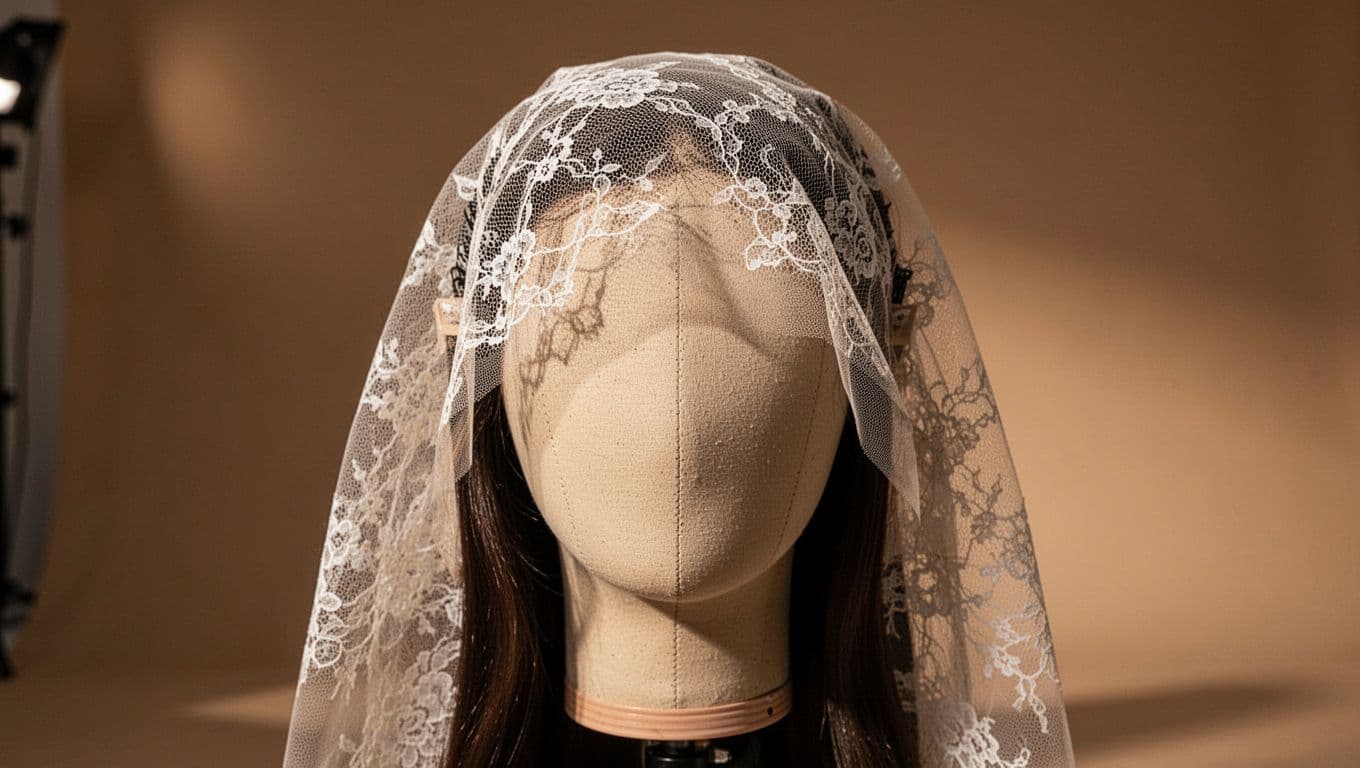
This table shows how the two options usually compare.
| Feature | HD lace | Transparent lace |
|---|---|---|
| Thickness | Very thin and delicate | Slightly thicker and more durable |
| Starting color | Often closer to a skin-like tone | Usually light, clear, beige, or neutral |
| Blending | Can blend with less visible mesh | Often needs tinting for the best match |
| Customization | Takes careful handling | Gives you more room for tinting and styling |
| Durability | More likely to tear with rough handling | Usually more forgiving for regular wear |
| Best for | Experienced wearers and short-term glam looks | Beginners and frequent wig wearers |
The better choice depends on whether you value the thinnest possible mesh or easier customization and maintenance.
What makes HD lace different?
HD lace, also called high-definition lace, uses a fine mesh that can sit close to the skin. It often creates a soft transition between the wig and forehead, particularly when the lace color matches the wearer's undertone.
Its thin construction also creates a drawback. Pulling, brushing, frequent adhesive removal, and sleeping in the wig can stretch or tear the material. Excess heat from hot combs can also damage the front if you press directly on the lace.
HD lace works well for special occasions, photo sessions, and wearers who already know how to handle delicate lace. It can also suit a natural hairline with a light front density and properly customized knots.
What makes transparent lace different?
Transparent lace has a slightly more visible mesh structure, but it offers practical advantages. The material is generally easier to tint, and many transparent lace wigs can handle regular installation and removal better than ultra-thin HD lace.
The starting color varies by manufacturer. Some wigs look almost clear on a pale complexion, while others appear beige or gray on medium and deep skin tones. A lace tint spray, lace foundation, or carefully applied powder can improve the match.
Transparent lace is a strong choice for beginners because it gives you more margin for error. You can customize the color without working with such fragile material, and you can often reuse the wig more comfortably.
Why skin tone and lace quality change the result
No lace type is universally invisible. A lace piece can look seamless on one person and leave a noticeable line on another because undertones, complexion depth, and forehead texture differ.
HD lace may blend quickly on fair to medium skin when its tone is close to the wearer. On deeper skin, the lace can still look natural, but it may need tinting. Transparent lace often needs even more preparation because its light base can create a pale or ashy cast along the hairline.
Choose a lace tint that matches your skin depth and undertone, not only the surface color. A warm complexion may need a golden or reddish-brown tint, while a cool complexion may suit a neutral or slightly olive base. If you aren't sure, test a small amount on the lace before applying product across the entire front.
Lace quality also affects the result. Look for fine, even mesh, clean stitching, a natural-looking hairline, and knots that aren't oversized. A pre-plucked hairline can save time, but it still may need slight customization around the temples.
A thin lace with the wrong color remains visible. A slightly thicker lace with the right tint can disappear more effectively.
The hairline density matters too. Heavy, perfectly straight rows of hair often look wig-like, even when the lace blends well. A gradual density at the front creates a more realistic transition.
Knot bleaching helps, but it isn't magic
Knots are the small points where individual hairs attach to the lace. Dark knots can look like tiny dots along the part or hairline, especially on lighter lace.
Bleaching the knots lightens their appearance. However, over-bleaching can weaken the lace and cause shedding. HD lace needs extra care because the mesh is already delicate. Many shoppers choose wigs with pre-bleached knots, then ask a stylist to make small corrections rather than bleaching the entire front.
Knot bleaching also cannot fix poor lace color, excessive hair density, or an incorrect hairline position. It is one part of customization, not a replacement for proper fitting and tinting.
Which lace should you choose?
Your wearing habits should guide the decision more than the word printed in a product description. If you want a wig for occasional events and care most about a barely noticeable front, HD lace may be worth considering. You still need careful handling and a good color match.
If you plan to wear a wig several days each week, transparent lace may offer a better balance. Its added durability helps with routine styling, and tinting gives you control over the final appearance. Beginners also benefit from having a material that is less likely to tear during their first installations.
The choice becomes easier when you consider these situations:
- Choose HD lace when you have a close color match, want a very thin hairline, and can handle delicate material carefully.
- Choose transparent lace when you want easier tinting, regular wear, or a more forgiving option for learning lace-front installation.
- Choose either type when the wig has good construction, realistic density, suitable knots, and a cap that fits your head securely.
A glueless wig can work with both lace types. The cap must fit well, however. If the wig slides backward, even well-matched lace will expose an unnatural edge. Adjustable straps, combs, an elastic band, or a properly sewn glueless band can improve stability without heavy adhesive.
Hair quality is a separate consideration. Human hair allows more heat styling and part changes, while synthetic hair may hold its shape but offers less flexibility. Neither hair type guarantees a natural hairline if the lace and construction are poor.
Shop Lace Front Wigs
-
#350 Knotless Box Braids Wig | Short Lace Frontal Bob | Dark Ombre Ginger
Normaler Preis $262.50 USDNormaler Preis$0.00 USDVerkaufspreis $262.50 USD -
#4 Chestnut Brown Straight Lace Front Wig | 13x4 & 13x6 Transparent Swiss Lace Frontal Wig | 150% & 180% Density 100% Brazilian Remy Human Hair Long Closure Wig for Women (26+ Inch)
Normaler Preis Von $364.00 USDNormaler Preis$0.00 USDVerkaufspreis Von $364.00 USD -
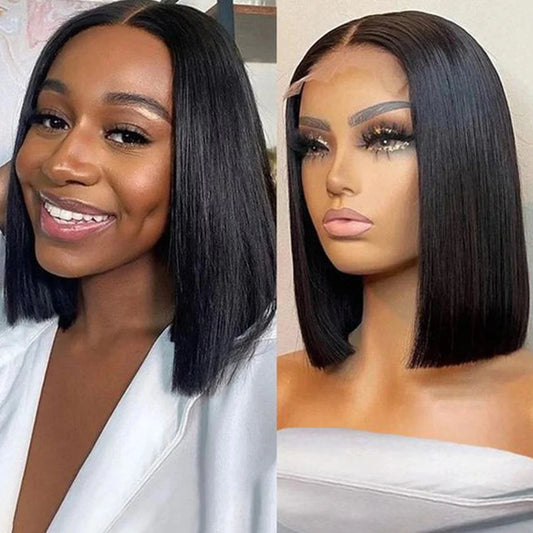
#4 Chocolate Brown Straight Bob Wig | Sophisticated 200% Density HD Transparent Lace Frontal | Elegant "Short Bob" Silhouette | "Dignified" Pre-Plucked Brazilian Remy Human Hair for Radiant Versatile Styling
Normaler Preis $150.00 USDNormaler Preis$200.00 USDVerkaufspreis $150.00 USDSale -
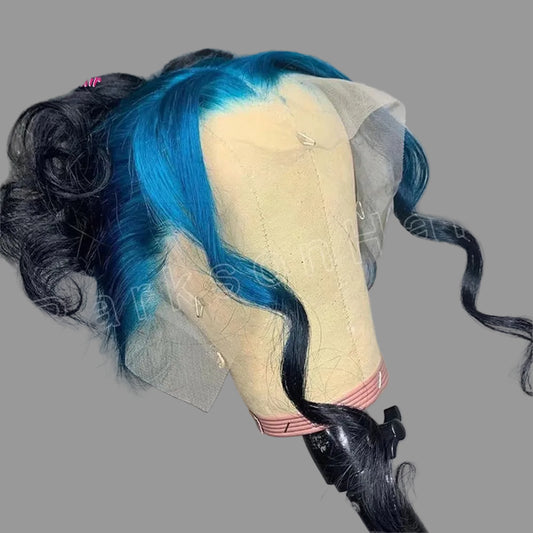
#4/613 Ombre Blonde Lace Front Wig | High-Impact Black with Blue Custom Tone Option | 13x4 HD Transparent Swiss Lace Frontal Body Wave Human Hair Wig for Women
Normaler Preis $502.00 USDNormaler Preis$0.00 USDVerkaufspreis $502.00 USD -
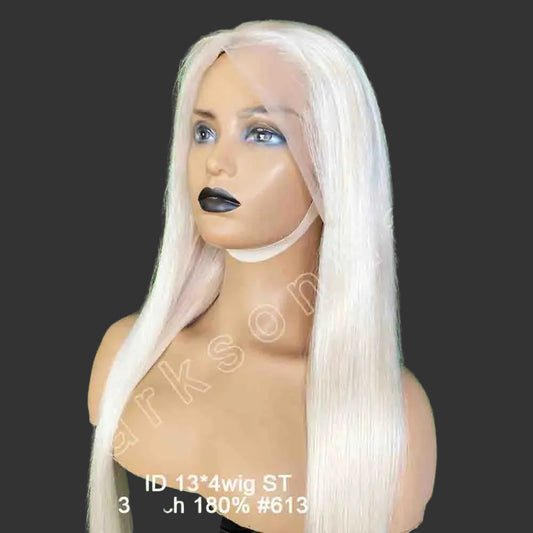
#60 613 Platinum Blonde Wear-and-Go Glueless Wig | 13x4 HD Transparent Lace Frontal Wig | 100% Brazilian Remy Human Hair Body Wave Long 26+ Inch Wig for Women
Normaler Preis Von $249.00 USDNormaler Preis$0.00 USDVerkaufspreis Von $249.00 USD -
#60 Platinum Ash Blonde Lace Front Wig | 100% Brazilian Human Hair Glueless Wig | 13x4 & 13x6 HD Transparent Swiss Lace Frontal Body Wave Gown for Women
Normaler Preis Von $249.00 USDNormaler Preis$0.00 USDVerkaufspreis Von $249.00 USD -
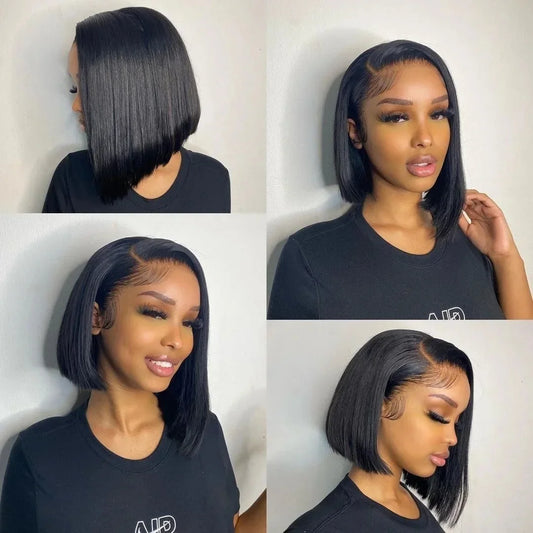
10-16 inch Short Straight Bob Wig | Brazilian Remy Human Hair | 13x4 Lace Frontal | Natural Looking | Ready to Wear
Normaler Preis $72.51 USDNormaler Preis$120.85 USDVerkaufspreis $72.51 USDSale -
100% HD Transparent Lace Frontal Wig | Sophisticated "Bone Straight" Silhouette | Pre-Plucked 13x6 HD Full Lace Front Human Hair Wig | "Dignified" High-Performance Brazilian Remy Essential for Radiant Versatile Styling
Normaler Preis Von $346.00 USDNormaler Preis$0.00 USDVerkaufspreis Von $346.00 USD







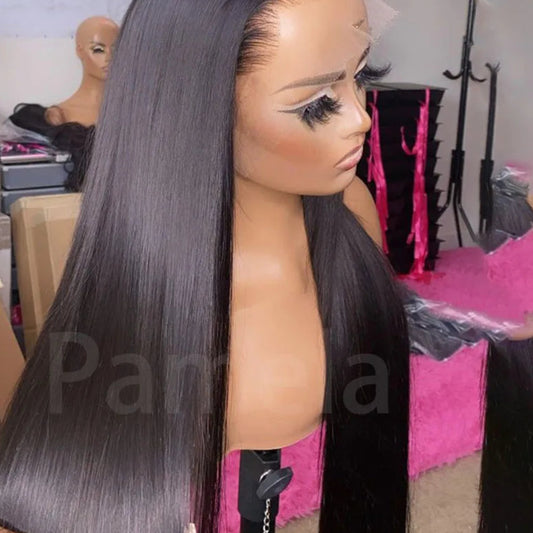
How to create a natural-looking lace hairline
A realistic finish comes from several small adjustments. Take your time with each one instead of relying on adhesive to hide every issue.

- Start with clean, dry skin. Remove oil, moisturizer, and makeup from the forehead before positioning the lace. A scalp protector can help reduce irritation when you use adhesive.
- Check the fit before cutting. Place the wig on your head and locate the ear tabs, temples, and center part. The lace should sit near your natural hairline without pulling tightly or resting too far forward.
- Tint the lace in light layers. Use a product made for lace or a small amount of matching foundation. Apply gradually, allow it to dry, and check the color in natural light. Too much product can create buildup and make the lace look darker than your skin.
- Trim the excess lace carefully. Use small, uneven cuts around the front instead of one perfectly straight line. Leave enough lace to cover the hairline, and avoid cutting into the delicate knots.
- Customize the front density. Pluck only a few hairs at a time around the temples and part. Over-plucking creates gaps and can shorten the wig's lifespan. If the unit already has a pre-plucked hairline, make minimal changes first.
- Address visible knots with care. If the knots remain dark, use a professional knot-bleaching service or a suitable concealer. Keep bleach away from the hair lengths, and don't leave it on longer than directed.
- Secure and melt the edge without flattening it. A thin layer of adhesive, wig tape, or a glueless band can hold the lace in place. Press the lace gently with a melt band while it sets, then remove the band once the product has dried.
- Style the baby hairs sparingly. A small amount can soften the edge, but too many swoops may draw attention to the wig. Many natural hairlines have irregular spacing and different hair directions.
For daily wear, remove the wig according to the adhesive instructions and clean product from the lace. Sleep in a satin or silk bonnet only when the wig and installation method are designed for overnight use. Otherwise, removing the wig protects both the lace and your natural hairline.
The right lace depends on the complete finish
The debate over HD lace vs transparent lace has no universal winner. HD lace offers a thinner base, while transparent lace provides easier customization and often better durability. Neither option can replace correct tinting, suitable density, clean knots, and a secure fit.
If you're new to lace-front wigs, transparent lace is often easier to learn with. Experienced wearers who want a delicate, low-visibility finish may prefer HD lace. In both cases, choose a wig that matches your skin tone and hairline needs instead of buying based on the lace name alone.
A natural hairline comes from the complete installation. When the lace color, knots, density, fit, and styling work together, the material becomes far less noticeable, whether you choose HD or transparent lace.