

How to Style a Headband Wig With Scarves and Bands
A scarf or headband can change the look of a wig in minutes, but the wrong placement can make the hairline look bulky or leave your head feeling squeezed. The most natural headband wig styles start with a comfortable fit, then add an accessory that suits the wig's texture and your outfit.
You don't need advanced styling skills or special tools. Prep the wig gently, place the scarf or band with care, and make small adjustments until the look feels balanced.
Key Takeaways
- Adjust the wig first, then layer a scarf or band over its built-in band.
- Keep accessories secure but loose enough to feel comfortable.
- Match the accessory's width and pattern to the wig's texture and volume.
- Handle the hair gently, especially when smoothing, combing, or repositioning it.
Prep and Secure the Wig Comfortably
A good base helps accessories sit smoothly instead of sliding or bunching. Before styling, check the wig's instructions and features, since cap designs can vary.
Check the fit before adding accessories
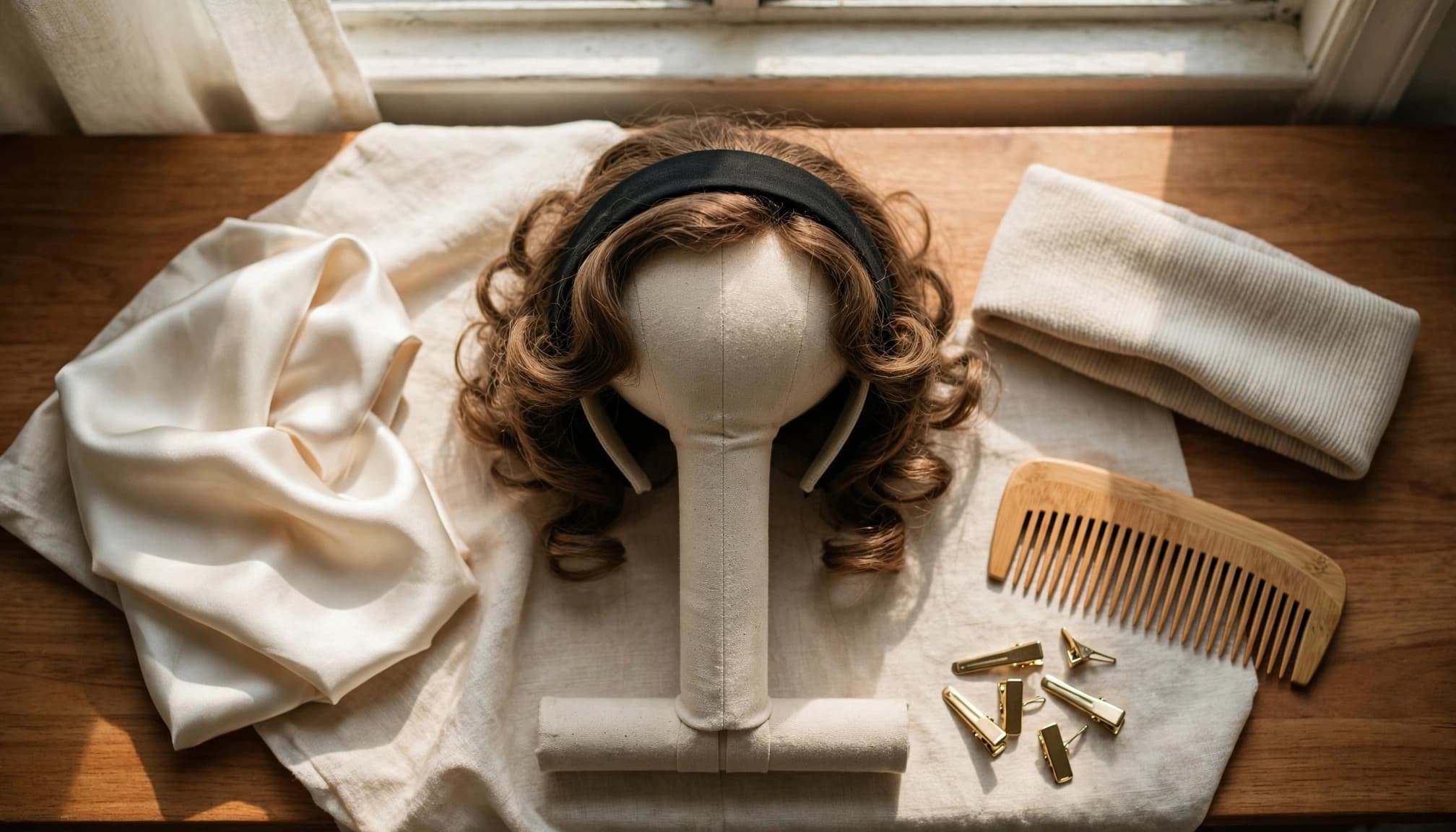
Start with clean, dry hands and a wig stand or a clear space where you can set the wig down. If you're wearing the wig, arrange your natural hair flat under a wig cap or in a low, comfortable style. Avoid pulling your hair tightly just to create a smooth base.
Place the wig so its built-in band sits where you want it along the front of your head. Adjust any combs, straps, or fasteners included with the unit. They should feel secure without pinching. If the wig shifts when you move your head, correct its fit before adding another layer.
Smooth the hair without forcing it
Use your fingers or a suitable comb to arrange the hair around the band. For curls, separate a few sections gently rather than brushing through the whole style. With straight or blown-out textures, smooth the hair in its natural direction and avoid tugging at the roots.
If you need an example of a textured option, Luxegan lists a 26-inch kinky straight headband wig. Check the product page for current specifications before purchasing.
Choose a Scarf That Works With Your Wig
A scarf can cover the attached band or add a strip of color above it. Choose a fabric and shape you can tie without pulling the wig out of position.
Try a slim wrap or a wider band
A slim scarf creates a small accent and leaves more of the wig's built-in band visible. It's a useful choice when you want a light touch or when a wide wrap would crowd the hairline. Fold a square scarf into a narrow strip, or use a long scarf that's already shaped like a band.
A wider scarf makes the accessory a central part of the look. Fold it into a broad strip and place it over the built-in band, keeping its front edge even. Tie it at the nape or slightly to one side, then arrange the ends so they don't cover the hair or pull on the cap.
Balance color, pattern, and volume
With a patterned scarf, let the print take the lead and keep other accessories simple. A solid scarf can pick up a color in your outfit or create contrast against the hair. If the wig is already high-volume, a narrower band may keep the overall shape from feeling crowded.
For a product example with color and a scarf-style band, see Luxegan's ginger and auburn straight headband wig. Use the listing to compare its look with your preferred shade and texture.

Add a Scarf or Band Step by Step
Work in stages so you can check the fit as you go. A scarf can decorate a wig, but it shouldn't be the only thing holding a loose unit in place.
Wrap and tie a scarf
- Put on the wig and adjust its built-in fasteners, if it has them.
- Brush or arrange the hair away from the band area.
- Fold the scarf to your preferred width, then center it over the built-in band.
- Bring the ends around the head without tightening them against your skin.
- Tie a simple knot at the nape or side, then tuck or arrange the ends.
- Check the front in a mirror and turn your head to see whether the wig or scarf shifts.
If the knot feels bulky, loosen it and retie it. A knot that's too tight can pull the accessory out of place and make the style uncomfortable.
Layer a separate headband
Choose a soft, flexible band that can sit over the wig's attached band without creating pressure. Center it across the front, then slide it gently into position rather than dragging it over the hair. If the two bands look thick together, try a thinner accessory or place the added band a little farther back.
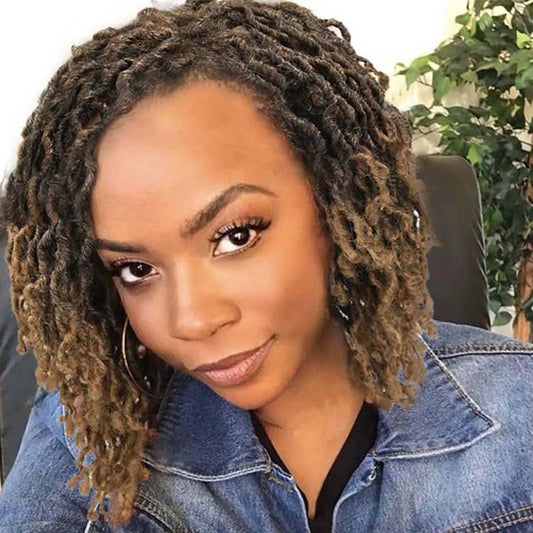
Some units are designed to be worn with an additional scarf or band. Luxegan's listing for an ombre brown faux locs wig styled with scarves and headbands describes layering accessories over its attached band.
Adapt the Accessory to the Hair Texture
The wig's texture changes how much of the band you see and how the accessory balances the style. Keep the hair's shape in mind before choosing a width or tie placement.
For curls and coils
Leave enough space for curls to frame the face. A narrow band can show the built-in band while keeping the front uncluttered. If you prefer a scarf, try a medium-width wrap and avoid flattening the curls directly behind it.
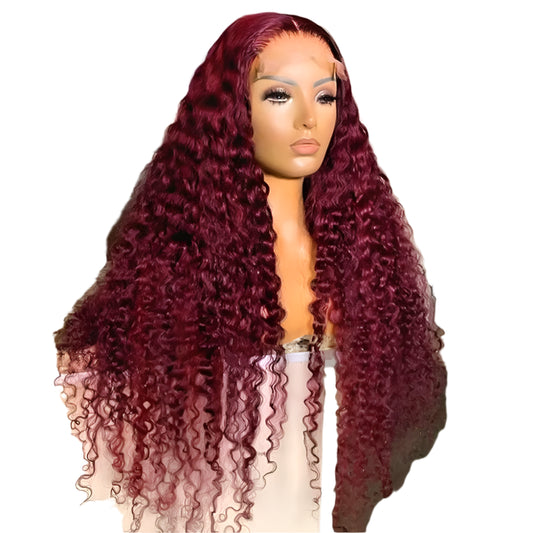
When adjusting the hair, lift curls into place with your fingers instead of pulling them forward. For longer or fuller units, arrange the lengths over one shoulder or behind both shoulders so the scarf remains visible. Luxegan lists a 180% density Jerry curly headband wig, which offers one example of a fuller texture.
For straight, wavy, or braided styles
Straight hair pairs well with a neat, even band. Smooth the lengths away from your face, then check that the accessory doesn't create a bump where it crosses the wig's band. With waves, keep some movement around the temples instead of flattening every strand.
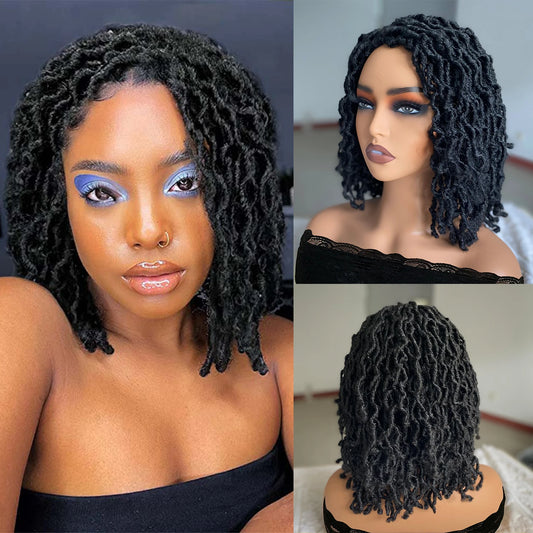
Braids and faux locs already add visible texture, so a solid or narrow scarf can keep the look balanced. If you want a bold print, let it be the main accent and keep the hair arranged simply around it.
Shop Best Sellers
-
Short Goddess Faux Locs Wig | Brown Highlight Crochet Dreadlock Wig
Normaler Preis Von $158.00 USDNormaler Preis$190.00 USDVerkaufspreis Von $158.00 USDSale -
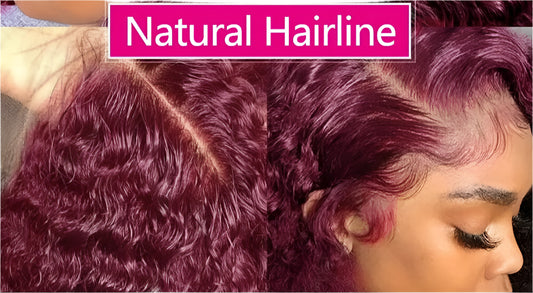
30 Inch Burgundy 99J Curly Human Hair Wig | 13x6 Lace Frontal | 200% Density
Normaler Preis Von $257.00 USDNormaler Preis$0.00 USDVerkaufspreis Von $257.00 USD -
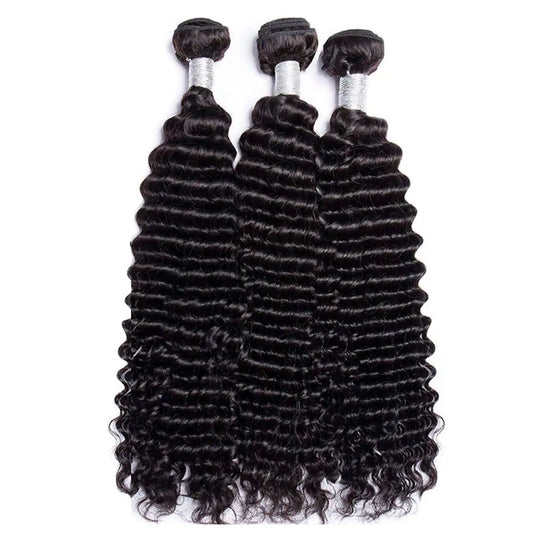
12A Deep Wave Remy Human Hair Bundles | 30 to 32 Inch Weft Extensions
Normaler Preis $364.00 USDNormaler Preis$0.00 USDVerkaufspreis $364.00 USD -
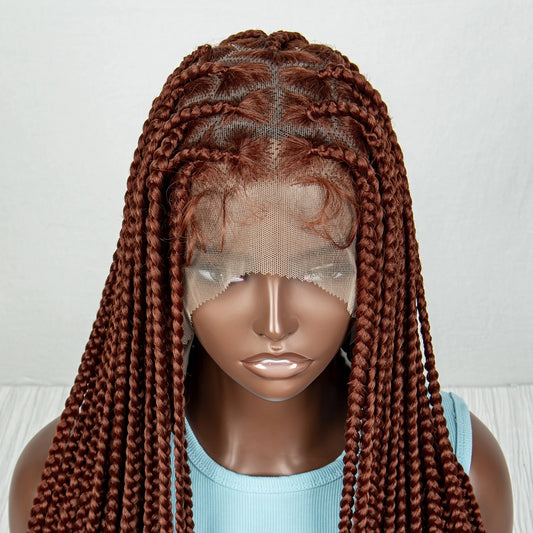
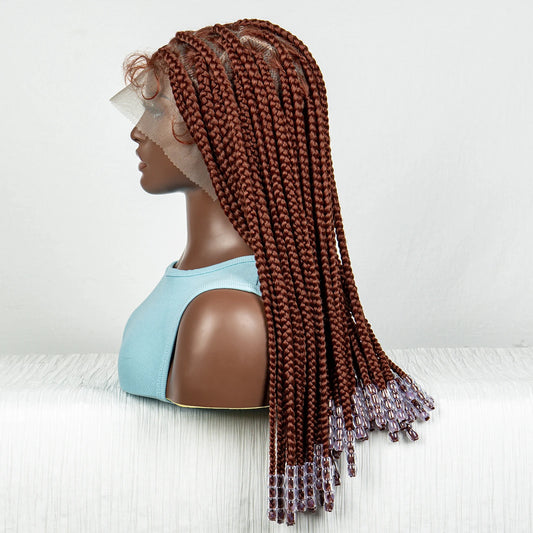
#350 Knotless Box Braids Wig | Short Lace Frontal Bob | Dark Ombre Ginger
Normaler Preis $262.50 USDNormaler Preis$0.00 USDVerkaufspreis $262.50 USD -
Short Afro Faux Dreads Wig | Synthetic Braided Wig for Men and Women
Normaler Preis $90.00 USDNormaler Preis$120.00 USDVerkaufspreis $90.00 USDSale -
12A Raw Vietnamese Bouncy Wave Wig | 13x4 Lace Frontal | 250% Density
Normaler Preis Von $242.00 USDNormaler Preis$0.00 USDVerkaufspreis Von $242.00 USD -
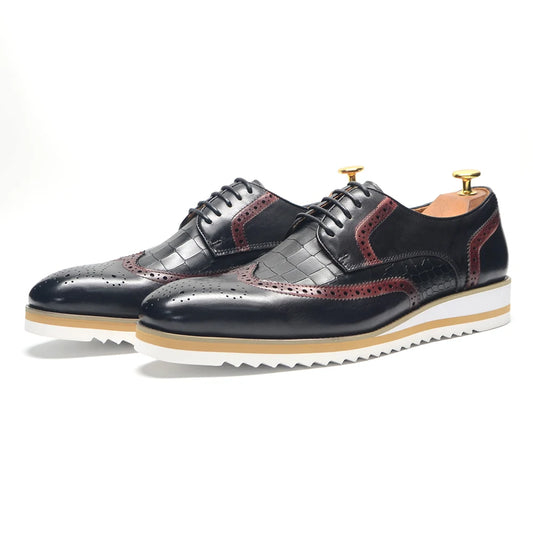
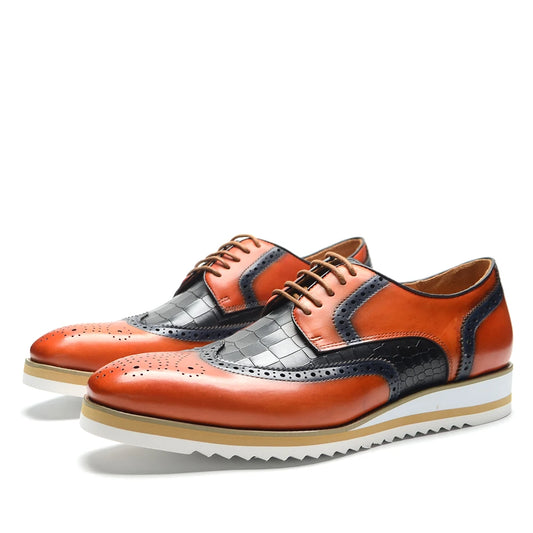
Men's Wingtip Derby Shoes | Genuine Leather Colour Block Lace-Ups
Normaler Preis $263.00 USDNormaler Preis$301.00 USDVerkaufspreis $263.00 USDSale -
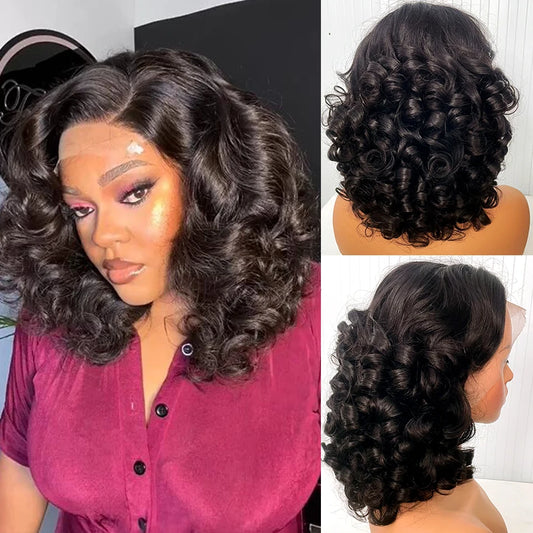
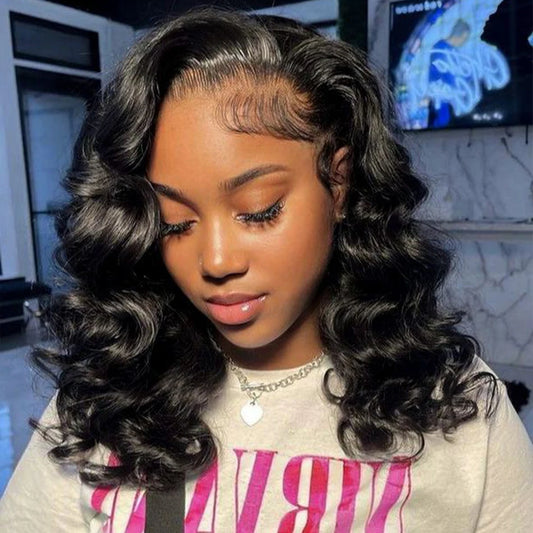
Brazilian Human Hair 13x4 Lace Front Wig | Glueless, Pre-Plucked with Baby Hair
Normaler Preis Von $99.00 USDNormaler Preis$132.00 USDVerkaufspreis Von $99.00 USDSale





Style a Headband Wig for Different Occasions
The same unit can look casual or dressed up with a different accessory. The key is to choose a finish that suits the setting while keeping the fit comfortable.
Keep an everyday look simple
For errands, classes, or a casual lunch, try a narrow cotton or soft-knit band in a neutral shade. A small print also works if the rest of your outfit is understated. Smooth the hair around your face and check the back of the wig before leaving, especially if you tied a scarf at the nape.
A low-key style should still feel deliberate. Center the band, keep the scarf ends tidy, and avoid adding several competing patterns. If the accessory slips during the day, reposition it gently rather than tightening it around your head.
Add a dressier accent
For dinner or an event, choose a satin-look scarf, a deep solid color, or a band with a subtle sheen. A side knot can add shape without requiring an elaborate wrap. Keep the hair polished but don't pull it so tightly that the wig shifts.

For a clean finish, make sure the band lies flat across the front and the hair falls evenly on both sides. A simple accessory often looks more polished than a complicated tie that needs frequent readjustment.
Protect Your Comfort and the Wig
A stylish fit shouldn't create pressure or require rough handling. Small checks before and after wearing the wig can help you avoid discomfort and keep the style neat.
Keep tension low
Take the wig off if the band or fasteners cause pain, pressure, or persistent discomfort. A scarf should sit over the wig rather than compressing your head. The American Academy of Dermatology's guidance on hairstyles that pull warns that frequently wearing tightly pulled hairstyles can cause traction alopecia.
If your scalp feels sore or you notice irritation, remove the accessory and reassess the fit. Don't compensate for a loose wig by cinching a scarf tightly. Adjust the unit's own fastening system or consult its care guidance instead.
Handle the hair gently
When removing an accessory, untie it first and lift it away rather than dragging it across the hair. Set the wig down before detangling, and work through tangles gradually. Avoid pulling the scarf knot through the hair, since that can snag strands or disturb the style.
Store scarves and bands separately from the wig when you're not wearing them. Before the next use, check for rough seams, fasteners, or decorations that might catch on the hair. Follow the wig maker's care instructions for washing and storage, since care can differ by fiber and construction.
Frequently Asked Questions
Can I wear a scarf over the wig's attached headband?
Yes, if the scarf sits comfortably over the built-in band and doesn't make the wig feel tight. Center the scarf, tie it gently, and check that the unit stays in place when you turn your head.
How do I keep a scarf from sliding?
Start with a well-adjusted wig, then place the scarf over its band rather than on loose hair alone. Retie it with less slack if needed, but don't make it uncomfortable. A scarf that keeps slipping may be too smooth or too wide for the way you've positioned it.
Which accessory works best with a curly headband wig?
There isn't one choice that suits every curl pattern or outfit. A narrow band gives curls room around the face, while a medium-width scarf adds more color. Try each without pressing down the curl pattern, then choose the one that stays comfortable.
Make the Style Feel Like Yours
A scarf or band can give a headband wig a fresh finish without a complicated install. Begin with a stable, comfortable fit, then choose an accessory that complements the wig's texture and your plans.
Keep the wrap loose, handle the hair gently, and adjust the style in small steps. When the fit feels right, the accessory should finish the look, not distract you from wearing it.