

How to Choose a Home Massage Device for Relaxation
Long workdays can leave your neck, shoulders, back, or feet feeling tight before you even get home. A home massage device can make relaxation easier, but the strongest motor or highest price doesn't automatically make a product better.
The right choice depends on where you feel tension, how you want to use the device, and whether its pressure feels comfortable. Start with your routine and preferred sensation, then compare device types, features, safety guidance, and return policies.
Start with the feeling you want
Before comparing products, decide what relaxation means for you. Someone who wants a gentle wind-down before bed needs a different device from someone who wants focused pressure after exercise or a long shift.
A soft vibration can feel calming across the shoulders or legs. Kneading heads create a sensation closer to hands working in small circles. Percussive devices deliver quick pulses into larger muscle areas, which some people enjoy after physical activity. Heat can add comfort, but it should feel warm rather than hot.
Think about the areas you can reach without straining. A handheld massager may work well for shoulders, arms, thighs, and calves, but reaching the middle of your back can be awkward. A massage cushion or pillow can cover that gap while you sit on a sofa or in a chair.
Your intended use also affects the ideal size. A compact device is easier to keep near your desk or pack for travel. A larger foot or back massager takes more storage space, but you won't need to hold it during use.
Keep the purpose realistic. At-home massage may support relaxation and provide temporary relief for everyday muscle tension. It doesn't diagnose or treat an injury, chronic pain condition, nerve problem, or other medical issue.
The best setting is the one that lets your muscles relax. If you brace against the pressure, the device is too intense for that moment.
Consider writing down your main use case in one sentence: "I want gentle shoulder massage while watching television," or "I want short foot sessions after work." That sentence will make product comparisons much easier.
Choose the right home massage device type
Different devices create different sensations and suit different routines. The best home massage device is usually the one you'll use comfortably and consistently, not the one with the longest feature list.

Handheld electric massagers
Handheld models are flexible because you can move them across the shoulders, arms, legs, and upper back. Many include interchangeable heads, such as a broad pad for larger muscles or a smaller head for focused pressure.
Choose one if you want control over the location and intensity. Check the grip before buying, especially if you expect to hold the device for several minutes. A heavy handle can make your wrist or shoulder tired.
Massage guns
Massage guns use rapid pulses and often include several speed settings. They suit people who prefer a firm, rhythmic sensation on areas such as the thighs, calves, glutes, or shoulders.
They aren't ideal for every relaxation routine. The sound can be noticeable, and the pressure may feel too stimulating when you're trying to settle down. Use a low setting first, and avoid pressing the device into bones or joints.
Consumer Reports explains the main features and safety points in its massage gun buying guide. The guide is useful when product listings focus heavily on stall force, speed, or attachment count.
Shiatsu pillows and massage cushions
These products use rotating or kneading nodes under a fabric cover. A pillow can sit behind your neck or lower back, while a cushion can support your back during a seated session.
They work well when you want a hands-free option. Look for a stable shape and controls you can reach without twisting. Heat is common, but you should be able to turn it off if warmth doesn't suit you.
Foot massagers and compression devices
A foot massager is a practical choice when your feet feel tired after standing or walking. Some models knead the soles, while others combine massage with air compression around the feet and lower legs.
Because these devices are larger, measure the space where you'll use and store one. Check the internal foot size, too. A device that feels cramped won't become more comfortable during a longer session.
Manual rollers, massage balls, and textured sticks cost less and don't need charging. They require more effort, but they are easy to store and give you precise control over pressure.
Check the features that affect comfort and use
Once you've chosen a device category, focus on features that change the daily experience. A simple model with intuitive controls may be more useful than a complicated product you avoid.
Start with intensity control. At least two or three levels give you room to adjust the sensation. A gradual range is better than a single powerful setting, especially if you want to use the device on both broad muscles and more sensitive areas.
Next, check whether the device has a timer or automatic shutoff. A timer helps you avoid losing track of a session while reading or watching television. It also makes short, repeatable routines easier.
Noise matters in shared spaces. Percussive products often make more sound than a small vibrating massager. If you plan to use yours while watching television, listen for user comments about motor noise rather than relying only on the phrase "quiet."
Heat can make a pillow or foot massager feel more relaxing. However, heat should be optional, with clear controls and a temperature that feels gentle. Never use heat over numb skin because you may not notice discomfort quickly.
Battery life affects convenience, while a corded model avoids charging delays. Consider where you'll use the device. A cordless unit works well in different rooms, but a corded model can be ready whenever it is plugged in.
Use this comparison to narrow the field before you read individual product pages.
| Device type | Best suited to | Main point to check |
|---|---|---|
| Handheld massager | Flexible shoulder, arm, and leg use | Grip weight and attachment shape |
| Massage gun | Firm pulses on larger muscle areas | Speed range, noise, and safe handling |
| Shiatsu pillow | Seated neck or back relaxation | Node position, cover, and heat control |
| Foot massager | Tired feet after standing or walking | Foot space, cleaning, and storage |
| Manual roller or ball | Low-cost, targeted pressure | Texture and the effort required |
The takeaway is simple: match the feature to your routine. Extra attachments have little value if the handle is uncomfortable or the controls are confusing.
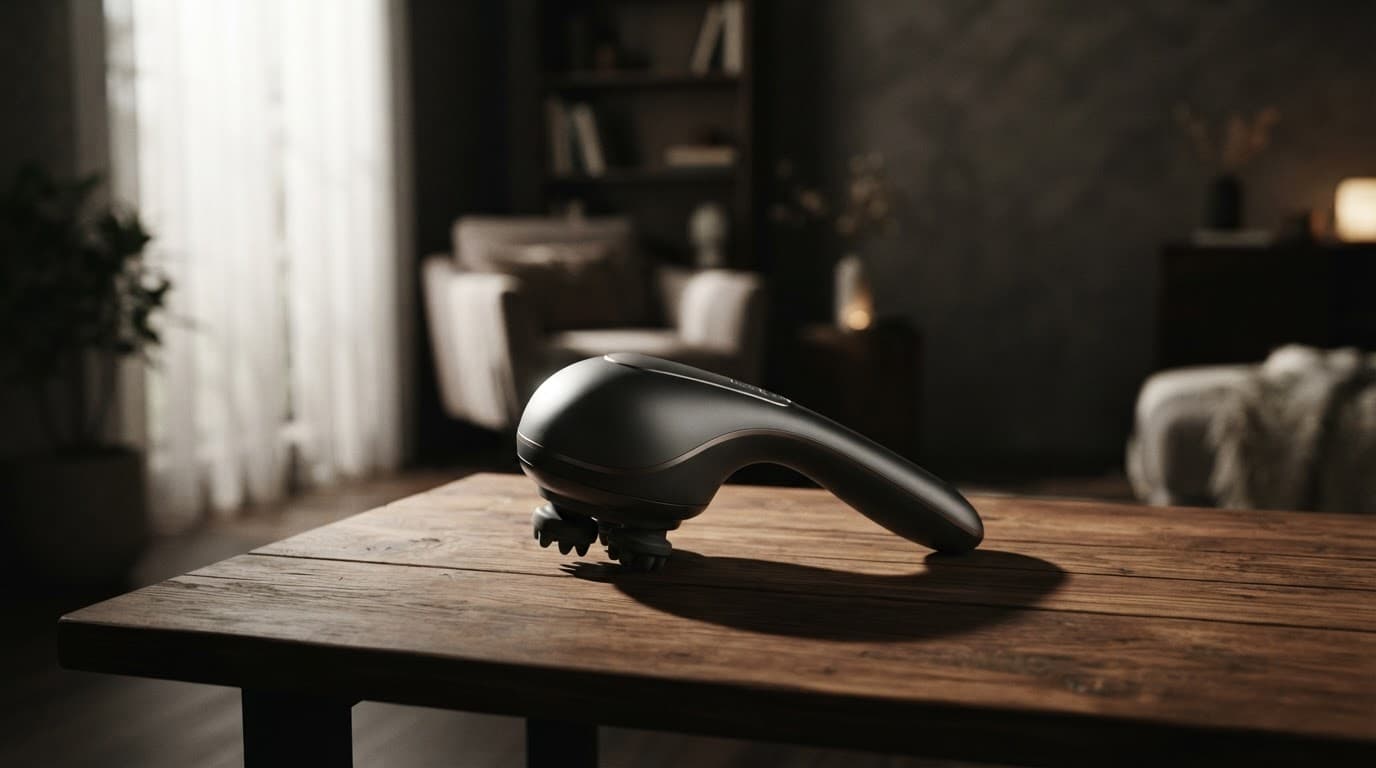
Also inspect the cleaning instructions. Removable, washable covers are helpful for pillows and foot devices. For handheld products, a smooth exterior is easier to wipe down than a heavily textured one.
Shop Best Sellers
-
Short Goddess Faux Locs Wig | Brown Highlight Crochet Dreadlock Wig
Normaler Preis Von $158.00 USDNormaler Preis$190.00 USDVerkaufspreis Von $158.00 USDSale -
30 Inch Burgundy 99J Curly Human Hair Wig | 13x6 Lace Frontal | 200% Density
Normaler Preis Von $257.00 USDNormaler Preis$0.00 USDVerkaufspreis Von $257.00 USD -
12A Deep Wave Remy Human Hair Bundles | 30 to 32 Inch Weft Extensions
Normaler Preis $364.00 USDNormaler Preis$0.00 USDVerkaufspreis $364.00 USD -
#350 Knotless Box Braids Wig | Short Lace Frontal Bob | Dark Ombre Ginger
Normaler Preis $262.50 USDNormaler Preis$0.00 USDVerkaufspreis $262.50 USD -
Short Afro Faux Dreads Wig | Synthetic Braided Wig for Men and Women
Normaler Preis $90.00 USDNormaler Preis$120.00 USDVerkaufspreis $90.00 USDSale -
12A Raw Vietnamese Bouncy Wave Wig | 13x4 Lace Frontal | 250% Density
Normaler Preis Von $242.00 USDNormaler Preis$0.00 USDVerkaufspreis Von $242.00 USD -
Men's Wingtip Derby Shoes | Genuine Leather Colour Block Lace-Ups
Normaler Preis $263.00 USDNormaler Preis$301.00 USDVerkaufspreis $263.00 USDSale -
Brazilian Human Hair 13x4 Lace Front Wig | Glueless, Pre-Plucked with Baby Hair
Normaler Preis Von $99.00 USDNormaler Preis$132.00 USDVerkaufspreis Von $99.00 USDSale








Buy for comfort and safe use
A massage device should create a pleasant sense of pressure, vibration, or warmth. Pain, sharp discomfort, tingling, bruising, or lingering soreness means you should stop and reassess the setting and location.
Avoid using high-pressure devices directly over the spine, front or side of the neck, joints, bones, open skin, bruises, or swollen areas. Keep the device moving when the instructions call for movement, and don't force it into one spot.
If you have reduced sensation, a bleeding disorder, an implanted medical device, an unexplained injury, or a condition that affects how your body responds to pressure or heat, ask a qualified healthcare professional before use. The same applies during pregnancy, especially when considering heat or compression products.
Consumer Reports' independent massage gun evaluations compare models such as Theragun, Hypervolt, and Renpho R4. Product testing can help you compare construction and controls, but personal comfort still matters more than a high score for features you won't use.
Temporary muscle relief can make a routine feel better, but a massage device isn't a substitute for medical care when pain persists or worsens.
Read the manual before the first session. Start with the lowest intensity, keep the first use brief, and check your skin and muscles afterward. Stop if the sensation feels wrong rather than trying to tolerate it.
Use a simple shopping method
A clear buying process keeps you from paying for features that don't fit your needs.
- Name the main area. Decide whether you want shoulder, back, foot, leg, or general use. This immediately removes many unsuitable products.
- Choose the sensation. Select gentle vibration, kneading, compression, heat, or percussive pulses. If you are unsure, a handheld model with adjustable intensity offers more flexibility than a single-purpose device.
- Check the physical details. Look at weight, handle shape, cord length, battery information, storage size, and control placement. A product can seem attractive online but feel awkward after several minutes in your hand.
- Read the instructions and customer feedback. Search reviews for comments about noise, heat level, durability, cleaning, and whether the pressure feels too strong. Pay attention to repeated complaints rather than one unusual review.
- Review the return policy. Comfort is personal, so a reasonable return window matters. Confirm whether opened wellness equipment can be returned and whether the seller covers return shipping.
- Build a short routine. Plan to use the device for a few minutes in a comfortable setting. Keep the first sessions gentle, then adjust gradually if the product feels good.
For example, someone who wants to relax after styling hair, working at a desk, or carrying a handbag may prefer a light handheld massager for the shoulders and arms. Someone who spends the day standing may get more value from a foot massager. A person who wants hands-free use while seated may prefer a shiatsu pillow.
Price should come after fit and safety. A lower-cost manual tool may suit occasional use, while a rechargeable electric product makes sense for a routine you expect to follow several times a week.
Choose a device you'll enjoy using
The right home massage device should fit your body, your space, and your preferred level of pressure. Compare device types first, then inspect intensity controls, heat options, noise, grip, cleaning, and returns.
Use massage equipment for relaxation and temporary everyday muscle relief, not as a replacement for medical advice. When the sensation feels comfortable and the routine fits your day, even a short session can become an easy part of self-care.