
How to Choose Knotless Braid Colors That Feel Like You
The right braid color can make a style feel polished, expressive, or pleasantly subtle. With so many knotless braid colors available, the easiest place to start is your natural hair at the roots, then decide how much contrast you want.
A swatch can look different in a product photo, under salon lights, and in daylight. Comparing it with your own hair in more than one setting helps you avoid a shade that feels too warm, too dark, or too bright once it's installed.
Start with the hair at your roots
Knotless braids begin with your natural hair, which makes the first few inches especially visible. A close match creates a blended look, while a deliberate contrast makes the transition part of the style.
Compare the extension with your roots
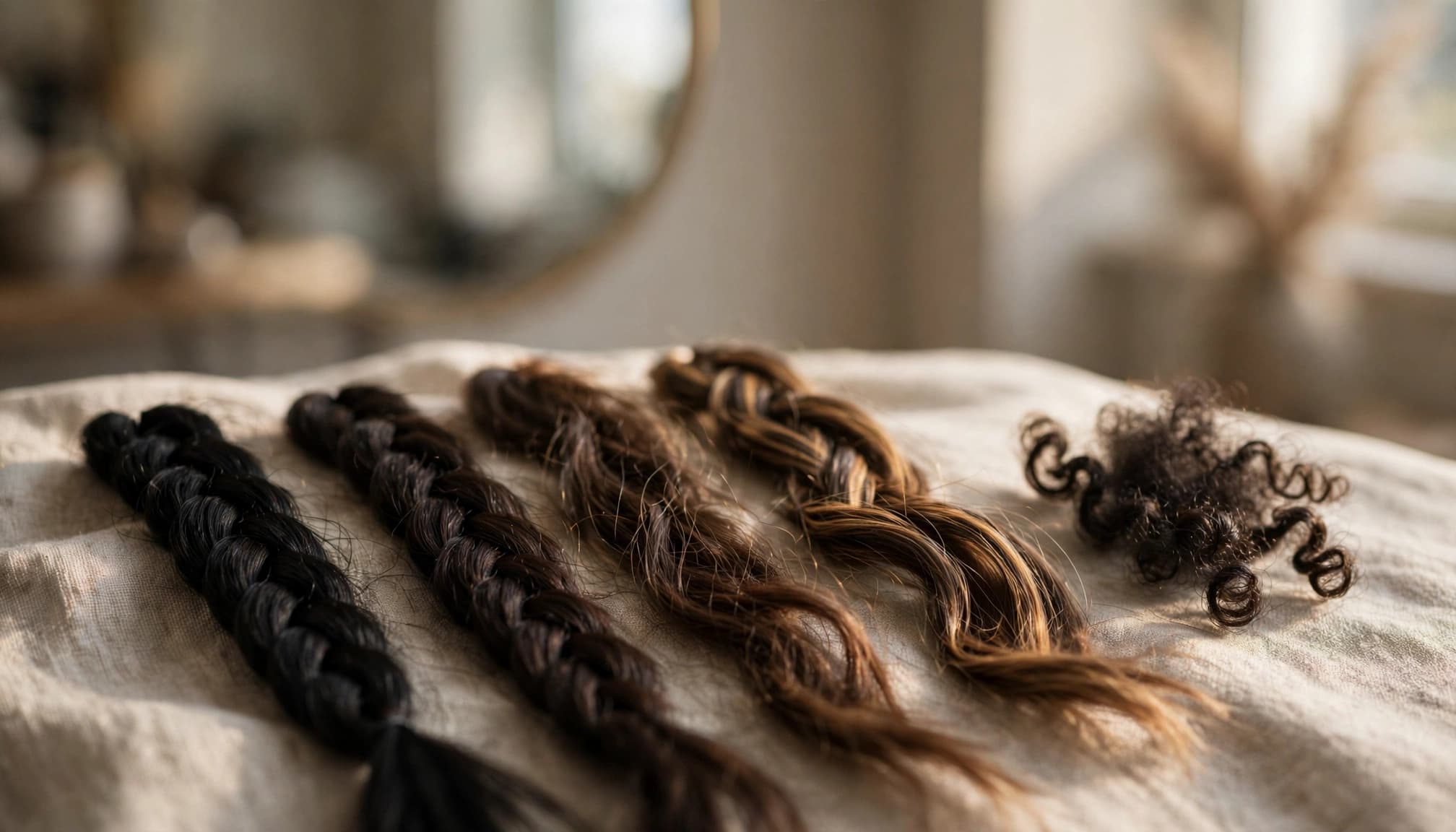
Hold a braid-hair swatch beside the hair near your scalp, not just next to the ends. Hair can be lighter or warmer at the ends because of sun exposure, previous color, or styling. Matching those ends instead of your roots may leave an obvious change where the braid begins.
Check the shade around your hairline and along your part, too. If your natural hair varies across your head, compare the extension with the area that will show most in the finished style. For a subtle result, choose a close match. If you want visible contrast, decide how much difference you're comfortable seeing at the root.
Check the shade in different lighting
Look at the swatch near a window or outdoors in open shade, then check it under the lighting you use most often. Direct sunlight can make colors appear brighter, while warm indoor bulbs may pull brown shades toward red or gold. Cooler lighting can make the same fiber look darker or ashier.
Don't rely on a phone screen as your final reference. Screens vary in brightness and color settings, and a product photo may not show the exact shade accurately. When possible, compare a physical sample in daylight and again indoors. That quick check can reveal a mismatch before you buy enough hair for a full install.
Choose the color effect you want
A solid shade gives the braids one consistent color. Highlights, blended fibers, and ombré add dimension, while vivid colors make the extensions a more prominent part of the look. The right choice depends on the contrast and placement you want.
Match the roots, add highlights, or blend shades
Matching your roots is usually the simplest route to a natural-looking result. You can still add dimension with a few lighter braids or a subtle blend. Highlights work well when you want movement without making every braid a different color.
A blended shade combines multiple tones along the length or throughout the fiber. This can soften the difference between your hair and the extensions, especially if your natural color has several tones. Ask your stylist how the blend is distributed: two colors mixed in each braid will look different from alternating solid-color braids.
If you're considering a blend, look at the hair itself rather than relying only on a photo. Luxegan listings, for example, include 26-inch pre-stretched ombre braiding hair with a range of color options. Confirm that the specific product and fiber suit your planned knotless installation.
Use ombré or vivid color for stronger contrast
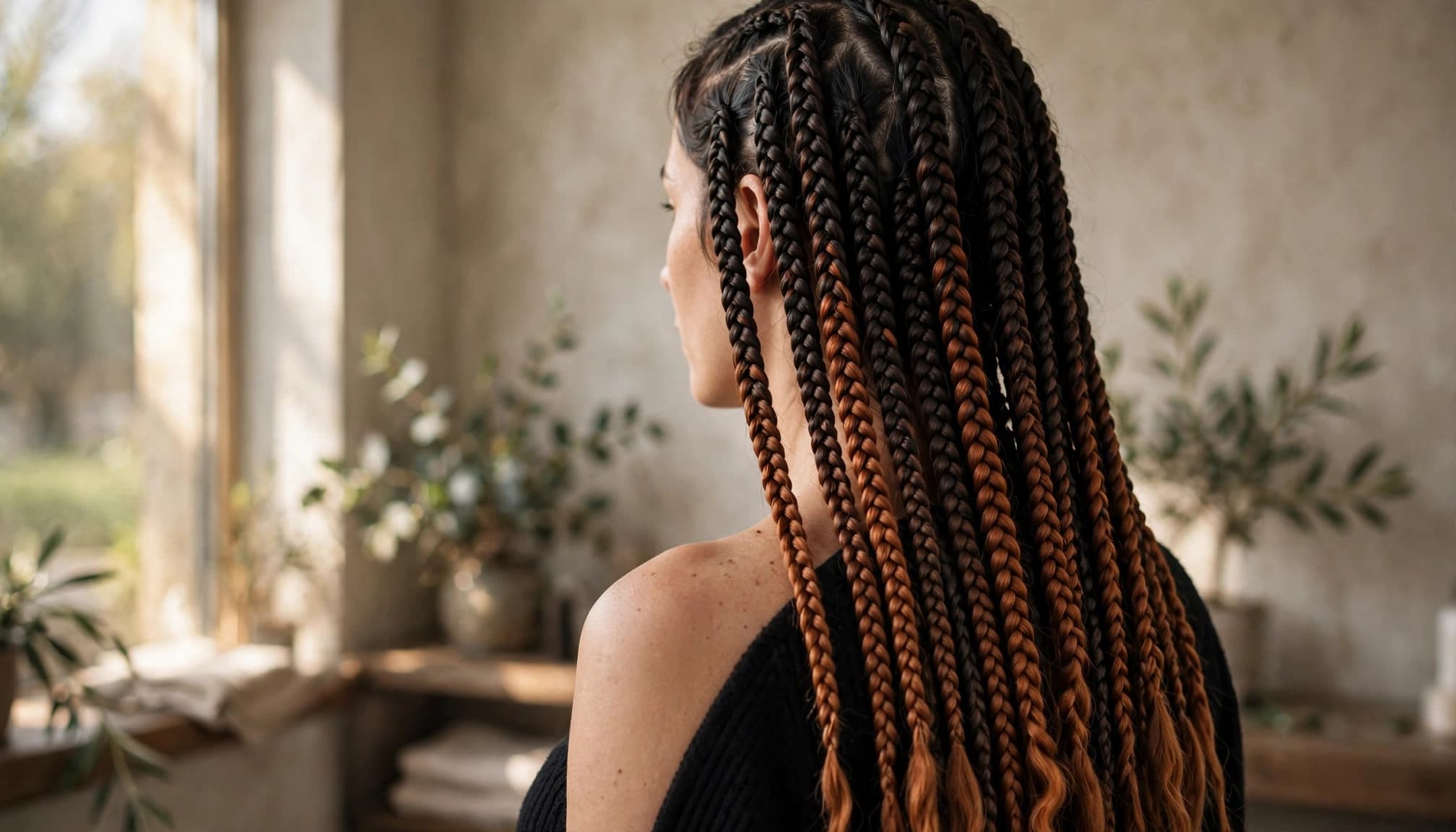
Ombré usually keeps the roots darker and shifts to a lighter or brighter color farther down the braid. That placement can make a dramatic shade feel less intense at the scalp. However, the transition may be more or less gradual depending on the product, so check photos or samples that show the full braid.
Vivid colors such as red, purple, blue, or lavender create a high-contrast finish. You can use them throughout the style or as accent braids. A product listing for pre-stretched Kanekalon hair in 95+ colors shows how broad one seller's palette can be. That number applies to that listing, not to every brand or braiding-hair line.
Treat shade names and numbers as brand-specific
Color codes can help you compare options, but they aren't a reliable shortcut across every manufacturer. One brand's shade description or number may not match another brand's exactly. Even familiar labels such as black, off-black, and dark brown can look different from one fiber line to the next.
Check the specific brand's chart
Use the color chart for the brand and product you plan to buy. For instance, Outre's X-Pression brand page and Sensationnel's color chart can help you identify the options each company lists. A chart is a starting point, though, not a guarantee that the shade will look identical on your hair or device.
Confirm both the shade name and number with your stylist and the retailer. Don't assume a number means the same thing across two brands, or even across different product lines. If you're replacing hair for a partial style, take the original packaging or a small leftover strand to the store.
Ask for a sample before buying several packs
If a swatch is available, compare it against your roots in the lighting where you'll wear the style. Check the color from more than one angle, since a smooth synthetic fiber can reflect light differently from natural hair.
For a blend, request a sample of the actual combination rather than two separate solid fibers. Also ask your stylist to confirm the shade they'll order. A short exchange before installation can prevent a full head of braids from turning out much lighter, darker, or more vivid than expected.
Let complexion guide you only if you want it to
Complexion can be one useful preference, but it isn't a rule for choosing hair color. You might like a warm brown because it echoes the tones in your skin, or prefer cool black, silver, or bright blue because that's the look you want. No single shade belongs to one skin tone.
Decide how much contrast feels right
If you want a low-contrast result, compare the hair with your roots and choose a shade close to them. For a more defined effect, move a few tones lighter or darker, or try a blend that introduces color gradually. You can also ask your stylist to place a few accent braids near the front instead of adding color throughout.
Consider the complete look, including clothing, makeup, glasses, or accessories you wear often. These can help you decide whether you prefer a shade that blends in or one that stands out. Still, choose what feels comfortable to you rather than following a chart that claims a certain color is universally flattering.
Look at the color beside your face
If you're unsure about a vivid shade or a major change, hold the swatch near your face in daylight. You're checking whether you like the overall effect, not following a rule about undertones. A color that feels too bold near the hairline might work better as a few accent braids or an ombré finish.
For example, a dark base with copper ends can preserve a familiar look while adding warmth farther down. A bright shade at the roots creates a more noticeable effect from the start. Decide where you want the color to be seen, then share that preference with your stylist.
Factor in upkeep, work, and personal style
A braid color is something you'll see and wear repeatedly, so think beyond the first photo. Your routine, workplace expectations, and comfort with attention can all help narrow the choices. None of these has to limit you, but they can clarify what you want.
Choose a shade you'll enjoy maintaining
A close match at the roots can make early regrowth less noticeable. By contrast, a sharp difference between your natural hair and a lighter extension may become more visible as your hair grows. If you prefer a lower-key look between appointments, matching the roots or using a darker root area may suit you.
Vivid and light shades may also need more care to stay looking fresh. Follow the hair maker's care guidance, and ask your stylist how the fiber handles washing, heat, or sun exposure. Color alone doesn't tell you whether the hair is suitable for your braid technique, so check the product details too.
Keep workplace and personal preferences in view
If your workplace has a dress code, review it before choosing a bright or highly contrasting color. You might prefer a subtle blend for work and save bold color for a later install. Or you may feel most like yourself in vivid braids every day. Your own comfort matters more than a general idea of what you should wear.
Think about how often you want to change your look. A natural shade can pair easily with different outfits, while a bold color makes a clear style statement. Neither requires more confidence or effort than the other. Choose the level of visibility you'll be happy with for the full time you plan to wear the braids.
Shop Best Sellers
-
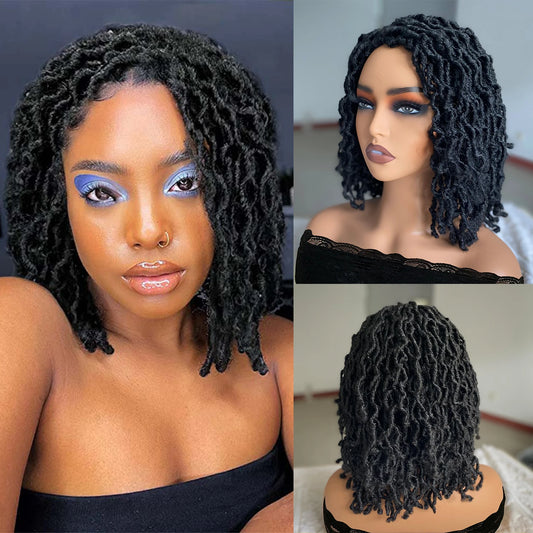
Short Goddess Faux Locs Wig | Brown Highlight Crochet Dreadlock Wig
Normaler Preis Von $158.00 USDNormaler Preis$190.00 USDVerkaufspreis Von $158.00 USDSale -
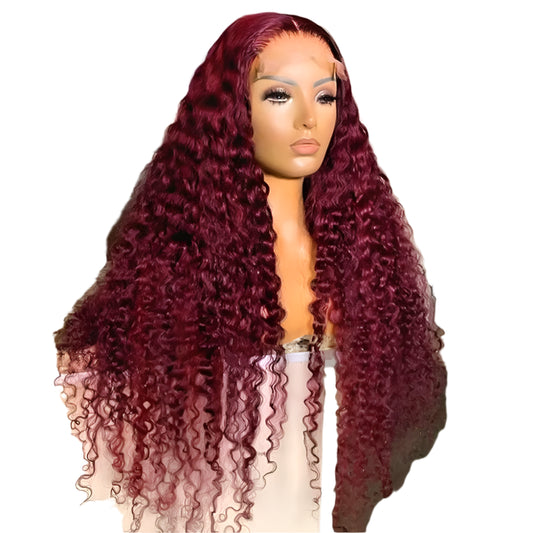
30 Inch Burgundy 99J Curly Human Hair Wig | 13x6 Lace Frontal | 200% Density
Normaler Preis Von $257.00 USDNormaler Preis$0.00 USDVerkaufspreis Von $257.00 USD -
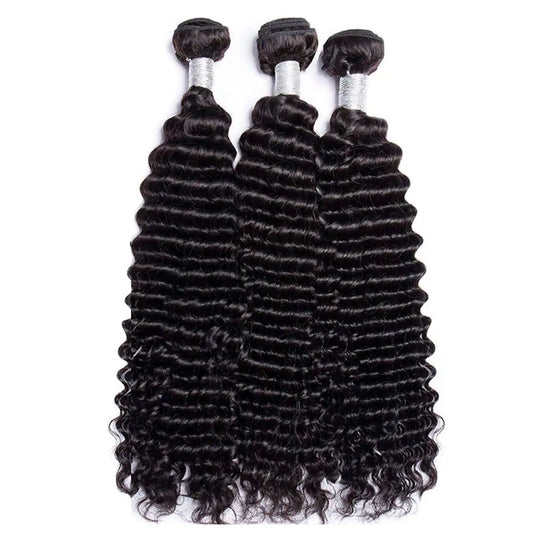
12A Deep Wave Remy Human Hair Bundles | 30 to 32 Inch Weft Extensions
Normaler Preis $364.00 USDNormaler Preis$0.00 USDVerkaufspreis $364.00 USD -
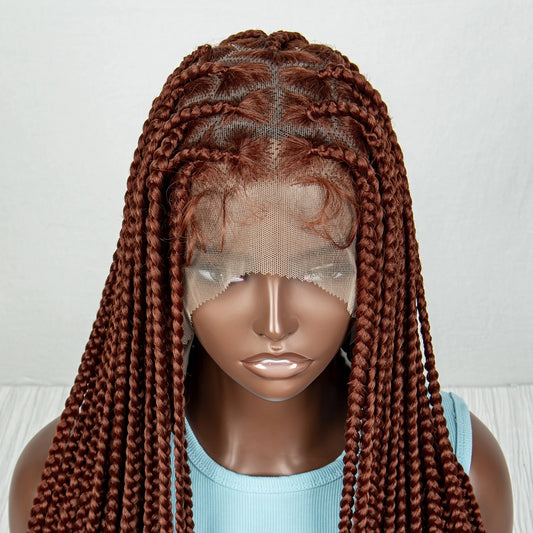
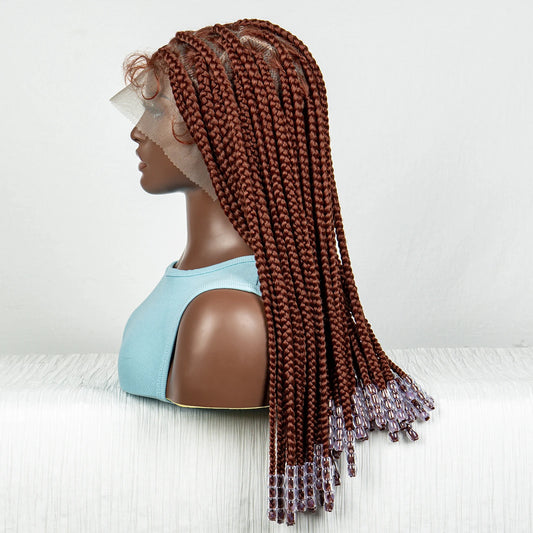
#350 Knotless Box Braids Wig | Short Lace Frontal Bob | Dark Ombre Ginger
Normaler Preis $262.50 USDNormaler Preis$0.00 USDVerkaufspreis $262.50 USD -
Short Afro Faux Dreads Wig | Synthetic Braided Wig for Men and Women
Normaler Preis $90.00 USDNormaler Preis$120.00 USDVerkaufspreis $90.00 USDSale -
12A Raw Vietnamese Bouncy Wave Wig | 13x4 Lace Frontal | 250% Density
Normaler Preis Von $242.00 USDNormaler Preis$0.00 USDVerkaufspreis Von $242.00 USD -
Men's Wingtip Derby Shoes | Genuine Leather Colour Block Lace-Ups
Normaler Preis $263.00 USDNormaler Preis$301.00 USDVerkaufspreis $263.00 USDSale -
Brazilian Human Hair 13x4 Lace Front Wig | Glueless, Pre-Plucked with Baby Hair
Normaler Preis Von $99.00 USDNormaler Preis$132.00 USDVerkaufspreis Von $99.00 USDSale





Confirm the product and order before installation
A shade choice can look right in theory but disappoint if the product differs in texture, length, or color distribution. Before purchasing, confirm the hair type and amount with your stylist. Knotless braids may use different extensions depending on the desired size and finish.
Check color, texture, length, and quantity together
Ask whether the shade comes in the texture and length your stylist needs, and whether the hair is intended for your planned braid style. Product pages may group colors across several styles, so make sure you've selected the right product variant before checkout.
Some listings show a wide palette in one place. Luxegan, for example, offers hot-water-set Kanekalon hair in 44 colors, including solid and blended options. Product-specific color counts are useful for browsing, but they don't mean every shade is available in every length or texture. Confirm the final selection with the seller.
Send your stylist the exact shade reference
Share the product name, shade number, and a clear photo of the packaging or swatch with your stylist. If your appointment is booked before you buy the hair, ask whether they have a preferred brand or can check the shade in person. Their experience with a particular fiber can help you avoid a color that looks different once braided.
For a blended or ombré style, agree on where the color should begin and how much of it you want. You might want a soft shift lower down, a few highlighted braids, or a bright shade from root to tip. A simple reference photo can clarify the placement, but confirm the shade itself with a sample whenever possible.
Key takeaways for choosing braid color
- Compare the extension with your natural hair near the roots.
- Check swatches in daylight and indoor lighting before ordering.
- Treat shade numbers and names as brand-specific, then confirm them with your stylist.
- Choose the amount and placement of contrast that matches your preferences and routine.
- If possible, compare a physical sample before buying hair for a full install.
Frequently asked questions
Should knotless braiding hair match my natural hair exactly?
It doesn't have to. A close match creates a blended look, while lighter, darker, or vivid extensions create more contrast. Since your natural hair shows near the scalp, compare the extension with your roots and decide how visible you want the transition to be.
Is shade 1B the same across all braiding-hair brands?
Don't assume it is. Shade numbers and names can vary by manufacturer and product line. Check the chart for the exact hair you're buying, then compare a physical sample or ask your stylist to confirm the shade.
How can I tell if a braid color will look right in person?
Compare the hair with your own in indirect daylight and under indoor lighting. Product photos and screens can shift color, so use them as a guide rather than your final decision. A sample gives you a better sense of how the fiber will look beside your natural hair.
Can I mix two colors in knotless braids?
Yes. Your stylist can mix shades within braids, alternate colors, add a few highlighted braids, or use an ombré fiber. Discuss the placement and contrast before installation, and confirm that both shades are available in the right texture and length.
Choose a color you'll be glad to wear
Start at the roots, compare the shade in realistic lighting, and decide whether you want a close match or a clear contrast. Brand charts and shade codes can narrow the options, but a real swatch and a quick check with your stylist are more dependable.
Your complexion, workplace, and maintenance preferences can all inform the choice, but none has to dictate it. The best color is the one that feels right for your style and the way you want your braids to look.