

Professional Wig Styles for a Polished Workday
Your work wig should help you feel prepared before the first meeting, not leave you adjusting it between tasks. The best professional wig styles look neat, stay secure, and suit your workplace without asking you to hide your natural texture or personal style.
A polished office look can include a sleek bob, soft curls, a braided wig, or a protective style. The right choice depends on your written grooming policy, daily responsibilities, comfort needs, and the culture around you. Start with styles that look intentional and feel comfortable for a full workday.
Best professional wig styles for the office
Professional dress codes usually focus on neatness, grooming, and safety rather than one approved haircut. That gives you room to choose a wig that fits your face, wardrobe, and role.

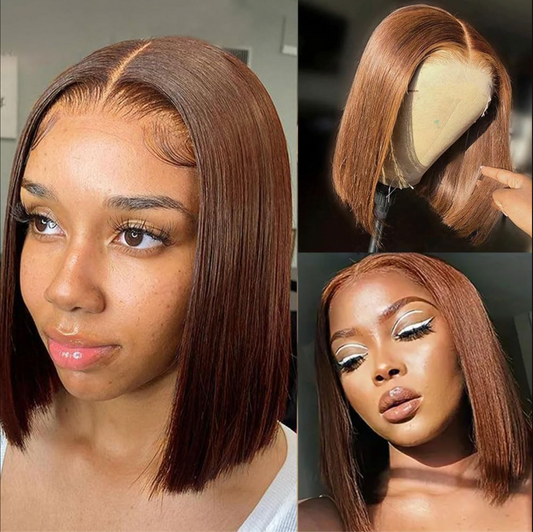
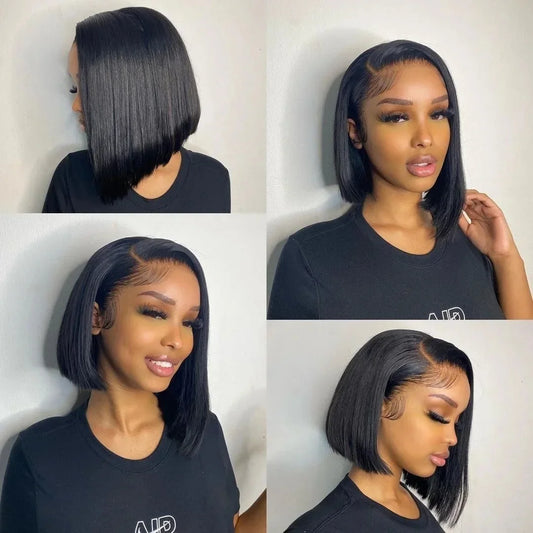
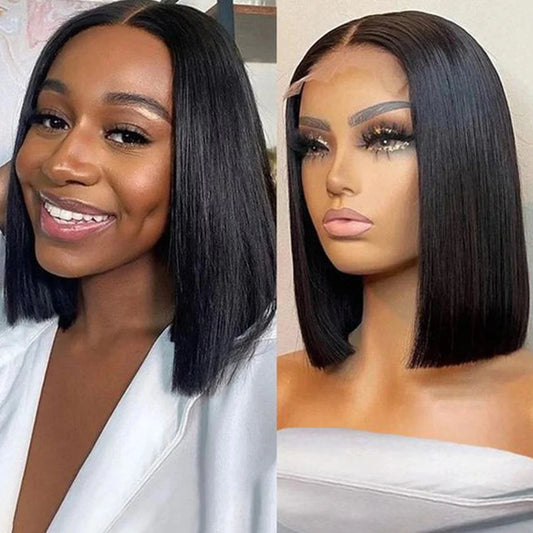
The sleek bob
A chin-length or shoulder-skimming bob is one of the easiest choices for a polished work wardrobe. Its clean shape works with tailoring, knitwear, dresses, and smart-casual outfits.
Choose a straight bob with a center or side part for a structured appearance. A blunt cut looks sharp, while lightly layered ends create softer movement. A glueless bob can also make busy mornings easier because it doesn't require adhesive or lengthy styling.
Keep the density comfortable and avoid a cut that constantly falls across your eyes. If you wear glasses, check that the wig's length doesn't catch on the frames or crowd your face.
A shoulder-length lob with soft waves
The long bob, often called a lob, gives you more styling options without the upkeep of very long hair. Loose waves add shape while keeping the overall look controlled.
Soft waves work well in workplaces with business-casual dress codes. Use a defined part and brush through the ends so the texture looks intentional rather than overly tousled. Human hair wigs allow you to restyle the wave pattern, while heat-friendly synthetic wigs can offer a ready-made finish.
For formal meetings, keep the waves smooth around the face. On regular office days, a little volume through the mid-lengths can add personality without distracting from your outfit.
A low ponytail or simple updo
A low ponytail creates a tidy silhouette and keeps hair away from your face. It suits jobs that involve movement, customer interaction, or frequent time on your feet.
Choose a wig that allows the hair to gather comfortably at the nape. A low bun, tucked twist, or half-up style can offer a similar effect. Avoid pulling the cap too tightly, especially if you'll wear the style for several hours.
Braided wigs and loc-inspired styles can also look workplace-ready when they are clean, secure, and suited to the employer's policy. Texture and protective styling are not unprofessional. The key factors are comfort, maintenance, safety, and the expectations of your specific workplace.
| Wig style | Best suited to | Styling note |
|---|---|---|
| Sleek bob | Formal or business-casual offices | Keep the part clean and the ends smooth |
| Shoulder-length lob | Flexible office wardrobes | Use soft waves or a straight finish |
| Low ponytail | Active or customer-facing roles | Secure the style without tight tension |
| Braided or textured wig | Workplaces that welcome personal style | Keep the pattern neat and the fit comfortable |
A good office wig should support your workday instead of becoming the most noticeable part of it.
Choose the right wig construction for comfort
The construction of a wig affects how natural, secure, and comfortable it feels. A style may look perfect online, but the cap design matters just as much during a long shift.
Glueless wigs are practical for daily wear because adjustable straps, combs, or an elastic band can help hold the cap in place. They are useful if you want a quick morning routine or prefer to limit adhesive near your hairline.
Lace-front wigs create a natural-looking front hairline and give you more freedom with parts and styling. However, the lace must sit flat, and the shade should blend with your skin. Trim excess lace carefully, or choose a ready-to-wear option with a pre-cut hairline.
Closure wigs cover a smaller section at the top and often require less styling around the part. They can be a comfortable option when you prefer a consistent middle or side part.
Human hair offers more styling control and can be washed, curled, or straightened with proper care. Synthetic wigs often hold their original shape and need less daily work. If you use heat, check the manufacturer's instructions first. Standard synthetic fibers can melt or lose their finish under high temperatures.
A medium-length wig with a secure cap often balances appearance and comfort well. Still, your scalp, hair routine, and work demands should guide the decision. If you experience pressure, itching, slipping, or headaches, the fit needs attention.
Match your wig to your workplace policy
Before choosing a color, length, or highly styled wig, read your employer's written grooming and appearance policy. Nolo's guide to workplace dress and grooming policies explains that these rules can cover clothing, hair, hygiene, uniforms, and appearance.
Policies often use broad words such as "professional," "neat," or "well-managed." Those terms can mean different things across industries. A conservative finance office may favor natural-looking colors and controlled lengths, while a salon, creative studio, or retail setting may welcome vivid shades and expressive styling.
Customer-facing roles may call for a wig that stays away from your eyes and remains secure during movement. In a laboratory, kitchen, healthcare setting, or manufacturing environment, safety rules may matter more than appearance. Hair may need to be tied back, covered, or kept clear of equipment.
Your style choice should also respect your own identity. Textured hair, braids, twists, locs, curls, and other protective styles aren't inherently less professional. Some grooming policies have faced criticism and legal challenges because they treat certain cultural hairstyles differently. This guide to hair discrimination laws offers useful background, while local law and your employer's current policy determine your rights.
If a rule seems unclear or inconsistent, ask for the exact expectation in writing. You shouldn't have to guess whether a style meets a standard that the employer has never clearly defined.
Keep the finish neat without over-styling
A professional wig doesn't need to look stiff or heavily sprayed. It needs a clean shape, a believable fit, and enough control to stay presentable through the day.
Start with the fit. Adjust the straps before adding pins or adhesive, then move your head gently in different directions. The wig shouldn't slide when you look down, turn quickly, or put on a coat. At the same time, it shouldn't create pressure around your temples or behind your ears.
Pay attention to the hairline and part. A visible wig edge can distract from an otherwise attractive style, so select a lace shade that blends well or choose a cap with a natural-looking pre-plucked hairline. A small amount of edge control can help, but heavy product may create buildup or make the hairline look shiny.
The ends should also match the style. Trimmed, smooth ends suit a straight bob, while defined curls need enough moisture to prevent frizz. A wig brush or wide-tooth comb can help, depending on the fiber and texture. Avoid brushing curly wigs aggressively because it can disturb the pattern.
For a full workday, keep a small touch-up kit nearby with a satin scarf, wig brush, a few pins, and a travel-size styling product that suits the fiber. Store the wig on a stand between wears so the shape doesn't flatten inside a bag.
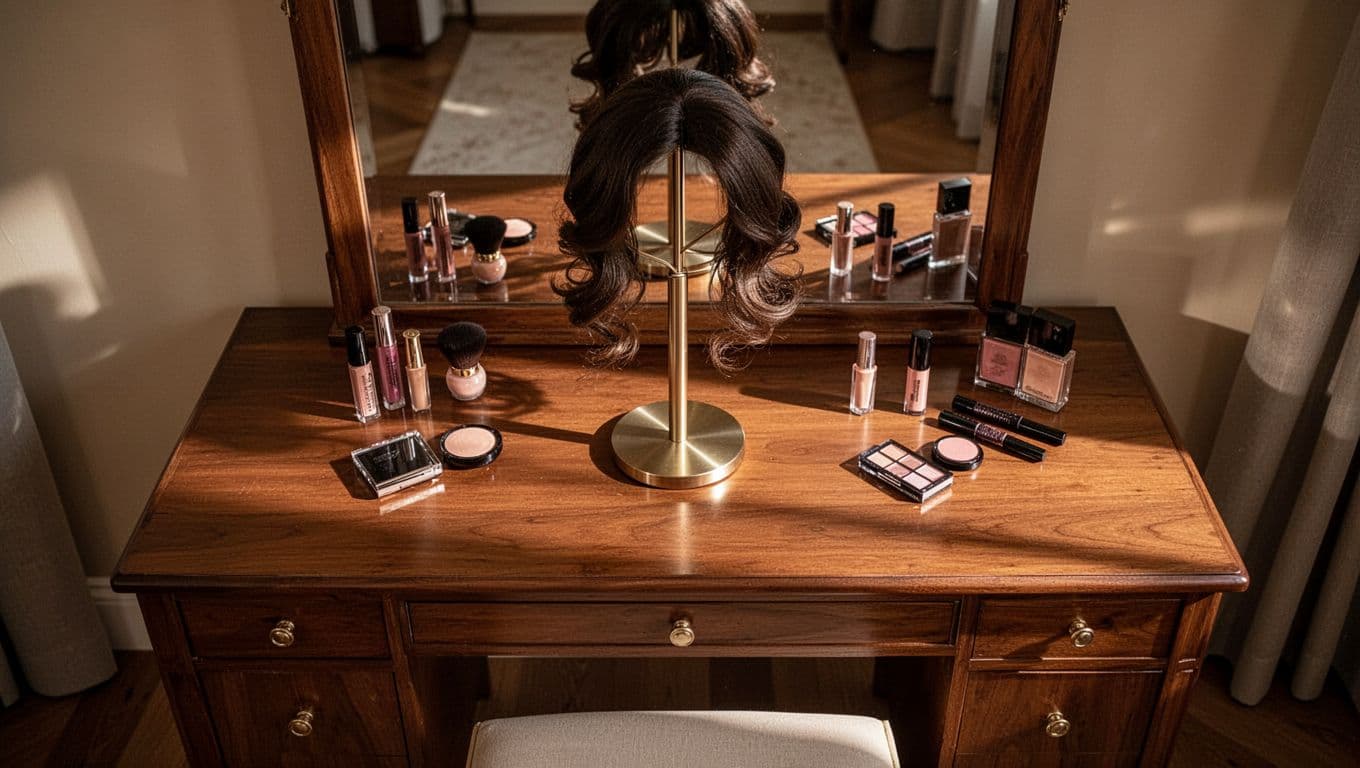
Wash the wig according to the care instructions rather than following a fixed schedule. Human hair and synthetic fibers need different products and drying methods. Letting the wig dry fully before storage helps protect its shape and reduces odor.
A secure wig is part of a polished look. If you spend the day checking whether it has shifted, the fit needs to change.
Shop Straight Wigs
-
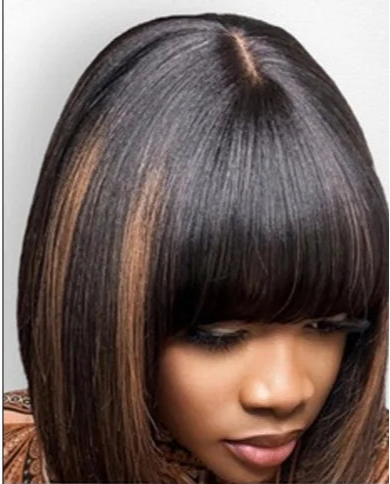
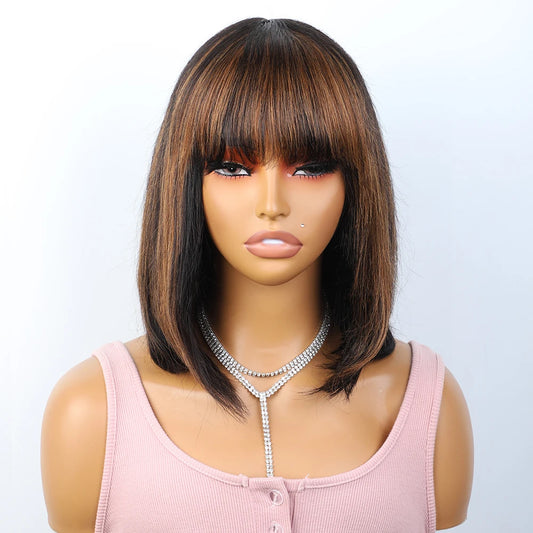
"Put On & Go" Straight Bob Wig | Easy Wear Human Hair with Bangs & Realistic Scalp
Normaler Preis Von $111.00 USDNormaler Preis$133.00 USDVerkaufspreis Von $111.00 USDSale -
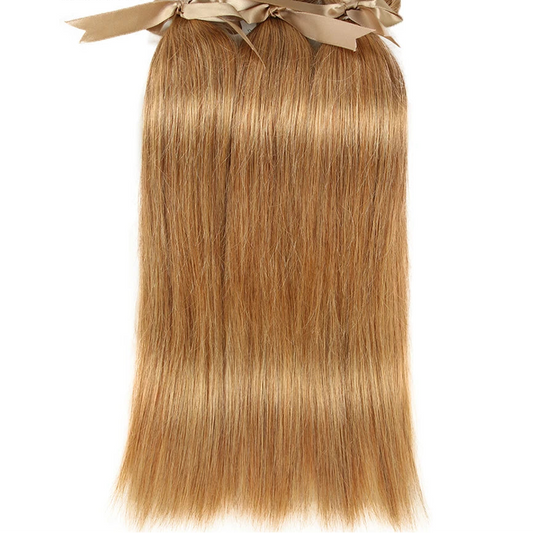
#27/30 Honey Blonde Auburn Straight Human Hair Bundles | Premium Brazilian Remy Human Hair Weaving | Multidimensional Highlighted Sew-In Extension Bundles (3-Piece Multipack)
Normaler Preis $252.00 USDNormaler Preis$0.00 USDVerkaufspreis $252.00 USD -
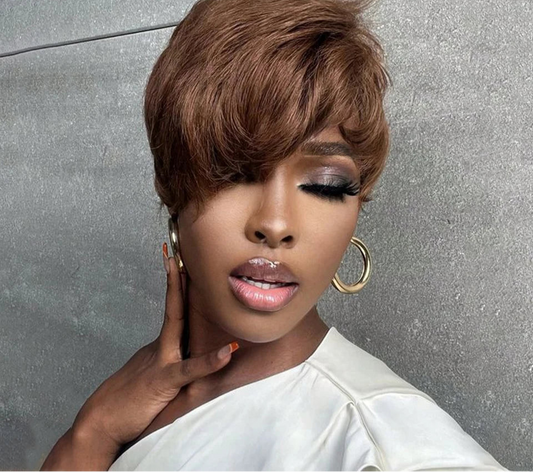
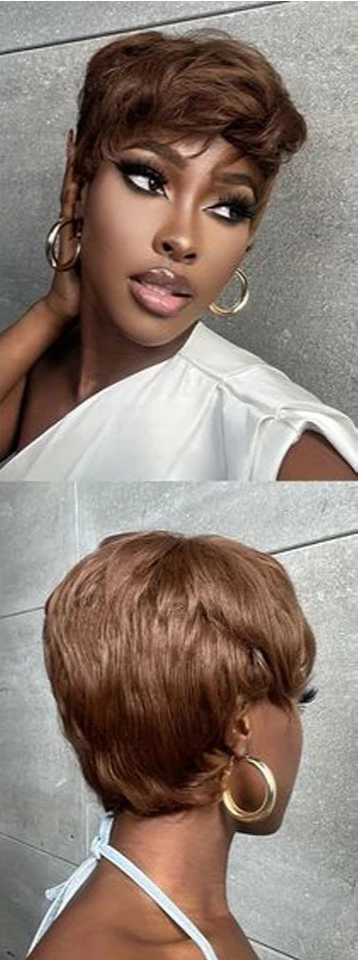
#4 Brown Pixie Short Cut Wig with Bangs | Straight Human Hair Full Machine Made
Normaler Preis $105.00 USDNormaler Preis$126.00 USDVerkaufspreis $105.00 USDSale -
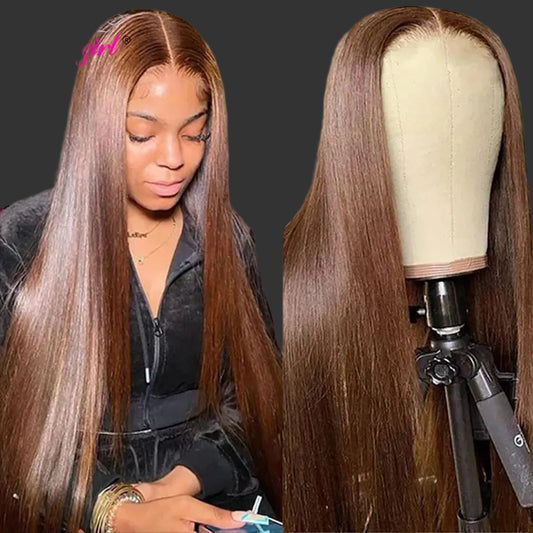
#4 Chestnut Brown Straight Lace Front Wig | 13x4 & 13x6 Transparent Swiss Lace Frontal Wig | 150% & 180% Density 100% Brazilian Remy Human Hair Long Closure Wig for Women (26+ Inch)
Normaler Preis Von $364.00 USDNormaler Preis$0.00 USDVerkaufspreis Von $364.00 USD -
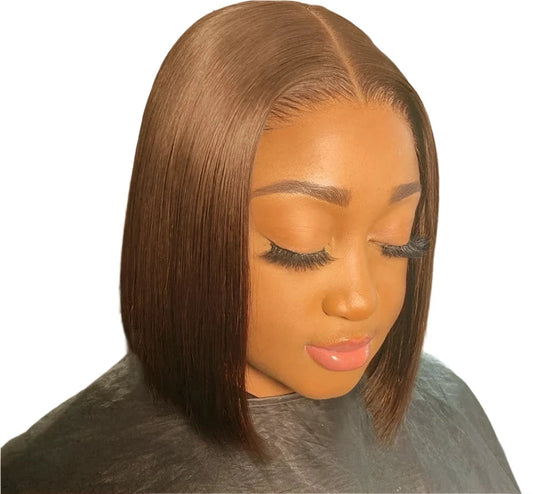
#4 Chocolate Brown Bob Wig | Glueless | Ready To Wear | Brazilian Hair | Human Hair | Straight | Invisible | Closure Wigs For Women
Normaler Preis Von $151.00 USDNormaler Preis$172.00 USDVerkaufspreis Von $151.00 USDSale -
#4 Chocolate Brown Straight Bob Wig | Sophisticated 200% Density HD Transparent Lace Frontal | Elegant "Short Bob" Silhouette | "Dignified" Pre-Plucked Brazilian Remy Human Hair for Radiant Versatile Styling
Normaler Preis $150.00 USDNormaler Preis$200.00 USDVerkaufspreis $150.00 USDSale -
10-16 inch Short Straight Bob Wig | Brazilian Remy Human Hair | 13x4 Lace Frontal | Natural Looking | Ready to Wear
Normaler Preis $72.51 USDNormaler Preis$120.85 USDVerkaufspreis $72.51 USDSale -
10-Inch Glueless Bob Wig | Sophisticated 4x4 HD Transparent Lace Closure | Elegant "Ready to Wear" Brazilian Human Hair | "Dignified" Pre-Cut Lace Straight Remy Wig for Radiant Versatile Styling
Normaler Preis Von $140.00 USDNormaler Preis$160.00 USDVerkaufspreis Von $140.00 USDSale






Select colors and accessories with intention
Natural shades are easy to coordinate with office clothing, but they aren't your only option. Black, espresso, chocolate brown, auburn, and warm blonde can all look polished when the shade suits your complexion and the wig has a clean finish.
If your policy allows fashion colors, use the workplace setting as your guide. A muted burgundy bob may fit a creative office, while a bright blue, neon pink, or high-contrast ombre style may suit a less traditional environment. Color should be a personal choice within the rules, not a measure of professionalism.
Length also affects daily comfort. Very long wigs can catch on coat collars, office chairs, or backpack straps. A shorter or medium-length style may be easier if you commute, move between rooms, or work around equipment.
Accessories should complement the wig rather than compete with it. Small clips, narrow headbands, simple pins, and understated scarves can add polish. Choose pieces that won't tug at the cap or create pressure points.
For a formal workplace, pair a structured wig with clean lines in your clothing. In a relaxed office, textured curls, braids, or a softly layered style can work well with trousers, blouses, cardigans, and smart sneakers. The best professional wig styles are the ones that fit both your appearance standards and your real routine.
A simple routine for busy mornings
A reliable routine makes almost any work wig easier to wear. Set the style the night before, especially if you use a human hair wig or a heat-friendly synthetic option.
Check the part, hairline, and ends under natural light. Then adjust the cap and secure only the areas that need support. Overloading the wig with spray or gel can make it look heavy and create residue on clothing.
Dress after the wig is secure when possible. Pulling a tight shirt or sweater over your head can disturb the hairline. A scarf or satin bonnet can protect the style while you get dressed.
Give the wig a few minutes before leaving home. Walk, bend, and turn your head. If it shifts during this test, it may not stay comfortable during meetings or commuting.
A small rotation of two or three work wigs can also reduce wear on each piece. Keep one reliable bob, lob, or textured style for ordinary days, then reserve more elaborate looks for occasions that suit them.
Conclusion
The best professional wig styles are neat, secure, comfortable, and appropriate for your role. A sleek bob, soft lob, low ponytail, braided wig, or textured style can all belong in a professional wardrobe when the fit and finish work for you.
Read the written grooming policy before shopping, then choose the cap construction, length, color, and texture that support your day. When your wig feels comfortable and reflects your personal style, you can focus on your work instead of your hair.