

How to Secure a Glueless Wig Without Adhesive
An attractive wig can lose its polish when it slides backward, lifts at the nape, or tugs at your edges. Learning how to secure glueless wig styles without adhesive gives you better control over comfort, movement, and the final look.
The best results come from combining a well-fitted cap with gentle support. Adjustable straps, built-in combs, wig grips, and carefully placed bobby pins can keep your wig steady without glue or lace adhesive.
Start with a Wig That Fits Your Head
A secure installation begins before you put the wig on. If the cap is too large, it may shift even when you tighten every strap. If it's too small, extra tension can cause headaches and pull on your natural hair.
Check the cap size around your forehead, temples, and nape. Many glueless wigs include adjustable straps, but those straps can only make small fit changes. They can't correct a cap that doesn't match your head shape.
Adjust the Built-In Straps First
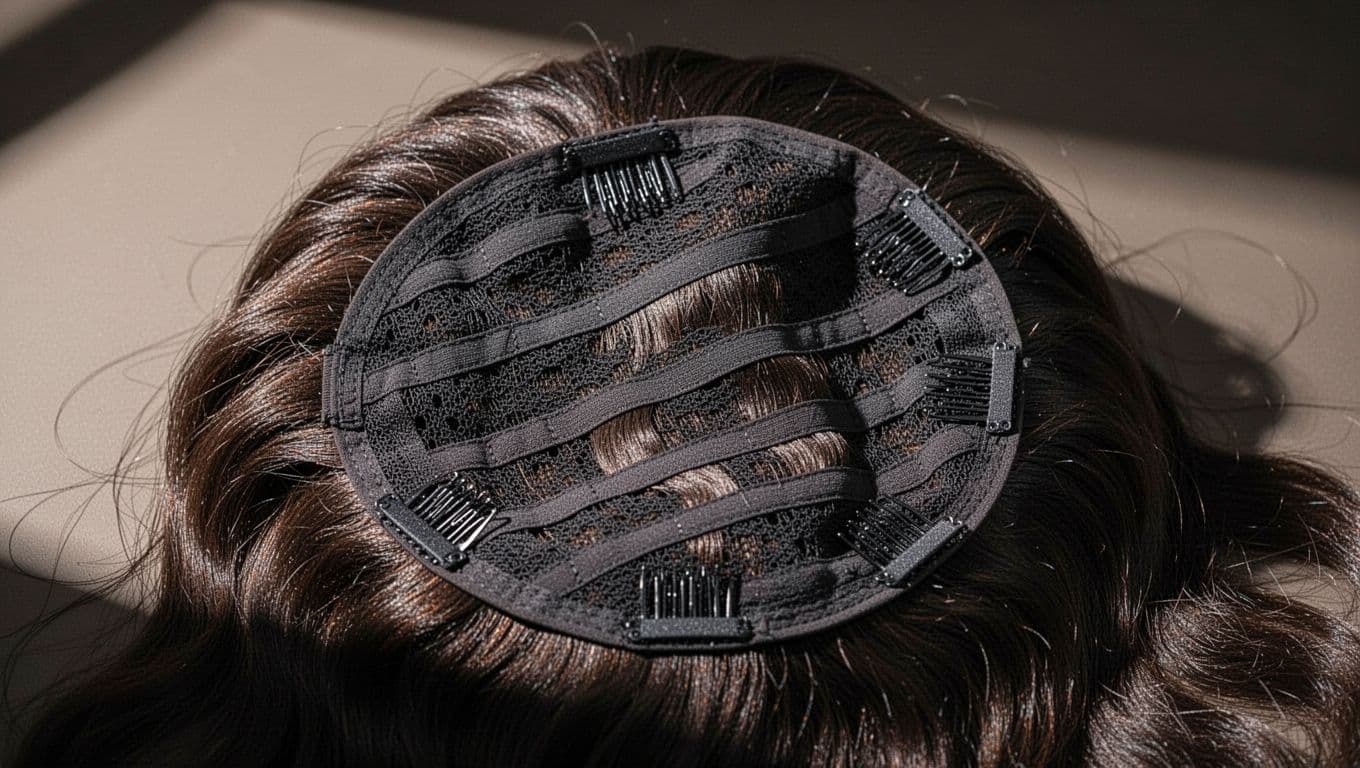
Turn the wig inside out and locate the elastic straps near the nape. Many styles have hooks that attach to several loops. Move each hook to the same setting so the wig sits evenly on both sides.
Begin with a moderate adjustment. The wig should feel secure without pressing hard around your temples or behind your ears. If the cap feels loose, tighten both sides by one loop. If you notice pressure, loosen the straps instead of adding more pins.
Some wigs also have built-in combs near the front, sides, or back. These can provide extra hold, but they shouldn't carry all the tension. Use them only where your hair is dense enough to support them.
How to Secure Glueless Wig Styles Without Adhesive
A secure glueless wig usually relies on several gentle contact points instead of one tight fastening method. The goal is to stop sliding while allowing the cap to move naturally with your head.
Choose the Right Wig Grip
A wig grip band sits between your natural hair and the wig cap. It adds friction, so the wig doesn't slide across smooth hair or a satin wig cap.
Velvet grips are soft and comfortable for daily wear. They work well when you want steady support without a tight feeling. Silicone grips provide stronger traction, which can help if your hair is short, straight, or difficult to anchor.
Place the grip around your head, slightly behind your natural hairline. It should rest flat without folding. Keep it snug enough to stay in place, but loosen it if you feel pressure around your forehead.

Use Velvet or Silicone Bands Carefully
Velvet and silicone bands have different feels, so your hair type and comfort level matter. A velvet band is often a good starting point for beginners because it feels softer against the skin. A silicone band can offer more traction, but it may feel warmer or firmer.
Wear the band over your hair rather than directly over delicate edges when possible. Avoid placing it so tightly that it leaves a deep mark. A band that causes soreness is too tight, even if the wig feels stable.
Add Built-In Combs or Bobby Pins When Needed
Built-in combs can anchor the wig to braided or gathered hair. Slide the teeth into the hair near the scalp, then press the comb closed gently. Don't force a comb into your edges or bare skin.
Bobby pins are useful when one area lifts slightly. Slide a pin through the wig's weft or grip and into the hair underneath. Place pins near the sides or nape, where they are less visible. Avoid pinning through lace because the holes can weaken the delicate material.
For fragile edges, skip the front combs and rely on the wig grip and adjustable straps. The best method is the one that holds the wig without creating daily tension.
A Step-by-Step Method for a Stable Fit
Use this order whenever you install your wig. It helps you solve slipping at the source instead of tightening everything at once.
- Flatten your natural hair into low, flat braids or a smooth style. Keep bulky knots away from the crown and nape. If your hair is short, brush it back and secure loose sections with small pins.
- Reduce excess oil at the roots before installation. Heavy oils and wet products can make the wig slide. Your hair and scalp should feel comfortable and dry.
- Put on a thin wig cap if you need one. A cap can smooth longer hair, but some nylon caps feel slippery. If the wig moves over the cap, try wearing the grip under the wig instead of adding more layers.
- Position the wig grip around your head and check that it lies flat. Keep the front edge slightly behind your natural hairline if the band feels visible.
- Set the wig's straps before placing the cap over your head. Equal adjustments on both sides help prevent the wig from pulling toward one temple.
- Align the wig at the front and center. Hold the front edge in place, then pull the cap gently over the crown and toward the nape. Avoid dragging the lace across your forehead.
- Anchor the combs only where they feel comfortable. Use the front, side, or back combs in stronger hair. If a comb catches your edges, release it and use the grip instead.
- Add bobby pins only to problem areas. Two well-placed pins can solve a small lift. More pins won't fix a poor fit and may make removal harder.
After installation, smooth the wig into place with your fingertips. Don't brush aggressively at the lace or tug the hairline to test it.
Shop Glueless Wigs
-
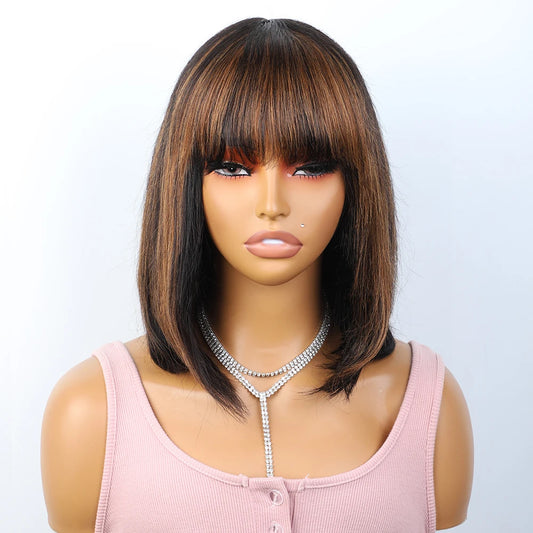
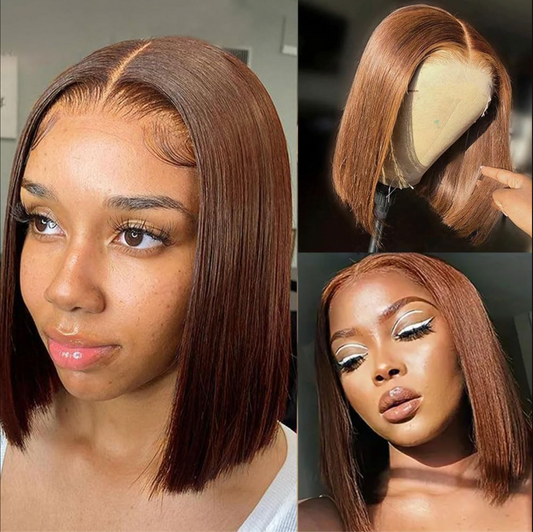
"Put On & Go" Straight Bob Wig | Easy Wear Human Hair with Bangs & Realistic Scalp
Normaler Preis Von $111.00 USDNormaler Preis$133.00 USDVerkaufspreis Von $111.00 USDSale -
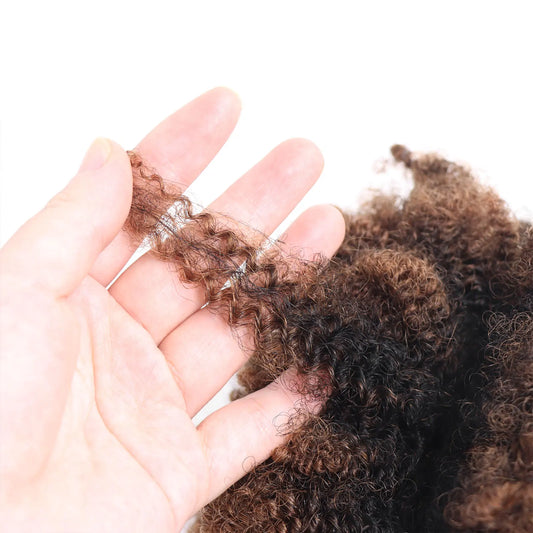
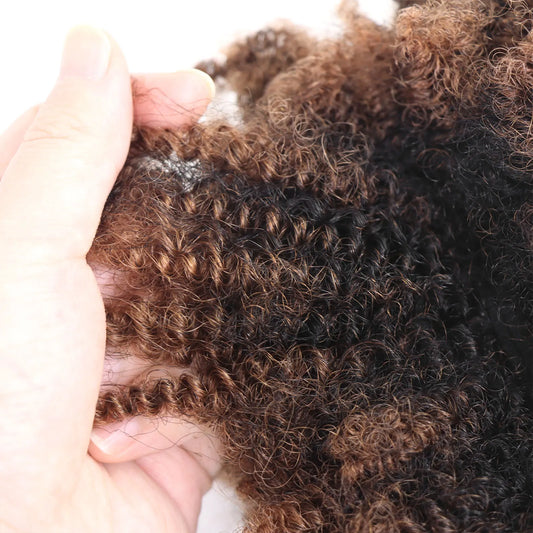
#30-#1-#30 Ombre Brown Afro Kinky Curly Bulk Human Hair | 50g Brazilian Crochet Braiding Hair Extensions (No Weft)
Normaler Preis Von $118.00 USDNormaler Preis$0.00 USDVerkaufspreis Von $118.00 USD -
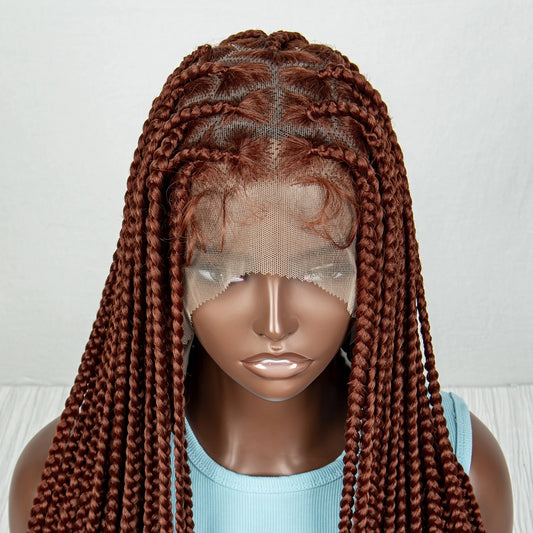
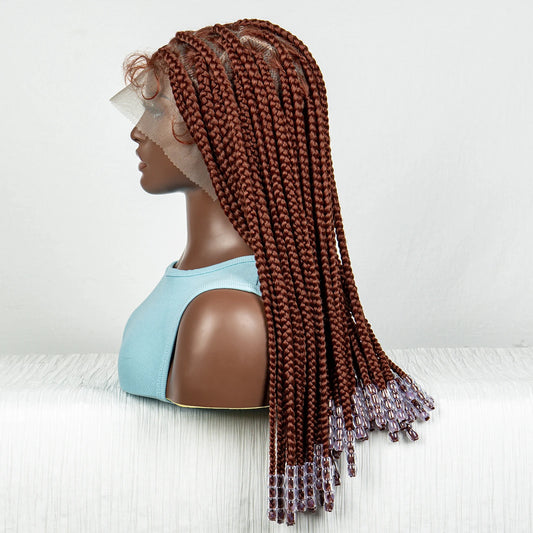
#350 Knotless Box Braids Wig | Short Lace Frontal Bob | Dark Ombre Ginger
Normaler Preis $262.50 USDNormaler Preis$0.00 USDVerkaufspreis $262.50 USD -
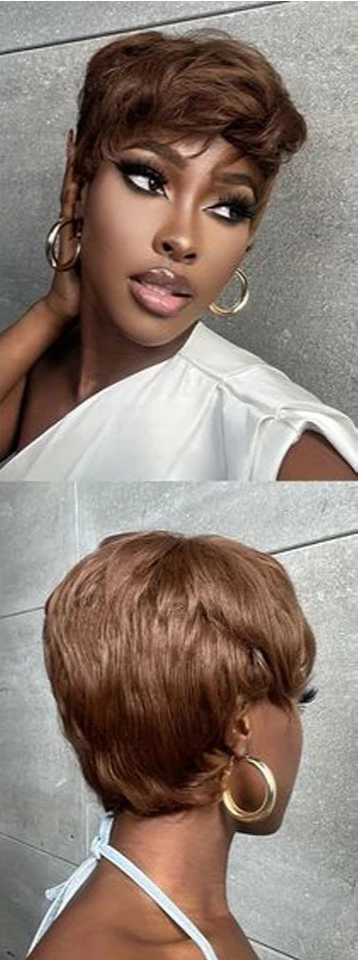
#4 Brown Pixie Short Cut Wig with Bangs | Straight Human Hair Full Machine Made
Normaler Preis $105.00 USDNormaler Preis$126.00 USDVerkaufspreis $105.00 USDSale -
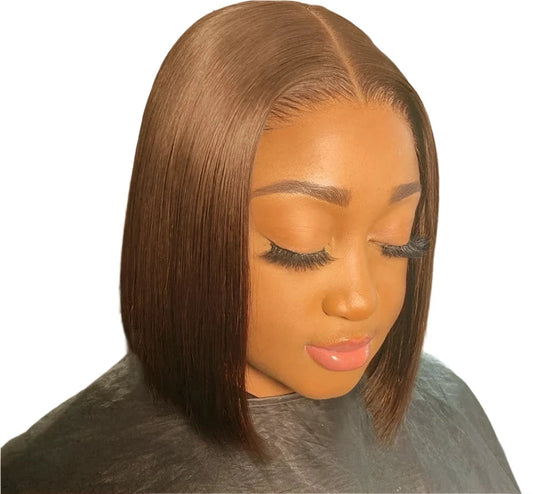
#4 Chocolate Brown Bob Wig | Glueless | Ready To Wear | Brazilian Hair | Human Hair | Straight | Invisible | Closure Wigs For Women
Normaler Preis Von $151.00 USDNormaler Preis$172.00 USDVerkaufspreis Von $151.00 USDSale -
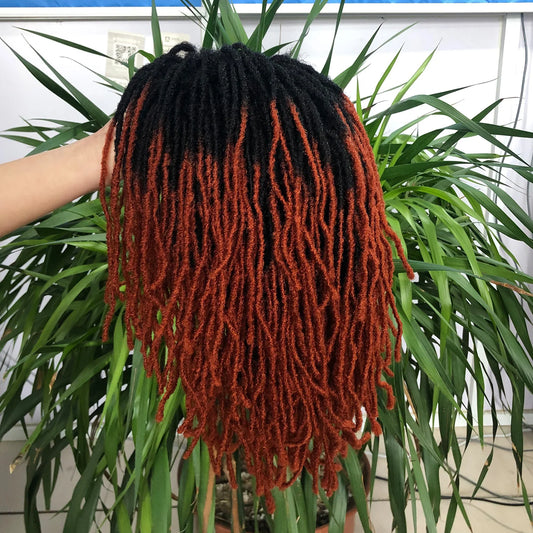
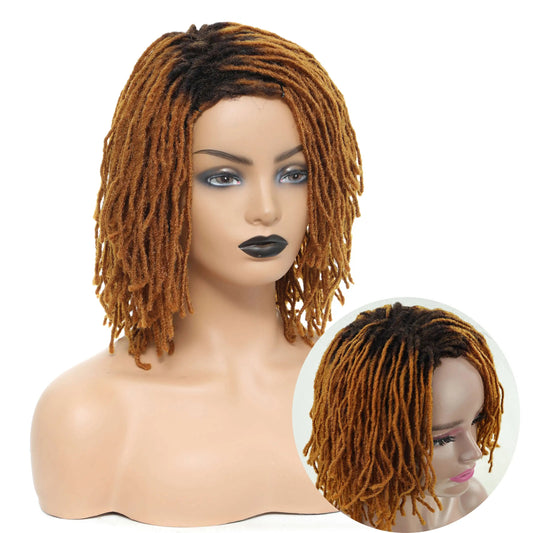
10 Inch Braided Bob Wig | Afro Dreadlock Wig | Curly Ends | Crochet Cap
Normaler Preis Von $96.00 USDNormaler Preis$122.00 USDVerkaufspreis Von $96.00 USDSale -
10 Inch Natural Cornrow Braids Full Lace Wig | Transparent Synthetic Braiding Hair with Baby Hair
Normaler Preis $235.00 USDNormaler Preis$268.00 USDVerkaufspreis $235.00 USDSale -
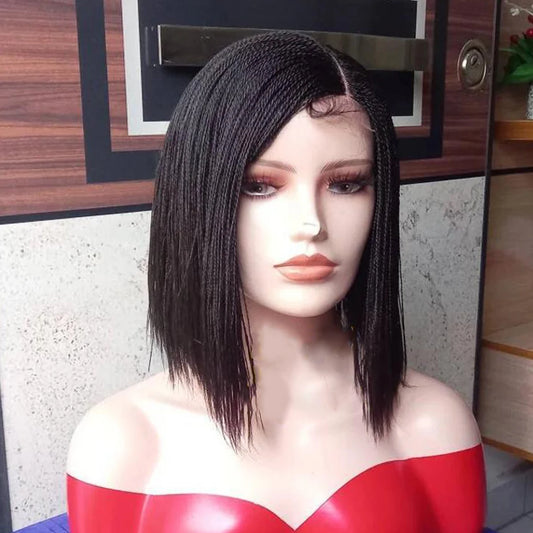
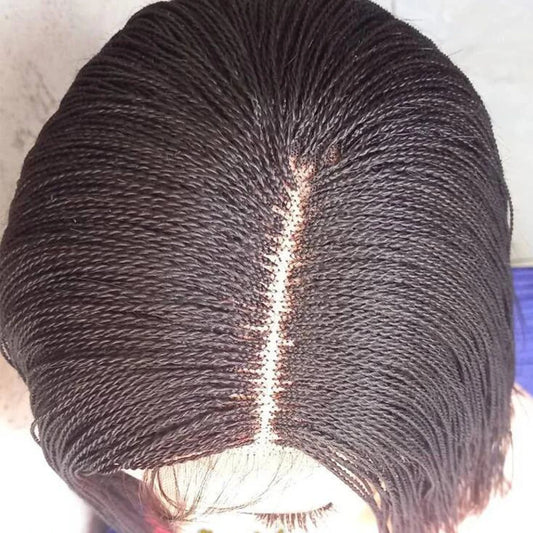
10 Inch Short Micro Twisted Wig - 2x4 Closure Braided Wig for Black Women - Micro Million Braid Wig - Synthetic Knotless Braids
Normaler Preis $288.00 USDNormaler Preis$0.00 USDVerkaufspreis $288.00 USD

Test the Fit Before Wearing It Out
Give your wig a short indoor test before wearing it for several hours. Sit, stand, turn your head, look down, and bend slightly. These movements reveal whether the cap shifts at the front, sides, or nape.
Use a light touch to check the fit. The hairline should remain in position when you move, and the nape should stay close to your neck without riding upward. You should also be able to place a fingertip under the edge without feeling sharp pressure.
A comfortable installation has these signs:
- The wig doesn't slide when you turn your head.
- The straps don't press into your temples or behind your ears.
- Built-in combs don't pinch, scratch, or pull your hair.
- The wig grip stays flat instead of rolling into a narrow band.
- The lace sits naturally without lifting at the corners.
- You can smile, talk, and move your jaw without the cap shifting.
If the wig moves, first check whether the straps are even. Next, inspect the grip and hair underneath. Tightening every part at once can create discomfort without solving the loose area.
A quick mirror check also helps with appearance. Look at the wig from the front, both sides, and the back. Uneven strap tension can make one side sit higher than the other.
Remove Your Glueless Wig Without Pulling Natural Hair
Removing an adhesive-free wig should feel controlled, not forceful. Take it off slowly, especially if you used combs or bobby pins.
- Sit in front of a mirror and use good lighting. This makes it easier to find every pin and comb.
- Remove all bobby pins one at a time. Open each pin fully before sliding it out so it doesn't snag your hair.
- Loosen the wig's adjustable straps at the nape. Releasing the tension makes the cap easier to lift.
- Place your fingertips beside each built-in comb. Lift the wig away from the hair first, then slide the comb out. Never pull the wig upward while the comb teeth remain caught.
- Lift the cap gently from the nape toward the front. If a section catches, stop and free the hair with your fingers instead of tugging.
- Remove the wig grip separately after the wig is off. If your hair has wrapped around the band, unwind it slowly.
You don't need adhesive remover for a glueless installation. After removal, check your edges and scalp for tenderness. Ongoing soreness means the straps, grip, comb placement, or hair preparation needs to change.
Conclusion
You can secure glueless wig styles comfortably with the right combination of fit, grip, and gentle anchoring. Start with even adjustable straps, add a velvet or silicone band, and use combs or bobby pins only where they won't pull your hair.
Test the wig indoors before wearing it out, then remove it by releasing every fastening point first. A secure glueless wig should stay in place while still feeling comfortable enough to wear and remove without stressing your natural hair.