

How to Care for Sew-In Extensions Between Salon Visits
A sew-in can look polished while the hair underneath still needs careful attention. Good sew-in extension care protects both the installed hair and your natural strands, especially around the scalp and braided base.
Your routine depends on the extension texture, your natural hair and scalp, and how your stylist installed the sew-in. Gentle handling, thorough drying, and a quick response to discomfort matter more than following a one-size-fits-all schedule.
Key Takeaways
- Follow your stylist's instructions for your specific installation and hair type.
- Wash the scalp and extensions gently, then make sure the braids and scalp dry completely.
- Detangle from the ends upward, and avoid pulling at tracks or roots.
- Contact your stylist about pain, irritation, excessive tension, or matting.
- Don't assume every sew-in can stay in for the same length of time.
Sew-In Extension Care Starts With the Scalp
Your sew-in needs maintenance at the surface and underneath. Keep the braids, scalp, and natural hair in mind as you care for the visible extensions.
Follow the plan for your installation
Before leaving the salon, ask your stylist how to wash your scalp, which products to use, and whether your install needs any special precautions. A sew-in with leave-out, for example, may need a different routine from a closure or a full sew-in. Your extension texture also affects detangling, conditioning, and heat styling.
If you don't know whether a product is safe for the tracks or braids, check before applying it. Heavy creams and oils can collect around attachment points, while some products can weigh down the extensions or change their texture.
Keep the natural hair in the routine
The extensions may cover most of your natural hair, but they don't replace its care. Continue to follow your stylist's advice for cleansing and conditioning the hair underneath. Avoid tugging at exposed leave-out or repeatedly pulling the same strands into tight styles.
The American Academy of Dermatology explains that repeated pulling from tight hairstyles can cause traction alopecia, which may be permanent. Its guidance on preventing damage from weaves and extensions is a useful reminder to treat discomfort as a warning, not something to push through.
Wash Gently, Then Dry the Braids and Scalp
Washing helps remove sweat and residue, but rough scrubbing can tangle extensions or stress your natural hair. Use the cleansing method your stylist recommends for your particular sew-in.
Clean without rough rubbing
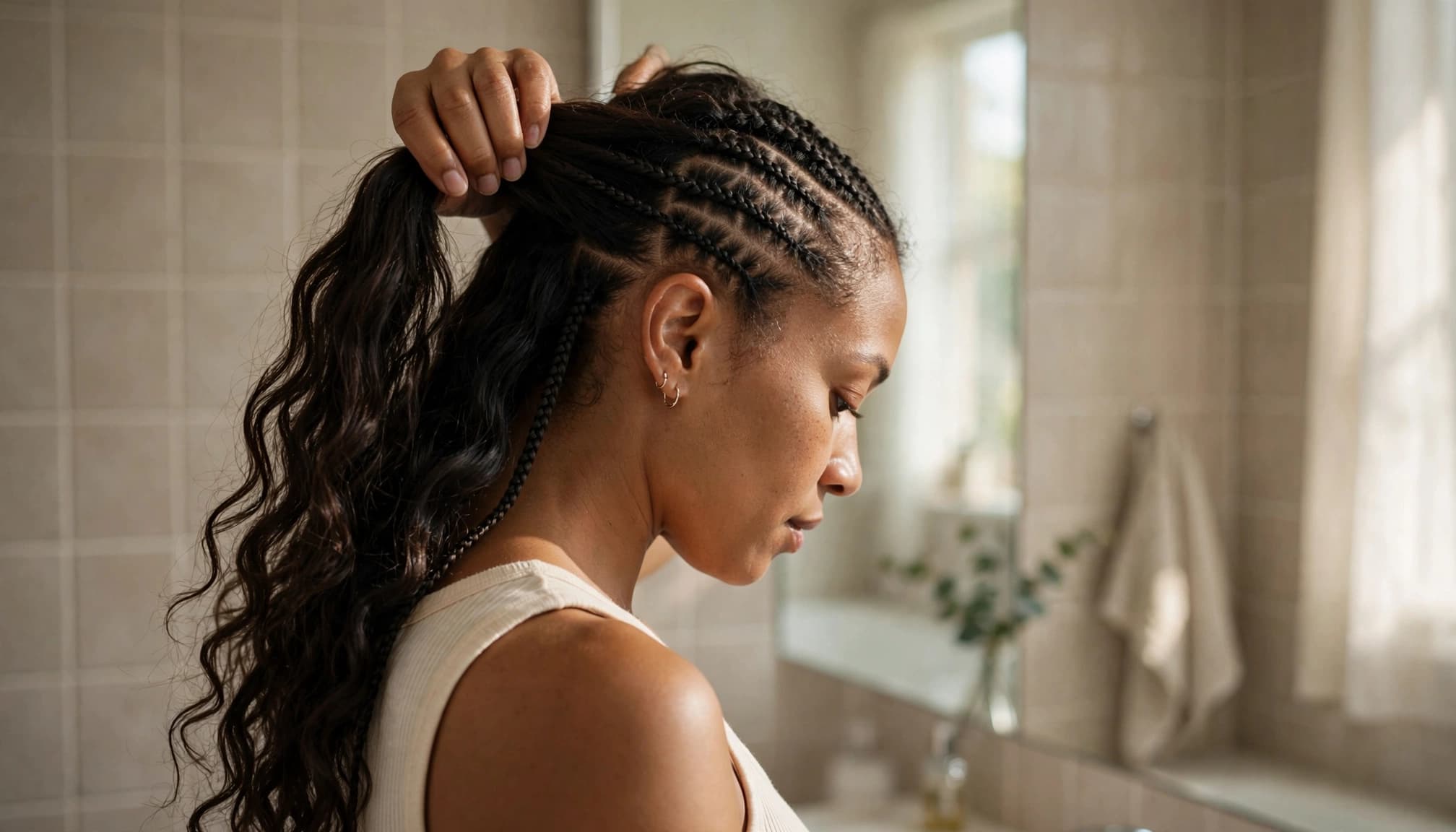
Part the hair where you can reach the scalp, then apply the recommended cleanser carefully. Use your fingertips rather than your nails, and avoid scrubbing the braids or rubbing the extension lengths together. Rinse patiently so product doesn't remain near the tracks or roots.
How often to wash depends on your scalp, activity, hair type, and stylist's instructions. If your scalp gets sweaty or product builds up, ask your stylist how to adjust the routine rather than adopting a schedule meant for a different installation.
Dry all the way through
A dry-looking surface doesn't guarantee that the braids and scalp underneath are dry. After rinsing, gently squeeze out excess water with a towel. Don't twist, wring, or rub the extensions.
Then dry the roots and braided base thoroughly using the method your stylist approves. If you use a blow dryer, ask about suitable heat and airflow for your hair and installation. Check near the scalp and under thicker sections before covering your hair or going to bed. Damp braids should not be left to air-dry under a scarf or bonnet.
Detangle and Style Without Pulling
A few careful minutes with a comb can help limit snags and matting. Work slowly, especially near the weft and where your natural hair meets the extensions.
Start at the ends
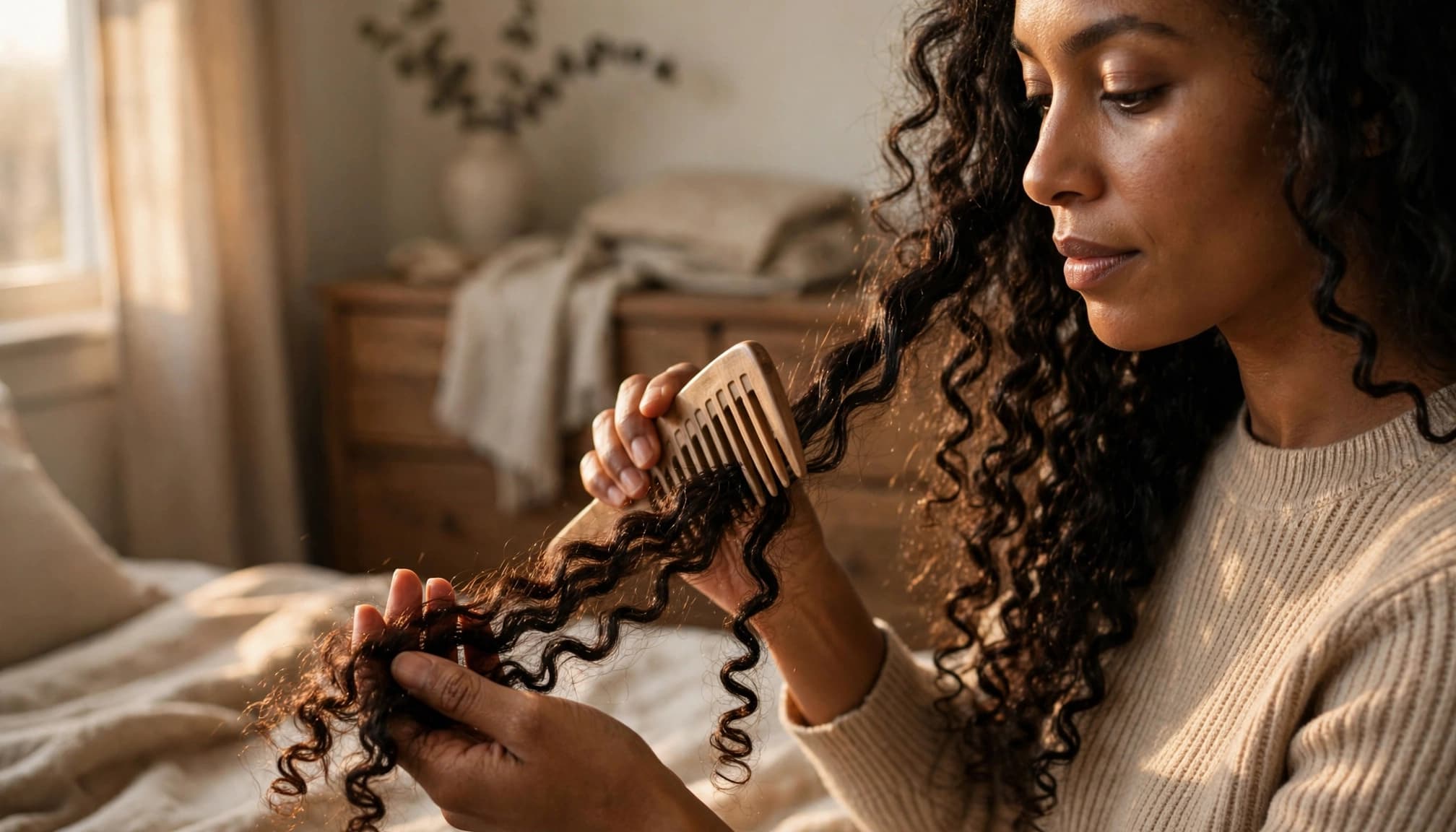
Separate the hair into manageable sections and hold each section above the area you're detangling to reduce strain at the roots. Begin at the ends with your fingers or a suitable wide-tooth comb, then work upward in small steps. If you meet a knot, loosen it gently rather than pulling through it.
Curly, wavy, and straight extensions may respond differently to brushing and moisture. Follow the product and stylist guidance for your texture. Luxegan's care tips for curly sew-in bundles apply to that product, not automatically to every sew-in.
Use heat with care
Before using a flat iron, curling iron, or hot tool, confirm that your extensions can tolerate heat and ask your stylist what setting to use. Apply a heat protectant if it's appropriate for your hair and installation. Avoid passing a hot tool over the tracks or natural hair repeatedly, and don't use heat on hair that's still damp.
If you're unsure, choose a low-manipulation style instead. A loose braid or a relaxed ponytail can keep the lengths orderly without placing extra pressure on the roots.
Manage Scalp Moisture and Product Buildup
A comfortable scalp doesn't require coating the braids or tracks with product. Choose a light touch and keep the installation's specific needs in mind.
Apply products where they belong
If your scalp feels dry, ask your stylist which product is suitable and how to apply it without leaving residue around the attachment points. Use a small amount and follow the product directions. Avoid layering oils, creams, and sprays simply because the scalp feels itchy. Buildup can make cleansing harder and may hide irritation.
For the extension lengths, use products suited to their fiber and texture. Human hair and synthetic hair don't respond to heat or products in the same way. Check product instructions, and ask your stylist before using treatments that could affect color or texture.
Protect the style while you sleep
Before bed, make sure the hair is dry and detangled. Gather longer extensions loosely or braid them gently if your stylist recommends it, then cover the hair with a satin or silk scarf or bonnet. Avoid tying it tightly, because tension at the hairline can stress natural strands.
In the morning, release the style without yanking at the roots. If you wake up with knots, separate them with your fingers before using a comb. Regular gentle handling is easier on both the extensions and the braided base than a rushed detangling session.
Shop Hair Bundles
-
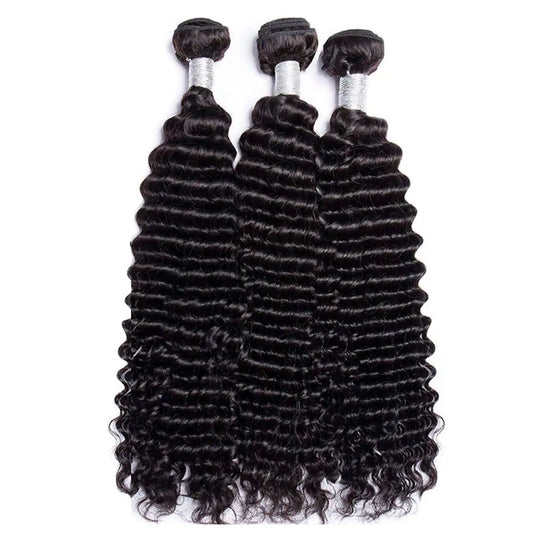
12A Deep Wave Remy Human Hair Bundles | 30 to 32 Inch Weft Extensions
Normaler Preis $364.00 USDNormaler Preis$0.00 USDVerkaufspreis $364.00 USD -
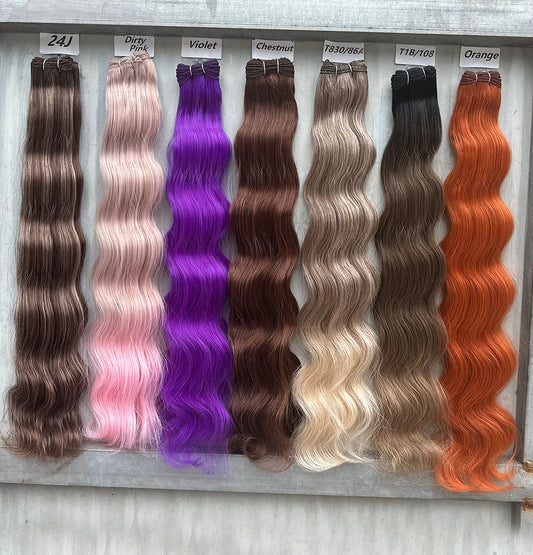
High-Temperature Synthetic Body Wave Hair Extensions – 26 & 30 Inch | Piano & Ombre Colors | 150g–200g Bundle
Normaler Preis Von $70.00 USDNormaler Preis$93.00 USDVerkaufspreis Von $70.00 USDSale -

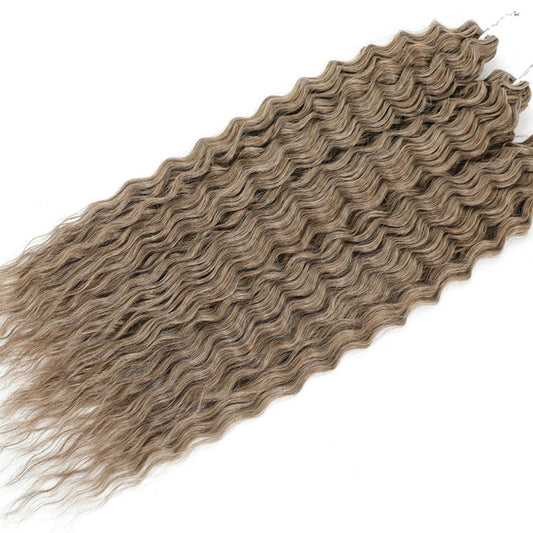
22 Inch Deep Water Wave Crochet Braids – 3 Pcs 300g Bio-Protein Synthetic Hair Bundles for Women
Normaler Preis $119.00 USDNormaler Preis$159.00 USDVerkaufspreis $119.00 USDSale -
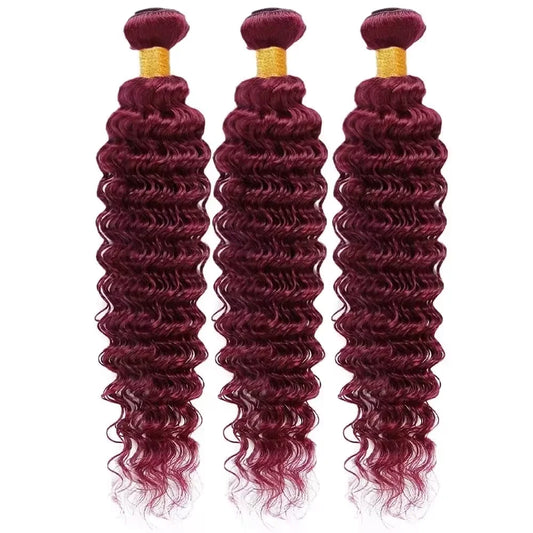
#99J Deep Wave Brazilian Virgin Human Hair Bundles | Burgundy Remy Hair Weave | 16–30 Inch
Normaler Preis $244.00 USDNormaler Preis$279.00 USDVerkaufspreis $244.00 USDSale -

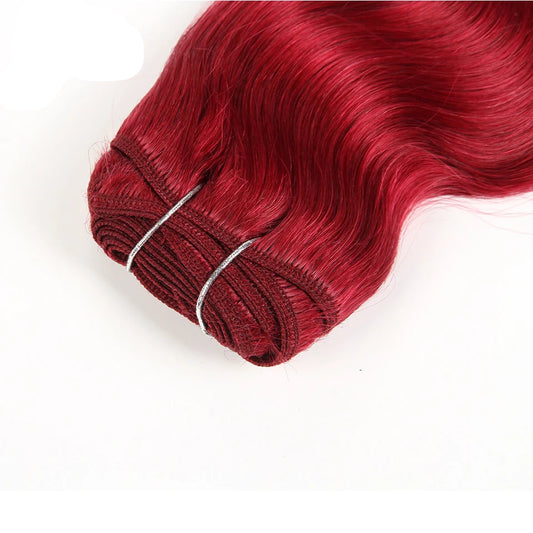
Brazilian Natural Body Wave Remy Human Hair Bundle | Colored #27 #30 #99J Burgundy | 10–22 Inch
Normaler Preis Von $80.00 USDNormaler Preis$107.00 USDVerkaufspreis Von $80.00 USDSale -
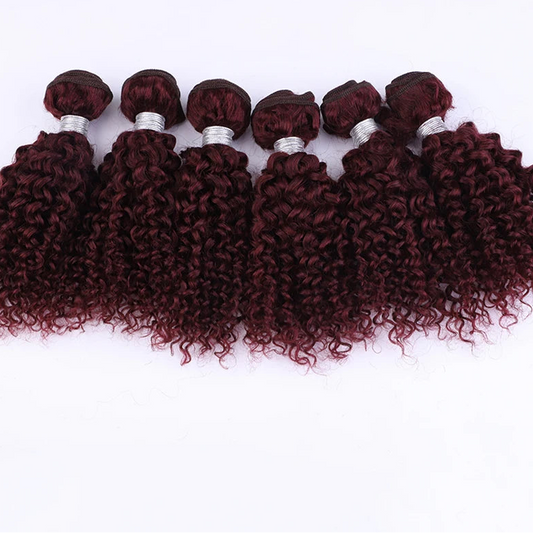
Brazilian Kinky Curly Human Hair Bundles | 100% Remy Jerry Curly Extensions 6Pcs 99J
Normaler Preis $131.00 USDNormaler Preis$158.00 USDVerkaufspreis $131.00 USDSale -
Burgundy Body Wave Human Hair Bundles – 99J Red Colored Brazilian Remy Hair
Normaler Preis Von $129.00 USDNormaler Preis$0.00 USDVerkaufspreis Von $129.00 USD -
Brazilian Curly Hair 4 Bundles – Short Double Drawn Remy Human Hair Weave (5 5 6 7 Inch) for Black Women
Normaler Preis Von $131.00 USDNormaler Preis$157.00 USDVerkaufspreis Von $131.00 USDSale








Watch for Tension, Irritation, and Matting
A sew-in shouldn't cause ongoing pain. Pay attention to changes in your scalp and hairline, even if the extensions still look neat.
Contact your stylist about warning signs
Tell your stylist if you notice persistent soreness, burning, itching, redness, bumps, or a tight feeling that doesn't ease. Headaches or tenderness around the hairline can also point to excess tension. The AAD lists cornrows and tightly braided hairstyles among styles that can contribute to hair loss when they repeatedly pull on the hair. Its overview of hairstyles that can lead to hair loss explains why tension deserves attention.
Don't wait for the next routine appointment if discomfort is increasing. If you notice sores, swelling, or signs of infection, contact a healthcare professional as well as your stylist.
Treat matting as a reason to ask for help
Matting near the roots, around the nape, or between tracks can become harder to remove over time. Don't cut into the sew-in or force a comb through a dense knot. Contact your stylist and describe where the matting is and whether the scalp feels sore.
Shedding can happen with extensions, but a sudden change or repeated tangling close to the base deserves a professional look. Early advice can help you avoid pulling on the natural hair while trying to fix the problem yourself.
Plan Salon Visits Around Your Hair and Install
There isn't one wear time that suits every sew-in. Your stylist can advise when to return based on the installation, your natural hair, scalp condition, and how the style is holding up.
Check the base as the weeks pass
Look gently at accessible parts of the scalp and hairline without tugging at tracks. Notice whether braids feel loose, the extensions are matting near the roots, or the style is putting more weight on a small area. Share those changes with your stylist instead of tightening or resewing the install yourself.
Keep the appointment interval your stylist recommends, and ask whether changes in your scalp or natural hair should bring you in sooner. A style that looks fine from the outside may still need attention underneath.
Ask before changing the routine
If you switch products, add a new styling technique, or plan to swim, ask your stylist how to protect the installation. Advice for one extension type may not fit another. For example, a product page's suggested wash schedule or heat limit applies to that specific hair, not every sew-in.
Write down the products and methods your stylist approves. That makes it easier to maintain the style consistently and avoid guessing when your scalp or extensions need extra care.
FAQ About Caring for Sew-In Extensions
How often should I wash my sew-in?
Follow your stylist's advice for your scalp, extension type, and installation. Wash when needed to manage sweat and buildup, but don't assume a weekly or monthly schedule applies to everyone.
Can I put oil on my scalp under a sew-in?
Ask your stylist which product is appropriate. If approved, use it sparingly and avoid saturating braids or tracks, where residue can collect.
What should I do if the sew-in feels too tight?
Contact your stylist promptly, especially if you have soreness, headache, burning, or tenderness. Don't wait for the style to loosen on its own if discomfort persists or worsens.
How do I prevent matting at the roots?
Detangle gently from the ends upward, keep the scalp and braids clean and fully dry, and follow your stylist's maintenance instructions. If matting has formed near the tracks, ask for professional help instead of forcing a comb through it.
Keep the Sew-In Comfortable and Healthy
Healthy sew-in maintenance means caring for the extensions without neglecting the natural hair beneath them. Handle the hair gently, dry the scalp and braids fully after washing, and check in with your stylist when the installation or your scalp changes.
The best routine is the one suited to your hair and installation. When something feels painful, irritated, or unusually tangled, ask for help before it becomes harder to address.