

How to Wash and Store Clip-In Hair Extensions
A few careful habits can help clip-in extensions keep their softness, shape, and natural-looking finish. Before you wash clip-in hair extensions, check whether they're made from human hair or synthetic fiber, since the right products and heat precautions differ.
Extensions don't need washing after every wear. Clean them when product buildup, odor, or visible residue calls for it, and follow the care directions from the manufacturer. Start by identifying the fiber type, then prepare the wefts for a gentle wash.
Identify the extension fiber first
Human hair and synthetic hair need different care. Human hair can usually be washed with products suited to its texture, while synthetic fibers may react poorly to heat or products that aren't approved for them. If the packaging or product page doesn't make the material clear, check with the seller before washing.
Human hair needs gentle handling
Human-hair clip-ins can tangle and lose smoothness when you scrub, twist, or pull them while wet. Use a gentle shampoo and conditioner that suit the hair, and keep the strands aligned as you rinse. Textured extensions need extra care to preserve their curl pattern.
Luxegan sells human-hair options such as Jerry Curl clip-in extensions and Kinky Curly clip-in extensions. Their different textures are a reminder to follow the product's specific care directions, especially when handling curls.
Synthetic fibers need product-specific care
Synthetic extensions can be more sensitive to heat than human hair. Even when a product is described as heat-resistant, that doesn't mean every temperature or styling tool is safe. Check the stated heat limit, and avoid heat if the instructions don't provide one.
For example, Luxegan's heat-resistant synthetic extension care tips recommend mild shampoo and conditioner, air-drying, and gentle detangling. Treat those directions as specific to that product, not a universal rule for all synthetic hair.
Prepare clip-ins before washing
Good preparation prevents avoidable pulling and knots. Work with one weft at a time, and make sure you have a clean basin, a towel, and the products recommended for the extension fiber.
Remove tangles from the ends upward
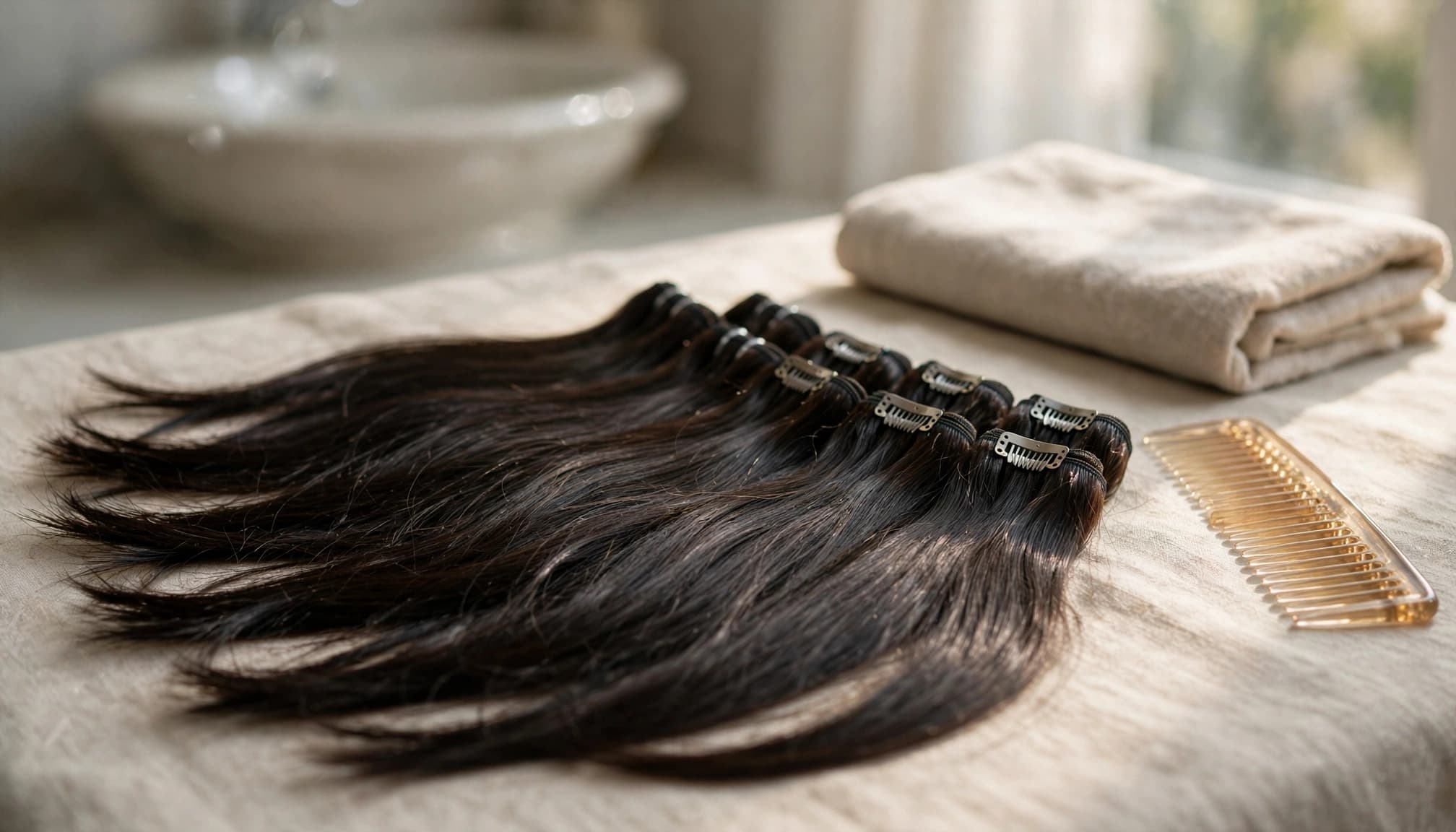
Lay each weft flat and hold it near the clips so the attachment area doesn't take the force of brushing. With a wide-tooth comb or a suitable extension brush, gently work through the ends first, then move upward in small sections. Pause if you meet a knot; tugging can loosen strands or stress the weft.
Set up a low-friction wash
Use a clean basin and follow the product label for water temperature and shampoo choice. Keep clips and weft seams supported rather than letting long strands twist around them. If the manufacturer advises against soaking or washing a particular attachment, follow that instruction.
A clip-in extension washing guide can offer a general reference, but your product's care label takes priority. Avoid mixing in strong treatments or unfamiliar products just because they work on your own hair.
How to wash clip-in hair extensions made from human hair
Wash human-hair extensions with a light touch. The aim is to remove residue without roughening the strands or tangling the wefts. A human-hair clip-in washing guide offers another reference for this process.
Shampoo without scrubbing
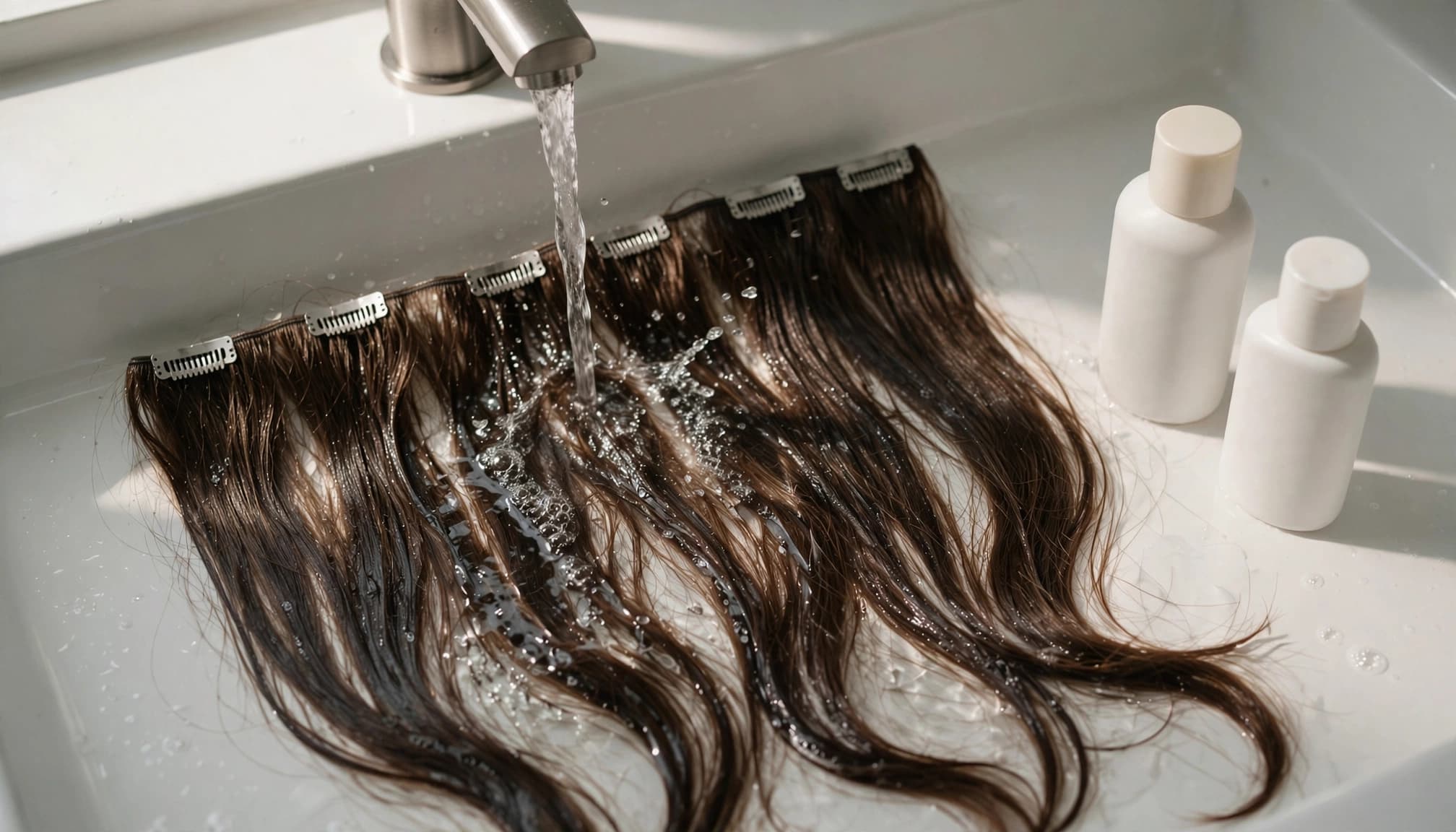
Wet the hair according to the manufacturer's directions, keeping the strands aligned. Apply a small amount of suitable shampoo and smooth it gently along the length. Don't rub the hair between your palms, pile it up, or twist the weft, since friction can create tangles that are difficult to remove.
Rinse carefully until the shampoo is gone. Support the weft as you do so, and let the water travel in the direction of the hair rather than flipping the extension around.
Condition the lengths, then rinse well
Apply conditioner as directed, focusing on the mid-lengths and ends unless the product instructions say otherwise. Keep conditioner away from clips and attachment seams if the maker advises it, since residue near the weft can affect how the piece sits or feels.
Let the conditioner work for the time stated on its label, then rinse thoroughly. Gently squeeze out excess water with a towel. Don't wring the hair or brush it aggressively while wet.
How to wash synthetic clip-ins
Use only products that the extension maker recommends. Some synthetic products allow mild shampoo and conditioner, while others have different instructions. When the label is unclear, check before washing rather than assuming that human-hair products are suitable.
Wash gently and keep the fiber cool
If the manufacturer permits washing, follow its guidance for water temperature and product choice. Move the hair gently through the water, keeping it straight and untwisted. Avoid vigorous rubbing, and rinse without pulling on the clips or seams.
Luxegan's synthetic product listing advises mild shampoo and conditioner, gentle detangling from ends to roots, and natural air-drying. A clip-in extension care guide can supplement the product instructions, but it can't replace directions for your specific fiber.
Skip unapproved heat and treatments
Don't blow-dry, flat-iron, or curl synthetic extensions unless the label allows it and states a safe limit. Heat-resistant fibers can still be damaged by excessive heat. Avoid chemical treatments, too, unless the manufacturer clearly says they're appropriate.
When uncertain, air-dry and keep the hair away from heat sources. A step-by-step clip-in washing guide may help with general washing steps, but check the fiber's own care instructions before following advice about styling.
Dry extensions fully before storage
After washing, remove excess water by pressing the hair gently between a clean towel. Keep the strands in their natural direction, and avoid twisting or squeezing the wefts.
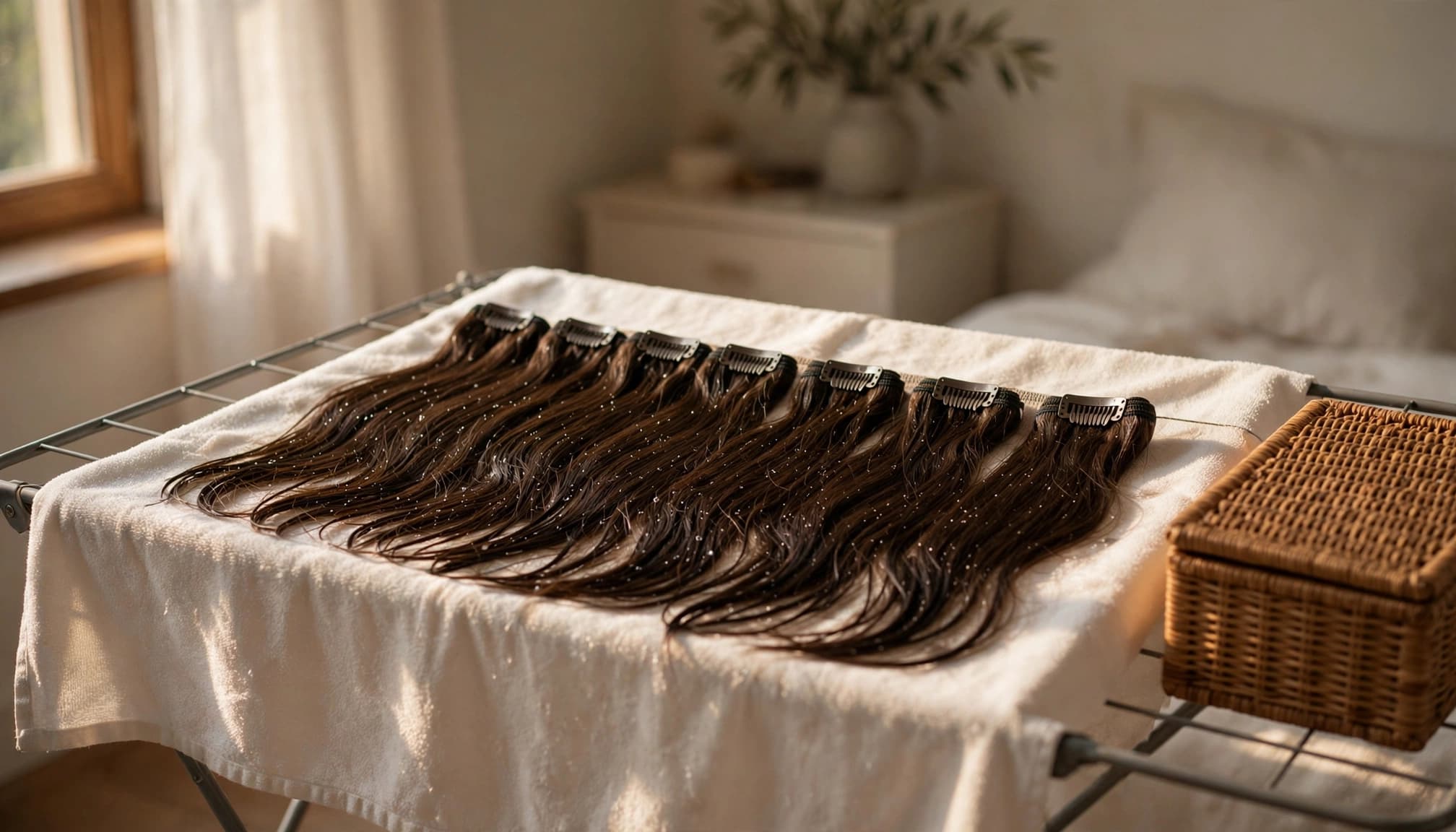
Lay the extensions flat on a clean towel or drying rack in a well-ventilated place. Separate the pieces so air can reach the hair and the attachment areas. Let them dry completely before putting them away. Storing damp extensions can encourage odor and tangling, and moisture may remain around seams even when the lengths feel dry.
Shop Best Sellers
-
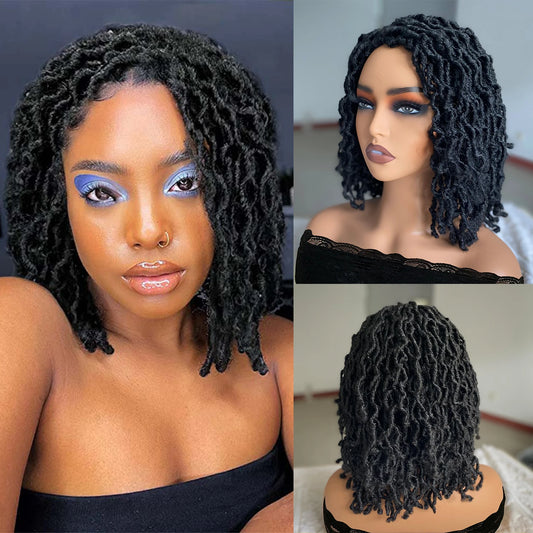
Short Goddess Faux Locs Wig | Brown Highlight Crochet Dreadlock Wig
Normaler Preis Von $158.00 USDNormaler Preis$190.00 USDVerkaufspreis Von $158.00 USDSale -
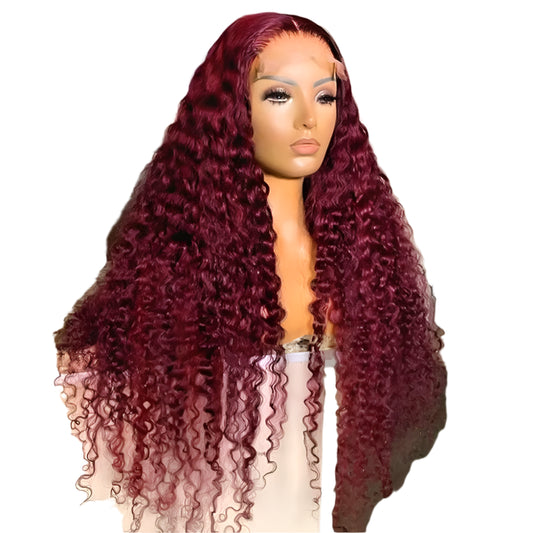
30 Inch Burgundy 99J Curly Human Hair Wig | 13x6 Lace Frontal | 200% Density
Normaler Preis Von $257.00 USDNormaler Preis$0.00 USDVerkaufspreis Von $257.00 USD -
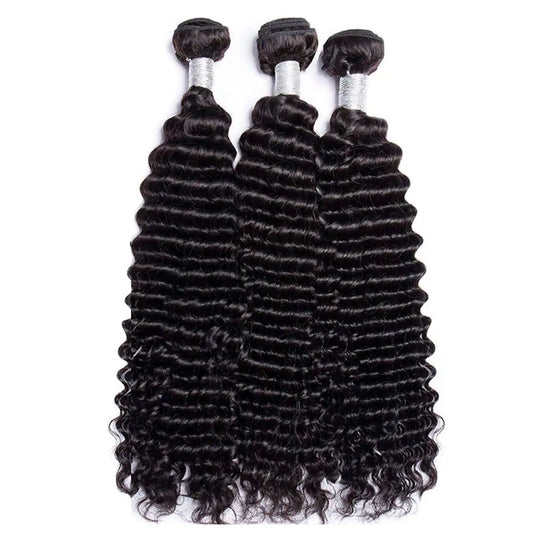
12A Deep Wave Remy Human Hair Bundles | 30 to 32 Inch Weft Extensions
Normaler Preis $364.00 USDNormaler Preis$0.00 USDVerkaufspreis $364.00 USD -
#350 Knotless Box Braids Wig | Short Lace Frontal Bob | Dark Ombre Ginger
Normaler Preis $262.50 USDNormaler Preis$0.00 USDVerkaufspreis $262.50 USD -
Short Afro Faux Dreads Wig | Synthetic Braided Wig for Men and Women
Normaler Preis $90.00 USDNormaler Preis$120.00 USDVerkaufspreis $90.00 USDSale -
12A Raw Vietnamese Bouncy Wave Wig | 13x4 Lace Frontal | 250% Density
Normaler Preis Von $242.00 USDNormaler Preis$0.00 USDVerkaufspreis Von $242.00 USD -
Men's Wingtip Derby Shoes | Genuine Leather Colour Block Lace-Ups
Normaler Preis $263.00 USDNormaler Preis$301.00 USDVerkaufspreis $263.00 USDSale -
Brazilian Human Hair 13x4 Lace Front Wig | Glueless, Pre-Plucked with Baby Hair
Normaler Preis Von $99.00 USDNormaler Preis$132.00 USDVerkaufspreis Von $99.00 USDSale





Store clip-ins to reduce tangling
Once the extensions are fully dry, detangle them gently and group wefts by size if that helps you reinstall them in order. Keep clips closed or secured as the product instructions recommend, so they don't catch on the strands.
Choose a cool, dry storage spot
Store extensions away from damp bathrooms, direct sunlight, and sources of heat. Use the original packaging or a clean, breathable storage option recommended by the maker. A sealed container can be convenient, but don't put the hair away until it is fully dry.
Luxegan's care instructions for one synthetic product recommend a cool, dry place away from direct sunlight. Since storage directions may vary by item, check the listing or packaging for your own extensions.
Keep the hair protected between wears
Avoid dropping loose wefts into a drawer or bag with jewelry, brushes, or other items that can snag them. Keep the extensions arranged smoothly, and don't place heavy objects on top. Before wearing them again, inspect the clips and wefts, then gently detangle any loose strands.
Common mistakes to avoid
Small shortcuts can create more tangles or leave residue behind. Be especially careful with the clips and seams, since pulling there can put stress on the attachment.
Avoid rough washing and brushing
Scrubbing, twisting, brushing from the roots down through knots, or tugging at a snag can rough up the hair and strain the weft. Work in small sections instead. If a tangle resists, pause and ease it apart with your fingers or comb from the ends upward.
Don't wash on an automatic schedule
Washing after every wear can add unnecessary handling. Instead, consider how much styling product or residue has built up and follow the maker's recommended care schedule. Also avoid using heavy oils or products that leave a coating unless they're approved for your extension type.
Key takeaways
- Check the product's material and care instructions before washing.
- Detangle gently from the ends upward, then wash without rubbing or twisting.
- Use products suited to the fiber, and keep synthetic hair away from unapproved heat.
- Air-dry extensions fully before storing them in a cool, dry place.
- Wash when buildup or residue calls for it, not automatically after every wear.
Frequently asked questions
How often should I wash clip-in extensions?
There isn't one schedule that fits every set. Wash them when they show buildup, residue, or odor, and follow the manufacturer's directions. Less unnecessary washing means less handling and fewer chances to tangle the hair.
Can I use my regular shampoo and conditioner?
Check the product instructions first. Human-hair extensions may need products suited to their texture, while synthetic fibers can have different requirements. If the maker doesn't specify which products to use, ask the seller before applying a new treatment.
Can I use a hair dryer on clip-in extensions?
Use a dryer only if the product instructions allow it. Synthetic hair may be damaged by heat, even when described as heat-resistant, and the safe limit varies by product. Air-drying is the conservative choice when the instructions don't give a clear heat allowance.
Is it okay to store extensions slightly damp?
No. Let the hair and weft areas dry completely before storage. Then detangle gently and keep the extensions in a dry, protected place.
Keep clip-ins ready for their next wear
A good care routine starts with the fiber label. Handle each weft gently, use only suitable products, and give the extensions enough time to dry before storing them. Those simple steps help preserve their texture and keep them ready for the next style.