

Wig Accessories for First-Time Buyers: What You Need
Buying your first wig can feel confusing because the wig itself is only part of the setup. The right wig accessories can make wearing, styling, cleaning, and storing your unit easier, but you won't need every item on the shelf.
Start with the wig's construction, texture, fit, and your wearing routine. A beginner wearing a short glueless wig has different needs from someone wearing a long, curly lace-front unit every day. Use this guide to build a practical kit without overspending.
Key Takeaways
- A wig cap, grip band, or adhesive is optional and depends on your wig and preferred installation method.
- A wide-tooth comb or wig brush is more useful than a standard hairbrush for many units.
- Human-hair and synthetic wigs need different styling and care products.
- A stand or mannequin head helps maintain shape between wears, especially for longer styles.
- Start with a few accessories that solve an immediate problem, then add optional items later.
Choose Accessories Based on Your Wig
Before buying accessories, check the product details for cap size, lace type, density, length, and hair fiber. These features affect how the wig fits and which tools make sense.
Check the cap and installation method
A glueless wig may already include adjustable straps or a built-in band. For example, Luxegan's ready-to-wear straight glueless 6x4 lace closure wig has a pre-cut, pre-plucked 6x4 lace closure, 180% density, and an average-size cap.
That type of unit may need fewer installation products than a lace-front wig designed for adhesive application. If the cap feels loose, a grip band or adjustable strap adjustment may be worth trying. If it feels tight, adding layers underneath can make the fit less comfortable.
Cap size matters as well. One Luxegan body-wave listing offers Small, Medium, and Large sizes, so measure your head before choosing accessories that add bulk beneath the cap.
Consider how often you'll wear it
Occasional wearers may only need a comb, a storage bag, and a clean place to keep the wig. Daily wearers may prefer a stand, spare wig cap, care products, and a dedicated styling area.
People experiencing treatment-related hair loss may also need to focus on softness and comfort. The American Cancer Society's wig guidance discusses factors such as wig shape, style, and fabric when choosing a unit after hair loss.
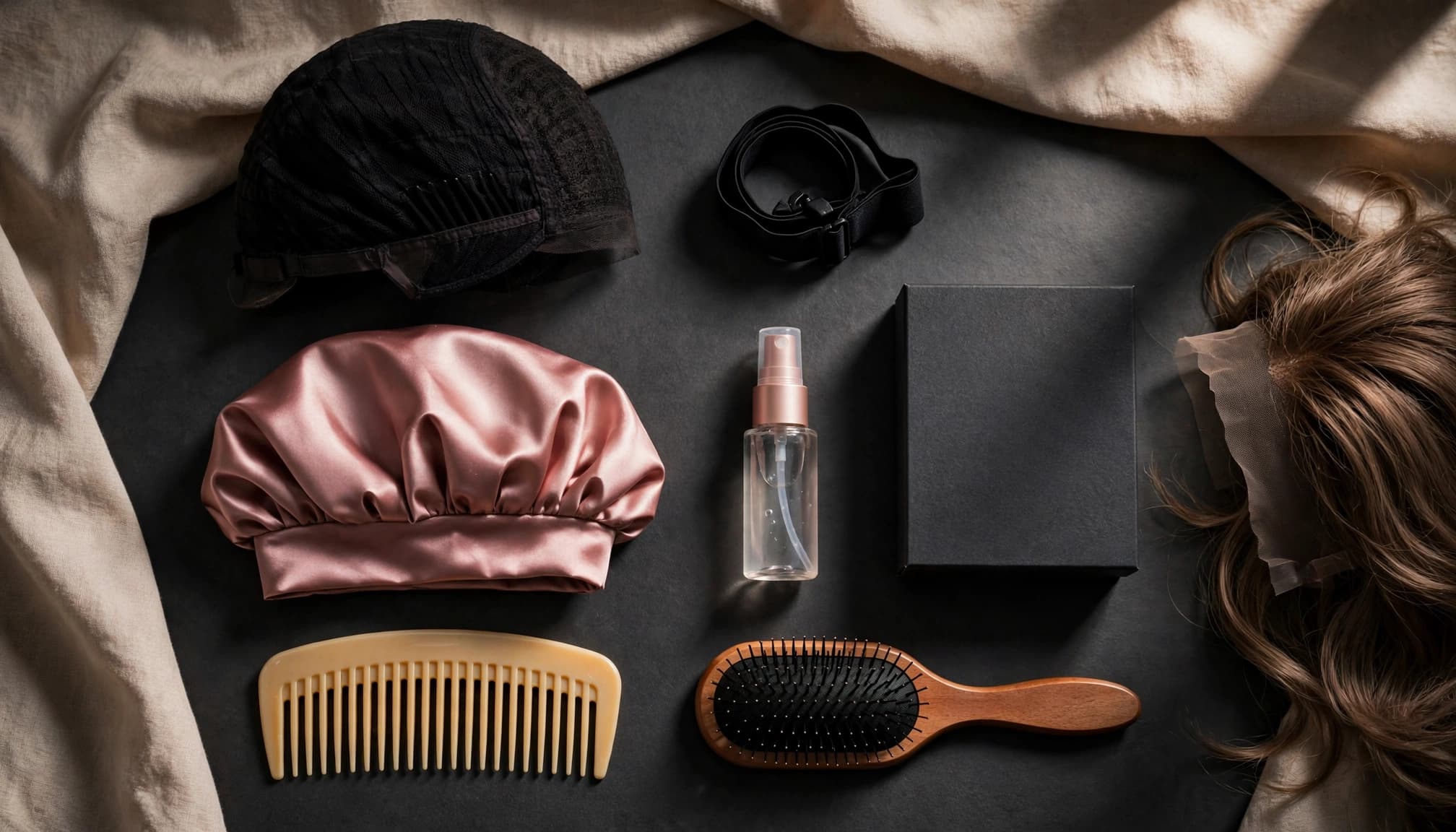
Wig Accessories for Security and Comfort
Security accessories can support a more comfortable fit, but they aren't required for every wig. Try one solution at a time so you can tell what works for you.
Wig caps and wig grip bands
A wig cap can smooth natural hair beneath the unit and create a consistent base. Some wearers like the extra layer, while others find that it makes the wig feel too warm or tight.
Choose a breathable, stretchy cap that doesn't create pressure around your hairline. A wig grip band is another option. It sits around the head beneath the wig and may provide a different feel from a traditional cap.
Neither accessory should cause pain, itching, or a strong headache. If you have sensitive skin or hair loss, look for soft seams and avoid wearing anything that creates constant pressure.
Adhesive, tape, and pins
Lace-front wigs can be worn with adhesive, lace tape, or without either, depending on the unit and your preference. Adhesive products require careful application and removal, especially around the hairline.
Test a small amount of any new product on the skin first. Follow the product directions, and remove adhesive gently rather than pulling at the lace or skin.
Hairpins and wig clips can also be useful for some wearers. They need to be placed carefully so they don't tug on natural hair or press uncomfortably against the scalp. A glueless cap with adjustable straps may be the simplest starting point for beginners.
Styling Tools That Won't Fight the Hair
The wrong brush can disturb curls, create frizz, or pull at delicate lace. Keep your first styling kit simple.
Wide-tooth combs and wig brushes
A wide-tooth comb is a practical choice for detangling many wigs, especially curly, wavy, and longer textures. Work from the ends upward and handle knots slowly.
A wig brush with flexible bristles may suit straight or lightly waved hair. Avoid aggressive brushing near the lace, knots, and hairline. For curly textures, separate sections with your fingers or gently arrange curls instead of brushing through the entire unit.
A small edge brush can help smooth your natural hair before the wig goes on, but it isn't essential for every installation.
Heat tools and styling products
Human-hair wigs can usually be styled with heat when the manufacturer permits it. Use a heat protectant and a moderate temperature rather than applying high heat immediately.
Synthetic wigs require more caution. Many standard synthetic fibers can melt or lose their shape when exposed to heat. Look for products labeled for synthetic wigs, and check whether the unit is heat-friendly before using a curling iron, flat iron, or hot rollers.
Avoid piling on hairspray, mousse, or oil without checking compatibility. Product buildup can change the texture and make cleaning more difficult.
Match Your Accessories to the Wig Type
The best wig accessories depend on the fiber, texture, length, and lace design. A straight human-hair unit and a curly synthetic unit shouldn't share the exact same routine.
Lace-front and glueless wigs
Lace-front wigs may benefit from a lace tint, adhesive, melting band, or edge tool, but these are optional. A beginner may prefer a pre-plucked, pre-cut, glueless design that needs little customization.
For instance, the glueless body wave human hair wig is listed with pre-plucked hair, several cap sizes, and 13x6 or 13x4 lace options. Those details can affect how much styling or installation work you want to do.
A lace melting band can hold lace in place while an install sets, but don't use it tightly. A small pair of eyebrow scissors can help with minor customization, although cutting lace is permanent. Beginners may want a professional to handle major trimming.
Curly, long, and dense units
Curly and deep-wave wigs need tools that preserve their pattern. A spray bottle filled with water or a manufacturer-approved refresher can help you lightly rehydrate the hair while arranging curls.
The deep wave glueless lace wig is listed with 200% density, several lace layouts, and lengths of 32 to 34 inches. A longer, denser unit may need more time for detangling and a larger stand or storage space.
For these styles, a satin bonnet, satin scarf, or satin-lined storage bag can reduce contact with rough surfaces. These items are helpful options, not universal requirements.
Shop Wigs
-
Musicology, White Is Wight, Eau De Parfum, Unisex, 95 ml
Normaler Preis $404.33 USDNormaler Preis -
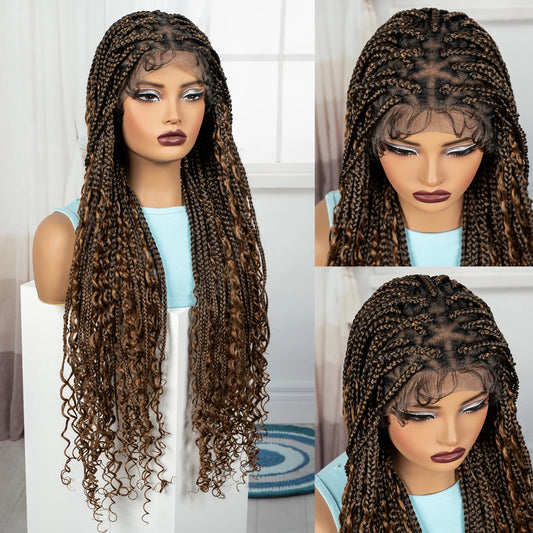
36 Inch Knotless Box Braided Wig with Curly Ends | Full Lace Boho Braided Wig | 5 Colors
Normaler Preis $163.00 USDNormaler Preis$186.00 USDVerkaufspreis $163.00 USDSale -
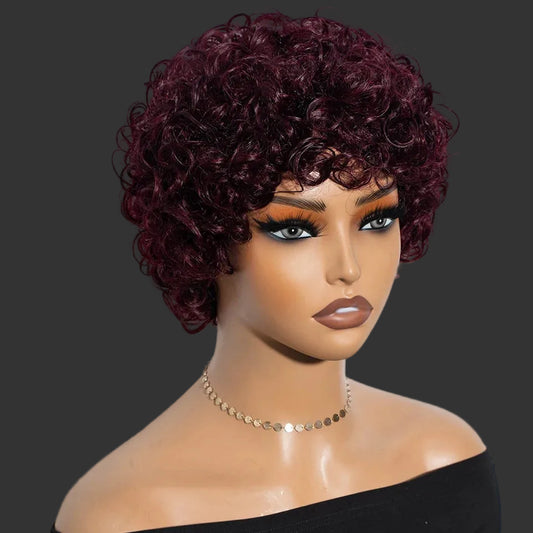
Jerry Curly Human Hair Wig – Short Pixie Afro Kinky Curly Wig with Bangs
Normaler Preis $101.00 USDNormaler Preis$135.00 USDVerkaufspreis $101.00 USDSale -
Wigundle Kanekalon Pre-Stretched Crochet Braiding Hair Extensions – Jumbo Braids for Women
Normaler Preis Von $105.00 USDNormaler Preis$133.00 USDVerkaufspreis Von $105.00 USDSale -
Short Water Wave Curly Bob Human Hair Wig 10in – Glueless Brazilian Remy Wig | Brown, Black, Red & Blonde
Normaler Preis Von $114.00 USDNormaler Preis$136.00 USDVerkaufspreis Von $114.00 USDSale -
Pixie Cut Wig for Black Women – Straight Remy Human Hair | Short 6in | Bangs | Machine Made
Normaler Preis Von $103.00 USDNormaler Preis$123.00 USDVerkaufspreis Von $103.00 USDSale -
Short Pixie Afro Kinky Curly Wig for Black Women – Glueless Brazilian Remy Human Hair | Bob with Bangs
Normaler Preis Von $95.00 USDNormaler Preis$126.00 USDVerkaufspreis Von $95.00 USDSale -
Highlight P4/30/27 Brazilian Straight Human Hair Wig with Bangs – 100% Remy | Full Machine Made | 16–28 Inch
Normaler Preis Von $162.00 USDNormaler Preis$185.00 USDVerkaufspreis Von $162.00 USDSale









Care, Cleaning, and Storage Essentials
Wig care starts with using products made for the wig's fiber. Human hair and synthetic hair respond differently to shampoo, conditioner, heat, and styling products.
Washing and refreshing
Use a wig-safe shampoo and conditioner when the care instructions allow them. Detangle before washing, support the unit while rinsing, and avoid rough rubbing. Let the wig dry fully before storing it.
Care schedules vary by wear frequency, climate, product buildup, and the wig itself. Cécred suggests washing some wigs every 10 to 15 wears or once a month, but its guidance isn't a universal rule. Follow the manufacturer's instructions first.
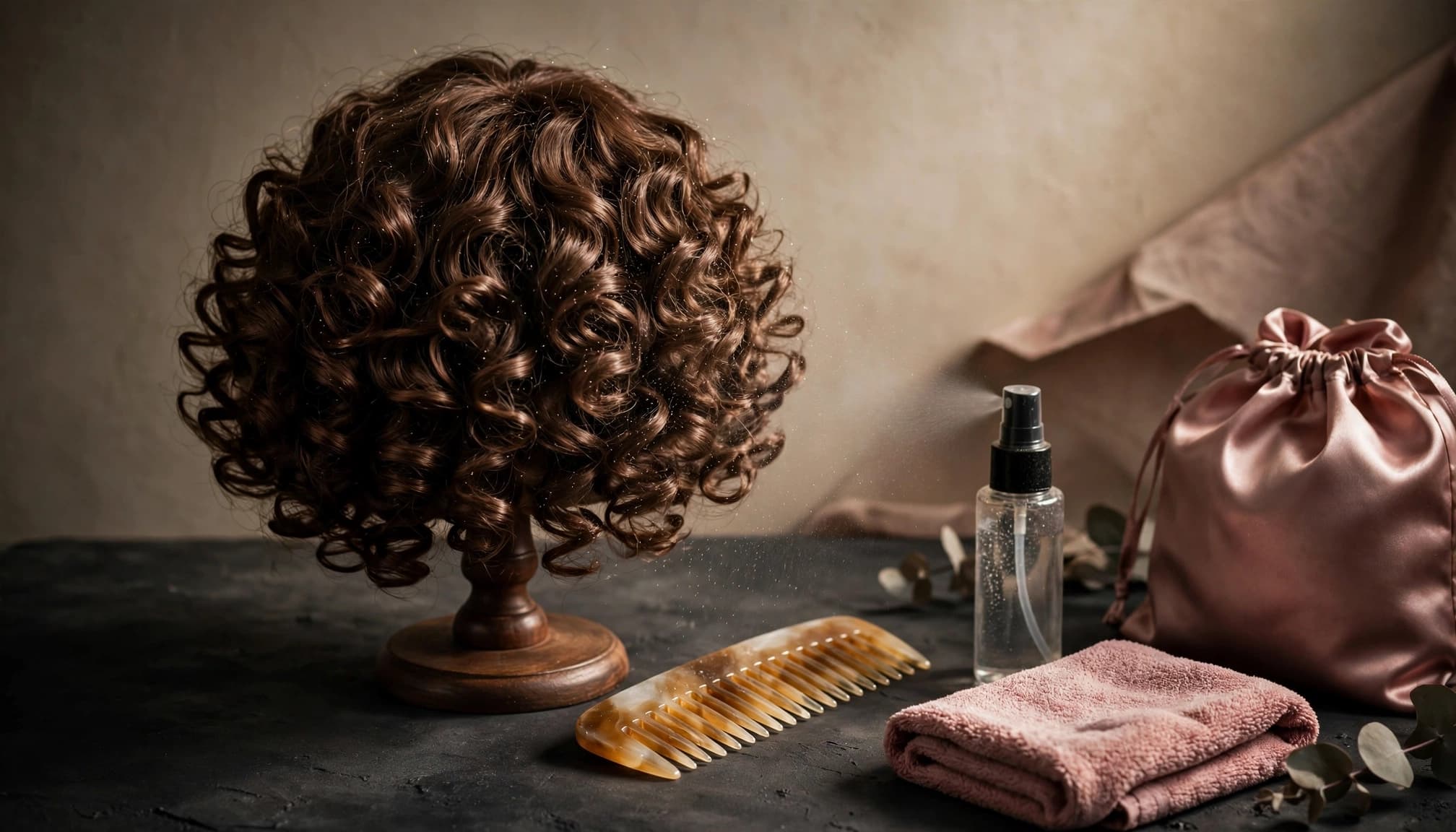
For synthetic units, the synthetic wig care guide from Headcovers covers washing, conditioning, styling, and storage considerations. A microfiber towel can help remove excess water without rough handling.
Stands, bags, and storage boxes
A wig stand keeps the unit off a crowded counter and gives it room to maintain its shape while drying. Choose a stable stand that can support the wig without stretching the cap.
For travel or drawer storage, use a satin-lined bag, breathable wig bag, or clean storage box. Keep the wig away from direct sunlight, moisture, dust, and heavy objects that could flatten the style.
A longer wig needs enough space to avoid sharp bends. Before storage, remove pins, clips, and accessories from the cap. The human-hair and synthetic wig care guide from Split Ender compares care considerations for both main wig types.
A First-Time Shopping Checklist
You don't need to buy a full professional kit on your first day. Match each purchase to a task you expect to perform.
Start with the essentials
For many beginners, the most practical starting items are:
- A wide-tooth comb or wig brush suited to the texture.
- A wig-safe shampoo if you plan to wash the unit at home.
- A stand or clean storage bag for between-wear storage.
- A satin bonnet, scarf, or lining option if the wig rubs against rough fabric.
- One comfort or security accessory, such as a wig cap or grip band, if the fit calls for it.
A beginner-friendly straight closure wig may need fewer products than a long lace frontal. For example, a unit with adjustable straps and pre-cut lace can be worn without immediately purchasing adhesive or customization tools.
Add optional items later
Optional purchases include lace adhesive, lace tape, melting bands, tint spray, edge brushes, heat protectant, curl refreshers, styling clips, and a mannequin head.
Choose these after you understand how the wig fits and how you wear it. If you buy a second unit, compare its needs with your first one rather than duplicating every accessory. A 13x6 bone straight HD lace wig with a long 30 to 40 inch length may need more storage room and detangling time than a short everyday style.
Essential vs. Optional Wig Accessories
This quick comparison can help you keep your first order focused.
| Accessory | Usually essential? | When to consider it |
|---|---|---|
| Wide-tooth comb or wig brush | Often useful | Match it to the wig's texture |
| Wig-safe shampoo | Useful for home washing | Choose one approved for the fiber |
| Storage bag or stand | Useful | Especially for regular wear |
| Wig cap | Optional | When you prefer an extra layer beneath the unit |
| Wig grip band | Optional | When you want to test a different fit |
| Adhesive or lace tape | Optional | For selected lace-front installations |
| Heat protectant | Optional | For permitted heat styling on human hair |
| Satin bonnet or bag | Optional | For storage or reduced fabric friction |
| Mannequin head | Optional | For frequent styling or display |
The simplest approach is to buy one detangling tool, one care product, and one storage solution first. Add security and styling products only when your specific wig or routine requires them.
FAQ About Buying Wig Accessories
Do I need a wig cap for my first wig?
No. A wig cap can help some wearers create a smoother base, but others prefer wearing a wig without one. Your hair length, scalp sensitivity, cap fit, and personal comfort should guide the choice.
What brush should I use on a curly wig?
Start with a wide-tooth comb or your fingers. Work in small sections from the ends upward, and avoid brushing aggressively through dry curls. A curl refresher may help arrange the pattern if the care instructions allow it.
Can I use regular shampoo on a wig?
Check the wig maker's instructions before using any shampoo. Products made for wigs are often the safer starting point because synthetic fibers and human hair have different care needs.
Should I buy adhesive with a glueless wig?
Usually, wait until you've tried the wig as designed. A glueless unit may already use adjustable straps or a built-in band. Adhesive is an optional choice for certain installations, not an automatic requirement.
Conclusion
The best first purchase is a small kit matched to your wig, not a drawer full of products. Begin with a suitable detangling tool, wig-safe care products, and a clean storage method. Then add a cap, grip band, adhesive, heat protectant, or styling accessory only when your fit and routine call for it.
Good wig accessories should make the experience more comfortable and manageable. Once you know how your unit behaves, shopping becomes simpler, and every added product has a clear purpose.