

Wig Length Guide: Choose Hair for Your Lifestyle
The right wig length should fit your routine as well as your personal style. This wig length guide helps you compare short, medium, and long wigs by comfort, upkeep, work demands, exercise, and styling time.
A dramatic 24-inch style may look stunning in a product photo, but a shoulder-length wig could suit your mornings better. Start with the way you live, then choose the length that makes getting ready easier.
Start With Your Routine Before Your Face Shape
Your daily schedule gives you a better starting point than trends alone. Consider what your hair needs to handle during a normal week.
If you commute, work in a warm office, care for children, or move between indoor and outdoor settings, a shorter wig may feel easier to manage. It creates less friction against clothing and usually needs less detangling. A medium-length style offers more styling choices without the same level of upkeep as very long hair.
Long wigs work well for shoppers who enjoy styling and have time for regular care. They also suit special events, photo sessions, dinners, and occasions where a fuller, more dramatic look feels right. However, long hair can catch on coat collars, handbag straps, seat belts, and scarf fabric.
Your comfort preferences matter just as much. Some people dislike hair touching their neck or shoulders, while others feel more confident with length around the face. Neither preference is more correct. The best choice is the one you will enjoy wearing for several hours.
Before shopping, ask yourself:
- How many minutes can you spend styling your wig each morning?
- Will the hair rub against collars, backpacks, or work uniforms?
- Do you exercise often or spend time outdoors in heat and wind?
- Do you want one everyday wig or a style for occasional glamour?
- Are you comfortable brushing and storing longer hair after each wear?
Your answers can narrow the choices before color, texture, and cap design enter the decision.
Wig Length Guide: What Short, Medium, and Long Styles Require
Wig measurements can vary by brand, texture, and the point where the manufacturer measures the hair. Curly and wavy wigs also appear shorter than straight wigs with the same listed length. Use the measurements as a guide, then check photos of the wig worn on a person.
| Wig length | Typical appearance | Daily care |
|---|---|---|
| Short | Pixie, crop, or chin-length bob | Light detangling and shape checks |
| Medium | Shoulder-length or upper-back hair | Regular brushing and occasional restyling |
| Long | Mid-back, waist-length, or longer hair | Frequent detangling, careful storage, and more styling time |
Short wigs for quick mornings
Short wigs include pixie cuts, tapered styles, bobs, and chin-length shapes. They often feel lighter and stay out of the way during work, errands, and casual activities. A short synthetic wig may only need shaking, finger styling, and a few adjustments around the part or bangs.
Precision cuts require more attention than their length suggests. A sleek bob can lose its shape after friction, and a layered pixie may need gentle reshaping. Human-hair short wigs offer more styling control, but you may need heat tools or products to recreate the original finish.
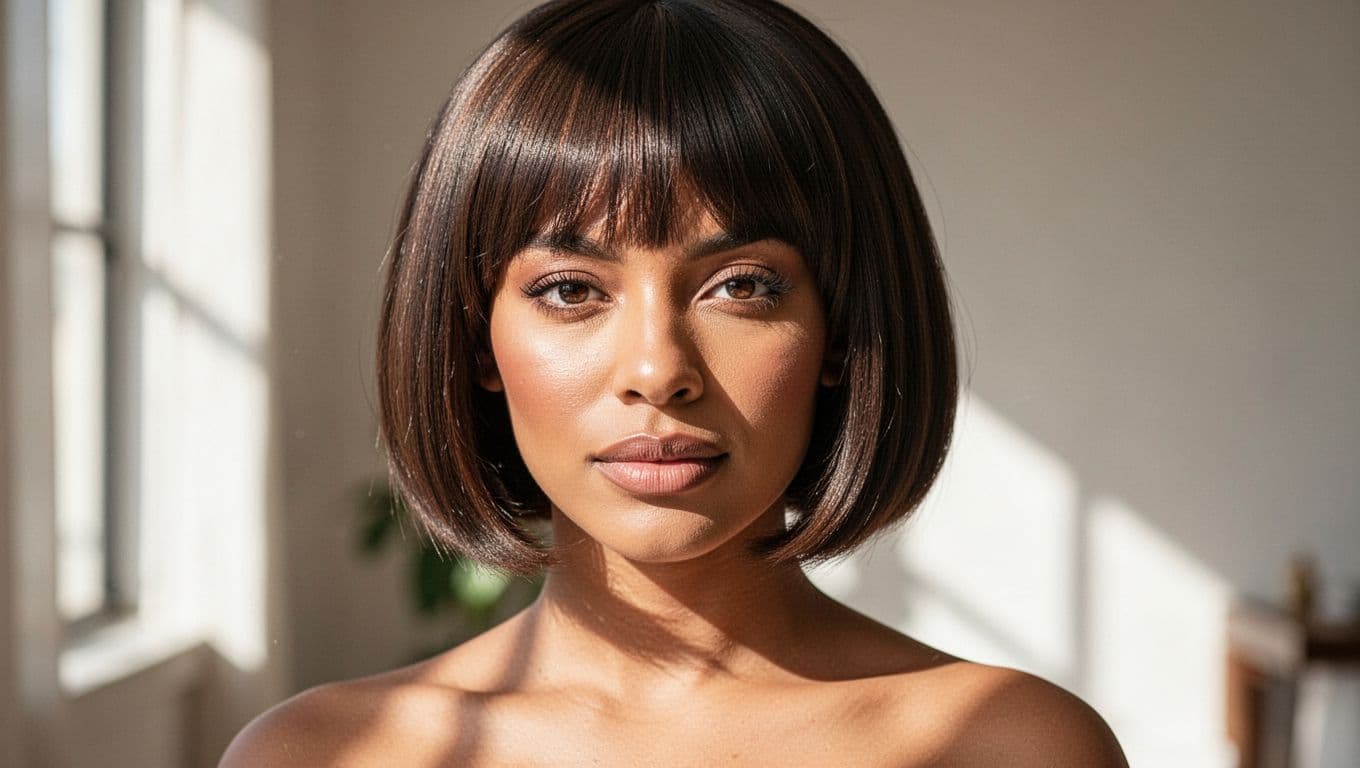
A short style can be practical, but it won't suit every comfort preference. If you like tying your hair back or changing your part often, a bob may offer more flexibility than a close crop.
Medium wigs balance versatility and effort
Medium lengths usually sit around the shoulders or upper back. They work well for shoppers who want movement, volume, and styling options without committing to very long hair. You can often wear this length straight, curled, half-up, or in a low ponytail, depending on the cap and density.
Shoulder-length hair may brush against clothing, so it needs more care than a short wig. Detangle the ends gently after wear, especially when the style includes waves or curls. Medium synthetic wigs usually hold their designed shape, while human-hair versions may require brushing and heat styling to maintain a polished finish.
For many first-time wearers, medium length is a comfortable place to start. That is general guidance, not a rule. Your height, wardrobe, and styling habits may make a shorter or longer choice feel better.
Long wigs create impact but demand more care
Long wigs can add a glamorous finish, especially when they include layers, waves, or a full body. They also offer room for ponytails, braids, and updos when the wig construction allows secure styling.
The extra length creates more contact with fabric and more opportunity for tangles. Brush the hair in sections, beginning at the ends and moving upward. Use a wide-tooth comb or a wig brush suited to the fiber, and avoid pulling through knots.
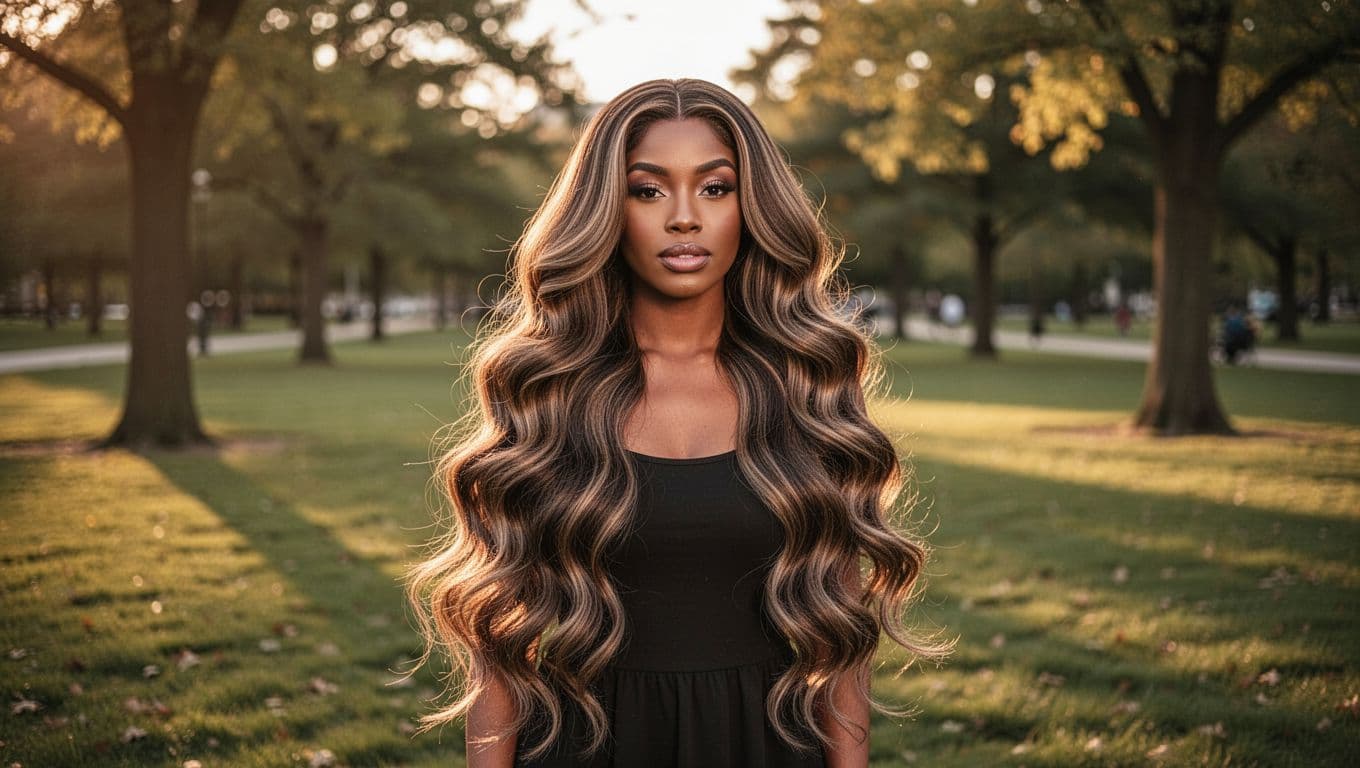
Long hair also needs sensible storage. Keep it on a wig stand or lay it flat in a clean, breathable space. Before wearing it outside, check the weather and your clothing. Wind, rain, and rough fabrics can turn a styled look into a detangling session.
Match Length to Work, Exercise, and Comfort
Work settings often call for a style that stays controlled throughout the day. A short bob or medium-length straight wig can look polished with minimal adjustment. If your workplace allows more expressive styling, long layers or waves can work well, but secure the hair if you move frequently.
For active routines, shorter hair usually creates fewer problems. It is less likely to catch on equipment or become tangled under a jacket. Medium hair can still work for walking, light workouts, or daily movement when you secure it gently.
High-intensity exercise needs more planning. Sweat, heat, and repeated movement can affect the wig cap and style. A glueless wig may shift during vigorous activity unless you use an appropriate grip band or another secure method recommended for your wig. Many wearers prefer a short style for workouts and reserve longer wigs for lower-movement activities.
Comfort also depends on density and cap construction, not length alone. A thick, long wig can feel warmer than a lightweight shoulder-length style. On the other hand, a short wig with a dense cap may still feel warm around the scalp.
Choose based on your actual wear time. A style that feels comfortable for a two-hour dinner may not feel right during a ten-hour workday.
Choose a Length You Can Maintain
Your wig fiber changes the care routine. Synthetic hair usually keeps its original curl or wave pattern after washing, which can save styling time. Standard synthetic fibers can be damaged by heat, so follow the care instructions and keep hot tools away unless the wig is labeled heat-friendly.
Human-hair wigs allow more styling freedom. You can usually wash, blow-dry, curl, or straighten them with suitable products and tools. That flexibility comes with extra work, because the hair won't automatically return to its original style after washing.
Short wigs often need shape maintenance. A sleek bob may show uneven ends, while a textured crop can look different after sleeping or wearing a hat. Medium wigs need regular brushing, particularly at the nape and ends. Long wigs need the most patience because tangles can form where the hair meets clothing.
A simple care pattern works for most lengths:
- Remove the wig gently and check the nape, ends, and part for tangles.
- Detangle with the correct brush or comb, starting at the ends.
- Follow the fiber-specific washing instructions instead of using regular shampoo.
- Let the wig dry fully before storing it.
Longer hair also benefits from reduced friction. Smooth pillowcases, loose braids, and careful handling can help protect the ends, but they won't eliminate routine maintenance.
Shop Wigs
-
Musicology, White Is Wight, Eau De Parfum, Unisex, 95 ml
Normaler Preis $404.33 USDNormaler Preis -
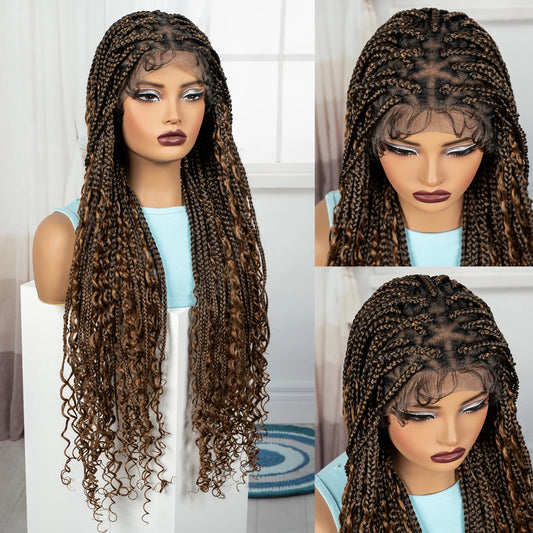
36 Inch Knotless Box Braided Wig with Curly Ends | Full Lace Boho Braided Wig | 5 Colors
Normaler Preis $163.00 USDNormaler Preis$186.00 USDVerkaufspreis $163.00 USDSale -
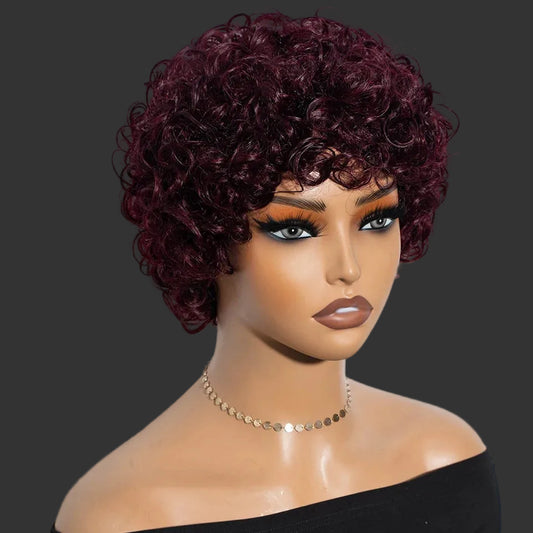
Jerry Curly Human Hair Wig – Short Pixie Afro Kinky Curly Wig with Bangs
Normaler Preis $104.00 USDNormaler Preis$125.00 USDVerkaufspreis $104.00 USDSale -
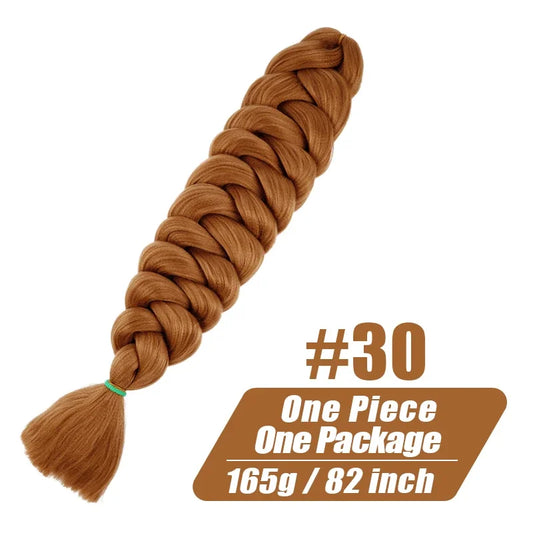
Wigundle Kanekalon Pre-Stretched Crochet Braiding Hair Extensions – Jumbo Braids for Women
Normaler Preis Von $105.00 USDNormaler Preis$133.00 USDVerkaufspreis Von $105.00 USDSale -
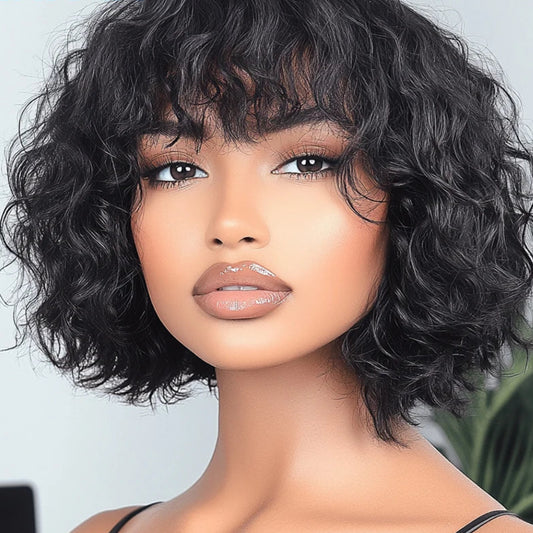
Short Water Wave Curly Bob Human Hair Wig 10in – Glueless Brazilian Remy Wig | Brown, Black, Red & Blonde
Normaler Preis Von $114.00 USDNormaler Preis$136.00 USDVerkaufspreis Von $114.00 USDSale -
Pixie Cut Wig for Black Women – Straight Remy Human Hair | Short 6in | Bangs | Machine Made
Normaler Preis Von $103.00 USDNormaler Preis$123.00 USDVerkaufspreis Von $103.00 USDSale -
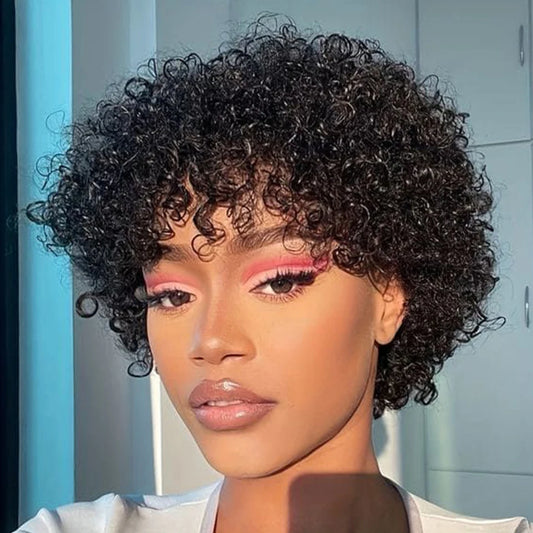
Short Pixie Afro Kinky Curly Wig for Black Women – Glueless Brazilian Remy Human Hair | Bob with Bangs
Normaler Preis Von $95.00 USDNormaler Preis$126.00 USDVerkaufspreis Von $95.00 USDSale -
Highlight P4/30/27 Brazilian Straight Human Hair Wig with Bangs – 100% Remy | Full Machine Made | 16–28 Inch
Normaler Preis Von $162.00 USDNormaler Preis$185.00 USDVerkaufspreis Von $162.00 USDSale









Check Fit, Fiber, and Cap Construction
Length gets attention first, but fit decides whether you will wear the wig comfortably. Measure your head according to the seller's instructions, then compare your measurements with the cap size. An adjustable strap can improve the fit, while a wig grip may add security and reduce sliding.
Glueless wigs are convenient for quick wear, especially when you want to avoid adhesive. Still, convenience doesn't mean every glueless style is ready for intense activity. Check the cap details, straps, combs, and grip options before choosing a long wig for an active schedule.
Lace-front wigs can create a natural-looking hairline, while full-lace construction may offer more styling freedom. These features don't change the length, but they affect how you can part, tie, or style the hair.
Density matters, too. A 20-inch wig with light density may feel more comfortable than a shorter style with very full hair. Product photos can help, but read the listed measurements and construction details before ordering.
Use This Wig Length Guide Before You Buy
When two lengths appeal to you, compare them against a real day rather than an idealized outfit. Picture the wig with your usual coat, work bag, glasses, and commute. Then consider how much time you want to spend caring for it after you take it off.
For a practical decision, follow these steps:
- Choose the longest length that won't interfere with your work, exercise, or clothing.
- Select a texture that matches your available styling time.
- Review the fiber care instructions before choosing human hair or synthetic hair.
- Check the cap size, security features, density, and return policy.
- Look at customer photos when available, since texture can change the visible length.
If you want one versatile everyday option, a chin-length bob or shoulder-length wig is often easier to style than a very long unit. If you already enjoy hair care and styling, long wigs can provide more creative range. Personal preference should make the final call after practical needs are clear.
Conclusion
The best wig length fits your schedule, comfort, and willingness to maintain it. Short wigs support quick routines, medium lengths offer everyday flexibility, and long styles provide extra drama with more brushing and storage demands.
Use this wig length guide as a starting point, then check the fiber, density, cap, and texture. When your wig works with your real routine, you won't have to choose between looking polished and feeling comfortable.