

How to Choose a Wig for Hair Loss or Thinning Hair
Choosing a wig can feel personal, especially when your hair has changed unexpectedly or your usual style no longer feels like you. The right option should suit your daily routine, feel secure, and respect your budget. Comfort matters as much as appearance.
Wigs for hair loss come in many fibers, cap constructions, lengths, and price ranges. Start with what you need from a wig, then compare how each option feels and how much care it requires.
Key takeaways
- Decide when and how often you plan to wear a wig before comparing styles.
- Synthetic hair, human hair, and blends differ in styling, upkeep, and cost.
- Cap construction affects the hairline, parting options, and ventilation.
- A secure, comfortable fit matters, particularly if your scalp feels sensitive.
- Ask your insurer or treatment provider about coverage or support before paying.
Start with your needs and routine
Your plans for wearing a wig can narrow the choices. A unit for occasional outings may call for different features than one you expect to wear most days.
Think about when you'll wear it
Consider whether you want a wig for everyday use, special occasions, or a temporary change while your hair is thinning or growing back. If you'll wear it for long stretches, prioritize comfort, manageable weight, and a cap that stays in place without constant adjustment.
For occasional wear, you may prefer a particular color, length, or texture without needing a low-maintenance style. If you're not sure yet, a simpler option can help you learn what feels right before investing in a more detailed construction.
Choose what feels like you
You don't need to match your previous hairstyle. Some people prefer a familiar color and shape; others enjoy trying a different cut or texture. Look at photos of styles you already like, and note what appeals to you: length, volume, part location, or curl pattern.
Also consider your daily routine. A longer style may need more detangling, while a shorter cut can be easier to manage. A wig specialist can help you compare choices without assuming what you should wear.
Compare synthetic and human-hair wigs
The fiber affects styling, care, and price. Neither type is right for everyone, so weigh the trade-offs against how you plan to wear the wig.

Synthetic hair
Synthetic wigs are made from manufactured fibers. Many arrive styled, and the hair is designed to hold its general shape after washing. That can make day-to-day styling simpler, though the wig's options for restyling depend on the fiber. Use heat only when the product specifically allows it.
Check the care instructions before buying, especially if you want to wash or style the wig at home. For example, Luxegan lists a heat-resistant synthetic lace front wig with a 13x4 lace frontal and 150% density. Those details describe that product, not all synthetic wigs.
Human hair and blended fibers
Human-hair wigs can generally be styled with heat, much like natural hair, but they require ongoing care. Follow the maker's washing and styling directions, and account for the time and products you'll need. Human hair often costs more than synthetic options, although prices vary by construction and quality.
Blended wigs combine human and synthetic fibers. They can offer a middle option, but care and heat tolerance depend on the exact blend. Luxegan's mixed human and synthetic hair closure wig is listed as 50% human hair and 50% synthetic hair. Check each product's fiber details rather than relying on the category name.
Understand cap construction before you buy
The cap is the base that sits against your head. Its construction influences breathability, the appearance of the hairline, and how freely you can part the hair.
Lace fronts and lace closures
A lace front uses sheer material along the front edge to create a hairline effect. Lace closures cover a smaller area, often around the part. Either option can look natural when its color and placement suit you, but lace may require careful positioning.
Read the product details to see how much lace the unit has and whether it arrives pre-cut. Larger lace areas can allow more parting choices, but they may also involve extra handling. You don't need a highly versatile cap if you prefer a set style.
Capless, monofilament, and full-lace options
Capless or open-weft caps have spaces between sections of hair that can allow airflow. Monofilament construction uses a fine material at some or all of the top, creating the appearance that hair grows from the scalp. Full-lace caps have lace across a larger area and can allow varied parting, depending on the design.
These terms describe construction, not a guarantee of comfort. Ask how the cap feels against the skin, whether it has adjustable straps, and what areas may press or rub. Product photos can show style, but they can't tell you how a cap will feel on your head.
Prioritize fit and scalp comfort
A wig should stay secure without feeling tight or causing pressure. Measure your head using the retailer's instructions, since sizing labels and fit can vary between brands. If you have little or no hair, ask whether the cap has adjustable straps or another way to fit securely.

Pay attention to pressure and rubbing
If your scalp feels sensitive, look for soft interior seams and a breathable cap. Notice whether the front edge, ear tabs, or nape rub when you move your head. If anything feels uncomfortable during a fitting, tell the specialist rather than assuming you'll get used to it.
You may also want to ask about wearing the wig without adhesive. Glueless designs use features such as straps or combs to help hold the cap in place. Avoid any attachment method that irritates your skin, and get personalized guidance if you're unsure.
Ask for a personalized fitting
A wig specialist can measure your head, adjust the cap, and help you test the fit while sitting and moving around. Bring a trusted person if that would make the appointment easier. You can also ask about trimming, shaping, or adjusting the part, so you know what's included and what requires extra work.
A fitting is useful even if you plan to order online. It gives you a better sense of cap size and the features that feel comfortable, which can make comparing product descriptions more practical.
Shop Human Hair Wigs
-
"Put On & Go" Straight Bob Wig | Easy Wear Human Hair with Bangs & Realistic Scalp
Normaler Preis Von $111.00 USDNormaler Preis$133.00 USDVerkaufspreis Von $111.00 USDSale -
#4 Brown Pixie Short Cut Wig with Bangs | Straight Human Hair Full Machine Made
Normaler Preis $112.00 USDNormaler Preis$168.00 USDVerkaufspreis $112.00 USDSale -
#4 Chestnut Brown Straight Lace Front Wig | 13x4 & 13x6 Transparent Swiss Lace Frontal Wig | 150% & 180% Density 100% Brazilian Remy Human Hair Long Closure Wig for Women (26+ Inch)
Normaler Preis Von $364.00 USDNormaler Preis$0.00 USDVerkaufspreis Von $364.00 USD -
#4 Chocolate Brown Bob Wig | Glueless | Ready To Wear | Brazilian Hair | Human Hair | Straight | Invisible | Closure Wigs For Women
Normaler Preis Von $151.00 USDNormaler Preis$172.00 USDVerkaufspreis Von $151.00 USDSale -
#4 Chocolate Brown Straight Bob Wig | Sophisticated 200% Density HD Transparent Lace Frontal | Elegant "Short Bob" Silhouette | "Dignified" Pre-Plucked Brazilian Remy Human Hair for Radiant Versatile Styling
Normaler Preis $150.00 USDNormaler Preis$200.00 USDVerkaufspreis $150.00 USDSale -
#4/613 Ombre Blonde Lace Front Wig | High-Impact Black with Blue Custom Tone Option | 13x4 HD Transparent Swiss Lace Frontal Body Wave Human Hair Wig for Women
Normaler Preis $502.00 USDNormaler Preis$0.00 USDVerkaufspreis $502.00 USD -
#60 613 Platinum Blonde Wear-and-Go Glueless Wig | 13x4 HD Transparent Lace Frontal Wig | 100% Brazilian Remy Human Hair Body Wave Long 26+ Inch Wig for Women
Normaler Preis Von $249.00 USDNormaler Preis$0.00 USDVerkaufspreis Von $249.00 USD -
#60 Platinum Ash Blonde Lace Front Wig | 100% Brazilian Human Hair Glueless Wig | 13x4 & 13x6 HD Transparent Swiss Lace Frontal Body Wave Gown for Women
Normaler Preis Von $249.00 USDNormaler Preis$0.00 USDVerkaufspreis Von $249.00 USD
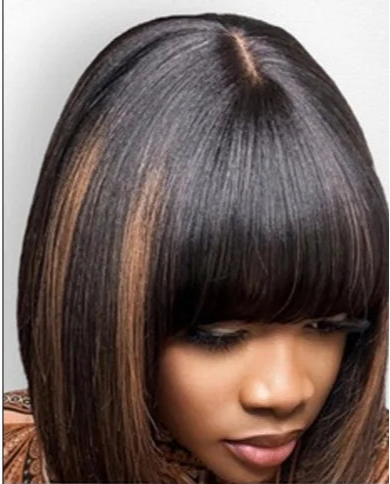
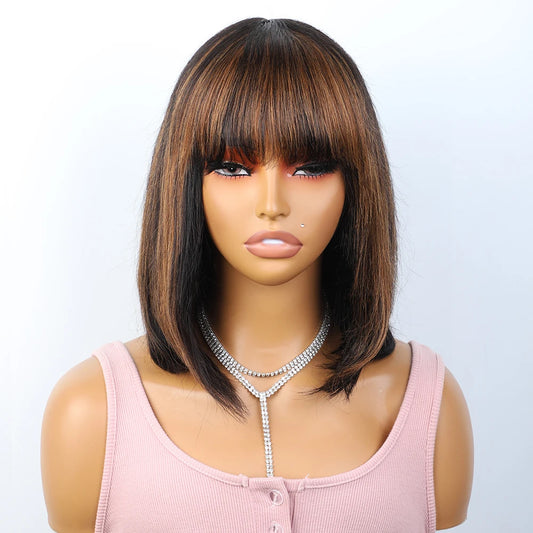



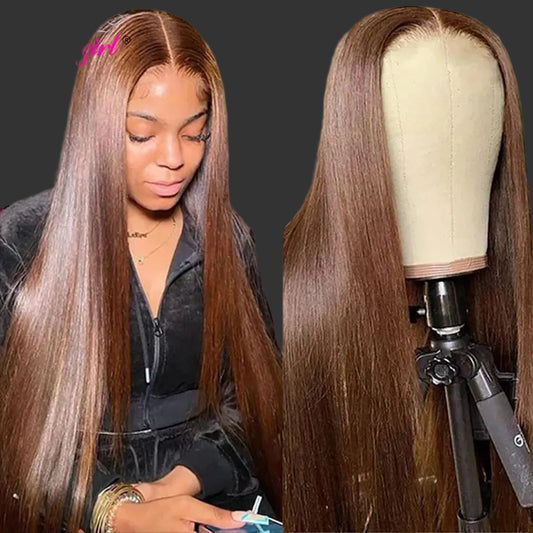
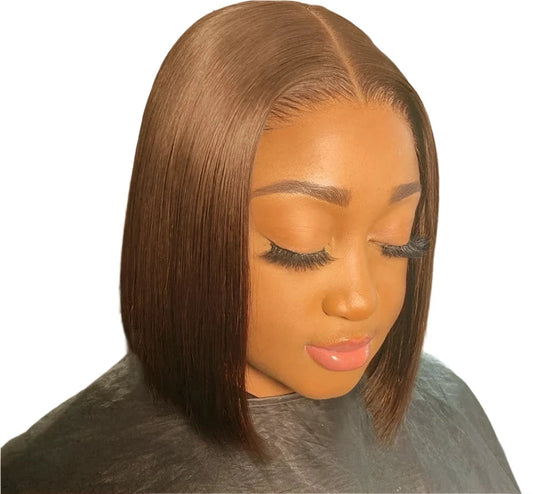
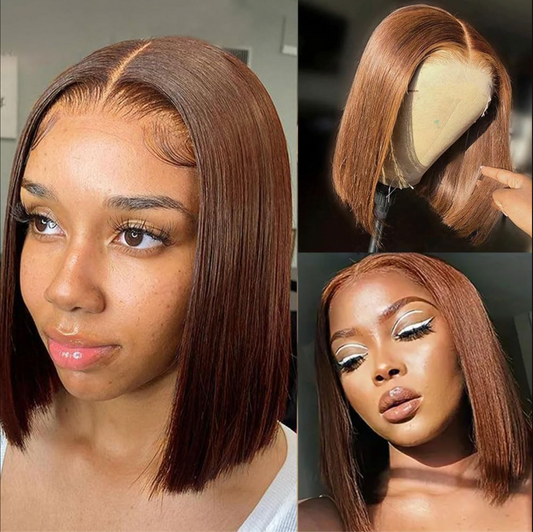


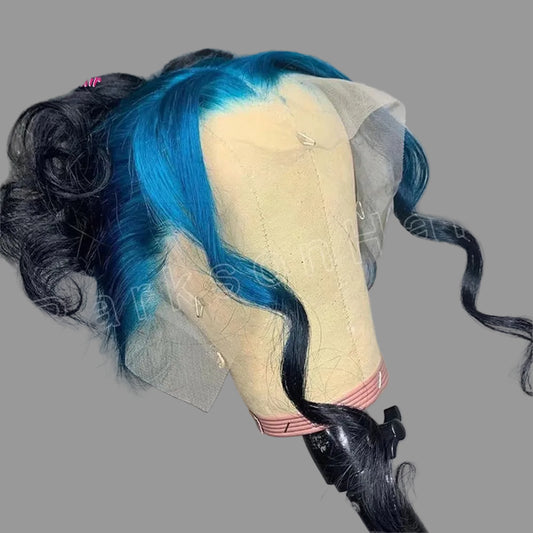



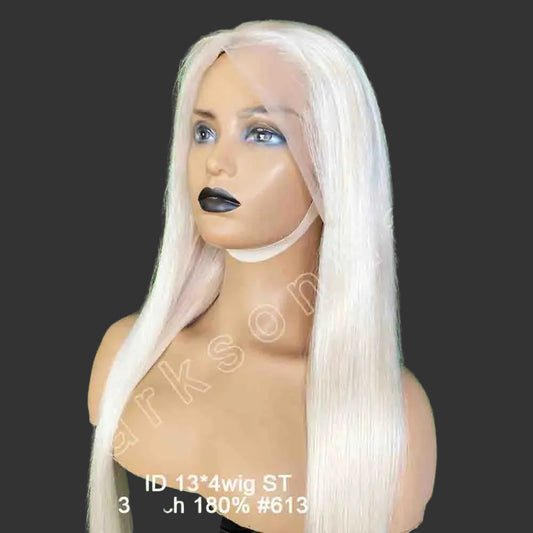
Choose a style that feels natural to you
Color, length, and texture shape the overall look. If you want the wig to resemble your usual hair, compare shades in natural light when possible. Product photos can be affected by lighting and screen settings, so use color descriptions as a guide rather than a promise of an exact match.
Density also matters. A fuller wig can feel different from a lighter, lower-density style, so consider what you're used to wearing and how much volume you want around your face. If you're choosing a longer wig, think about tangling and detangling time.
Parting options can change how you wear the hair. A lace front or closure may allow a visible part, while some basic caps are designed for a fixed style. If you want to move the part, confirm that the cap construction supports it before ordering.
Set a budget and check available support
The listed price is only one part of the cost. Include any tools or care products you may need, possible fitting or customization fees, and the cost of replacing a wig over time. Compare options based on both the initial price and the care they require.
Coverage rules vary. The American Cancer Society says some insurers may cover part or all of a wig's cost, or reimburse you after purchase. The National Breast Cancer Foundation's coverage guidance also emphasizes that coverage depends on the plan and location. Contact your insurer before buying, and ask what documentation or prescription may be required.
If hair loss is related to treatment, ask your provider about local services or financial assistance. Dana-Farber, for example, offers wig and hair prosthesis services for patients and families. Availability varies, so ask your care team which resources serve your area.
Try the wig and plan for care
Before ordering, check the return policy and read the product description carefully. Some retailers restrict returns on wigs, especially after the lace has been cut or the item has been worn. Confirm what counts as a returnable condition, and keep packaging until you've checked the fit.
Review the details that affect daily wear
Look for the cap size, fiber type, length, density, lace coverage, and included adjustment features. If the listing doesn't explain an important detail, contact customer service before placing the order. A clear answer can prevent a mismatch between the style you expect and the unit you receive.
If you're comparing human-hair options, Luxegan lists a long straight human hair wig with a breathable cap. Use the product specifications to compare construction, not as a substitute for checking your own fit and care preferences.
Follow the maker's care directions
Washing frequency and products depend on the wig's fiber and construction. Use the manufacturer's care instructions, and avoid heat on synthetic hair unless the label allows it. Store the wig on a stand or in another way that protects its shape when you're not wearing it.
If you use a wig regularly, it may help to ask a specialist how to wash and store that particular unit. Gentle handling can reduce unnecessary wear, while the right routine depends on the materials.
Frequently asked questions
Should I choose synthetic or human hair?
Choose based on your styling habits, care preferences, and budget. Synthetic hair often keeps its set shape, while human hair usually allows more heat styling and requires care similar to natural hair. A blend may suit someone who wants a combination, but check the exact fiber and heat instructions.
How do I know what wig size to order?
Measure your head according to the retailer's sizing guide, then compare your measurements with the listed cap size. If you're between sizes or have trouble measuring, ask a wig specialist or the retailer for guidance. Adjustable straps can help fine-tune fit, but they don't replace choosing the right base size.
Can a wig be covered by insurance?
Possibly, but coverage varies by insurer and plan. Call before purchasing and ask whether the plan covers a wig or hair prosthesis, what paperwork it requires, and whether you need to use a particular provider. Your treatment provider may know about local support, too.
What should I do if my scalp is sensitive?
Ask to try a soft, breathable cap and check for rubbing at the hairline, ears, and nape. Avoid adhesives or other attachments that irritate your skin. A wig specialist can help you find a comfortable fit and discuss alternatives.
Choose the wig that fits your life
A good choice balances appearance with the parts of wearing a wig you'll notice every day: fit, scalp comfort, styling time, and care. Take time to compare fibers and cap construction, then ask for a personalized fitting if you can.
Whether you want a familiar style or a fresh look, the best starting point is a wig that feels secure and manageable. Check support options before buying, and choose the features that work for you.