

Braided Wig Care: A Simple Routine That Lasts
A braided wig can look polished for weeks, but careless handling can quickly cause frizz, buildup, tangles, or lace damage. Good braided wig care depends on the fiber, braid length, cap construction, and how often you wear it.
Start by checking the manufacturer's care instructions before applying products, washing the wig, or using heat. Then build a gentle routine around light handling, limited washing, complete drying, and protection while you sleep.
Key Takeaways
- Check whether the wig uses synthetic fiber, human hair, lace, or a combination of materials.
- Detangle slowly with your fingers or a wide-tooth comb. Never brush aggressively through the braid pattern.
- Clean the wig only when it needs attention. Wash frequency depends on wear, sweat, odor, and product buildup.
- Use cool water or the temperature recommended by the manufacturer, plus shampoo made for the wig's fiber.
- Avoid soaking the cap for long periods, twisting the lace, or rubbing the braids together.
- Let the wig air-dry fully on a stand before wearing or storing it.
- Protect the style at night with a satin or silk covering, especially if you sleep in the wig.
Start With the Wig's Construction
Braided wigs don't all respond to care in the same way. A short synthetic style may need less handling than a long 360 lace wig with heavy braids. Before you choose products or tools, identify what you own.
Synthetic fiber, lace, and braid details
Many braided wigs use synthetic or high-temperature synthetic fiber. For example, Luxegan's 13x4 HD lace front braided wig combines synthetic braids with a Swiss lace base and baby hair.
The lace needs especially careful handling. Pulling at the hairline, brushing across the knots, or applying heavy adhesive residue can weaken the front. Handle the lace with your fingertips and avoid dragging a comb over it.
Length matters too. A 24-inch or longer wig creates more opportunities for the ends to rub against clothing, chairs, and bedding. Keep long braids gathered loosely when moving around, but don't tie them tightly enough to bend or stress the cap.
Check the maker's care instructions
Read the product label or listing before washing. A wig described as heat-resistant still may not tolerate a hot comb, curling iron, or direct blow-dryer heat. Heat-resistant fibers can also lose their shape when exposed to temperatures beyond the maker's recommendation.
The instructions should guide your choice of shampoo, conditioner, water temperature, drying method, and styling tools. When the instructions are missing, use the gentlest approach: cool water, limited product, no direct heat, and air-drying.
Set Up a Gentle Braided Wig Care Routine
A small routine after each wear can prevent larger cleaning problems later. You don't need to add several products. In fact, too much mousse, oil, edge control, or spray can collect around the braids and cap.

Detangle and handle without pulling
Place the wig on a stand or hold it securely by the cap. Separate large sections with your fingers first. If the ends have tangled, work upward in small areas instead of pulling from the root.
A wide-tooth comb can help with loose curly ends or soft strands attached to goddess braids. Use it only where the design allows. Avoid combing directly through tightly formed braids, baby hair, or lace.
Vigorous brushing creates friction and can loosen fibers. It may also roughen curly ends and pull on the knots that attach hair to lace. If a braid catches, stop and loosen the strand with your fingers.
Keep product buildup under control
Use styling products sparingly, especially near the scalp, part, and hairline. Product buildup can make the wig feel stiff, attract dust, and create a sticky film that requires more washing.
Apply a small amount to your hands first, then smooth it over the area that needs control. Avoid layering new product over residue. Instead, remove the old buildup during the next scheduled wash.
If you wear a wig cap underneath, keep your natural hair and scalp clean according to your own hair-care needs. Sweat and oils can transfer into the wig, but frequent washing of the wig itself can shorten its useful life.
How to Wash a Synthetic Braided Wig
Washing a braided wig requires patience because water can add weight to the braids and cap. Prepare a clean sink or basin, a wig stand, a soft towel, and the recommended shampoo before you begin.
Use the right water temperature and shampoo
For synthetic wigs, Headcovers recommends cold water, wig shampoo, and air-drying on a stand in its synthetic wig care guidance. Other care guidance recommends cool or lukewarm water, so follow the temperature listed by your manufacturer.
Fill the basin rather than holding the wig under a strong running stream. A forceful stream can disturb the braid pattern and place stress on the lace. Add a small amount of wig shampoo to the water, then lower the wig in gradually.
Avoid soaking the cap for a long time. Let the cleaning solution reach the fibers, then gently press the water through the braids. Don't scrub, twist, bunch, or rub the wig against itself.
Rinse and air-dry completely
Drain the soapy water and refill the basin with clean water. Press the wig gently through the water until the shampoo is gone. Repeat with fresh water if the braids still feel slippery.
Lift the wig with both hands so the wet weight doesn't stretch the cap. Never wring it. Press it inside a soft towel to remove excess water, then place it on a sturdy wig stand.
Air-drying is the safest default for synthetic braided wigs. Keep the wig away from radiators, strong sunlight, and direct blow-dryer heat. Don't wear or store it while the cap is damp, because trapped moisture can leave the inside uncomfortable and encourage odor.
Shop Box Braided Wigs
-
#350 Knotless Box Braids Wig | Short Lace Frontal Bob | Dark Ombre Ginger
Prezzo di listino $262.50 USDPrezzo di listino$0.00 USDPrezzo scontato $262.50 USD -
36 Inch Knotless Box Braided Wig with Curly Ends | Full Lace Boho Braided Wig | 5 Colors
Prezzo di listino $163.00 USDPrezzo di listino$186.00 USDPrezzo scontato $163.00 USDIn offerta -
26 Inch Box Braids Crochet Wig | Machine Made | 450 g
Prezzo di listino Da $166.00 USDPrezzo di listino$189.00 USDPrezzo scontato Da $166.00 USDIn offerta -
28 Inch Cornrow Box Braids Wig | Lace Frontal | Baby Hair
Prezzo di listino $285.00 USDPrezzo di listino$325.00 USDPrezzo scontato $285.00 USDIn offerta -
Knotless Box Braids & Dreadlocks Wig | Lace Front with Baby Hair
Prezzo di listino $189.00 USDPrezzo di listino$216.00 USDPrezzo scontato $189.00 USDIn offerta -
Knotless Box Braids Full Lace Wig | Cornrow Accents | Baby Hair | Synthetic Braided Wig
Prezzo di listino $193.00 USDPrezzo di listino$220.00 USDPrezzo scontato $193.00 USDIn offerta -

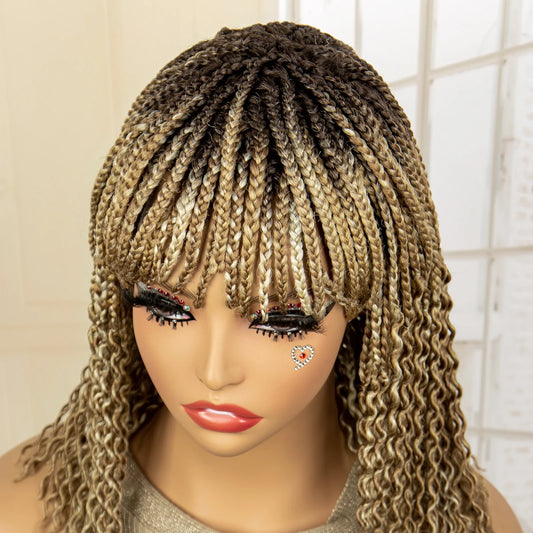
Short 14" Bob Braided Wig | Curly Knotless Box Braids | Synthetic Machine Made Wig | For Black Women
Prezzo di listino Da $202.00 USDPrezzo di listino$231.00 USDPrezzo scontato Da $202.00 USDIn offerta -
Micro Twist Braided Bob Wig | Kanekalon Box Braids | Pixie Style
Prezzo di listino $285.00 USDPrezzo di listino$0.00 USDPrezzo scontato $285.00 USD




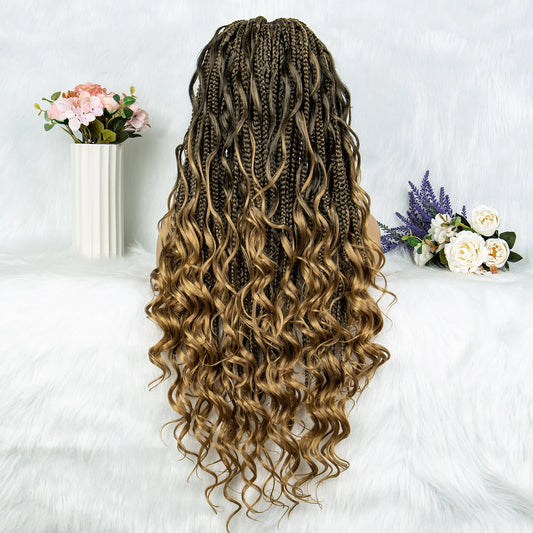


Protect the Wig While You Sleep
Sleeping without protection exposes the braids and lace to constant friction. Pillowcases can catch loose fibers, flatten curly ends, and push the wig out of position.

Reduce friction and tangling
If you sleep in the wig, place the braids in a loose position before covering them. Don't make a tight ponytail or bun, since tension can pull on the cap and lace.
A satin or silk bonnet can reduce rubbing against bedding. A satin pillowcase provides another layer of protection if the bonnet slips off. Keep the hairline flat and avoid tying anything tightly across the lace.
Remove the wig before sleeping when possible. This gives the cap a chance to air out and reduces pressure on your hairline and scalp.
Store the wig safely between wears
After removing the wig, check the braids for lint, loose strands, and visible residue. Let it air out briefly before placing it on a stand or in a clean storage bag.
Keep long styles supported so the ends don't drag across a shelf. A 360 lace wig, such as the 24-inch box braids 360 lace wig, can benefit from careful storage because its length and perimeter lace may shift when left in a heap.
Store the wig away from dust, pets, humidity, and direct sunlight. Don't place heavy items on top of it.
Refresh the Wig Without Over-Washing
Washing too often can create unnecessary manipulation, especially when the wig has lace, curly ends, or a detailed braid pattern. However, waiting too long while sweat and product collect can make the next wash harder.
Let wear and buildup guide the schedule
Published wig-care guidance varies. One recommendation suggests washing a synthetic wig after six to eight wears, while another suggests washing after 15 wears or every one to two weeks. These differences show why there isn't one schedule for every wearer.
A wig used daily in hot weather may need attention sooner than one worn for a few hours each week. Check it after each wear for odor, sweat, visible residue, dullness, or a sticky feel. Those signs matter more than a rigid calendar.
When the wig still looks clean and feels comfortable, remove surface lint and let it air out instead of washing it automatically. If buildup is heavy, clean it before adding more styling product.
Know when the wig needs extra care
A refresh may be enough when only the hairline or a few braid ends look untidy. Use a small amount of the product approved for your wig, and apply it to a cloth or your fingertips rather than spraying the whole style.
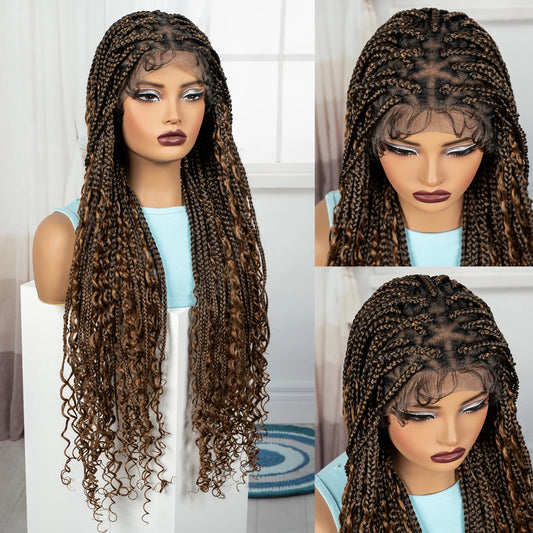
For a more significant reset, wash the full wig using the gentle method above. The curly goddess box braids wig has curly details that can tangle more easily, so separate the curls with your fingers and avoid aggressive combing.
A wig that has persistent odor, flattened braids, shedding, loose lace, or stretched straps may need professional attention or replacement. Don't try to correct structural damage with more heat or product.
FAQ About Braided Wig Care
Can I use heat on a braided wig?
Only if the manufacturer's instructions allow it. Some product listings describe their synthetic fibers as heat-resistant, but that doesn't make every styling tool safe. Avoid direct heat unless you know the exact temperature limit and have tested a hidden area first.
How often should I wash a braided wig?
Wash it when sweat, odor, or product buildup appears, while also following the maker's instructions. Guidance can range from six to eight wears to 15 wears or every one to two weeks. Your climate, activity level, styling products, and frequency of wear should influence the timing.
Can I brush a braided wig?
Use your fingers first. A wide-tooth comb may work on suitable loose ends, but don't brush tightly across the braids, lace, baby hair, or knots. Work from the ends upward and stop when a section resists.
Should I sleep in my braided wig?
Removing it before bed is the gentlest option. If you sleep in it, cover the style with satin or silk, keep the braids loose, and avoid friction. Sleeping without protection can increase tangling and wear on the lace.
Conclusion
Braided wig care works best when you treat the style according to its materials and construction. Handle the braids gently, limit product buildup, wash only when needed, and let the wig dry fully before wearing it again.
The right routine protects the lace, fiber, cap, and overall shape. Before trying a new product or heat tool, check the manufacturer's instructions, then choose the gentlest method that keeps your wig clean, comfortable, and polished.