

How to Reduce Synthetic Wig Shine Without Fiber Damage
A little synthetic shine is normal; a light application of dry shampoo is usually the quickest way to reduce shine on a shiny wig without changing its style. Start with a hidden strand, use the smallest amount possible, and keep powder away from the lace and cap.
For lasting care, combine gentle washing with a shampoo and products suited to the fiber. Less product is safer than repeated coatings, especially on dark colors and delicate curls.
Before treating the whole wig, identify its fiber and test how it responds.
Understand the Fiber Before Reducing Shine
A new synthetic wig can look glossy because its smooth fibers reflect light evenly, creating synthetic shine. Straight styles create broad reflective surfaces, while waves scatter light in different directions, as they do on curly wigs. Direct flash and overhead lighting can exaggerate the effect.
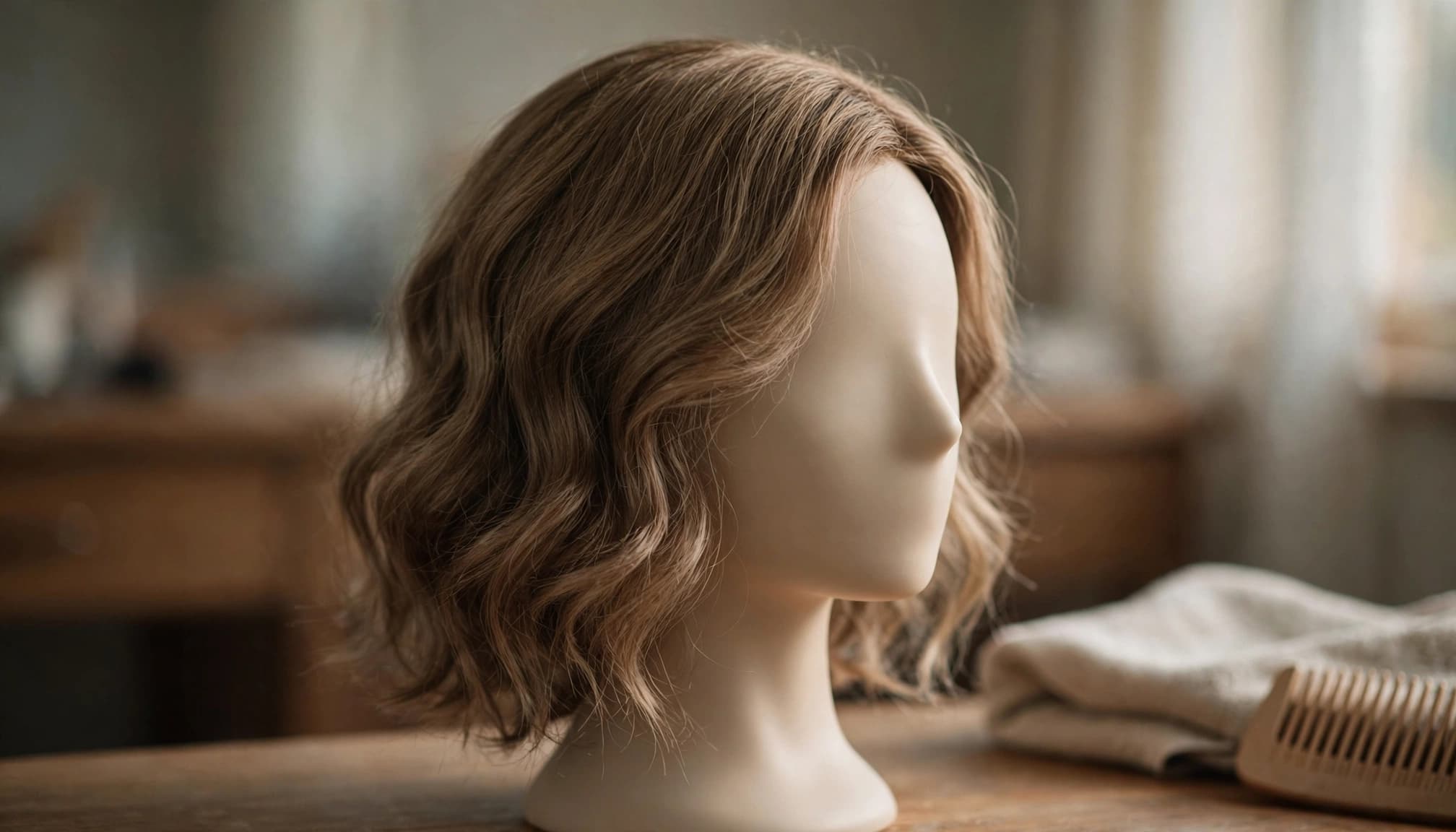
Identify standard versus heat-friendly synthetic hair
The packaging or care label should identify heat-friendly fibers and their temperature limits. Without that information, treat the wig as standard synthetic and avoid heat.
Some heat-resistant fibers look less glossy, but they can also tangle more and need gentler handling. Heat resistance doesn't guarantee a matte finish. Our guide to heat styling synthetic wigs explains the differences.
Never use a hot tool to test an unidentified fiber.
Test products on a concealed section
Choose a small section underneath the nape. Apply a tiny amount, let it dry completely, then inspect it in daylight.
Look for discoloration, chalkiness, tackiness, or roughness. Gently comb through the test section before continuing. If it becomes harder to detangle, stop.
Results vary by fiber, surface finish, color, and manufacturer. A product that suits one wig may leave another stiff or visibly coated.
1. Use Dry Shampoo for an Immediate Matte Finish
Dry shampoo leaves fine particles on the fibers, which soften reflected light. This temporary coating can reduce shine without permanently changing the wig's natural gloss.
Choose a lightweight dry shampoo without oils that add shine. A matte formula labeled for synthetic wigs is another option; test any product on a strand first.
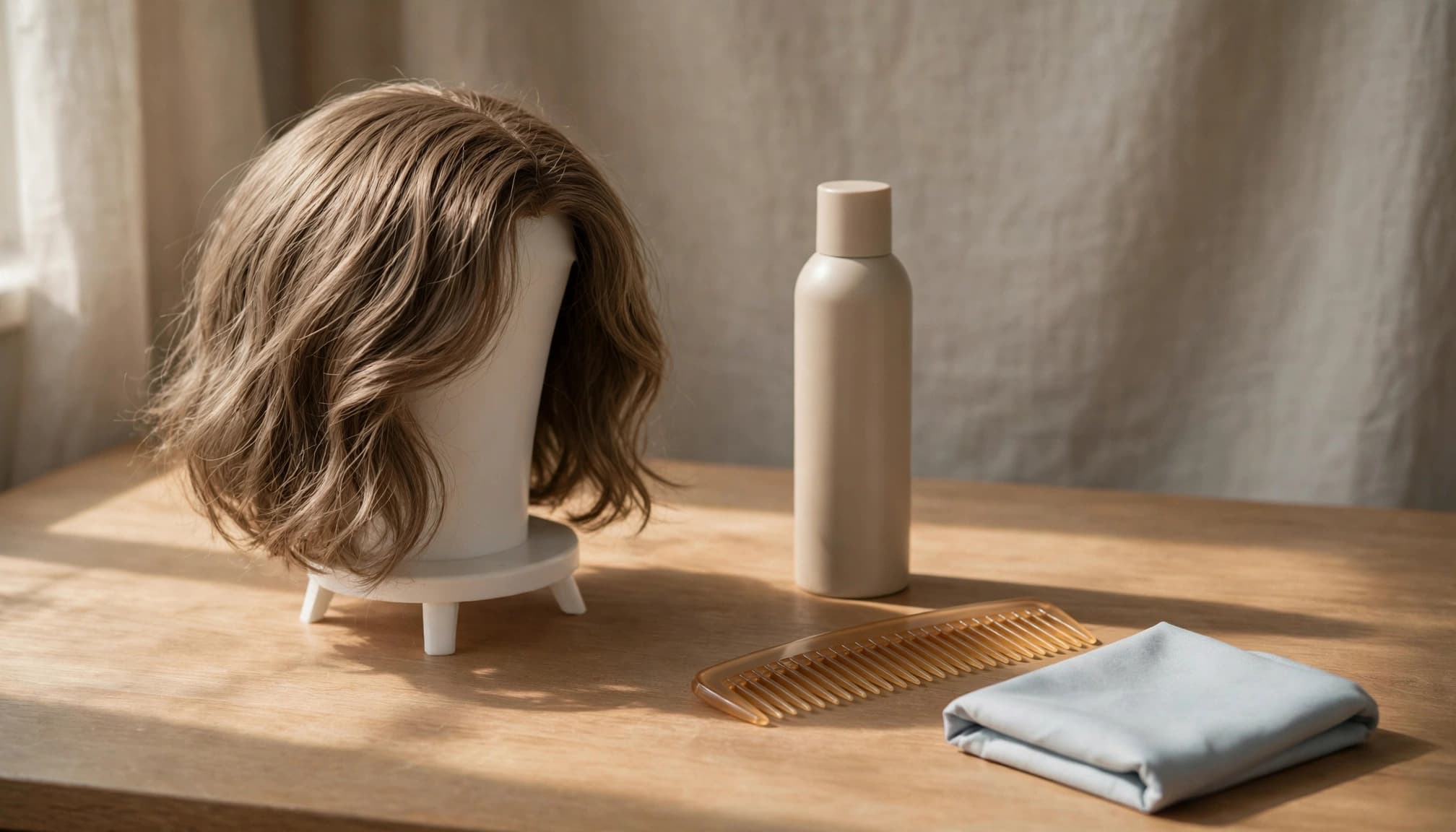
Match the powder to the wig's color
Tint matters because pale powder can make dark fibers look gray. Use this shade guide.
| Wig color | Dry shampoo choice | Main caution |
|---|---|---|
| Brown or brunette | Brown-tinted formula | Pigment can transfer onto lace or clothing |
| Blonde wig | Blonde-tinted formula | Warm pigments may alter cool blonde tones |
| Black | Dark-tinted formula | Brown pigment may show in strong light |
| Silver or pastel | Minimal untinted formula | Residue can mute the original shade |
The closest color match usually needs less brushing to disappear. Tinted powder coats the surface but doesn't permanently recolor the fiber.
Apply lightly, then reassess
Work on a dry wig, off your head, in a ventilated space.
- Gently detangle the ends first with a wide-tooth comb, supporting the hair above each knot.
- Shake the can and follow the product's spraying-distance instructions.
- Spray brief bursts on shiny areas, shielding the lace, part, and cap.
- Let the powder settle, then distribute it gently as you would on natural hair. For curls, use your fingers instead of brushing through the pattern.
- Inspect in daylight for residue or a dull cast before adding another light application.
Brush loose powder into a small section. Avoid inhaling airborne powder.
Stop once the finish looks natural. Repeated layers can leave hair dusty, stiff, and harder to detangle.
2. Wash Away Residue Without Stripping the Style
A gentle wash can remove manufacturing residue and styling-product buildup. It won't turn an inherently glossy fiber completely matte.
Wear and occasional cleaning can soften a new wig's gloss. Cleaning before wearing may help, but unnecessary handling adds tangles.
Use a specialty shampoo made for synthetic hair. CancerCare's synthetic wig care guidance recommends a five-minute soak to loosen debris before cleaning.
- Detangle the dry wig gently, preserving any curl pattern.
- Dilute the shampoo in cool water according to the product label.
- Submerge the wig and move it gently through the water without rubbing or twisting.
- Rinse with cool water, blot with a towel, and air-dry on a suitable stand.
To reduce shine, some advice recommends blow-drying on the coolest setting after cleaning. Use a dryer only if the manufacturer permits it. Even cool airflow can disturb curls or cause tangles. Don't apply an unapproved spray directly to the fibers.
If you use dry shampoo regularly, wash the wig about every 8 to 10 wears, or sooner if it feels coated. Remove buildup instead of layering on more powder.
Sweat and weather also affect cleaning frequency. Look Good Feel Better's washing guidance distinguishes between warmer-weather and cooler-weather care.
3. Treat the Dryer-Sheet Trick as a Backup
A dryer sheet may reduce static and slightly soften the appearance of shine. Its surface coating makes results less predictable than a light dry-shampoo application.
To try it, poke the teeth of a wide-tooth comb through a dryer sheet, then work through small sections with the sheet touching the hair. Start at the ends and move upward without pulling.
Laundry products aren't formulated for wig fibers, lace, or scalp contact. Fragrance and transferred residue can also cause problems.
Test underneath first, use minimal contact, and stop if the strands feel slippery or coated. Skip this method if the care instructions rule out a dryer sheet or other household products.
Reduced static can make a wig look tidier without much change to its appearance. Don't add residue to chase a matte finish.
Household Shine Fixes That Aren't Worth the Uncertainty
Household treatments circulate widely, but their effects on wig finishes, color, and cap construction vary by manufacturer.
Fabric softener and vinegar soaks
One circulating fabric softener method uses a few tablespoons in a large container of water. The wig is submerged for several minutes, then left to air-dry.
Fabric softener leaves a coating meant for textiles, which can weigh down a style or create residue. Use a conditioner made for synthetic wigs when conditioning is needed.
Another circulating recipe uses 2 cups of apple cider vinegar per half gallon of water, with a soak of up to five minutes, a cool-water rinse, and air-drying to remove the smell.
Neither mixture has a universally established safe dilution for every wig. Its acidity won't reliably reduce gloss, and color or finish changes may be irreversible. Skip both soaks rather than experimenting on the whole wig.
Baby powder and other heavy powders
The usual baby powder method involves tapping powder onto a puff, dabbing it from roots to ends, shaking out the excess, then using a comb.
Although it can dull a glossy finish, baby powder is heavier than dry shampoo and easy to overapply. It can collect around knots and leave dark wigs visibly pale.
Avoid flour, baking soda, and similar kitchen powders too. Removing stubborn residue can require extra washing and handling, which adds wear without improving the fiber itself.
Shop Best Sellers
-
Short Goddess Faux Locs Wig | Brown Highlight Crochet Dreadlock Wig
Prezzo di listino Da $158.00 USDPrezzo di listino$190.00 USDPrezzo scontato Da $158.00 USDIn offerta -
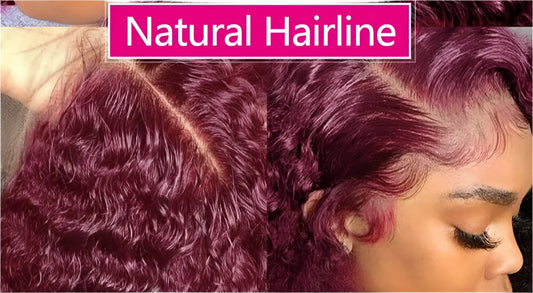
30 Inch Burgundy 99J Curly Human Hair Wig | 13x6 Lace Frontal | 200% Density
Prezzo di listino Da $257.00 USDPrezzo di listino$0.00 USDPrezzo scontato Da $257.00 USD -
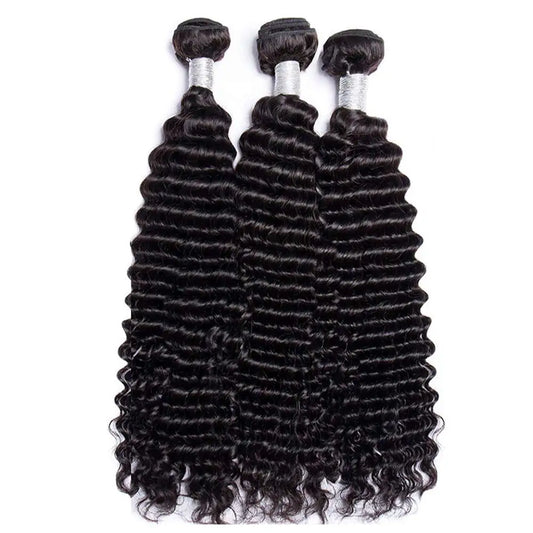
12A Deep Wave Remy Human Hair Bundles | 30 to 32 Inch Weft Extensions
Prezzo di listino $364.00 USDPrezzo di listino$0.00 USDPrezzo scontato $364.00 USD -
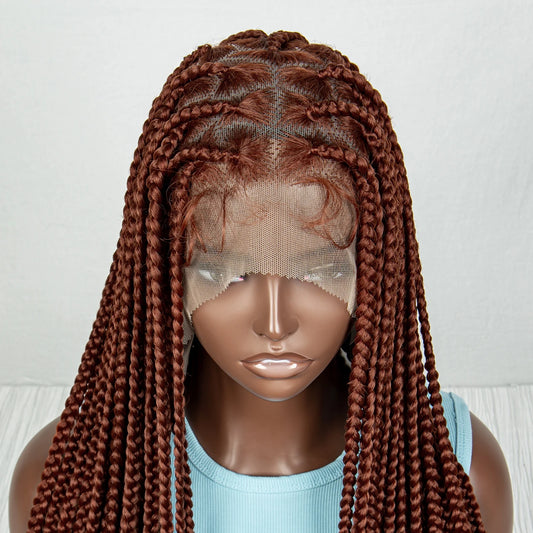
#350 Knotless Box Braids Wig | Short Lace Frontal Bob | Dark Ombre Ginger
Prezzo di listino $262.50 USDPrezzo di listino$0.00 USDPrezzo scontato $262.50 USD -
Short Afro Faux Dreads Wig | Synthetic Braided Wig for Men and Women
Prezzo di listino $90.00 USDPrezzo di listino$120.00 USDPrezzo scontato $90.00 USDIn offerta -
12A Raw Vietnamese Bouncy Wave Wig | 13x4 Lace Frontal | 250% Density
Prezzo di listino Da $242.00 USDPrezzo di listino$0.00 USDPrezzo scontato Da $242.00 USD -
Men's Wingtip Derby Shoes | Genuine Leather Colour Block Lace-Ups
Prezzo di listino $263.00 USDPrezzo di listino$301.00 USDPrezzo scontato $263.00 USDIn offerta -
Brazilian Human Hair 13x4 Lace Front Wig | Glueless, Pre-Plucked with Baby Hair
Prezzo di listino Da $99.00 USDPrezzo di listino$132.00 USDPrezzo scontato Da $99.00 USDIn offerta






Preserve the Style While Making It Look Natural
A wig's shape affects how much shine it shows. Small styling changes can help, but avoid irreversible changes solely to reduce gloss.
Restore existing waves instead of adding heat
Curly wigs usually look less glossy than straight styles because their curves scatter light in different directions.
For an existing curl pattern, lightly mist the lengths with plain tap water using a spray bottle. Gently scrunch, then let the hair dry undisturbed. This can settle flyaways and refresh the set, but it won't create permanent curls in straight synthetic hair.
Avoid soaking the cap during a quick refresh. Our advice on refreshing synthetic wig fibers covers between-wash care.
Oil serums and gloss products can make the fibers look more reflective, even when they temporarily smooth the ends.
Leave thinning to careful, targeted adjustments
Excess density can create a broad reflective surface. However, thinning permanently removes hair and may expose wefts or leave short, sticking-out fibers.
A wig stylist can isolate small sections, comb through them, and use thinning shears sparingly. Only a little should come off at a time, with the overall shape reassessed between cuts.
If thinning is needed, do it before applying dry shampoo so powder doesn't hide the true density. Never cut through an entire thick section near the cap.
A better-fitting, lower-density style may need less powder than a heavily altered wig.
Key Takeaways for a Natural Finish
- Start with a hidden-section test, then apply dry shampoo sparingly for a natural look.
- Match tinted formulas to the wig's shade and protect lace from pigment.
- Wash away buildup with shampoo instead of layering powder indefinitely.
- Keep standard synthetic fibers away from heat and avoid unapproved household soaks.
A little remaining shine is normal. The goal is believable hair, not a completely flat, powdery surface.
Keep the Fibers Healthy While Reducing Shine
The safest way to manage excess gloss is to make small, reversible changes. Light dry shampoo and gentle washing usually offer more control than soaking recipes or permanent alterations.
Choose the method that needs the least product and handling. Preserving softness, color, and the original style matters more than achieving a completely matte finish.
Frequently Asked Questions
Can I reduce shine without washing the wig first?
Yes. A light, tested application of dry shampoo is the quickest option. However, wash the wig first if it feels sticky or coated. More powder over residue usually worsens the finish.
What can I use if I don't have wig shampoo?
Wait until you have a product made for synthetic wigs rather than substituting dish soap or laundry detergent. The American Cancer Society's wig washing instructions recommend cold water and a product formulated for synthetic fibers.
Can coloring synthetic fibers reduce shine?
Regular hair dye doesn't work on synthetic fibers the way it works on human hair. Bleaching and improvised dye baths can alter color or style unpredictably. Use a removable matte treatment instead.