

How to Trim Wig Bangs Without Losing Their Shape
One careless snip can turn soft, flattering bangs into a line that's too short or hard to fix. If you need to trim wig bangs, the safest method is to cut them dry, follow their original direction, and remove less hair than you think you need.
Whether your wig is synthetic or made from human hair, gradual trimming protects the style you paid for. First, inspect the existing shape and prepare a stable setup. Then use small cuts, pause often, and check the result while wearing the wig.
Check the Wig's Original Bang Shape First
Wig bangs are usually cut with a specific balance between the center, sides, and hair behind the fringe. Cutting only one section without checking that balance can make the entire front look uneven.
Place the wig on your head and adjust it to its normal position. Make sure the front sits at the hairline you usually wear. Look at the length in a mirror, then remove the wig and place it on a wig stand at eye level.
Before picking up the scissors, identify three details:
- Notice where the bangs are shortest. This is your guide length.
- Check whether the fringe falls straight, diagonally, or toward one side.
- Find where the bangs blend into the longer hair at each temple.
Keep the wig dry while you assess it. Wet hair often appears longer, and synthetic fibers can spring back as they dry. If your wig has waves or curls, don't stretch them straight before cutting. Trim the ends in their natural pattern instead.
Human-hair wigs can usually be washed, dried, and styled much like natural hair. Synthetic wigs hold their factory shape differently, so avoid changing the direction or density unless you have a clear reason. When in doubt, preserve the original design and make a small adjustment to the bottom edge.
A fringe can look longer on a wig stand than it does on your forehead. Always test the fit before making a second cut.
Gather the Right Tools and Prepare the Wig
A clean, stable setup gives you better control. You don't need a large collection of salon tools, but you do need sharp scissors and a way to keep the wig from shifting.
Use:
- Sharp hair-cutting shears with narrow blades.
- A wide-tooth comb for wavy or curly wigs, or a fine-tooth comb for straight bangs.
- Sectioning clips that won't snag the fibers.
- A wig stand, mannequin head, or smooth towel-covered surface.
- A second mirror so you can check the front and sides.
- A clean towel to catch loose fibers.
Avoid kitchen scissors, craft scissors, and dull shears. They can bend or crush the ends instead of creating a clean cut. A razor can also roughen synthetic fibers, so scissors are the safer choice for most at-home trims.
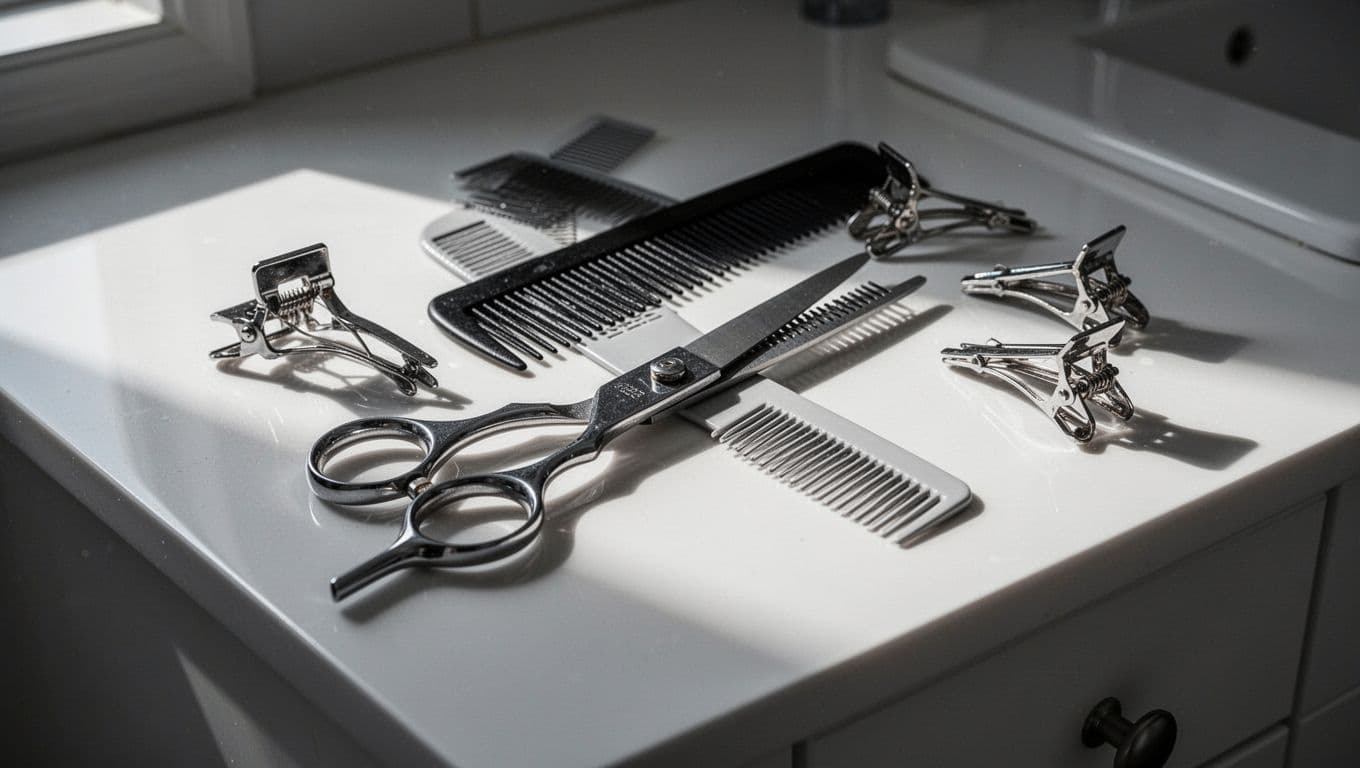
Comb the bangs gently before cutting. Remove tangles without pulling the hair tight. If the wig needs heat styling, do that before trimming, and follow the manufacturer's instructions for synthetic fibers. Standard synthetic wigs can melt or become permanently distorted under excessive heat.
Work in bright, even light. Place the stand at face height instead of bending over it. That position makes it easier to see whether both sides remain balanced.
How to trim wig bangs step by step
The safest approach is to create a small guide, compare both sides, and repeat only when necessary. Don't try to reach the final length in one cut.

1. Try on the wig and choose the target length
Put the wig on and adjust the cap, hairline, and part so everything sits normally. Use your fingers to mark where you want the bangs to finish. Leave extra length below that point, especially if this is your first trim.
A small amount of extra hair gives you room to correct the shape. Hair can't be put back after cutting, so starting 1/4 inch, or about 6 millimeters, longer than your goal is sensible.
Remove the wig and return it to the stand in the same position. Compare the target length with the shortest existing section.
2. Separate the fringe from the rest of the hair
Comb the bangs forward and clip the longer side sections away. Follow the existing bang area rather than creating a wider section. Cutting into the temple hair can make the wig look thinner around the face.
For side-swept bangs, keep the natural part and direction visible. Don't comb them straight down if they are designed to fall across the forehead. The final cut should follow the way the hair naturally rests.
3. Make a small center guide
Comb a narrow section at the center of the bangs downward. Keep the hair relaxed, with no strong pulling or stretching. Remove only a few millimeters with the tips of the shears.
For a soft fringe, point the scissor tips slightly upward and make tiny snips into the lower edge. This technique creates a less rigid line than one large horizontal cut.
If you want a blunt bang, keep the lower edge more even. Make short, shallow snips across small sections instead of closing the scissors across the full width at once.
4. Match one side to the guide
Comb the next small section beside the center. Use the guide as your length reference, then cut only the ends that extend below it. Repeat on the other side.
Check the right and left sides separately. Many uneven cuts happen when someone trims both sides quickly without pausing to compare them. Keep the scissors pointed in the same direction during each pass.
For diagonal or side-swept bangs, follow the existing angle. Avoid forcing both sides to the same length because that can erase the original shape.
5. Release the hair and inspect it
Remove the clips and comb the entire fringe into its normal position. Put the wig back on your head and check it from the front, both sides, and a slight angle.
If the bangs still look long, repeat the same process with another tiny cut. Stop when the length looks close. You can always remove more later, but you can't restore a section that has become too short.
6. Handle textured bangs differently
Wavy or curly bangs need extra care because the curl pattern affects the finished length. Work with dry hair and trim individual ends or small curl groups. Avoid pulling each curl straight.
Cutting a curl while it is stretched can leave the bangs much shorter when the fiber returns to its normal shape. For textured synthetic wigs, use the original style as your guide and make the smallest adjustment possible.
Shop Wigs With Bangs
-
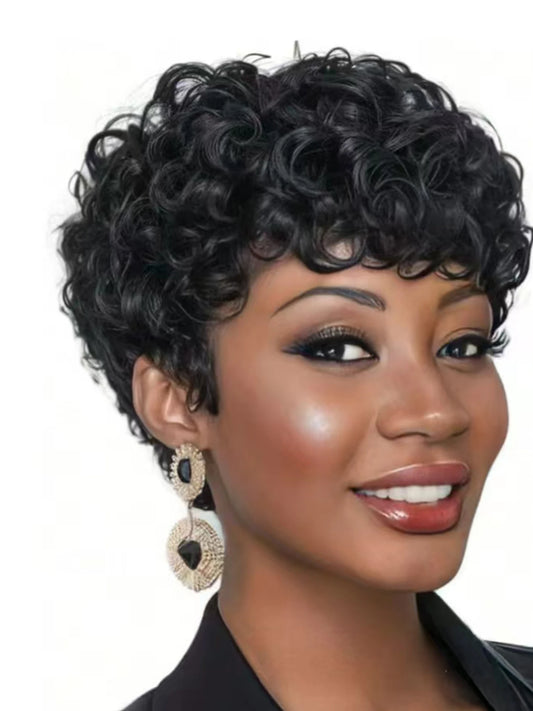
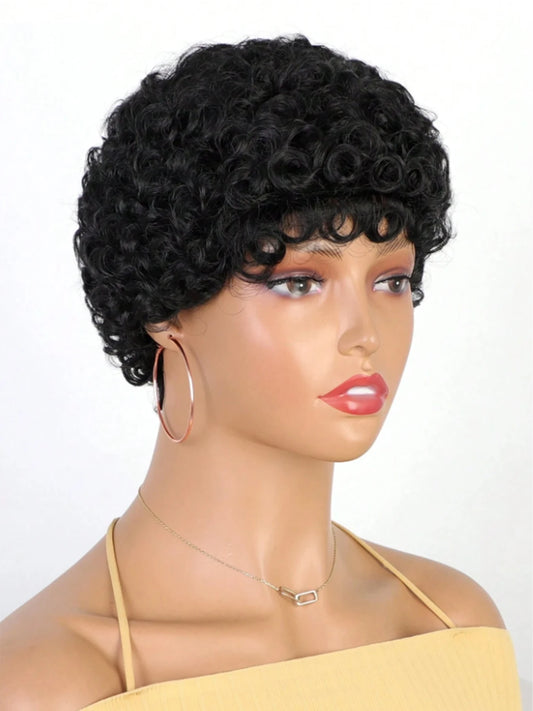
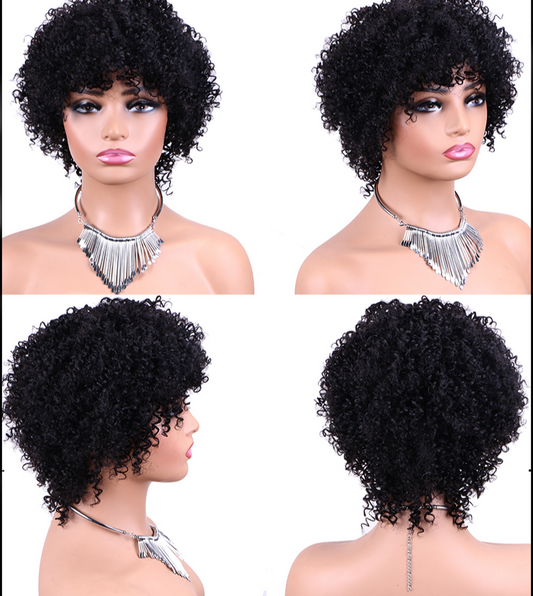
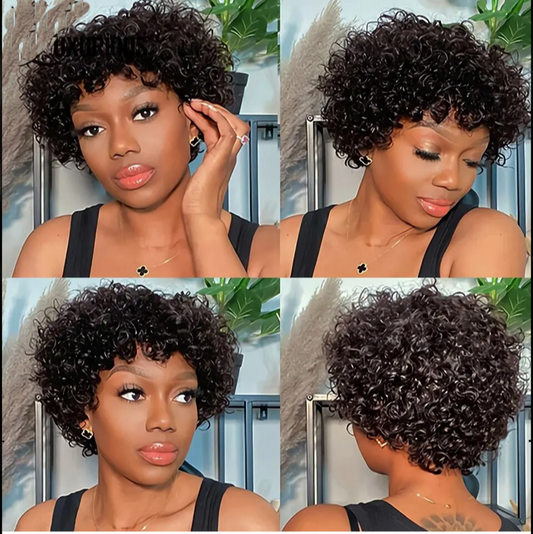
Black Pearl Curly Wigs Perruques Cheveux Humains Fringe Wig Jerry Curly Wig With Bangs Human Hair Short Pixie Cut Wigs Human Hai
Prezzo di listino Da $124.00 USDPrezzo di listino$149.00 USDPrezzo scontato Da $124.00 USDIn offerta -
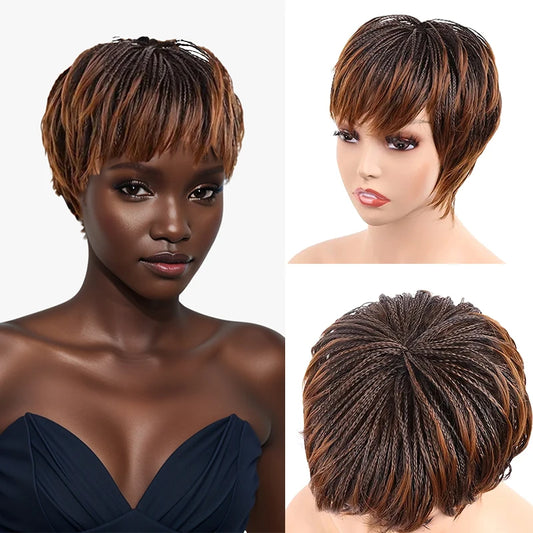
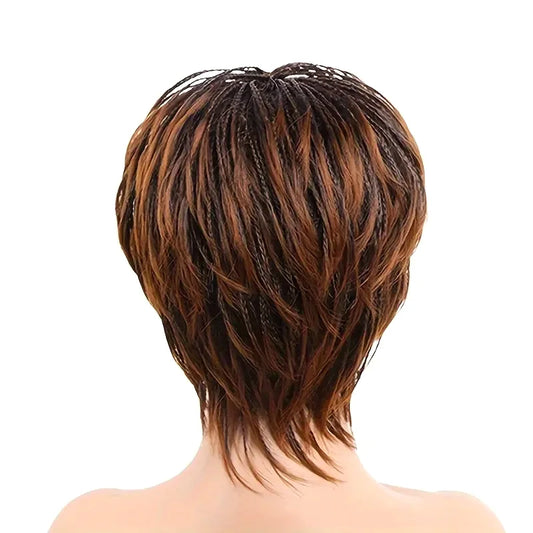
Women's Short Bob Braided Wig with Bangs | Synthetic Wigs for Everyday Wear & Christmas (Easy Style)
Prezzo di listino $111.00 USDPrezzo di listino$133.00 USDPrezzo scontato $111.00 USDIn offerta -
Cut Short Curly Wigs for Women | Glueless Synthetic Full Wigs with Bangs (Daily Wear & Go, Heat Resistant, Black Color for Beginners)
Prezzo di listino $53.00 USDPrezzo di listino$71.00 USDPrezzo scontato $53.00 USDIn offerta -
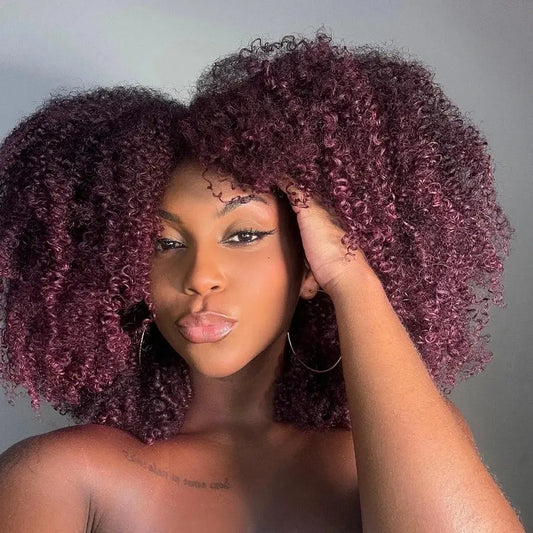
Short Bob | 99J | Curly | Bob | Red | Burgundy | Non Lace Front | Bangs | Human Hair Wigs
Prezzo di listino Da $152.00 USDPrezzo di listino$0.00 USDPrezzo scontato Da $152.00 USD -
No Lace Pixie Cut Curly Human Hair Wigs with Bangs for Women | Easy Wear, Breathable, Natural Short Curly Hair
Prezzo di listino $156.00 USDPrezzo di listino$188.00 USDPrezzo scontato $156.00 USDIn offerta -
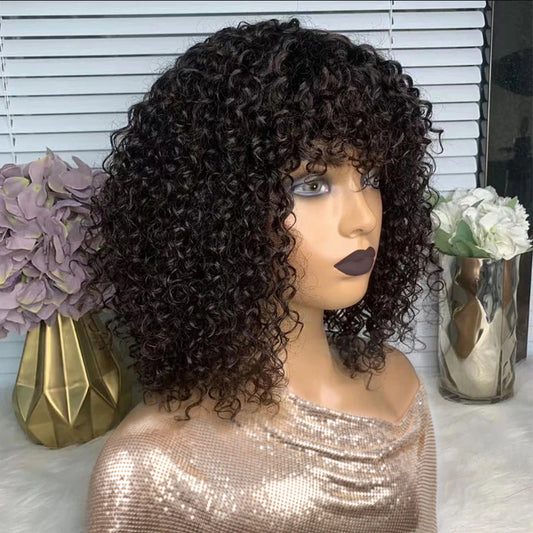
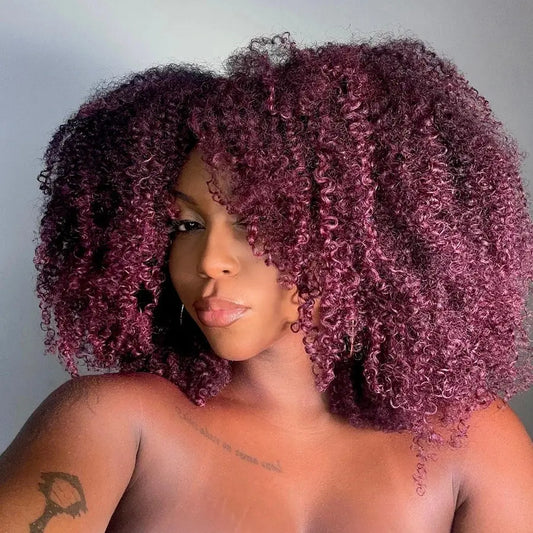
Curly Short Bob Cut Human Hair Wigs With Bangs Kinky Curly Bob Wig Brazilian Remy Hair Full Machine Made
Prezzo di listino Da $150.00 USDPrezzo di listino$172.00 USDPrezzo scontato Da $150.00 USDIn offerta



Fix common wig bang problems without cutting more
A mistake doesn't always require another trim. Often, the right styling adjustment can improve the shape while preserving the remaining length.
The bangs look too blunt
A hard, ruler-like edge usually comes from cutting straight across in one motion. Use the tips of the scissors to make a few shallow, vertical snips along the bottom edge. Work lightly and stop before the ends look thin.
Don't use thinning shears at the roots to fix a blunt fringe. They can remove too much density and leave visible gaps. Soften only the lower edge that looks heavy.
One side is uneven
Put the wig on the stand, comb the bangs into place, and locate the longer side. Trim the longer section in tiny amounts until it meets the shorter side.
If the difference is small, point-cutting can disguise it. Avoid repeatedly trimming the short side to chase one stray strand. Step back from the mirror after each adjustment.
The bangs are too short
Stop cutting immediately. First, check the wig's placement because a cap sitting too high can make the fringe appear shorter. Try wearing the bangs swept slightly to one side, parted near the center, or held with a small clip or headband.
Human-hair bangs may respond to a new part or gentle styling. Synthetic bangs can often be redirected with clips if the wig is heat-friendly and you follow its care instructions. No styling method will add fiber that has already been removed, so avoid trying to correct short bangs with more scissors.
The bangs won't lay correctly
The fringe may be combed against its original direction, or the wig may not be sitting in its usual position. Recheck the part, front hairline, and cap alignment before changing the cut.
For human hair, lightly mist the bangs with water, comb them into place, and clip them while they dry. Use approved low heat only when the wig's care label allows it. With standard synthetic fibers, skip hot tools and use clips or a soft headband to hold the direction.
Protect the shape after trimming
Once the length looks right, comb the bangs into their intended position and let them settle before applying products. Heavy oils or sticky sprays can make a synthetic fringe separate into strands and show the base more easily.
Wash human-hair wigs according to their care instructions, then judge the bangs only after they are completely dry. Synthetic wigs should also dry fully before you decide whether the shape needs another adjustment.
Store the wig on a stand or mannequin head so the fringe doesn't fold under a bag or become flattened. Keep clips loose when setting the bangs, since tight clips can leave dents in synthetic fibers.
Clean your shears after use and store them closed. Future trims should focus on a few stray ends rather than repeating the entire cut.
Final Thoughts
The safest way to trim wig bangs is to preserve the original direction, work on dry hair, and remove only a little at a time. Small point cuts can soften the edge, while careful comparison keeps both sides balanced.
If the bangs become too short, styling can improve their appearance, but extra cutting won't solve the problem. Take your time, check the wig on your head often, and stop as soon as the shape looks right.