

How to Wash Your Scalp Under a Sew-In Weave
You can wash your sew-in by gently cleaning the scalp between tracks, rinsing well, and drying the braided base completely.
A pointed-tip bottle and mild shampoo help you reach the scalp without disturbing the extensions or tangling natural hair.
Key Takeaways
- You can wash your scalp and natural hair with a sew-in by applying diluted shampoo between tracks with a pointed-tip bottle and massaging gently with your fingertips.
- Rinse each section thoroughly, keep the hair moving downward, and avoid vigorous scrubbing, wringing, or twisting to reduce tangling and tension on the tracks.
- Dry the scalp and braided base completely, as well as the extensions, before tying your hair up or going to bed.
- A general washing guideline is every 7 to 14 days. Adjust the schedule to your scalp's needs and follow your stylist's care instructions.
Can you wash your hair with a sew-in?
Yes. You can wash your scalp and natural hair while a sew-in is installed. To wash your sew-in, guide cleanser to the scalp instead of piling the extensions on top of your head and rubbing them together.
Tracks and braids sit close to your scalp, so vigorous scrubbing can pull at the install and tangle the bundles. Use a pointed-tip applicator bottle to place diluted shampoo between tracks, then massage lightly with your fingertips. Rinse gently, keeping the water moving downward.
Work from the back of your head toward the front, following the braid direction. Follow your stylist's care instructions, since braid pattern, thread placement, and leave-out vary by install. Keep your scalp and hair moving downward as you rinse.
Gather gentle products and tools
Choose products that rinse clean and don't leave a heavy film on the scalp or tracks. A few gentle items are enough for wash day.
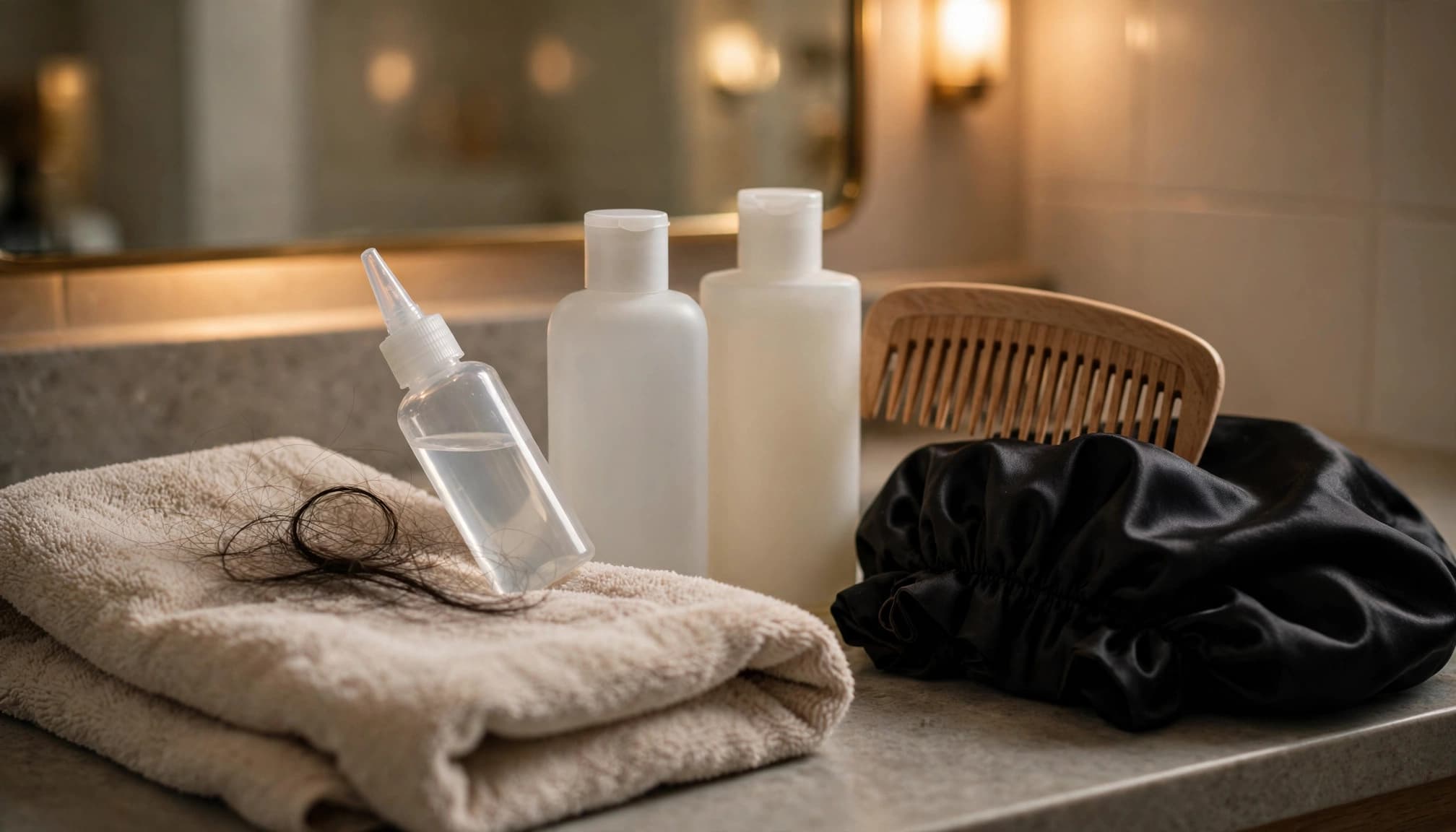
Set out a mild shampoo, conditioner, a pointed-tip bottle to reach the scalp between tracks, a wide-tooth comb, and a soft towel. A blow dryer with a wide-tooth attachment can help dry the extensions and braided base. Keep the tools within reach before wetting the sew-in, so you don't tug or twist the bundles while looking for them.
For dry hair or itch, some routines use a small amount of tea tree oil through a pointed-tip bottle. Keep the amount light to limit residue around the tracks.
At night, protect the style with a satin or silk bonnet to reduce friction. For more general extension care, see these care tips for afro kinky bulk human hair.
How to wash your scalp under a sew-in
Take your time through each step. During a sew-in wash, let water reach the braids without twisting, piling, or scrubbing the hair roughly.
1. Detangle and divide the hair
Before washing, gently brush the extensions and leave-out. Start at the ends and work upward, holding the hair near the base to reduce pulling. Use a wide-tooth comb to detangle, and brush forward toward the front of your head to prevent tangles around the tracks.
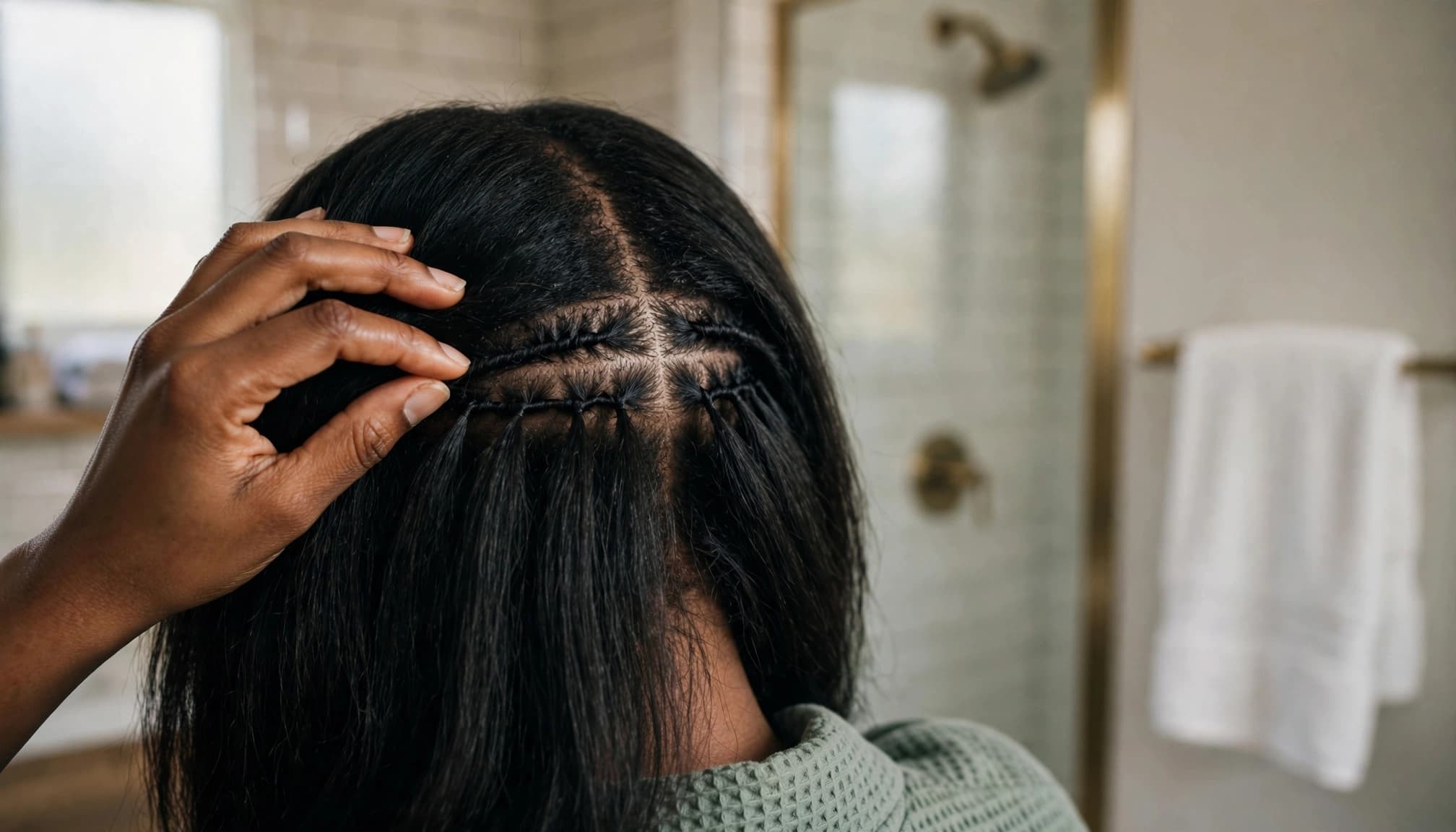
Next, divide the hair into four sections. Use your fingers to find the spaces between tracks, then secure each section loosely. This gives you manageable areas to cleanse and helps you reach your natural hair across the full head.
2. Cleanse between the tracks
Wet one section at a time with lukewarm water. Apply diluted shampoo between the tracks with an applicator bottle, then use your fingertips to spread it over the scalp and braid line. Move from the back of your head toward the front, following the direction of the braids.
Use light fingertip pressure, without vigorous rubbing or pulling on the weave. Smooth the shampoo down the braid and over the bundles, keeping the hair in its natural direction.
Rinse each section thoroughly before moving on. If residue remains or the scalp feels coated, repeat a gentle shampoo pass instead of pressing harder.
3. Condition and rinse gently
Apply conditioner to the extension lengths and, if appropriate for your hair and install, lightly to your natural hair. Avoid applying a thick layer near the scalp or tracks, where residue can collect. Smooth it downward through the strands, then rinse well.
A cold-water rinse is often recommended at this stage to help seal the cuticles of the extensions. Gently squeeze excess water from the hair. Don't wring or twist the extensions, since that can create tangles and place tension on the tracks.
Lighter cleansing options for busy wash days
A full cleanse isn't the only option between regular cleanses. Choose based on the amount of residue and how your scalp feels.
Diluted shampoo for light build-up
When residue is light, dilute shampoo with water in a pointed-tip bottle. Apply it between the tracks directly to the scalp, then spread it gently along the braid lines with your fingertips. Rinse carefully so diluted product doesn't remain beneath the extensions.
This works when you don't need to saturate every bundle. The braided base still needs to dry completely.
Oil and steam for dryness
For dry hair or an itchy feeling, apply a small amount of jojoba, argan, castor, or coconut oil through a pointed-tip bottle, keeping it near the roots rather than coating the extensions.
Steam is also used to help it penetrate, but it doesn't remove sweat, flakes, or residue. Use it sparingly to avoid coating the tracks, and seek professional care for persistent symptoms.
Shop Best Sellers
-
Short Goddess Faux Locs Wig | Brown Highlight Crochet Dreadlock Wig
Prezzo di listino Da $158.00 USDPrezzo di listino$190.00 USDPrezzo scontato Da $158.00 USDIn offerta -
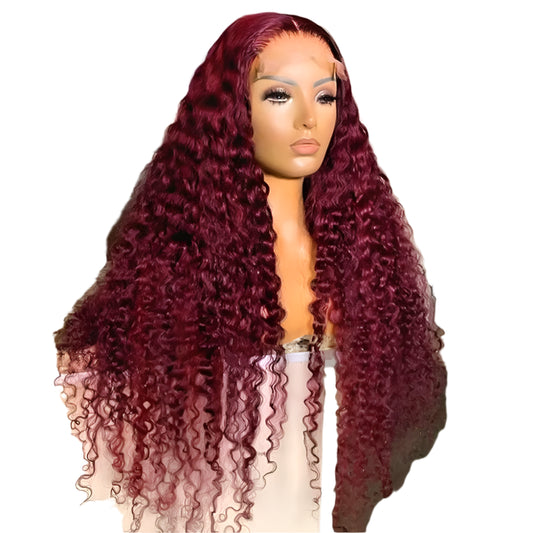
30 Inch Burgundy 99J Curly Human Hair Wig | 13x6 Lace Frontal | 200% Density
Prezzo di listino Da $257.00 USDPrezzo di listino$0.00 USDPrezzo scontato Da $257.00 USD -
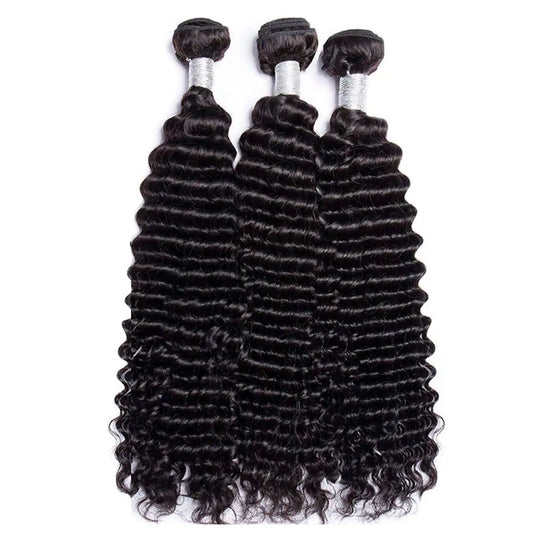
12A Deep Wave Remy Human Hair Bundles | 30 to 32 Inch Weft Extensions
Prezzo di listino $364.00 USDPrezzo di listino$0.00 USDPrezzo scontato $364.00 USD -
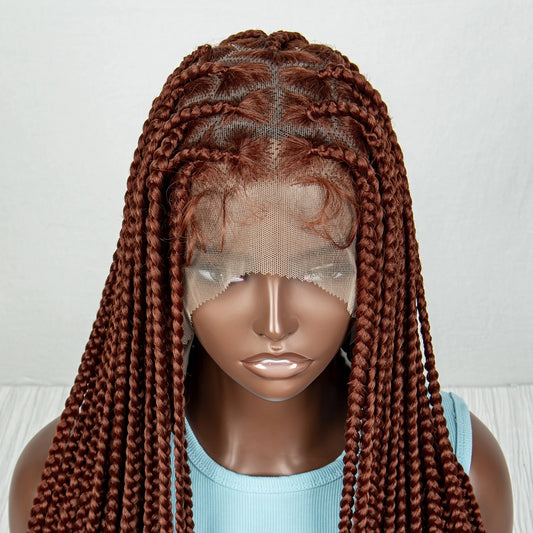
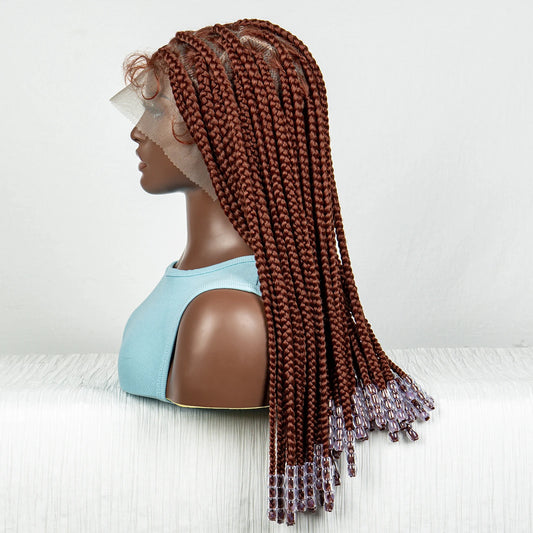
#350 Knotless Box Braids Wig | Short Lace Frontal Bob | Dark Ombre Ginger
Prezzo di listino $262.50 USDPrezzo di listino$0.00 USDPrezzo scontato $262.50 USD -
Short Afro Faux Dreads Wig | Synthetic Braided Wig for Men and Women
Prezzo di listino $90.00 USDPrezzo di listino$120.00 USDPrezzo scontato $90.00 USDIn offerta -
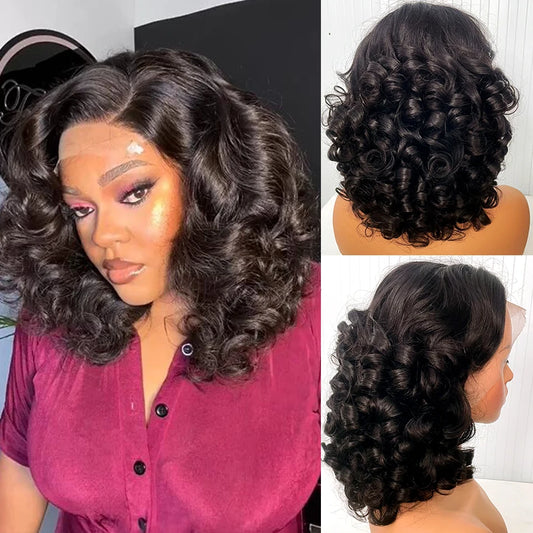
12A Raw Vietnamese Bouncy Wave Wig | 13x4 Lace Frontal | 250% Density
Prezzo di listino Da $242.00 USDPrezzo di listino$0.00 USDPrezzo scontato Da $242.00 USD -
Men's Wingtip Derby Shoes | Genuine Leather Colour Block Lace-Ups
Prezzo di listino $263.00 USDPrezzo di listino$301.00 USDPrezzo scontato $263.00 USDIn offerta -
Brazilian Human Hair 13x4 Lace Front Wig | Glueless, Pre-Plucked with Baby Hair
Prezzo di listino Da $99.00 USDPrezzo di listino$132.00 USDPrezzo scontato Da $99.00 USDIn offerta






Dry the scalp, braids, and extensions fully
Drying the hair's surface isn't enough. Moisture can remain at the scalp and inside the braided base, so give both areas as much attention as the outer hair.
First, gently press a towel against the hair to absorb water without rubbing it back and forth. Then use a blow dryer on a suitable setting, directing airflow along each section toward the roots. Use the blow dryer to dry the scalp and braided base, along with the extensions.
One routine recommends removing most moisture from the lengths before using a bonnet dryer or trying a hot-oil or steam step. The base should feel free of moisture before you tie your hair up or go to bed.
When using heat for styling, follow your stylist's instructions and use protection on the lengths as appropriate. Our guide to how to heat-style a wig safely covers general protection tips for hair units.
How often should you wash a sew-in?
A general guideline is to cleanse every 7 to 14 days to help prevent build-up. Another common routine is to wash and condition natural hair twice a month and oil the scalp once a week, whether or not you wear extensions.
Those schedules don't match exactly, so adjust the interval to your needs and follow your stylist's care instructions. If you sweat often or product build-up collects around the weave tracks, cleanse closer to the 7-day end. If it stays comfortable and clean, a longer interval may fit. A 2011 study found no association between hair-care practices and traction alopecia, though that doesn't remove the need for gentle handling or a well-fitted install. See the study on hair care practices and scalp conditions.
An install can last about six to eight weeks. Keeping it in longer can limit access to regular cleansing and care. Avoid a tight install; the American Academy of Dermatology warns that hairstyles that pull can lead to hair loss. Its advice on hairstyles that pull and hair loss also notes that people diagnosed with traction alopecia should stop wearing tight styles that stress the follicles.
Troubleshooting itch, build-up, and tangles
If your sew-in feels itchy
Check whether sweat, oil, or product has collected against your scalp. Gently cleanse the scalp, rinse thoroughly, and dry the base completely. A small amount of tea tree oil is optional, but don't use it to treat irritation or cover residue. For ongoing irritation, odor, pain, or other scalp concerns, consult a dermatologist.
If you notice build-up
Use diluted shampoo in a pointed-tip bottle to clean between tracks, and make sure each area is clear of residue. Keep conditioner focused on the lengths to limit residue near the tracks.
If the extensions tangle
Don't brush wet hair or pull on the install. Work gently through the lengths with your fingers, starting at the ends, to detangle. During the next wash, keep the hair hanging downward and smooth products along the strands rather than rubbing them together. A satin or silk bonnet can reduce friction while you sleep.
Frequently asked questions
Should you use a comb or brush before washing?
Before you wash, gently work out tangles in the extensions, starting at the ends and brushing toward the front. Brush the leave-out separately. During the wash, use your fingertips to clean the scalp between tracks, and avoid combing wet hair.
How can you bring a weave back to life?
To revive the weave, cleanse gently if product build-up is present, then use conditioner on the extension lengths and rinse well. Detangle from the ends upward, then dry the scalp, braids, and bundles fully. Use heavy oils sparingly to prevent a coated feel.
How do you keep the braids and tracks from loosening?
Divide the hair into four sections and apply shampoo between tracks. Massage with your fingertips without pulling, then smooth the hair downward. Avoid vigorous rubbing, wringing, or twisting, and follow your stylist's sew-in care instructions.
Keep wash day gentle and thorough
Clean your scalp beneath a sew-in with controlled access between tracks, gentle fingertip cleansing, and a thorough rinse.
Follow your stylist's instructions, and use a blow dryer to help the scalp and braided base dry completely before styling or covering your natural hair and extensions.