

How to Wash a Human Hair Wig Without Tangling
A wig can look smooth before washing and become a knotty mess after one careless rinse. The right technique matters as much as the products you use.
If you're searching for how to wash human hair wig styles without tangling, start with one rule: keep the hair flowing in its natural direction. Never rub, twist, or pile the strands together. With a calm, ends-to-roots routine, you can clean the wig while reducing matting, shedding, and breakage.
Prepare the Wig Before Washing
Check the wig's care label before adding water. Some wigs have special lace, colored hair, bleached knots, or a delicate cap that requires specific care. Follow the manufacturer's instructions if they differ from this routine.
Place the wig on a stable wig stand or mannequin head. If you don't have one, lay it on a clean towel with the hair spread out. Remove clips, pins, and accessories first.
Detangle the dry hair before washing. Use your fingers to separate large knots, then use a wide-tooth comb. Start at the ends and work upward in small sections. Hold the hair above the section you're combing so you don't pull against the cap or lace.
A bathroom sink works well because you can control the water flow. Clean the basin, then prepare lukewarm water, wig shampoo or a mild shampoo approved for human hair wigs, a suitable conditioner, and a soft towel.
The hair should stay aligned throughout the process. Water makes loose strands heavier, so rough handling can turn a small knot into a tight mat.
How to Wash Human Hair Wig Styles Without Tangles
When you wash human hair wig styles, let the water and your hands do most of the work. Follow these steps:
- Set the water temperature to lukewarm. Hot water can make the hair feel dry and may affect the wig's construction. Keep the water pressure gentle.
- Wet the hair from top to bottom. Hold the wig by the cap or place it on the stand. Allow water to run from the crown toward the ends. Don't flip the hair upside down, squeeze it into a ball, or dunk it in a way that changes its direction.
- Apply shampoo to the hair lengths. Use a small amount and spread it between your palms first. Smooth the shampoo down the strands with open hands. Work from the cap area toward the ends without scrubbing.
- Clean the cap and lace carefully. Use your fingertips to gently press shampoo around the inside of the cap. Avoid rubbing lace against itself. If the wig has adhesive residue, use only a remover recommended for that type of lace or cap.
- Rinse in the same direction. Keep the hair hanging downward as water flows through it. Use your fingers to guide strands apart, but don't twist or wring the wig. Continue until no shampoo remains.
- Press out excess water. Support the wig with both hands and gently press it between your palms. Never wring it. Then place it on a towel and blot, rather than rubbing the hair.
This method keeps the cuticles and strands facing one way. That alignment helps prevent the friction that causes tangles during washing.

Condition and Rinse Without Creating Knots
Apply conditioner mainly to the middle lengths and ends. Keep heavy conditioner away from the lace, knots, elastic, and cap unless the care label says otherwise. Product buildup near the base can make styling and cleaning more difficult.
Use your fingers to smooth the conditioner downward. If the hair has a few small knots, apply more conditioner to that area and separate it gently with your fingers. Start at the ends with a wide-tooth comb, then move toward the roots as each section loosens.
Let the conditioner sit for the time listed on the product. Leaving it on much longer doesn't automatically improve the result. Rinse with lukewarm water while keeping the hair pointed downward.
Afterward, press the wig between a clean towel to remove water. Don't wrap the hair into a tight towel twist. That motion pushes strands together and can create tangles before drying even begins.
Dry the Wig in Its Natural Direction
Place the damp wig on a wig stand in a well-ventilated area. Arrange the part and hair direction before it dries. Keep the strands hanging freely instead of folding them over the stand.
Allow the hair to air-dry unless the care instructions permit heat. If you use a blow dryer, choose a low or cool setting, as our heat styling guide explains for both fiber types, and keep the airflow moving. Hold the dryer several inches away from the hair, and avoid directing strong heat at lace or glued areas.
Don't brush aggressively while the wig is soaking wet. When the hair is damp rather than dripping, use your fingers first. Then comb from the ends upward, working through narrow sections.
Once the wig is completely dry, check the nape and underside of the hair. These areas often catch against clothing and can tangle faster than the top layers.
Shop Human Hair Wigs
-
"Put On & Go" Straight Bob Wig | Easy Wear Human Hair with Bangs & Realistic Scalp
Normaler Preis Von $111.00 USDNormaler Preis$133.00 USDVerkaufspreis Von $111.00 USDSale -
#4 Brown Pixie Short Cut Wig with Bangs | Straight Human Hair Full Machine Made
Normaler Preis $105.00 USDNormaler Preis$126.00 USDVerkaufspreis $105.00 USDSale -
#4 Chestnut Brown Straight Lace Front Wig | 13x4 & 13x6 Transparent Swiss Lace Frontal Wig | 150% & 180% Density 100% Brazilian Remy Human Hair Long Closure Wig for Women (26+ Inch)
Normaler Preis Von $364.00 USDNormaler Preis$0.00 USDVerkaufspreis Von $364.00 USD -
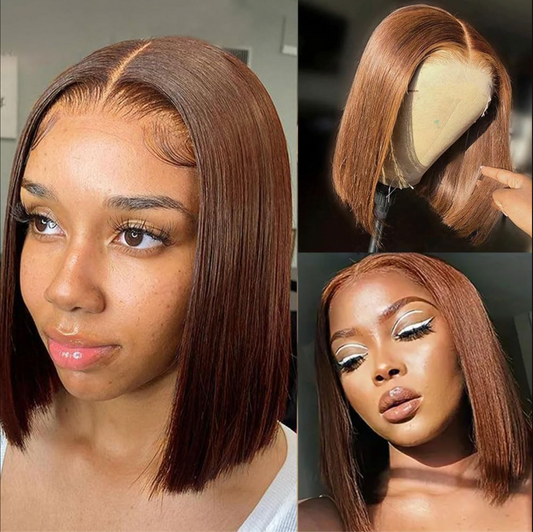
#4 Chocolate Brown Bob Wig | Glueless | Ready To Wear | Brazilian Hair | Human Hair | Straight | Invisible | Closure Wigs For Women
Normaler Preis Von $151.00 USDNormaler Preis$172.00 USDVerkaufspreis Von $151.00 USDSale -
#4 Chocolate Brown Straight Bob Wig | Sophisticated 200% Density HD Transparent Lace Frontal | Elegant "Short Bob" Silhouette | "Dignified" Pre-Plucked Brazilian Remy Human Hair for Radiant Versatile Styling
Normaler Preis $150.00 USDNormaler Preis$200.00 USDVerkaufspreis $150.00 USDSale -
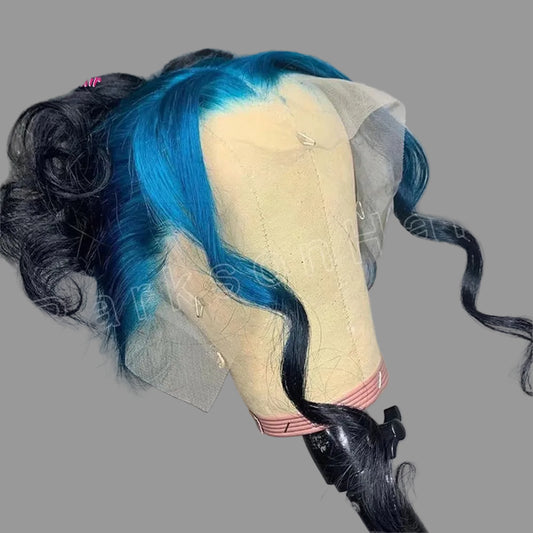
#4/613 Ombre Blonde Lace Front Wig | High-Impact Black with Blue Custom Tone Option | 13x4 HD Transparent Swiss Lace Frontal Body Wave Human Hair Wig for Women
Normaler Preis $502.00 USDNormaler Preis$0.00 USDVerkaufspreis $502.00 USD -
#60 613 Platinum Blonde Wear-and-Go Glueless Wig | 13x4 HD Transparent Lace Frontal Wig | 100% Brazilian Remy Human Hair Body Wave Long 26+ Inch Wig for Women
Normaler Preis Von $249.00 USDNormaler Preis$0.00 USDVerkaufspreis Von $249.00 USD -
#60 Platinum Ash Blonde Lace Front Wig | 100% Brazilian Human Hair Glueless Wig | 13x4 & 13x6 HD Transparent Swiss Lace Frontal Body Wave Gown for Women
Normaler Preis Von $249.00 USDNormaler Preis$0.00 USDVerkaufspreis Von $249.00 USD









How Often Should You Wash Human Hair Wig Styles?
Washing frequency depends on how often you wear the wig, how much you sweat, and how many styling products you use. A wig worn several days each week may need washing about every one to two weeks. Occasional wear usually requires less frequent washing.
Clean it sooner if you notice sweat, oil, odor, flakes, or heavy product residue. Waiting until the hair feels coated can make detangling harder. On the other hand, washing after every short wear may add unnecessary handling.
Between washes, remove surface tangles with your fingers and a wide-tooth comb. Store the wig on a stand or in a clean satin or silk bag after it has dried fully.
Troubleshooting Tangling and Matting After Washing
Small tangles don't require force. Lightly dampen the area, apply a little conditioner or wig-safe detangler, and separate the hair with your fingers. Work through the ends first, then move upward.
For a matted nape, hold the hair above the mat to protect the cap. Loosen the outer edges with your fingers, then comb tiny sections from the bottom upward. Add conditioner as needed, but stop if the hair begins to pull from the cap.
If a comb catches repeatedly, don't drag it through. Use a smaller section and more slip. A fine-tooth comb can tighten the problem, so choose a wide-tooth comb for wet or damp hair.
Unusual shedding, broken strands, or a loose lace area needs extra care. Stop pulling and inspect the cap. If the problem continues, ask a wig professional to assess the construction and recommend the next step.
Keep Your Wig Tangle-Free
The safest way to wash human hair wig styles is to control the direction of every strand. Detangle before water, smooth shampoo downward, condition the ends, rinse without twisting, and dry the hair loose on a stand.
When you wash human hair wig styles with this gentle routine, you reduce the handling that causes knots and stress. Clean only as often as needed, and treat the ends as carefully as the roots. That small change can make every wash easier and more predictable.